
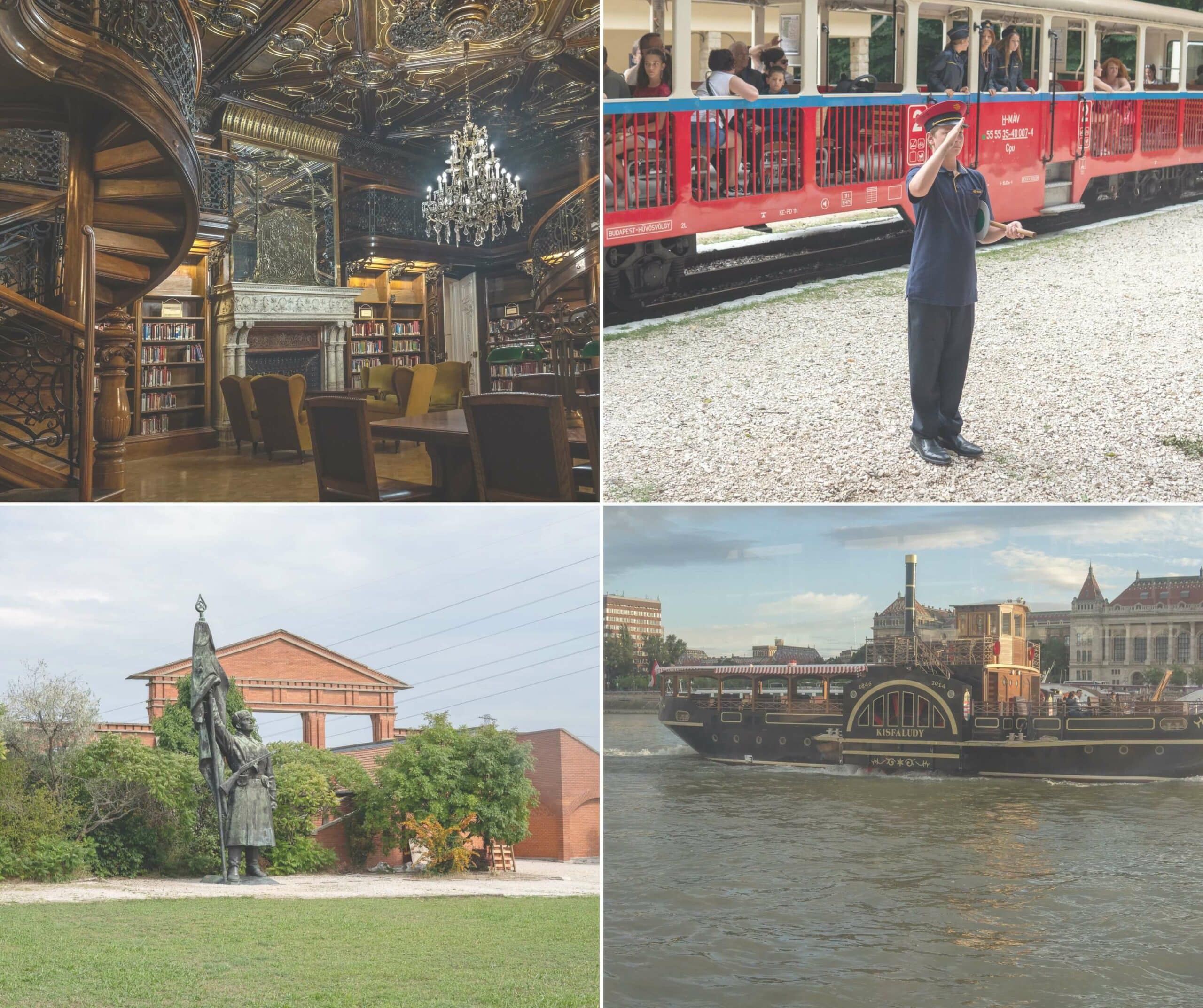
Budapest is one of those cities that ruins you, in the best way possible. It has the audacity to be beautiful, chaotic, affordable, and delicious all at the same time.
Most people arrive with a list. Thermal baths. Ruin bars. Parliament at sunset. Chimney cake, obviously, because you will be physically unable to walk past a kürtőskalács stand without buying one. I don’t make the rules. That list exists for a reason, and you should absolutely do all of it. But the best of Budapest isn’t on any top ten list. You have to go looking for it.
My favorite hidden gems in Budapest include a World War II hospital built inside a rock, a library hiding a palace on its fourth floor, a railway run by children, a church in a cave. Also, there is a spa where you soak next to an unlimited beer tap. This guide covers 60 of them, collected over multiple visits, with addresses and practical tips for each one.
Whether it’s your first trip or your fifth, this is the side of Budapest you’ll want to experience.
Hidden Gems in Budapest Map
Here’s every hidden gem in this guide on one map, color-coded by category, so you can see what’s near you. Click any pin for the name and address, and hit the star at the top of the map to save it to your own Google Maps, so it’s on your phone when you need it.
Planning a trip to Budapest? Check out these articles!
10 Fun Pub Crawls in Budapest
8 Wonderful Cooking Classes in Budapest
Historical Hidden Gems in Budapest
Wander Through the Most Beautiful Library
The Metropolitan Ervin Szabó Library | Address: Budapest, Reviczky u. 1, 1088 Hungary
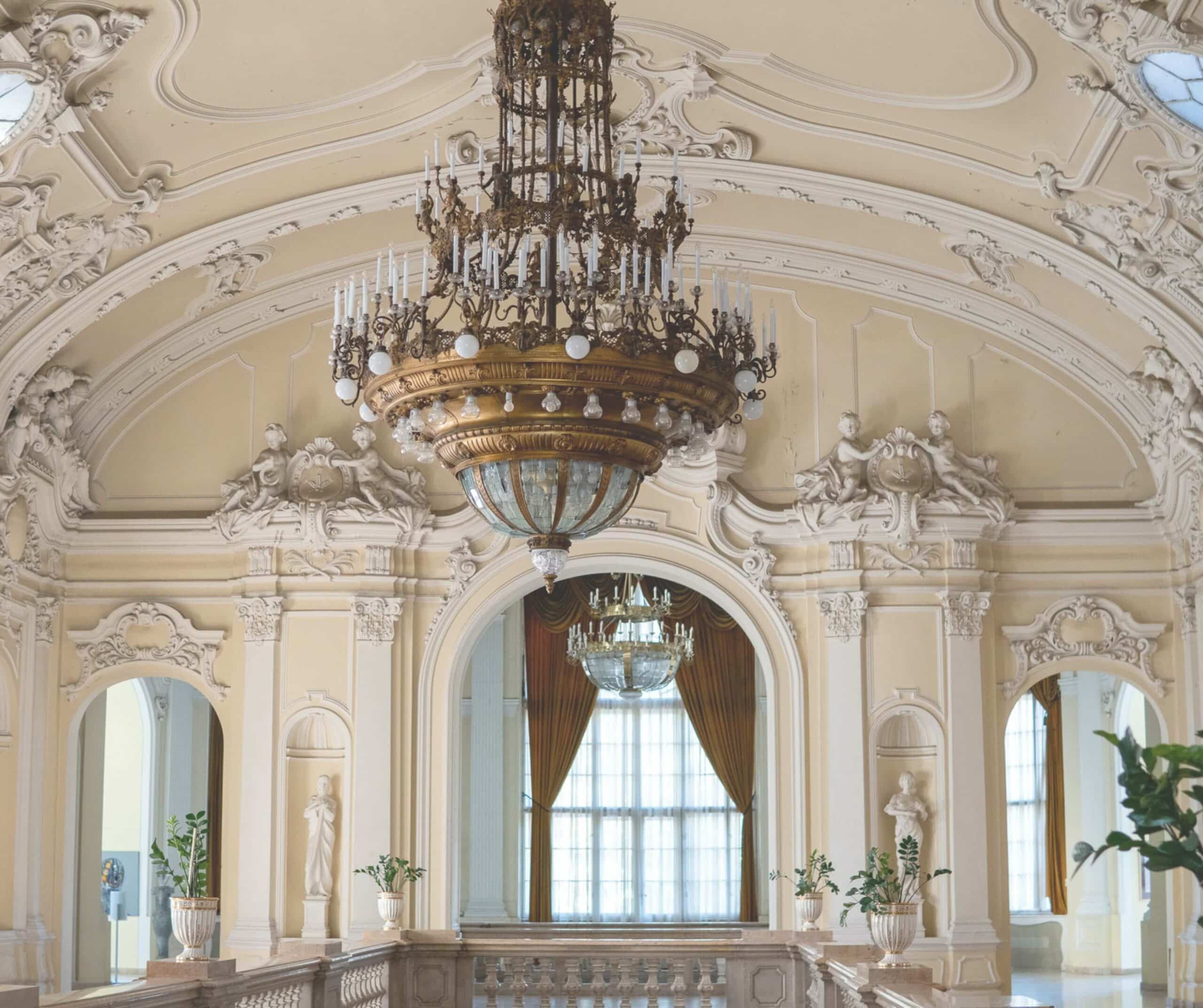
The Metropolitan Ervin Szabó Library is a working public library in Budapest with a secret on its fourth floor: the preserved rooms of a nineteenth-century palace, where anyone can sit and read surrounded by gilt and crystal chandeliers. To be honest, it feels almost too beautiful to be real. Walk in at street level and it looks like any standard municipal library. Head upstairs and you’re in the Wenckheim Palace.
The palace was built in 1887 for Count Frigyes Wenckheim and his wife, Countess Krisztina, at the height of the Austro-Hungarian Empire. The finished residence had 48 rooms, including ornate ballrooms, salons, private boudoirs, and dining rooms, and the Wenckheims were known for throwing lavish parties and charity events there.
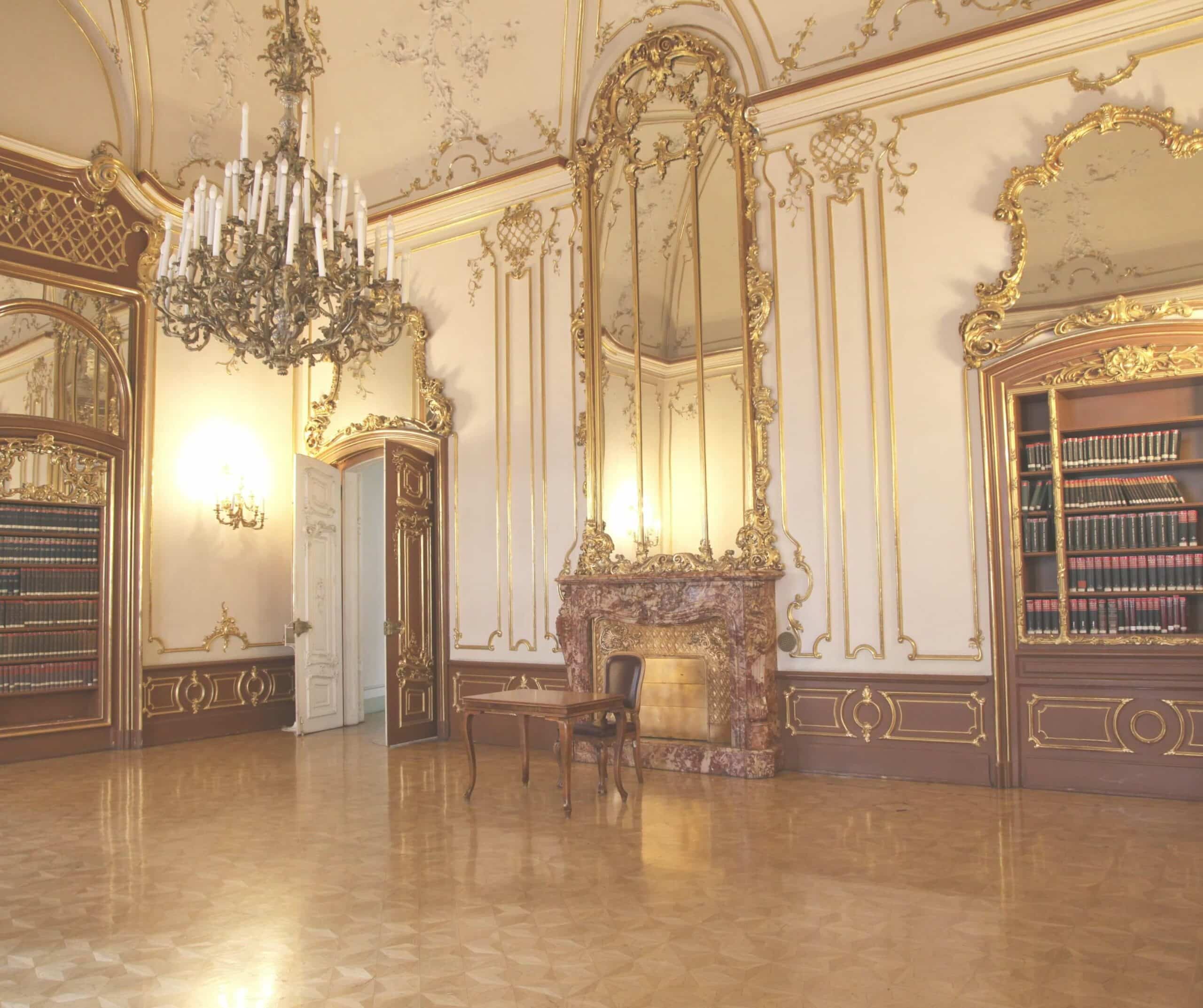
Its time as a family home was brief. When Count Wenckheim died in 1912, he left no heirs. The building went through some hard years, including occupation by the Romanian army, before returning to the family by 1920. They put it up for sale in 1926, and Budapest’s City Council bought it the following year to convert into a public library. Four years of construction followed, and it opened as a library in 1931, named after Ervin Szabó, a Hungarian social scientist who had directed the city’s Metropolitan Library from 1911 until his death.
I kept expecting someone to tell me I couldn’t sit down. But no, this is just a normal day here. Students sprawled in velvet armchairs under crystal chandeliers, cramming for exams. Readers curled up in furniture that looked like it belonged in a museum, surrounded by gold frames and wood paneling. My favorite part was the stunning wooden spiral staircase that climbs to an upper level lined with shelves of old books.
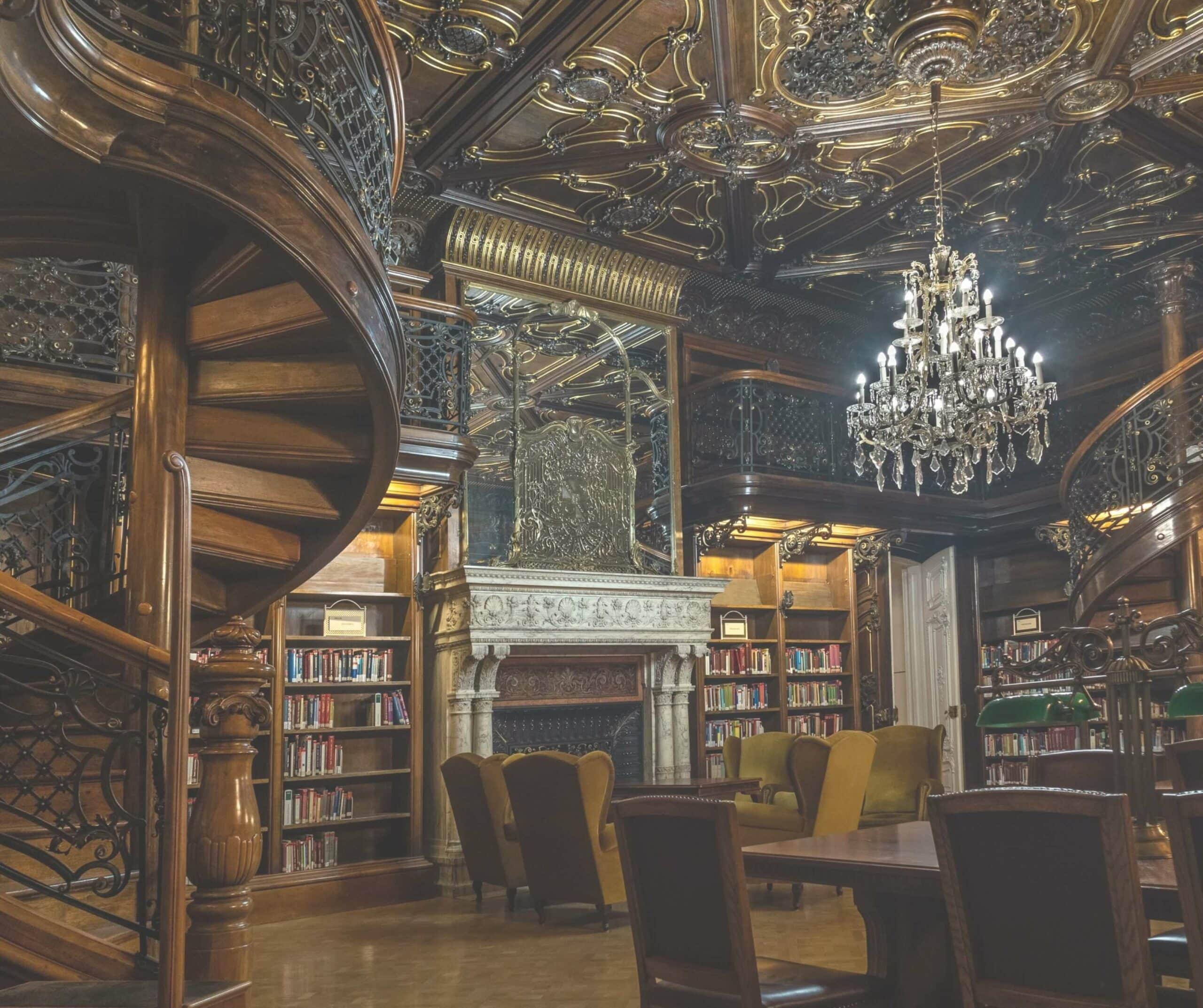
Here’s what you need to know before you go. Budapest residents and students can become members and use the library for free. For everyone else there’s a small daily fee, currently around 2,000 Hungarian forints (roughly five US dollars), and the ticket is good for the whole day. Enter from Reviczky Street and buy your ticket at the desk. You’ll need to check coats and large bags at the free coat check, which is required, and lockers are available too. Show your ticket at the control area, then take the spiral staircase or elevator up to the fourth floor to explore the palace rooms.
I think this is one of the most beautiful libraries in the world, and it’s absolutely worth a visit.
Visit a Stunning Castle in the Middle of the City
Vajdahunyad Castle | Address: Budapest, Vajdahunyad stny., 1146 Hungary
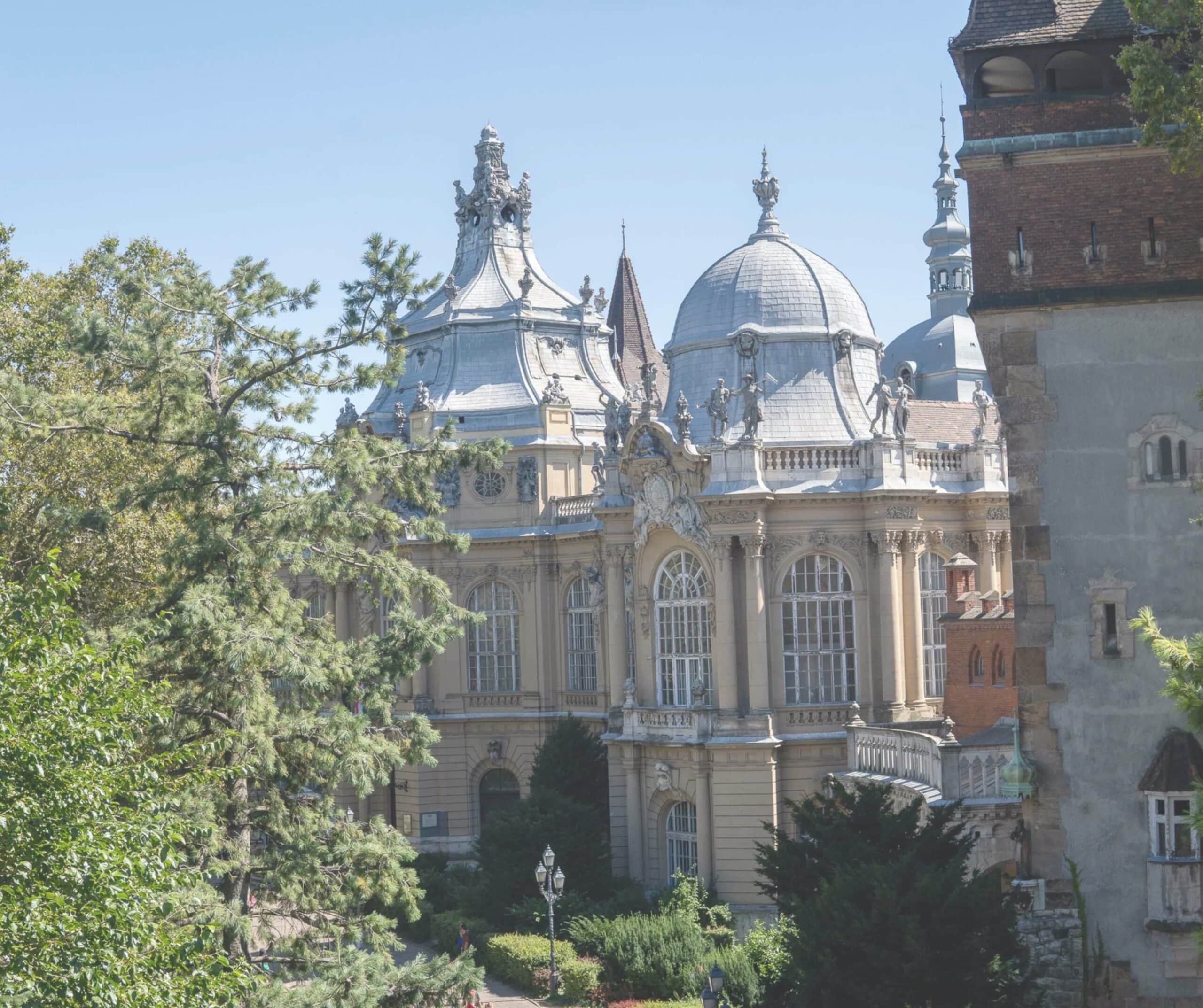
Vajdahunyad Castle is one of Budapest’s prettiest buildings, and it sits right in the heart of City Park. It started life in 1896 as a temporary pavilion for Hungary’s Millennium Celebration, which marked a thousand years since the Magyar tribes settled in the Carpathian Basin. The original was built from cardboard and wood and meant to be torn down once the party ended, but it was so popular the city rebuilt it in stone as a permanent structure between 1904 and 1908.
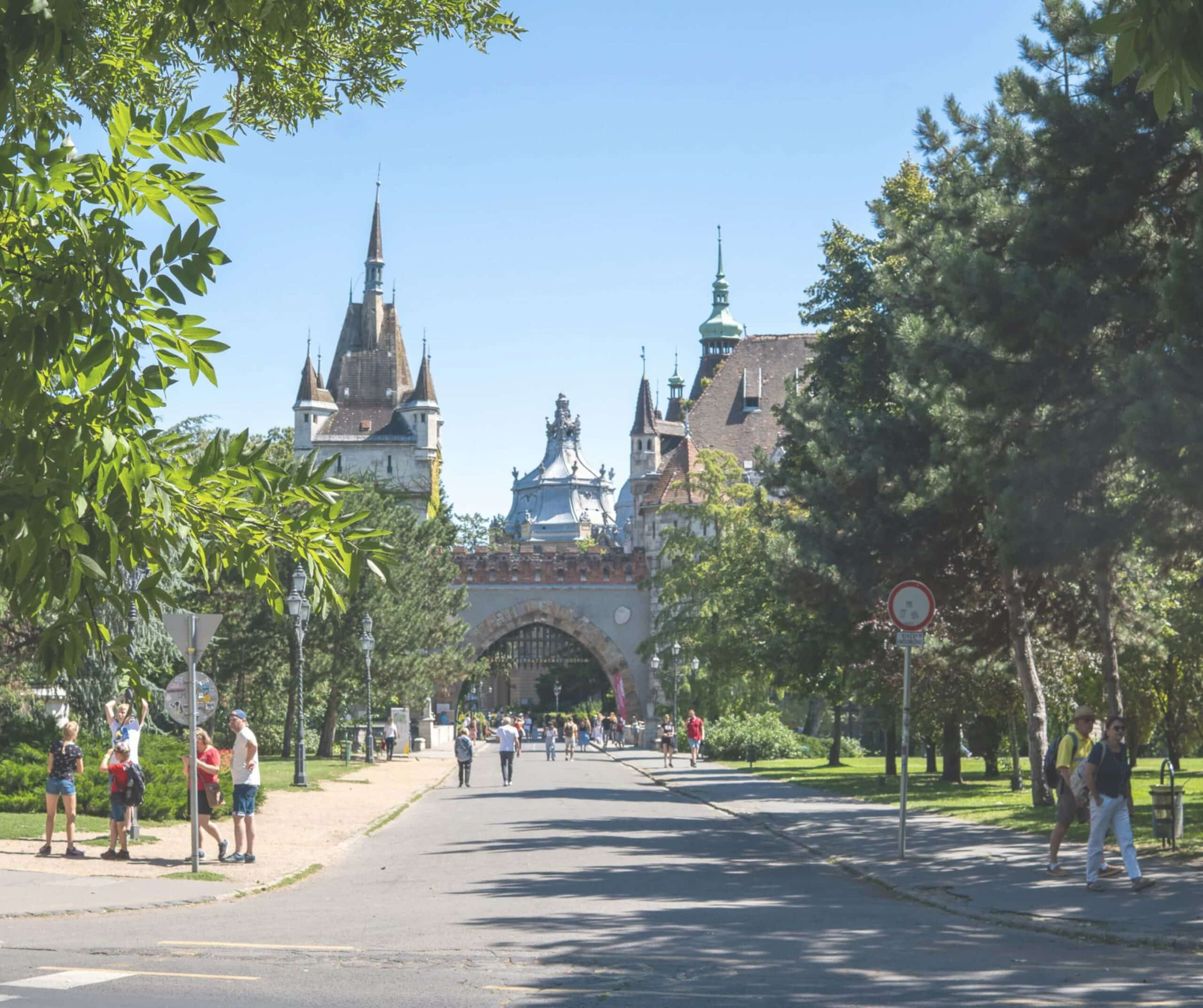
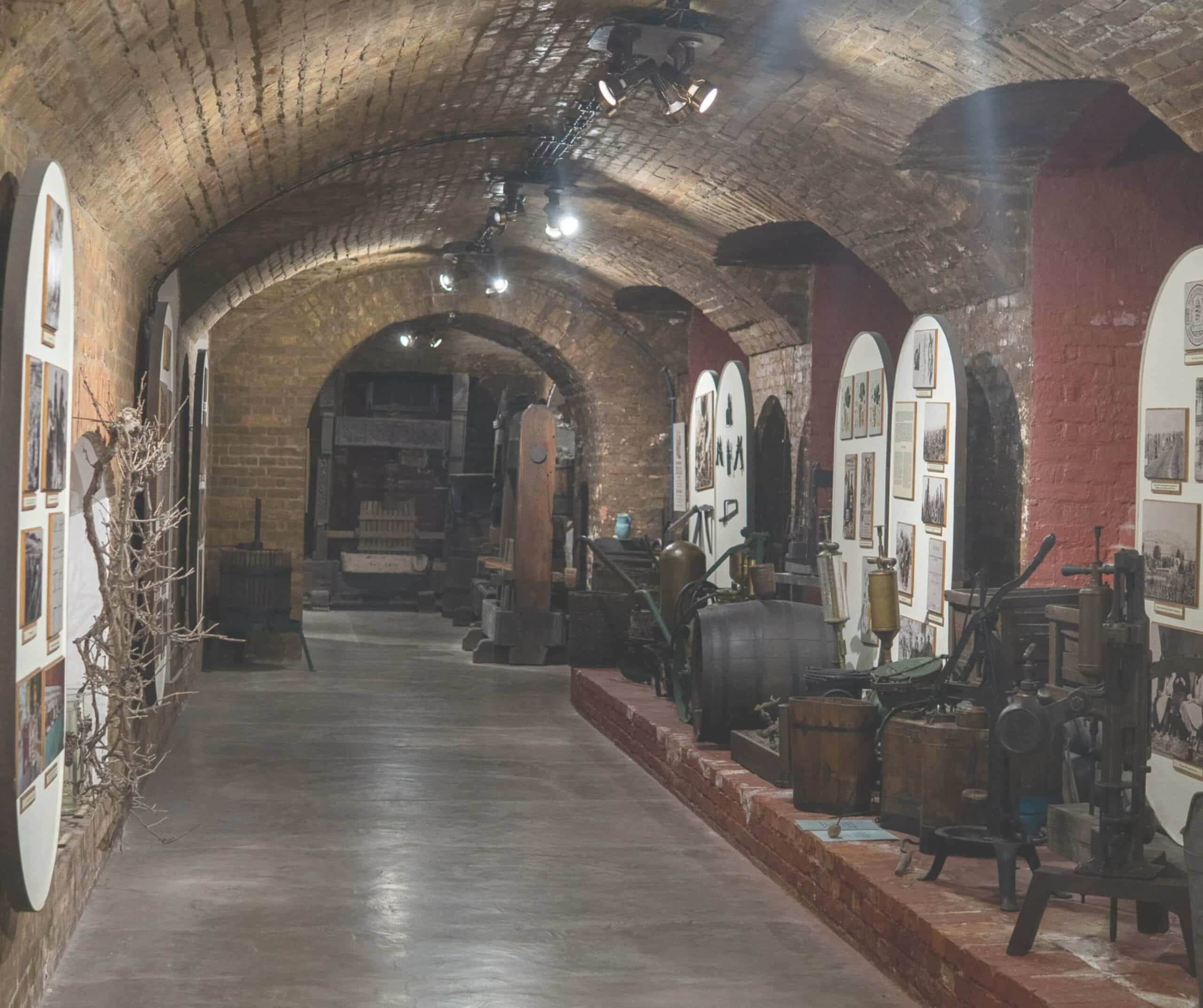
Today the castle houses the Hungarian Agricultural Museum, one of Europe’s largest collections devoted to farming, hunting, and fishing. I know how that sounds. But the building itself is worth the trip regardless, and I’ll admit the museum pulled me in too. I spent a few hours wandering around.
The rooms are beautiful, the courtyards are dreamy, and the details are everywhere. Keep an eye out for the bronze statue of Anonymous, the unnamed medieval chronicler who wrote about early Hungarian history. He’s become a bit of a lucky charm, and locals believe touching his pen brings good fortune.
There are also two towers you can climb. The Gatehouse Tower is the easier one: self-guided, open daily, and around 400 HUF. On the way up there’s a little photo exhibition about the castle’s history and a “Siege Corridor” to walk through. Don’t miss the rose window, and if you look closely, you can spot a hidden armored knight from King Matthias’ Black Army worked into the stained glass.
Then there’s the Apostles’ Tower. It’s 150 steps and guided tour only, but the tour is fascinating, and the reward at the top is a full 360-degree view of the city.
Explore a World War II Hospital in a Rock
Hospital in the Rock | Address: Budapest, Lovas út 4/c, 1012 Hungary
Hospital in the Rock is a museum built into a network of natural caves and tunnels deep beneath Castle Hill, where a secret World War II hospital and Cold War nuclear bunker have been preserved exactly as they were. Most people walking around up top have no idea it’s down there.
The caves themselves have been used for centuries, but it was during World War II that the space was first turned into a hospital, treating wounded soldiers and civilians through the worst of the fighting.
No photos are allowed, so I’ll do my best to describe it.
You wind through dimly lit corridors into rooms staged with wax figures of doctors, nurses, and patients, frozen mid-scene: performing surgery, changing bandages, lying in recovery beds. There are operating rooms with the original equipment, cramped wards lined with metal bed frames, and pharmacy shelves still stocked with medicine bottles. The conditions were grim. Doctors performed amputations by candlelight, ran short on everything from anesthesia to basic bandages, and treated far more patients than the place was ever built to hold.
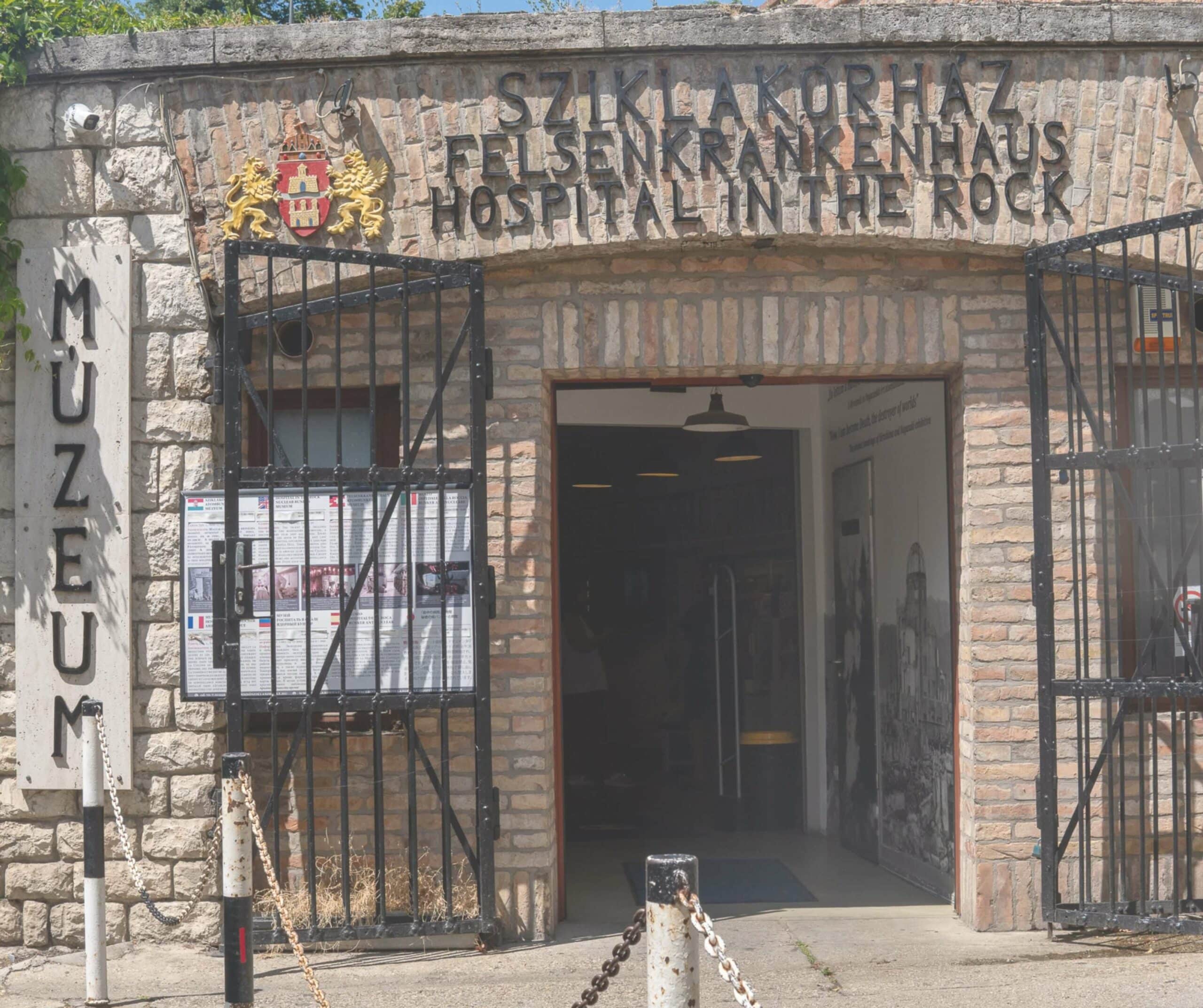
After the war, the hospital was expanded into a Cold War bunker meant to shelter several thousand people in the event of a nuclear attack, with decontamination chambers, air filtration systems, and supplies to keep people alive underground for long stretches. The whole place was kept secret from the public until 2002 and stayed on standby as an emergency facility until 2004.
You can only visit Hospital in the Rock on a guided tour, which runs about an hour. It stays cool underground year-round, so bring a light jacket.
Tickets are around $30, but make sure you check the site for current prices, and I’d book ahead, especially in peak season.
Play 100+ Old School Pinball Games
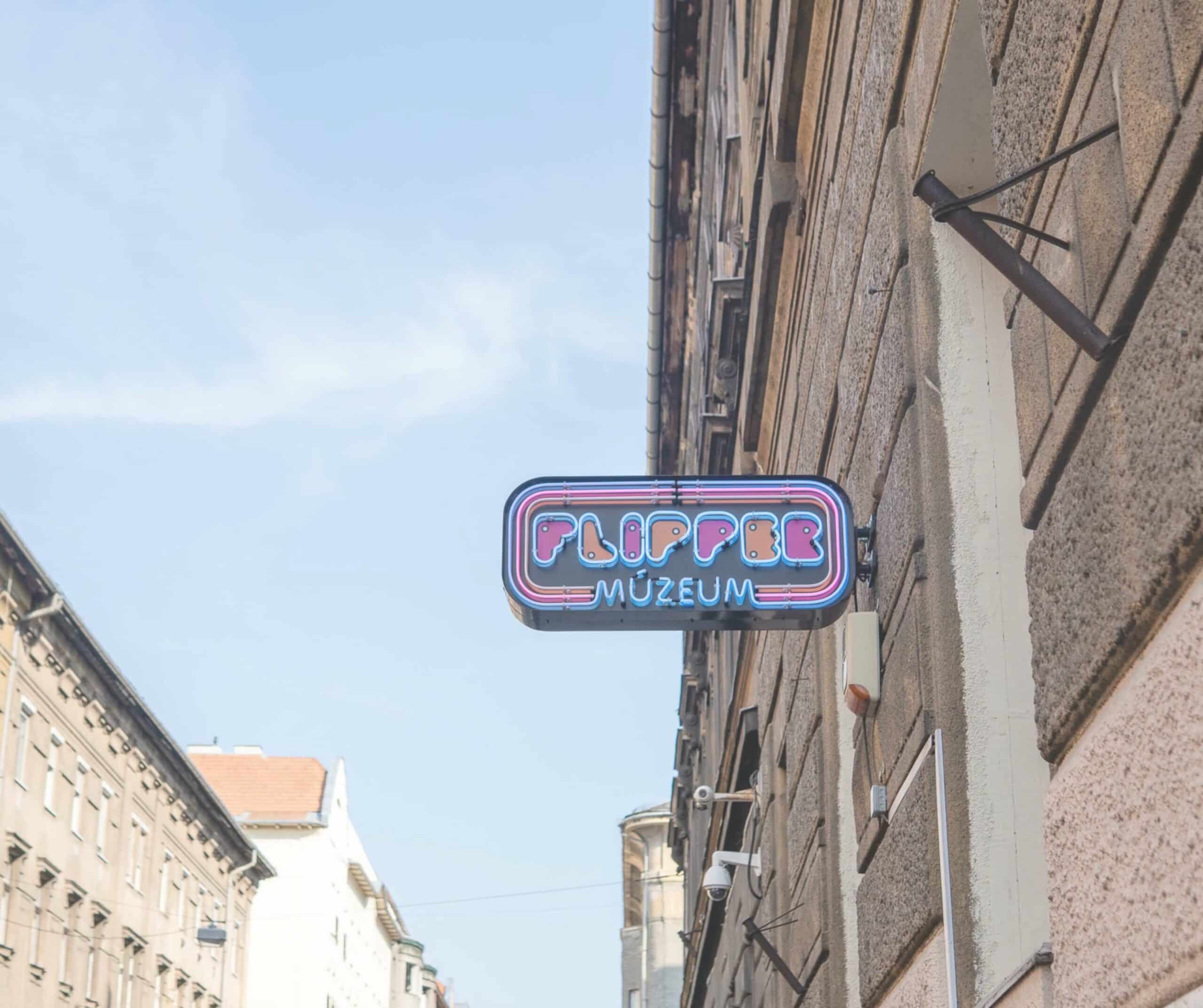
Flippermúzeum | Address: Budapest, Radnóti Miklós u. 18, 1137 Hungary
The Flippermúzeum is an interactive pinball museum in Budapest with more than 160 working machines, and a single admission fee lets you play every one of them for as long as you want. Calling it a museum almost feels misleading, because no way is playing vintage pinball educational, but hey, I’m not complaining.
The place is the brainchild of Balázs Pálfi, a lifelong pinball obsessive who grew up haunting arcades in the seventies. After years of collecting as a self-described flipper nerd, he got the license to open the exhibition in 2014.
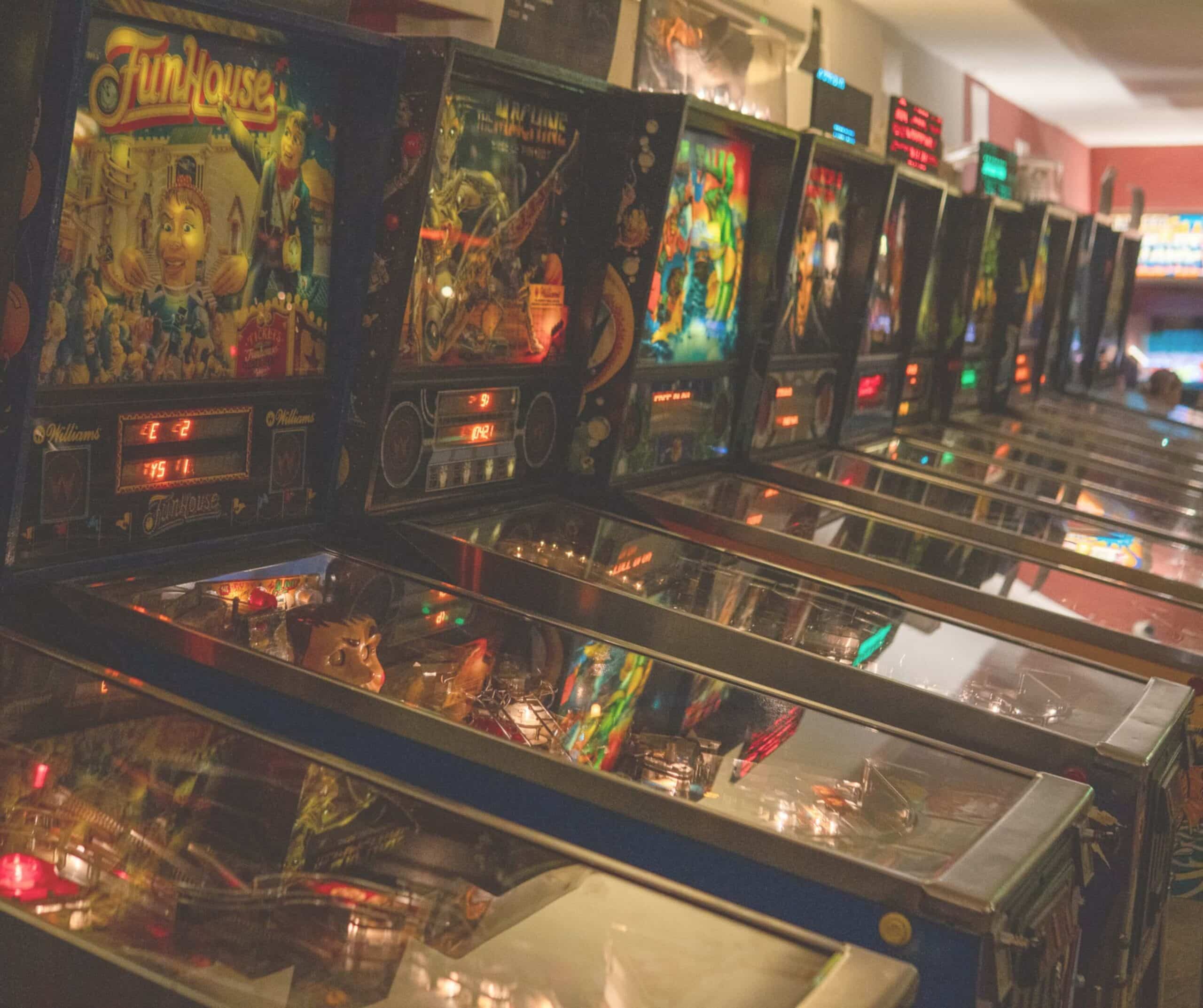
The collection is one of the largest in Europe, spanning decades: original bagatelles from the 1880s, the first flipper machines ever made back in 1947, and modern tables from recent years, plus arcade video cabinets and other oddities. And every single one is free to play once you’re in. On certain nights they stay open until midnight.
If you want to do some actual learning, each machine has a small sign with its details: the year it was built, the company that made it, the designer’s name, and how many were produced. So the educational part is there if you want it.
A few tips. Go on a weekday if you can, because evenings and weekends get packed. And hang on to your ticket, because it’s good for 24 hours, which means you can come back the next day for round two.
Visit a Church in a Cave
Gellert Hill Cave | Address: Budapest, Szent Gellért rkp. 1, 1114 Hungary
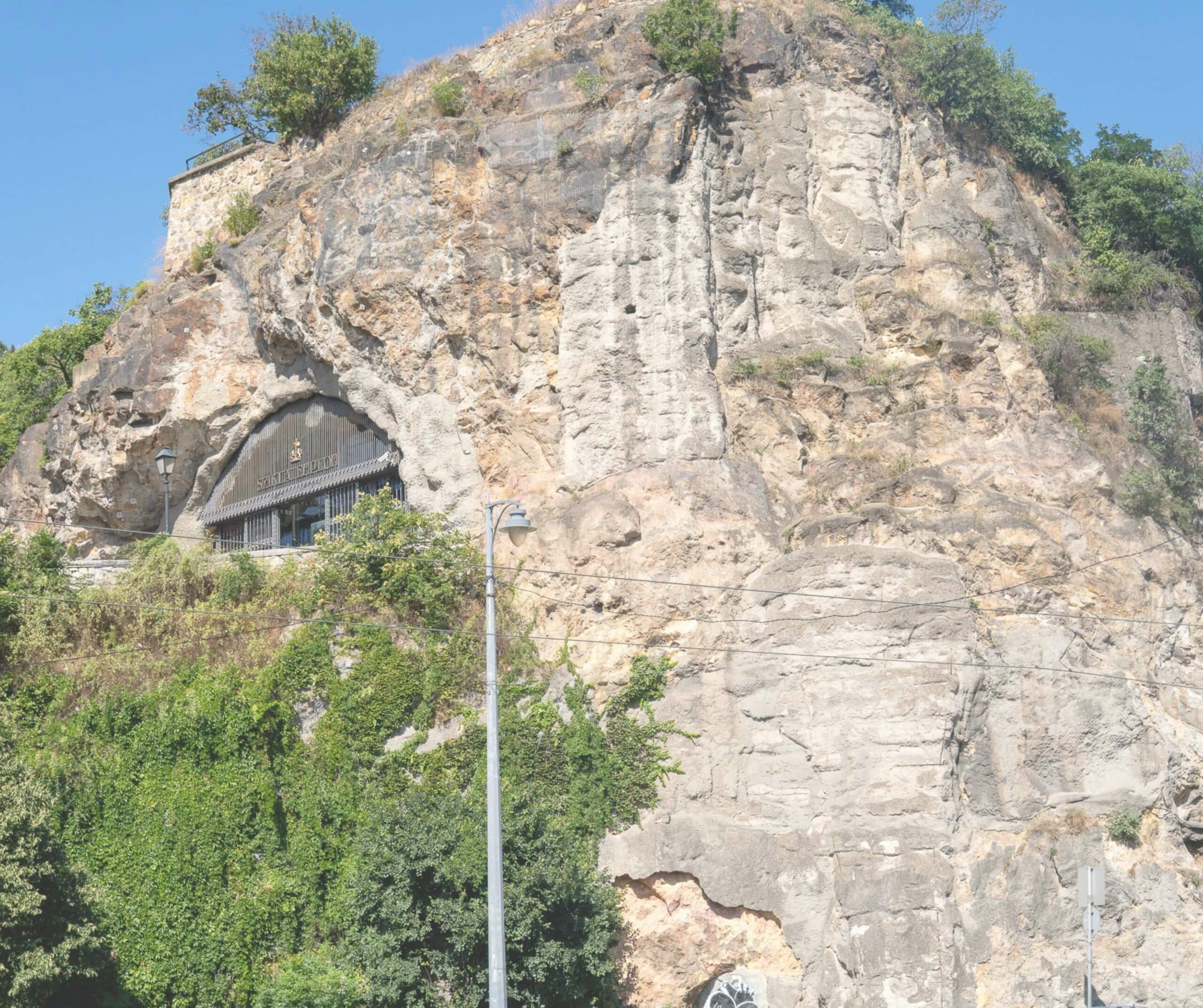
The Gellért Hill Cave Church, or Sziklatemplom, is a working church carved straight into the rock of Gellért Hill on the Buda side of the city, marked only by a small cross above the entrance. Walk past and you’d never guess there’s a chapel inside the hillside.
The cave has been here forever. In medieval times a hermit named István supposedly lived in it, using the thermal waters that bubbled up nearby to heal the sick, and those same springs eventually became the Gellért Baths just across the road.
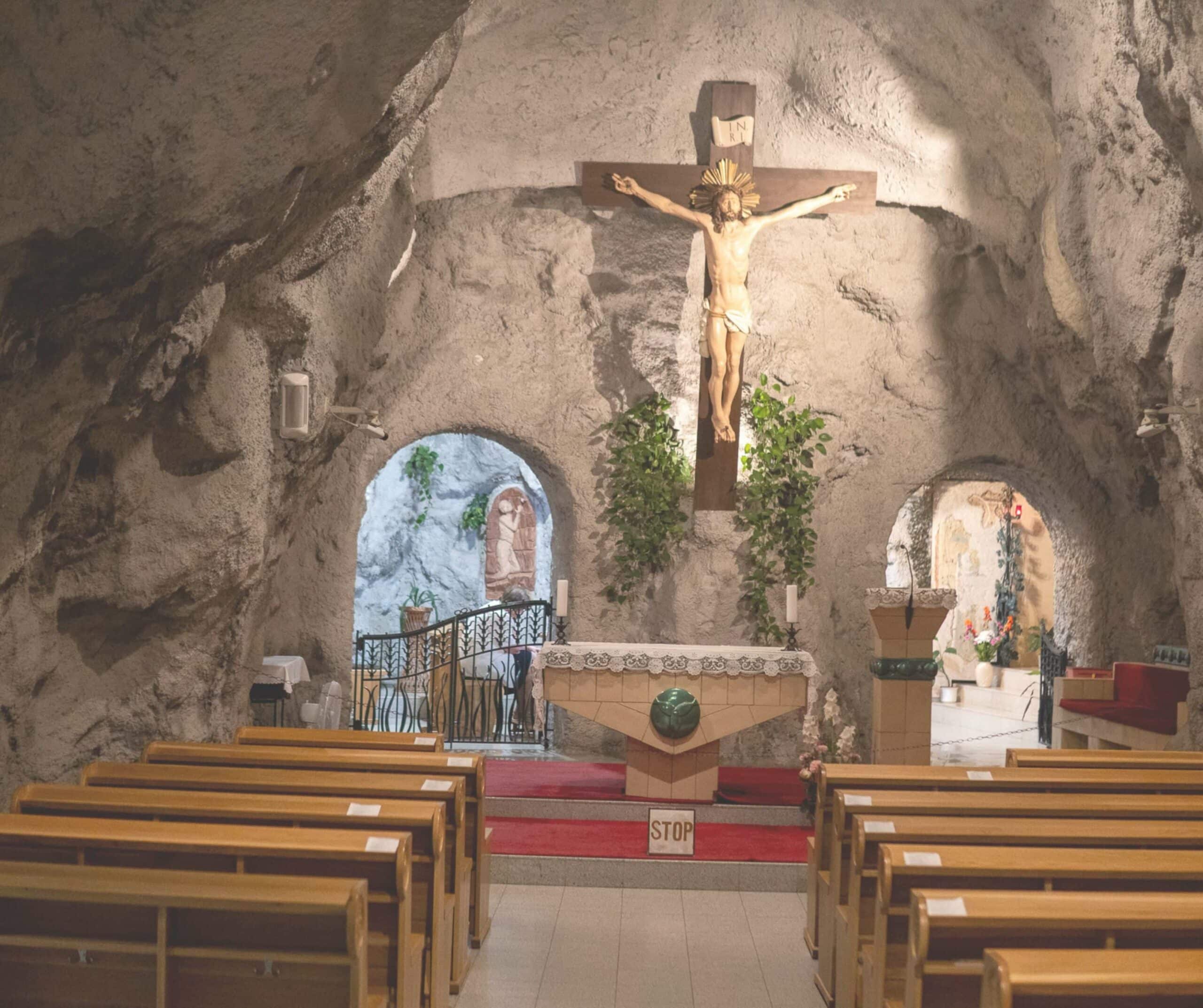
The church as it exists today dates to the 1920s, inspired by the famous Lourdes grotto in France. A group of Hungarian pilgrims came home from Lourdes wanting something similar of their own. The Pauline monks took over the cave, blasted a new entrance into the rock, and consecrated the church in 1926.
Then communism happened. In 1951 the secret police raided the church, arrested the monks, and sealed the entrance behind a wall of solid concrete. The head of the order, Ferenc Vezér, was executed after a show trial, and the rest of the monks were sent to prison or labor camps. The cave sat sealed for nearly forty years.
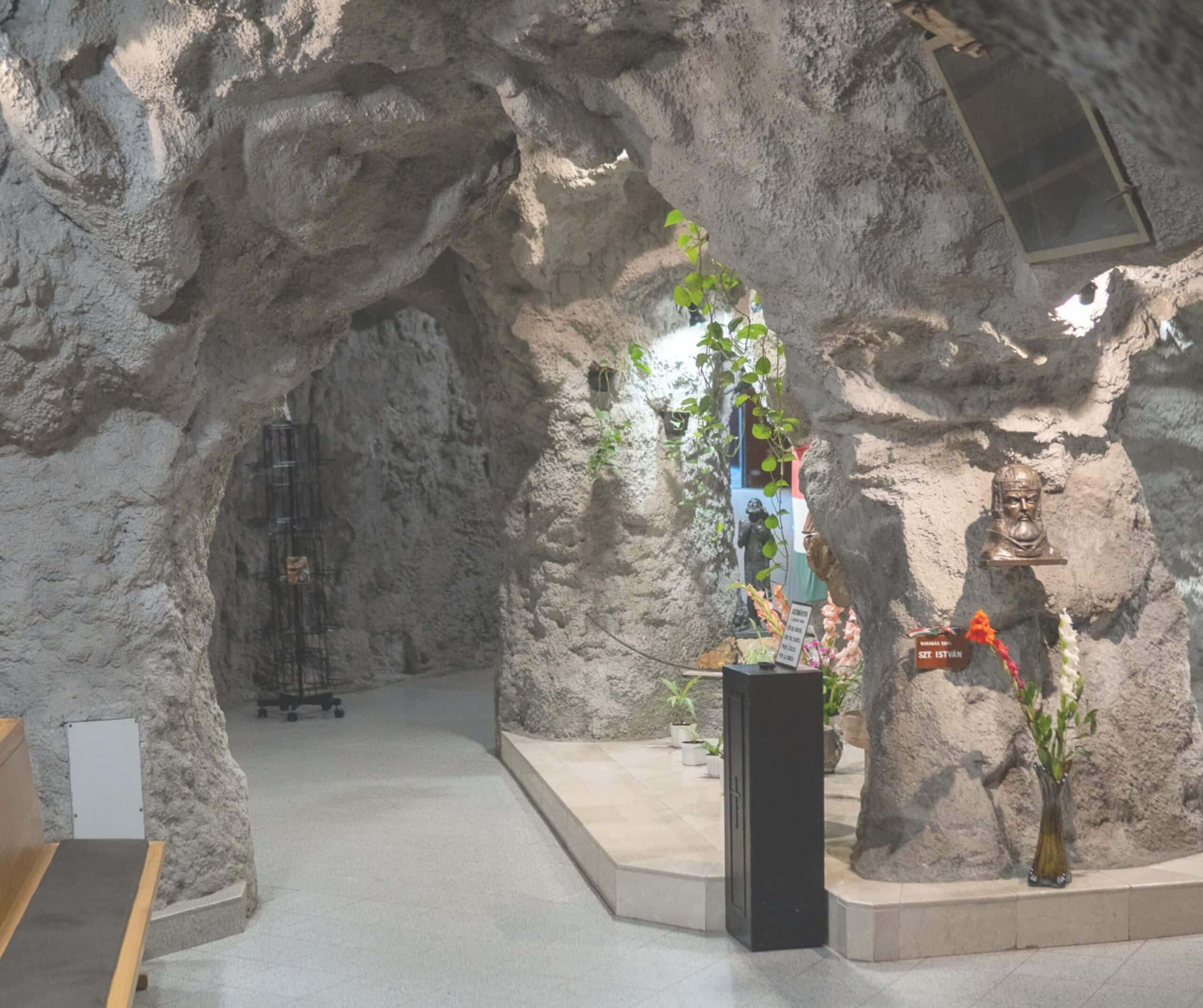
When communism fell, the concrete wall came down and the Pauline monks returned. The church was reconsecrated and has been open ever since. Only around ten monks live there today, but it’s still fully functioning, with services held three times a day.
Inside you’ll find a replica of the Black Madonna of Częstochowa, a set of stunning hand-carved wooden statues in one of the inner rooms (the work of a Transylvanian woodcarver who spent ten years on them and then gifted them to the order), and a small but fascinating collection of rare Russian metal icons.
Two quick tips. Don’t go during a service, since tourists aren’t admitted while one is running. And watch the short films in the lobby before you head into the cave, it’s worth it.
Tour the Largest Synagogue in Europe
Dohany Street Synagogue | Address: Budapest, Dohány u. 2, 1074 Hungary
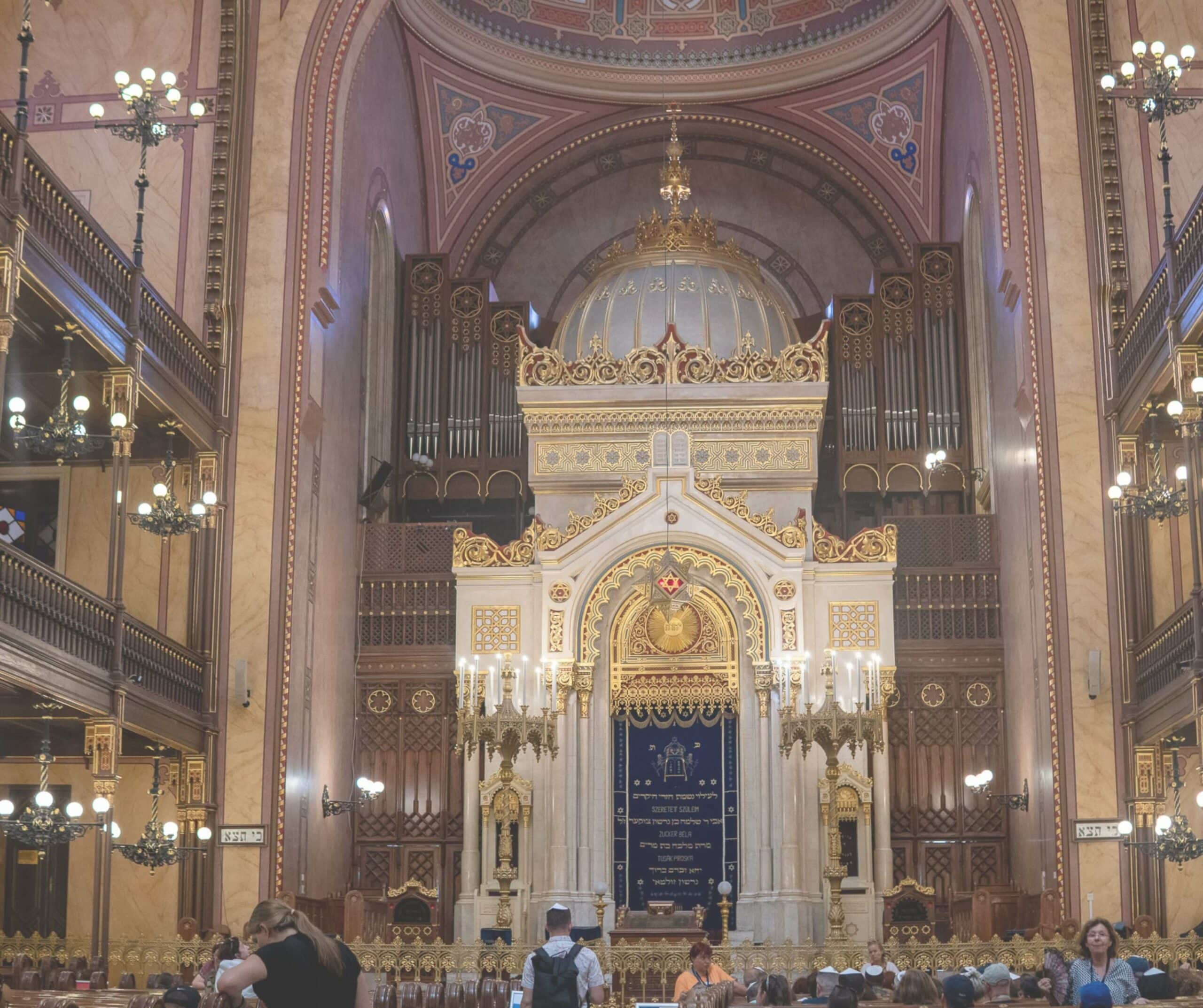
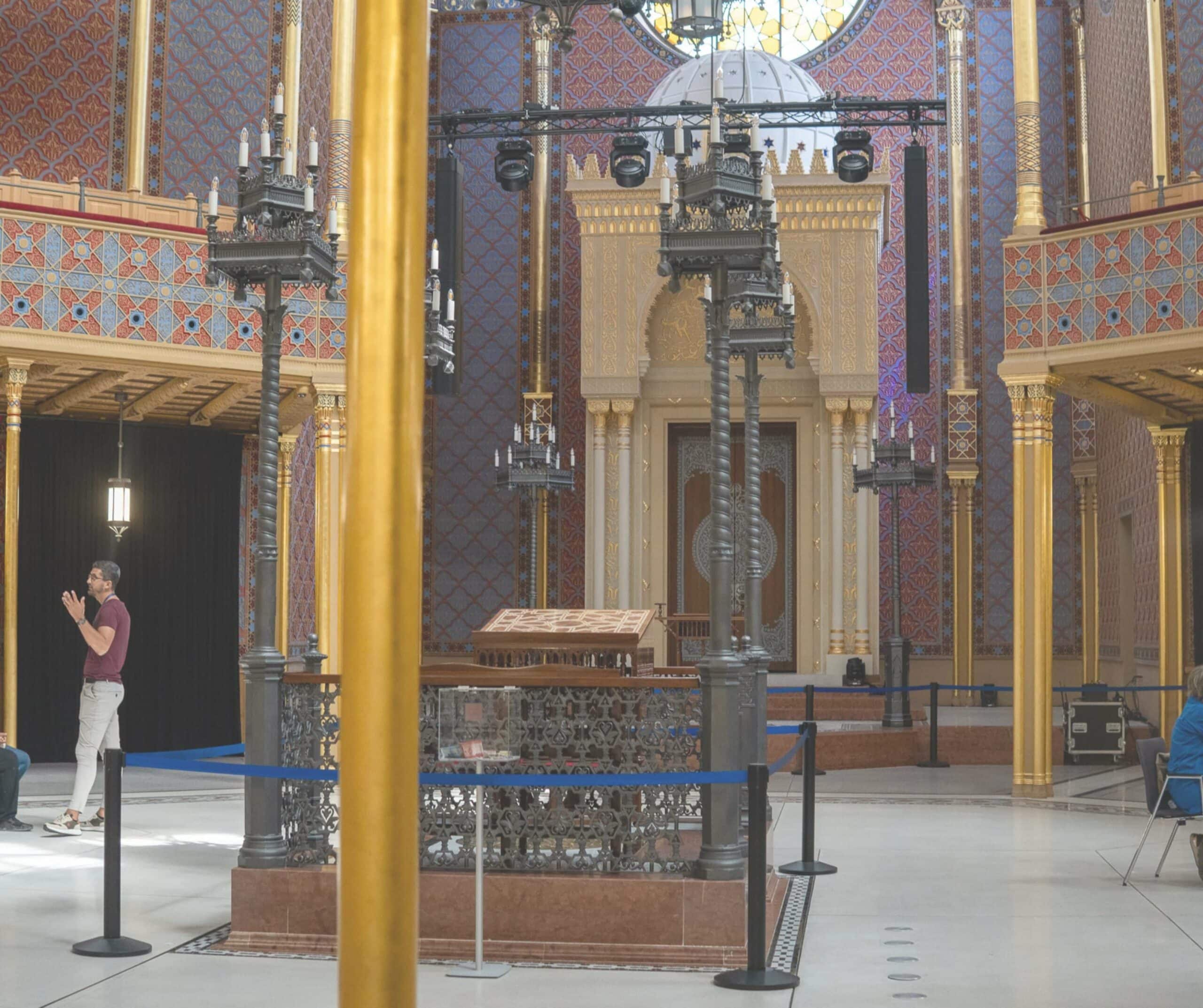
The Dohány Street Synagogue, also known as the Great Synagogue, is the largest synagogue in Europe and the second largest in the world. It sits in the heart of Budapest’s old Jewish Quarter and anchors a complex of memorials, museums, and history that’s worth setting aside real time for.
It was built between 1854 and 1859 by a Viennese architect named Ludwig Förster, who deliberately drew on Islamic and North African design, the Alhambra in Granada especially, partly because no distinctly Jewish architectural style existed at the time.
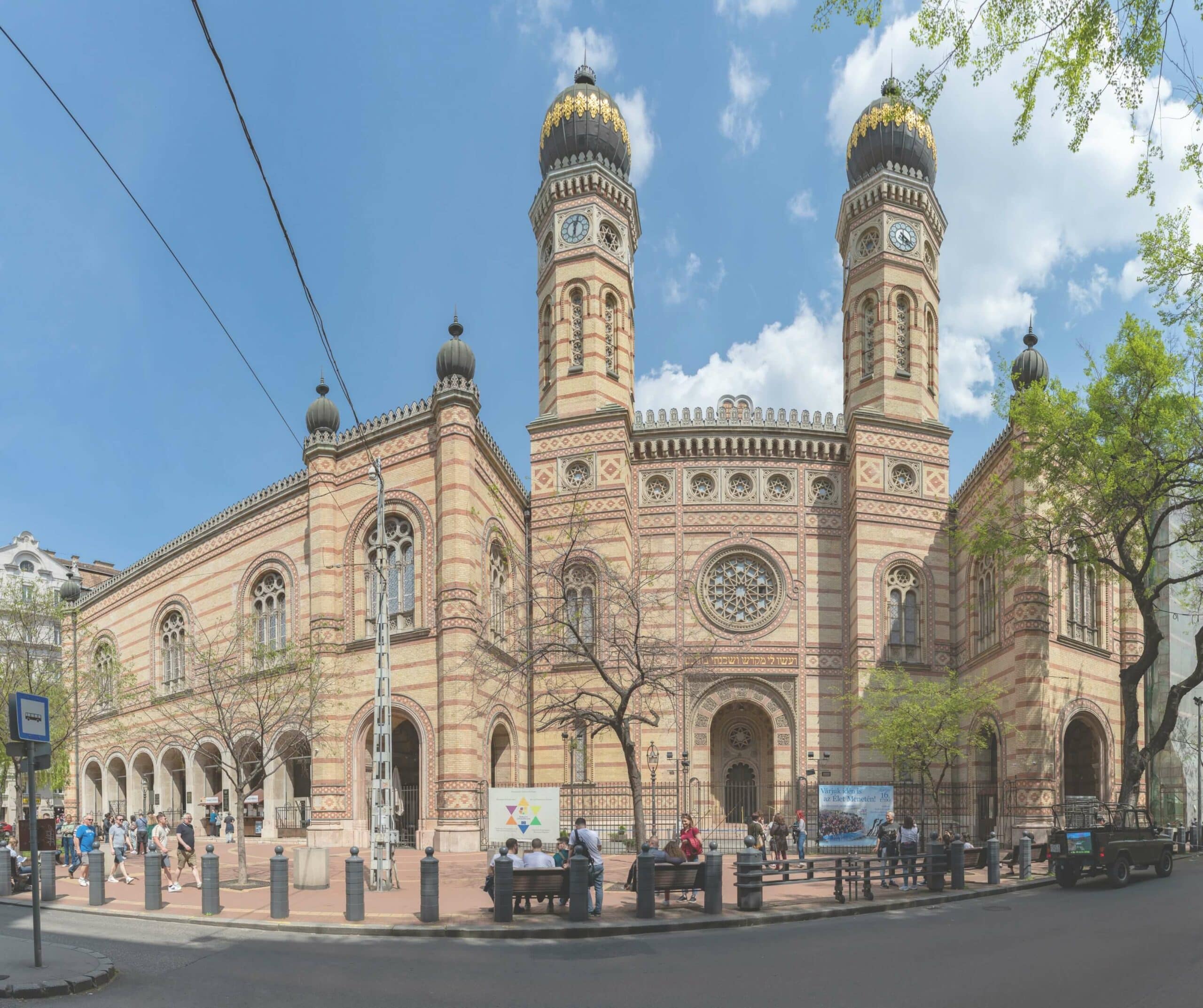
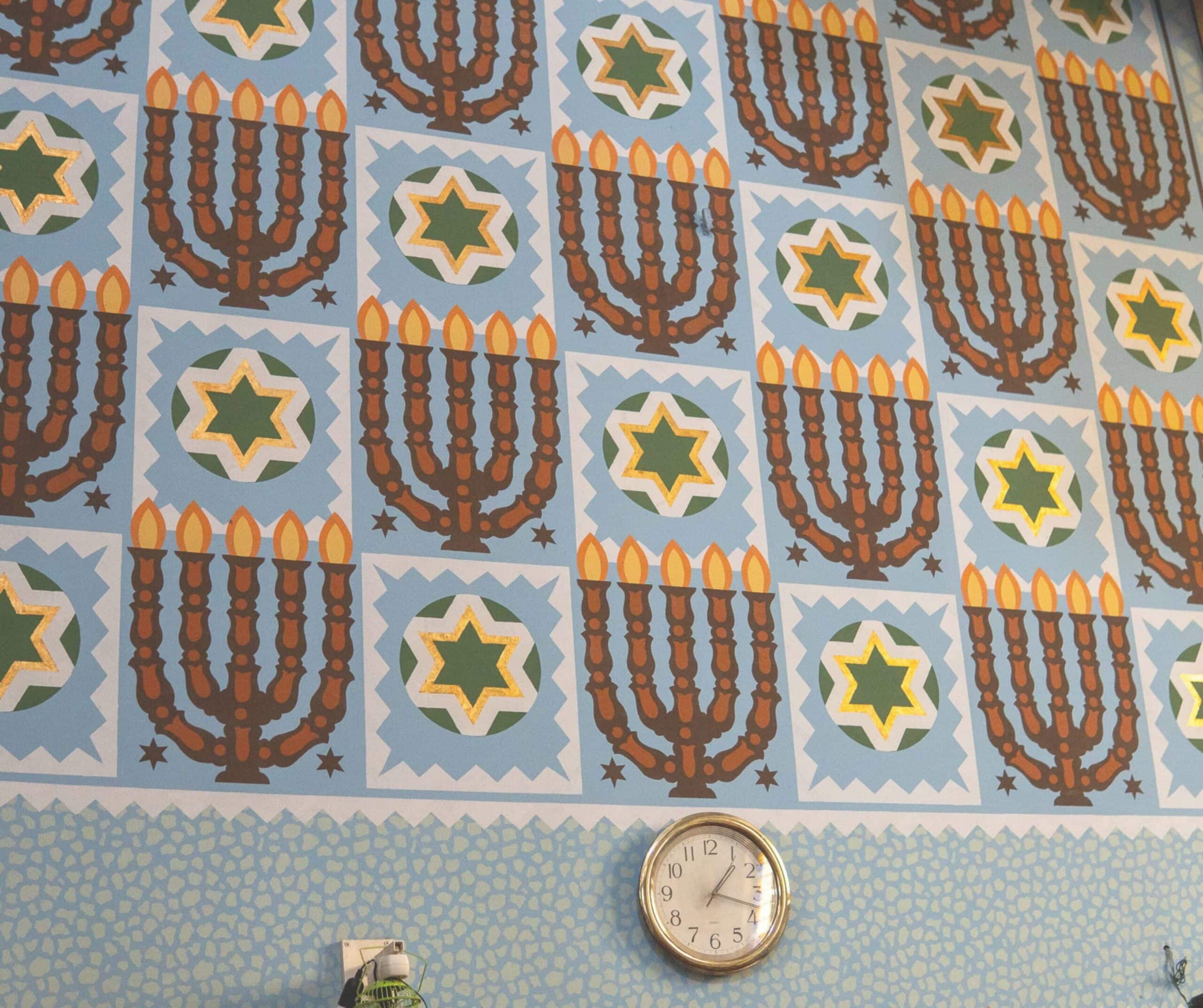
The interior is 1,200 square meters of coral reds and gold leaf, with seating for nearly 3,000 people split between the main floor and the women’s galleries above. At the center is a magnificent rose window with a Star of David motif that floods the whole space with light.
The history here is heavy. Dohány Street formed the border of the Budapest Ghetto in 1944 and 1945, and thousands of Jewish people who sheltered in and around the synagogue died during the brutal winter of that period. Their remains are buried in the courtyard, which is unusual in itself, since Jewish tradition doesn’t typically place cemeteries beside synagogues. A small section of the original ghetto wall still stands in the garden.
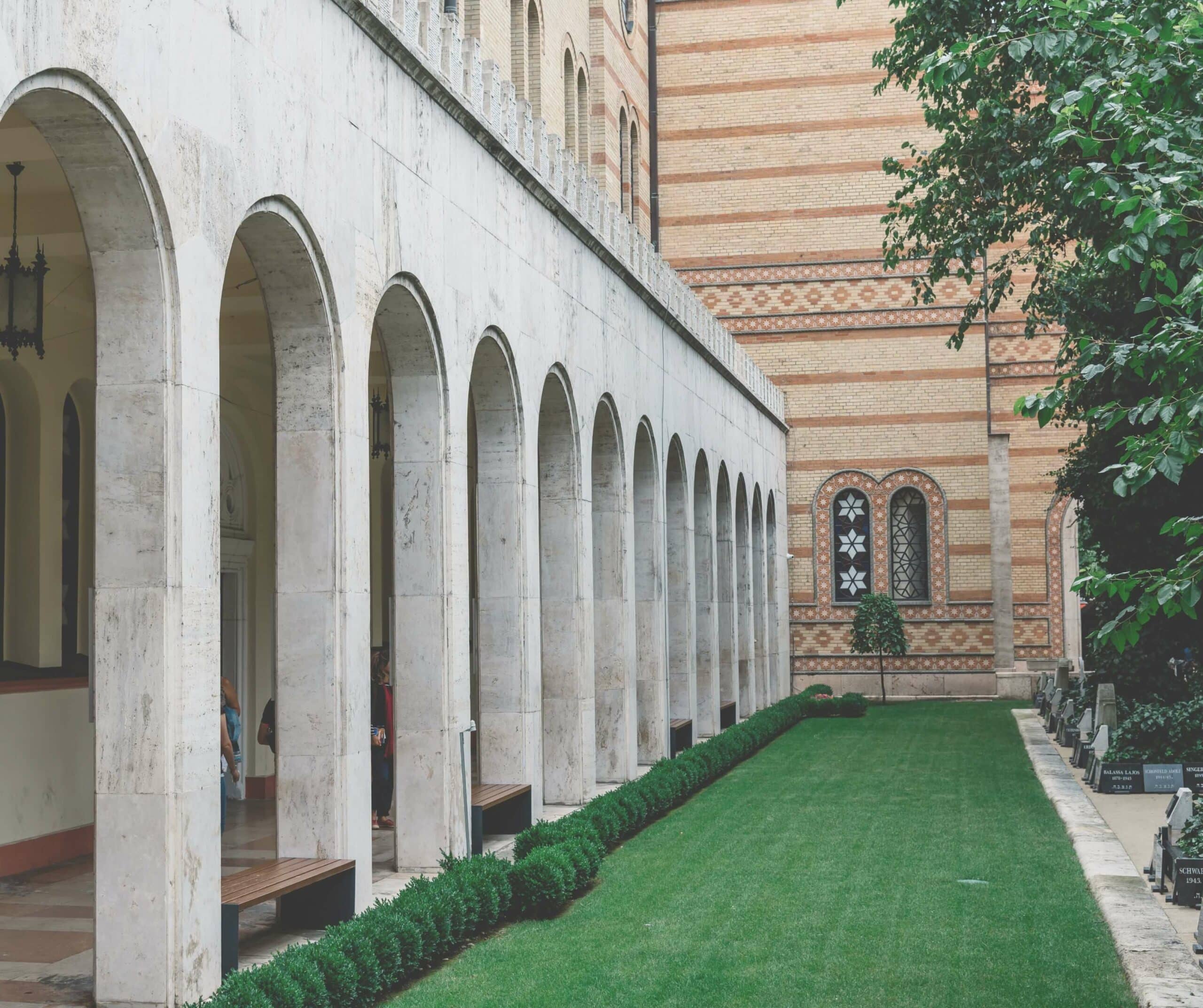
In the courtyard behind the main building is the Raoul Wallenberg Memorial Park, named for the Swedish diplomat who saved tens of thousands of Hungarian Jews during the war. Its centerpiece is the Tree of Life memorial by sculptor Imre Varga, a weeping willow made entirely of metal, with the name of a Holocaust victim engraved on each leaf.
The complex also holds the Hungarian Jewish Museum, built on the site where Theodor Herzl, the founder of modern Zionism, was born, and the Heroes’ Temple, a smaller space built in 1931 to honor the 10,000 Hungarian Jewish soldiers who died in the First World War.
A few practical things. The synagogue is still active, so it’s closed on Saturdays and Jewish holidays. Visits are guided only, with tours running every 30 to 60 minutes in several languages. Dress modestly with shoulders and knees covered, and men without their own head covering will be given a paper kippah at the entrance.
Check Out a Museum Dedicated to the First Underground Railway in Europe
Underground Railway Museum | Address: Budapest, Erzsébet tér 14, 1051 Hungary
The Millennium Underground Museum is a tiny museum tucked beneath Deák Ferenc Square station, in a decommissioned stretch of the original tunnel, dedicated entirely to the M1, the first underground railway in continental Europe. If you’ve spent any time in Budapest you’ve almost certainly ridden the M1 already, the little yellow line that trundles under Andrássy Avenue between the city center and City Park. Most people have no idea this museum is down there.
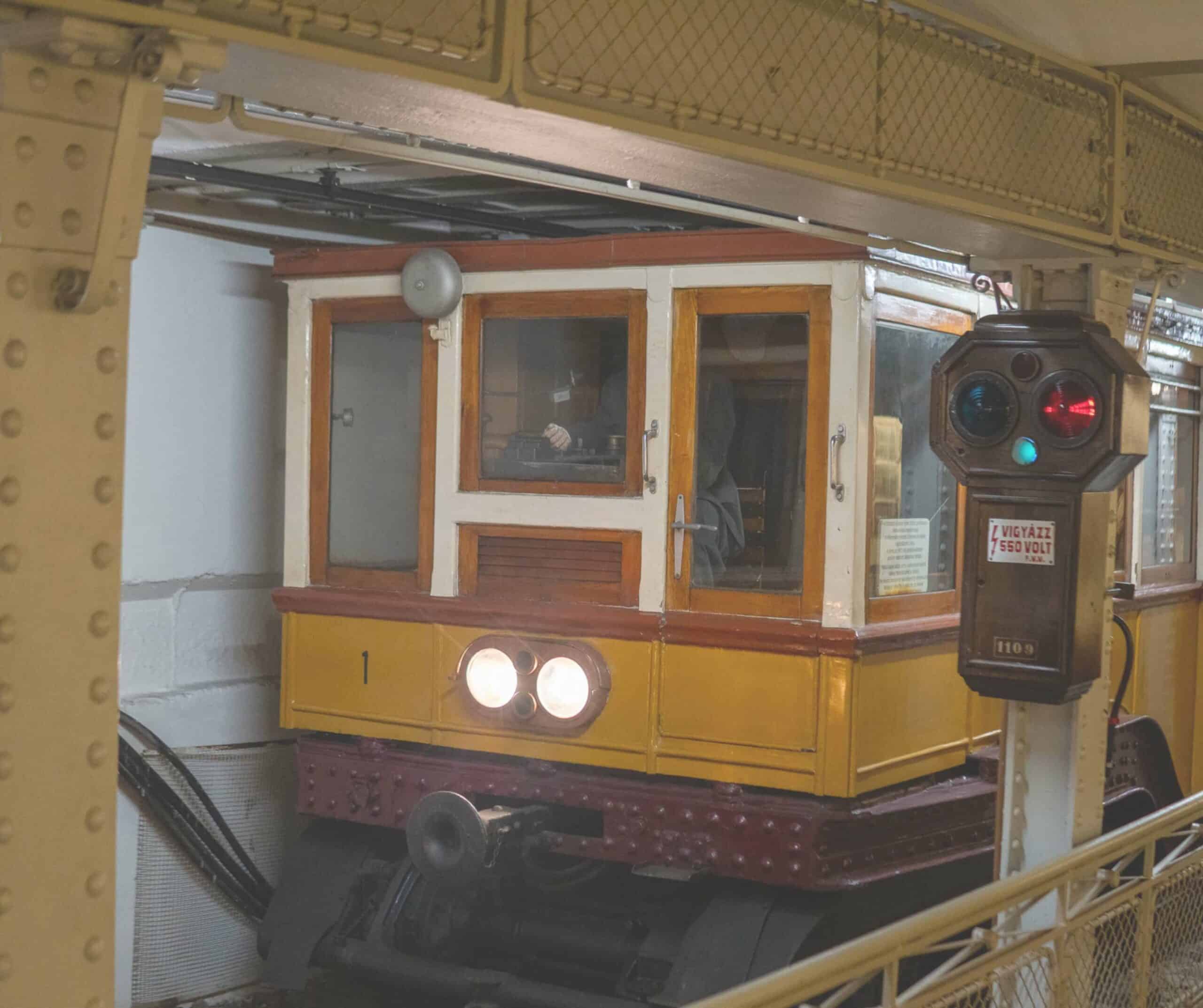
So why is the M1 such a big deal? London’s underground opened earlier, back in 1863, but it originally ran on steam. Budapest’s line, which opened on May 2, 1896, was the first to run entirely on electricity, which made it revolutionary at the time. It went on to influence early metro systems around the world, including the very first subway in the US.
The whole line came together fast. Construction started in August 1894 and had to be finished in time for Hungary’s millennium celebrations in 1896.
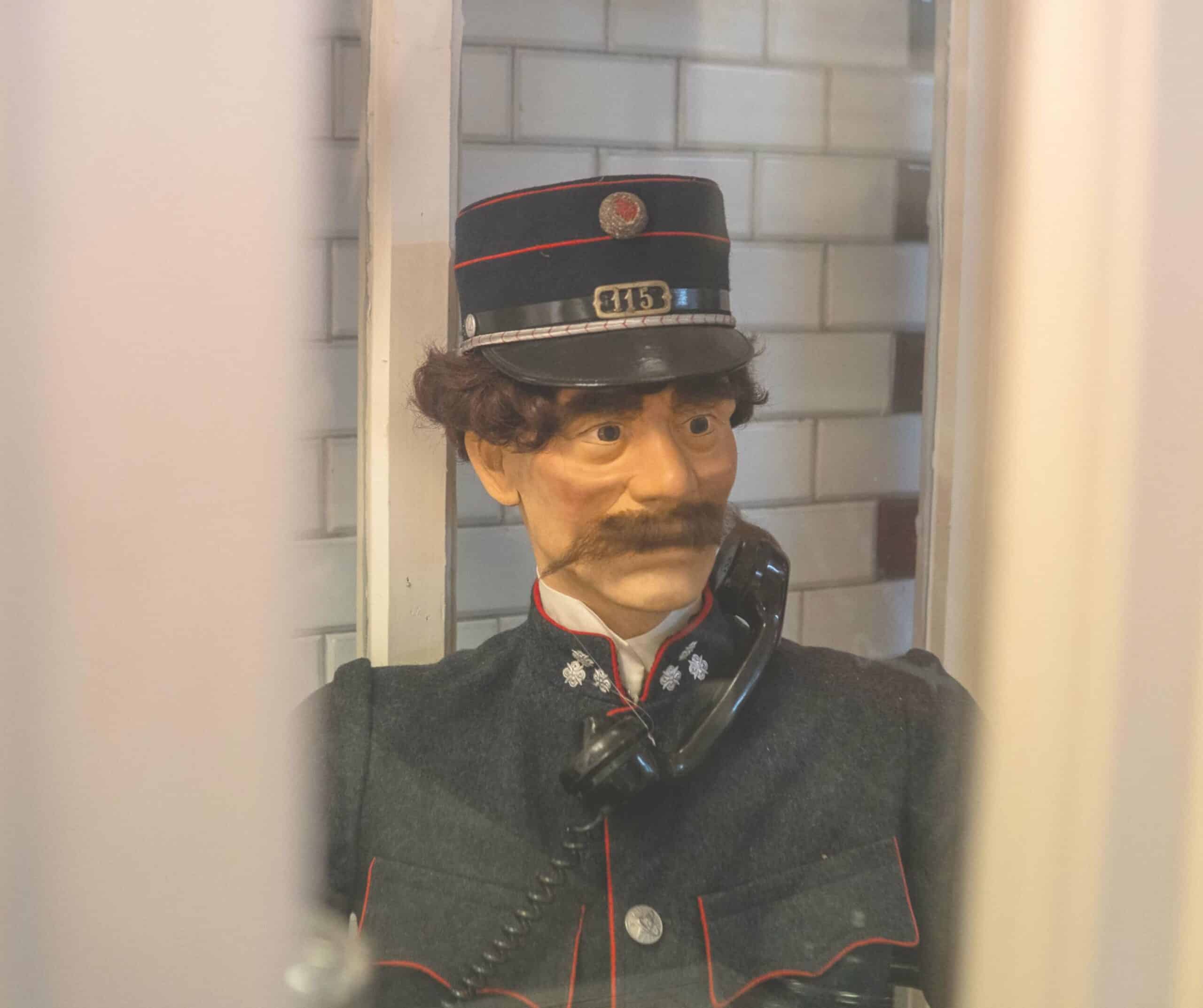
It’s small, so you can see everything in about 30 to 45 minutes. There are three original carriages on display, including cars that ran on the line until 1973. Around them you’ll find original documents, blueprints, maps, old photographs, ticket stubs, vintage advertising posters, and scale models tracing the line from construction right up to the present day. Entry is cash only, but cheap.
Learn about Budapest During Communism
Budapest Retro Élményközpont
Budapest Retro Experience Center | Address: Budapest, Október 6. u. 4, 1051 Hungary
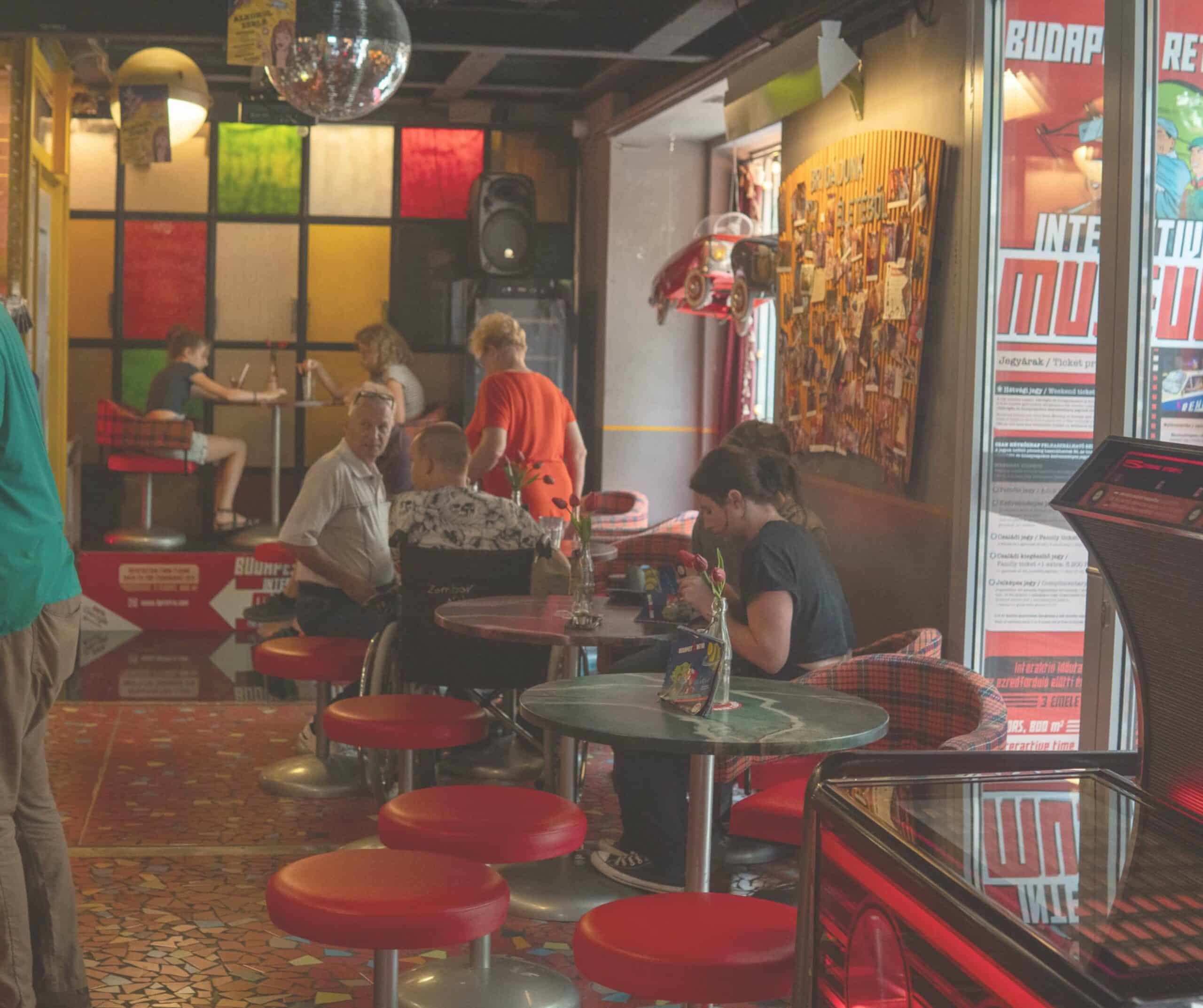
If you’ve ever wondered what everyday life in Hungary looked like during the communist era, the Budapest Retro Élményközpont, or Budapest Retro Experience Centre, is the place to find out.
It’s an interactive museum spread across three floors, and it’s dedicated entirely to Hungarian life from the 1960s through to the fall of the Iron Curtain in 1989.
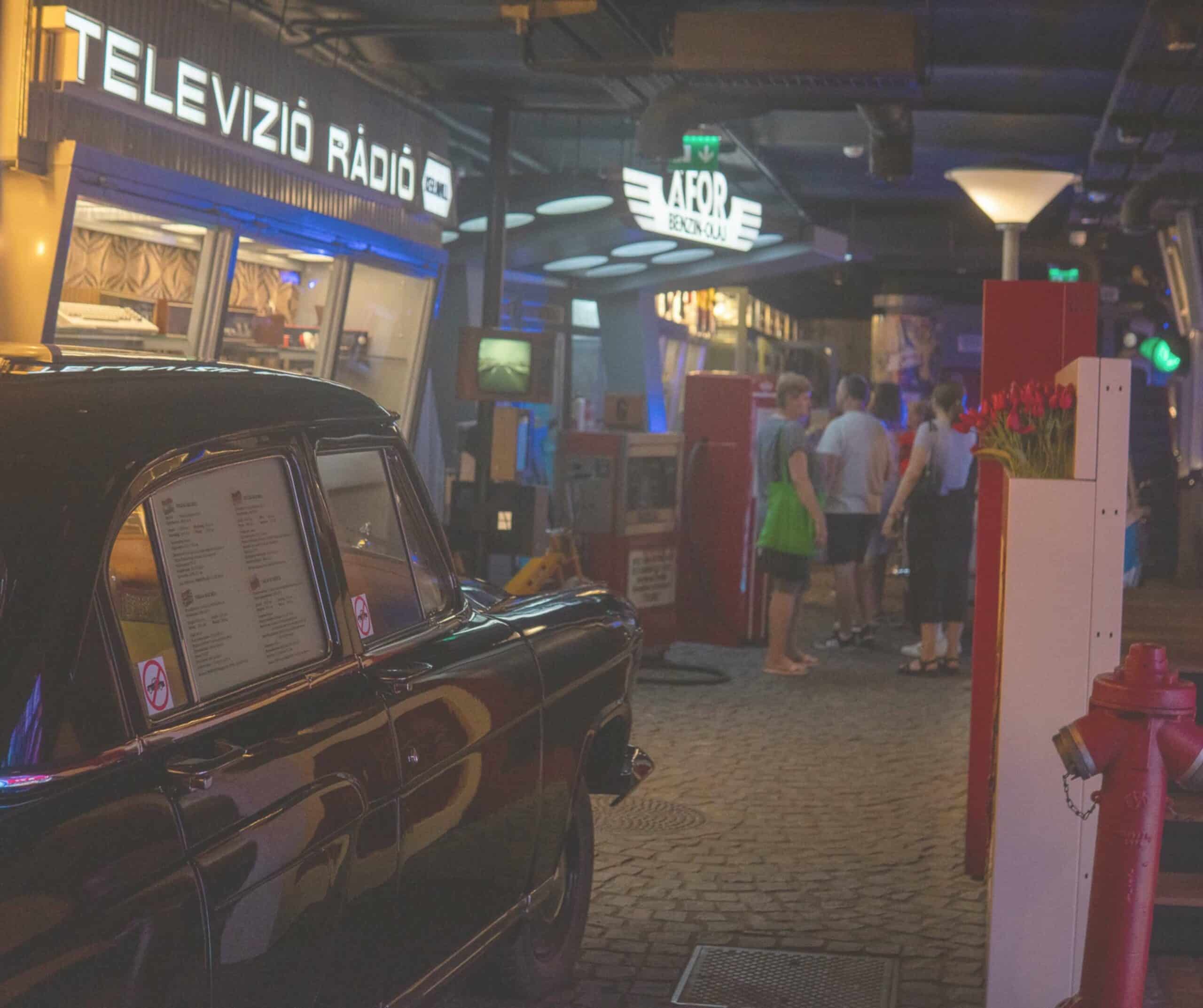
The exhibits have thousands of objects. You’ll walk through recreated rooms: a typical Hungarian living room, a kitchen, and a school classroom with the furniture, appliances, toys, propaganda posters, and everyday objects from the period.
There’s a fully functioning news studio with two TV cameras where you can sit down and read news broadcasts from that time. There are nine vintage motorcycles and three renovated Soviet-era cars on display, including a black Volga, the official vehicle of communist officialdom across Eastern Europe.
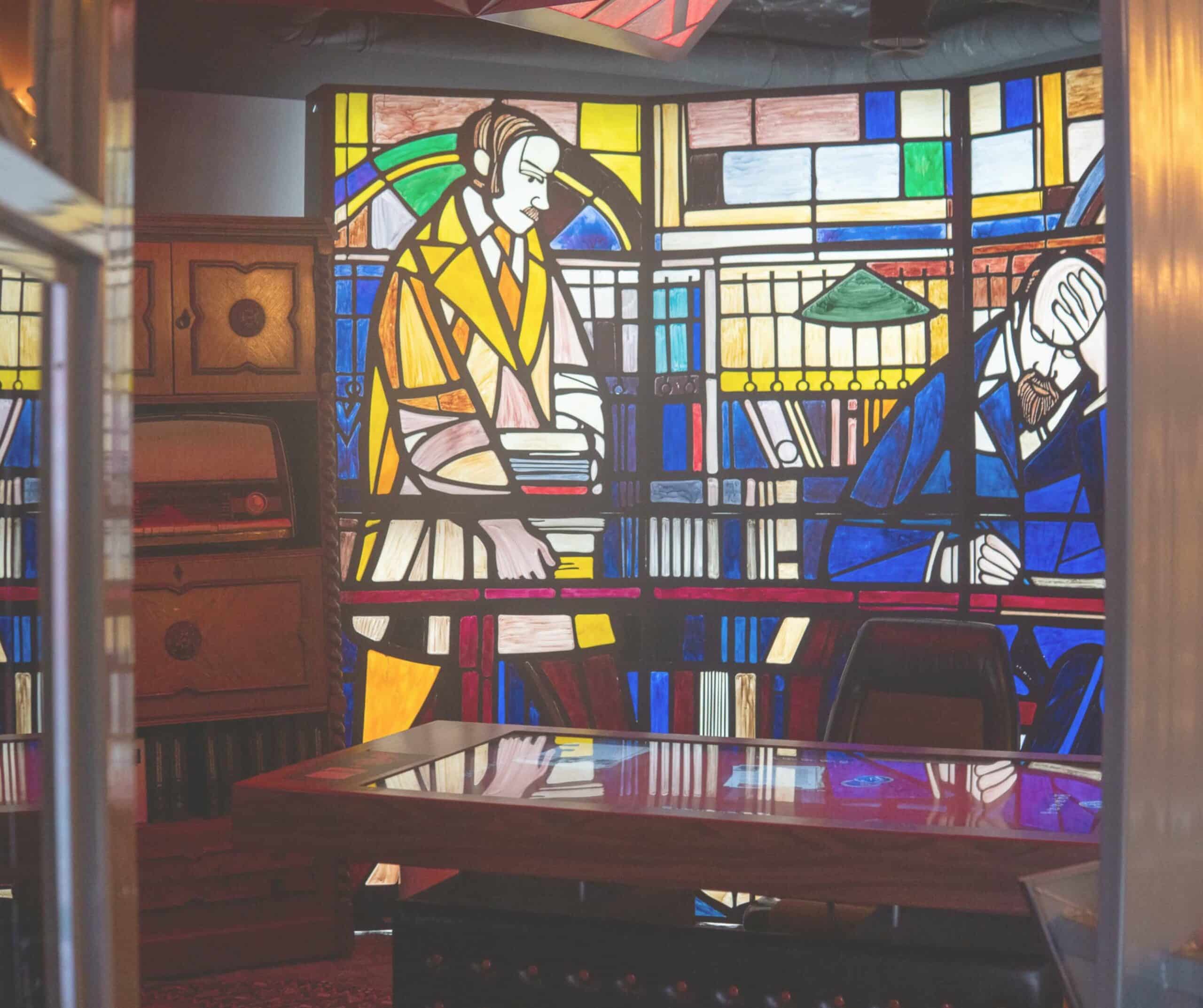
My favorite part was the police car that’s been converted into a driving simulator, letting you patrol a virtual recreation of Gazdagrét, one of Budapest’s housing estates made up of endless rows of identical grey apartment blocks.
There’s also a phone box where you can dial a joke and the option to get a retro-style photo taken of yourself. If you need a break from the exhibits, there’s a bistro on site serving food and drinks from the era.
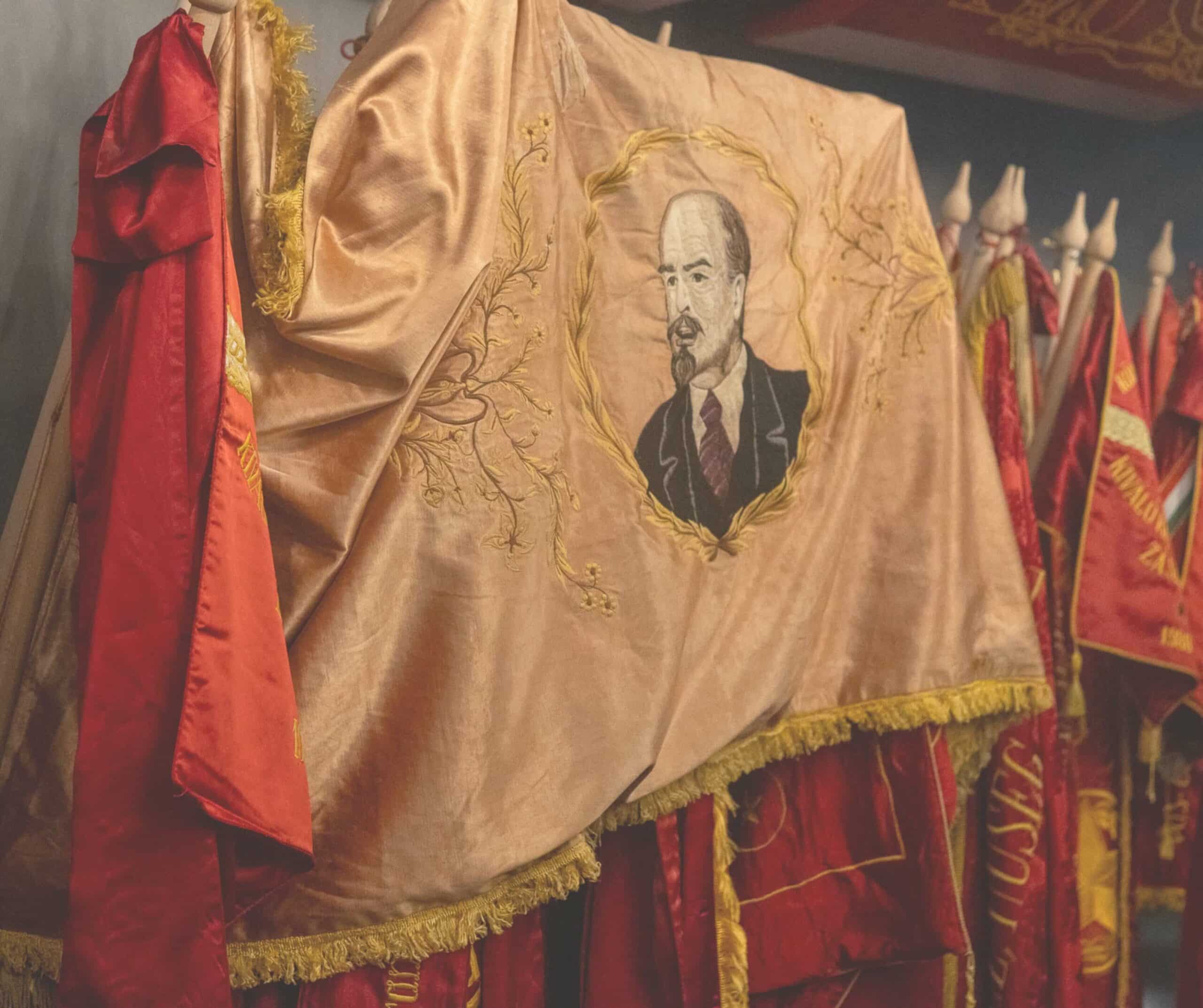
You should plan for one to two hours, though I stayed several hours. There was so much to see and do.
House of Terror
House of Terror | Address: Budapest, Andrássy út 60, 1062 Hungary
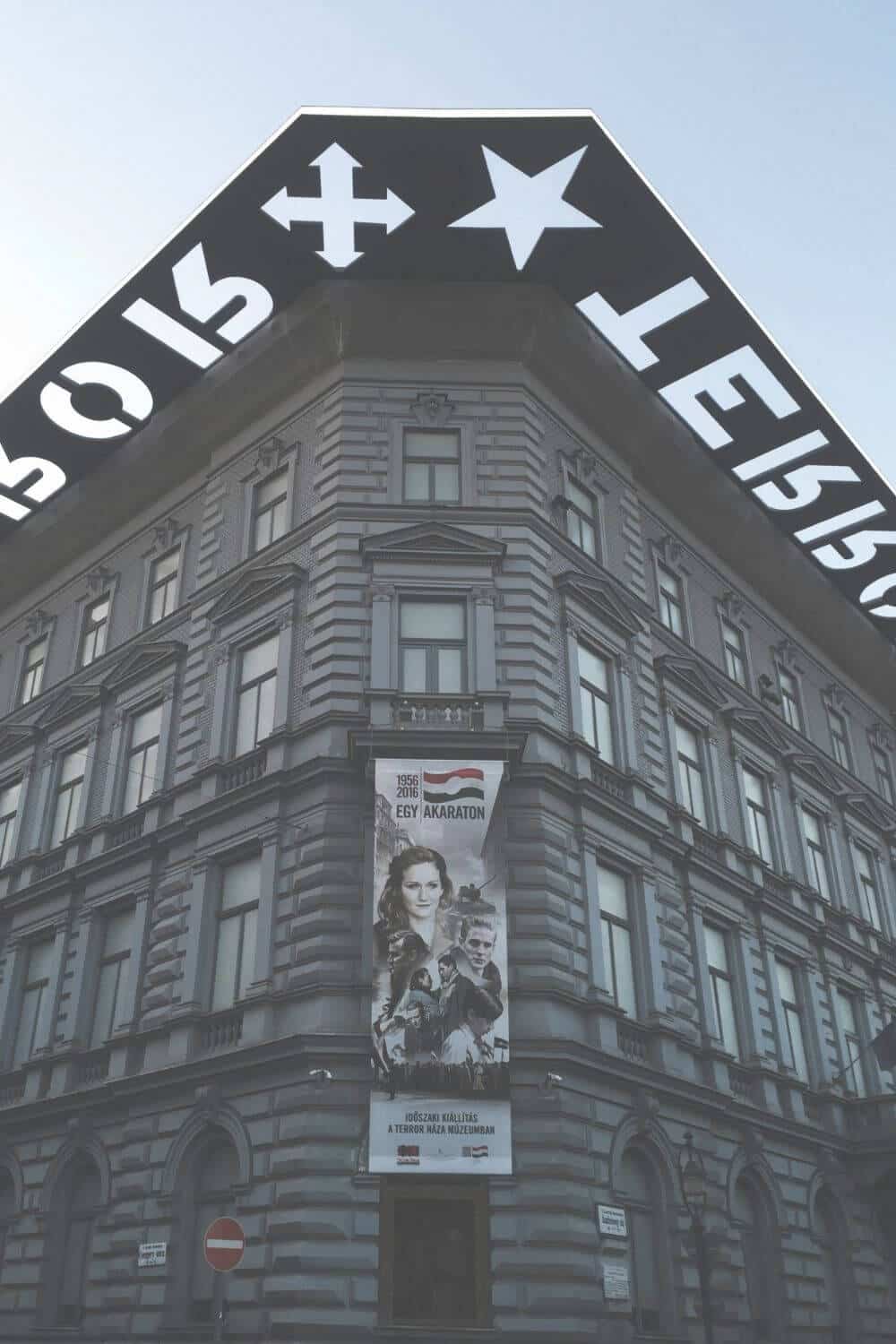
The House of Terror is one of the most powerful and unsettling museums in Europe, and if you only have time for one museum in Budapest, this is probably the one. What makes it hit so hard is the building itself: the same address served as the headquarters of two different terror regimes.
First it was home to the Arrow Cross Party, Hungary’s home-grown fascist movement that collaborated with Nazi Germany and carried out some of the worst atrocities of the Second World War, including the massacre of tens of thousands of Budapest’s Jews. Then, after the war, the same building was taken over by the ÁVH, the Hungarian secret police, essentially the local equivalent of the KGB. They used it to interrogate, torture, and often execute political prisoners.
The exterior alone is worth stopping for, even if you don’t go in. The building is a stark blue-grey, and the roof is ringed by a heavy black overhang with the word “TERROR” cut out of it, so it casts the letters in shadow on the wall below when the sun hits.
Inside, the museum runs chronologically across several floors, moving through the Nazi occupation and then into the long decades of communist rule. There’s a floor on the Arrow Cross period, rooms covering the machinery of communist control (surveillance, propaganda, forced collectivization, political show trials), and a staircase lined with socialist statues, murals, and Stalin busts. The most visceral part is the basement, where the cells the ÁVH used for interrogation and torture have been preserved.
It’s worth knowing the museum has drawn some controversy. It was established in 2002 with involvement from the then-nationalist government, and some historians argue it tilts the story toward portraying Hungary purely as a victim of foreign occupiers, without fully reckoning with how much Hungarians themselves participated in and enabled both regimes. Worth going in with that in mind.
A practical heads-up: almost all the written content inside is in Hungarian only. You can grab printed English summaries in each room, but they’re fairly dry and don’t capture everything. The audio guide, available in English and several other languages, makes an enormous difference and is absolutely worth the extra cost.
It’s heavy. You won’t leave feeling good. But it’s an important one.
Memento Park (Where Communist Statues Went to Die)
Memento Park | Address: Budapest, Balatoni út – Szabadkai utca sarok, 1222 Hungary
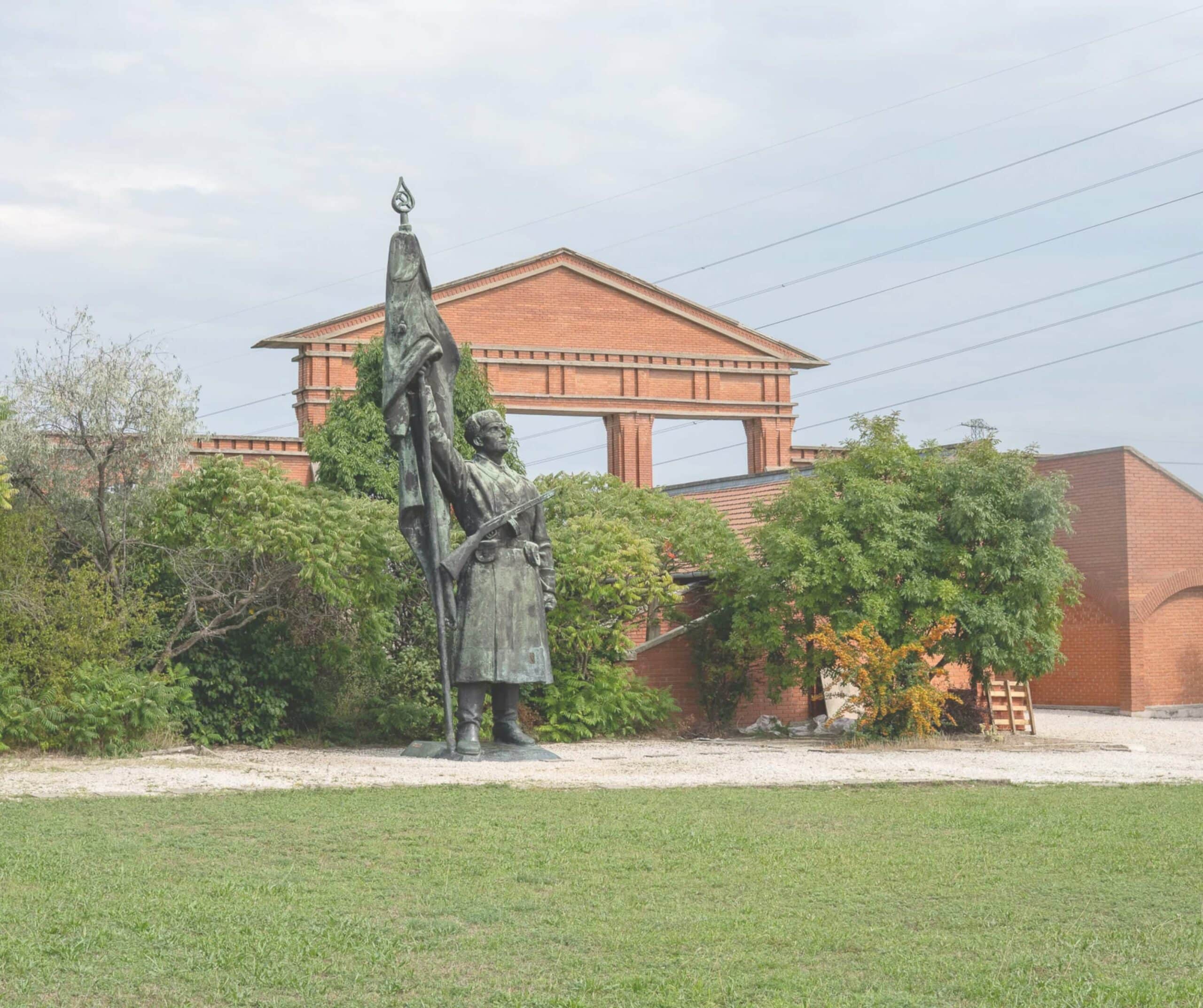
Memento Park is an open-air museum about six miles south of central Budapest that holds 42 communist-era statues, monuments, and plaques removed from the city’s streets. It is, essentially, a retirement home for Lenins.
When communism collapsed in Hungary after four decades, Budapest was left with a problem: what do you do with all the giant statues? Every public square, every major boulevard, and every prominent corner of the city had been decorated with enormous bronze and stone monuments to Lenin, Marx, Engels, Red Army officers, and Hungarian communist leaders.
Some cities in Eastern Europe simply tore theirs down, and that was that. Budapest took a different approach. Rather than destroying the statues, the city decided to gather them up and put them somewhere, a dedicated park on the outskirts of the city where they could be preserved, studied, and visited.
The architect who designed the space, Ákos Eleőd, put it beautifully: the park is about dictatorship, but precisely because it can be talked about and built and visited freely, it is also about democracy.
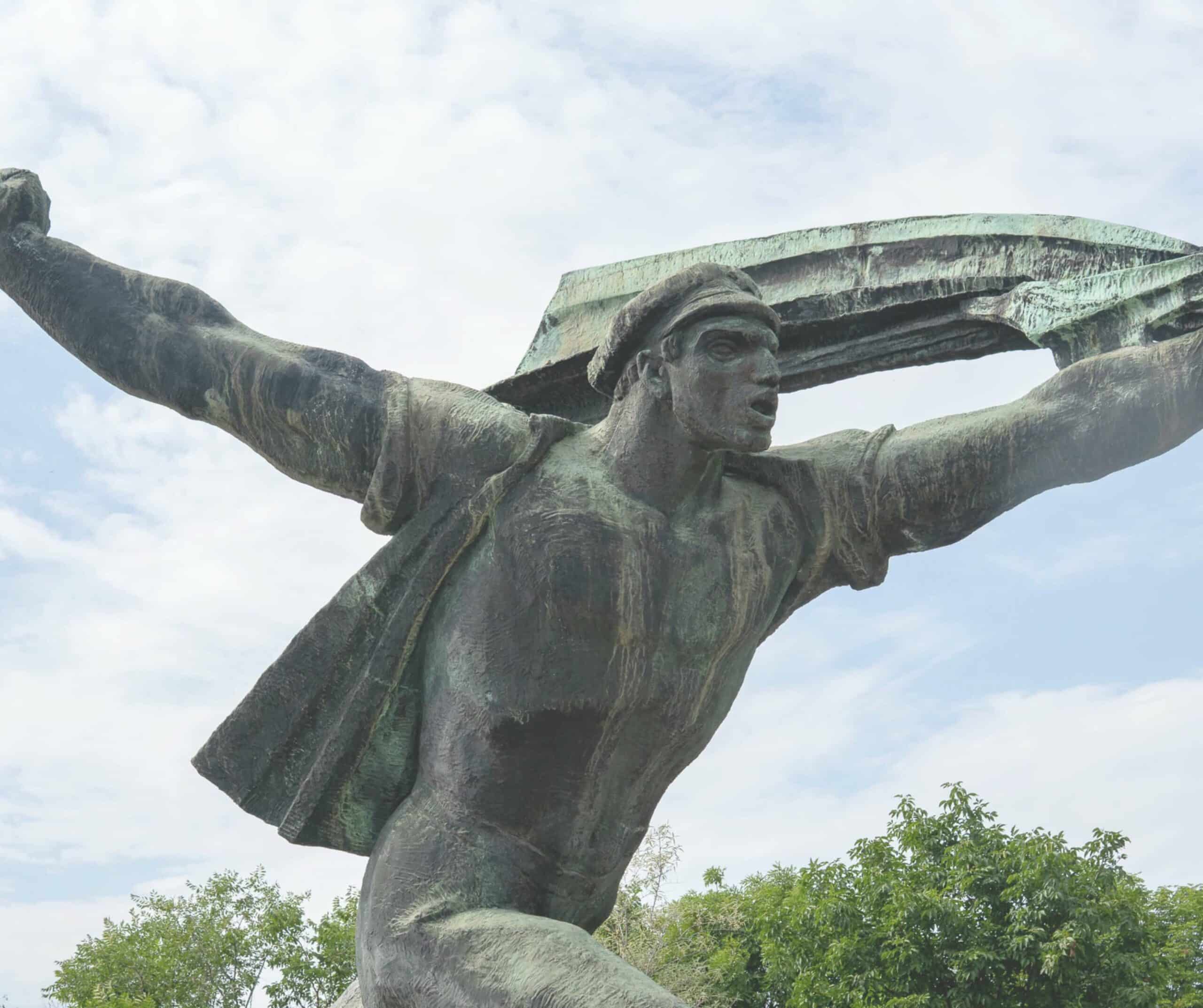
Memento Park opened in 1993, and a few of the statues you’ll see are Lenin in bronze, Marx and Engels quarried from Mauthausen, and Hungarian monuments, including a sculpture of the Hungarian communist leader Béla Kun trying to lead a group of soldiers and workers.

There’s a 20-foot Soviet soldier that used to stand on top of Gellért Hill. There are allegorical monuments to Hungarian-Soviet friendship showing the two nations shaking hands.
The single most iconic object in the park is the replica of Stalin’s boots. In 1956, when the Hungarian people rose against Soviet rule, one of their first acts was to tear down the enormous 26-foot bronze statue of Stalin that stood in central Budapest.
They pulled it down to the ground but couldn’t fully destroy it, so they left just the boots standing on the pedestal. The image became one of the defining symbols of the revolution.
There’s also an exhibition hall and a small cinema showing a documentary called The Life of an Agent, which is a montage of training footage made by the Hungarian secret police between 1958 and 1988. It shows how agents were taught to conduct surveillance, search properties without being detected, and plant listening devices.
Check Memento Park’s public transportation page for updated info on how to get there.
Ride on a Historic Paddle Steamer
BOOK THIS HISTORIC PADDLE STEAMER BOAT TOUR
The Kisfaludy is a working replica of a 19th-century paddle steamer that runs hour-long sightseeing cruises on the Danube in Budapest. It is, hands down, one of the coolest ways to see the city from the water.
Budapest has no shortage of river cruises. On a busy summer day, the Danube can look like a floating traffic jam, with boat after boat of tourists gliding past the same landmarks. This one is different.
The original Kisfaludy set sail on September 21, 1846, becoming the very first steamboat to travel on Lake Balaton. It completed its last journey in 1887, but a replica was eventually built and relocated from Lake Balaton to the Danube, where it now operates as a sightseeing vessel.
What I loved about riding this boat was the mini museum below deck, which gives you a glimpse into the daily life of those who rode the original.
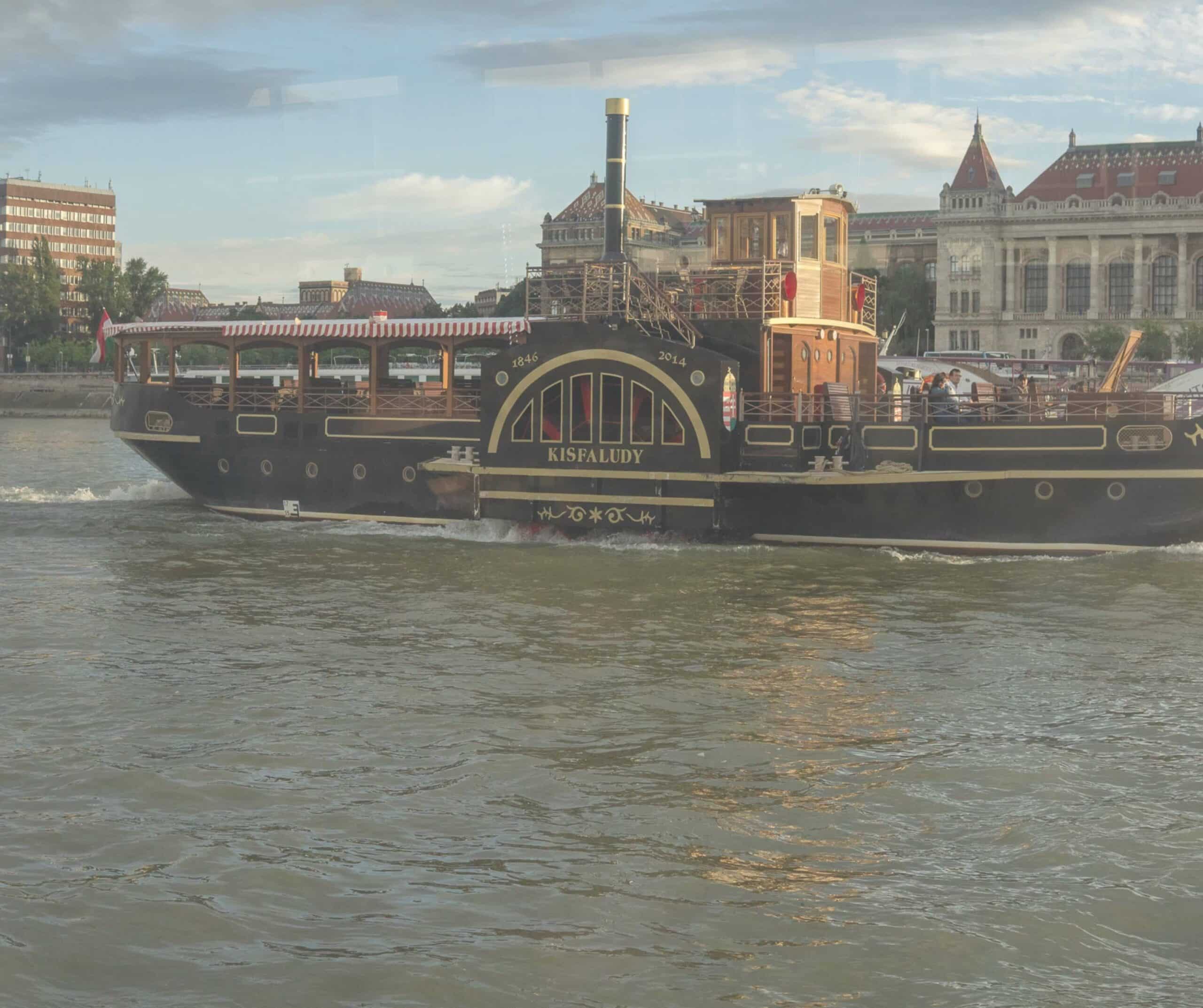
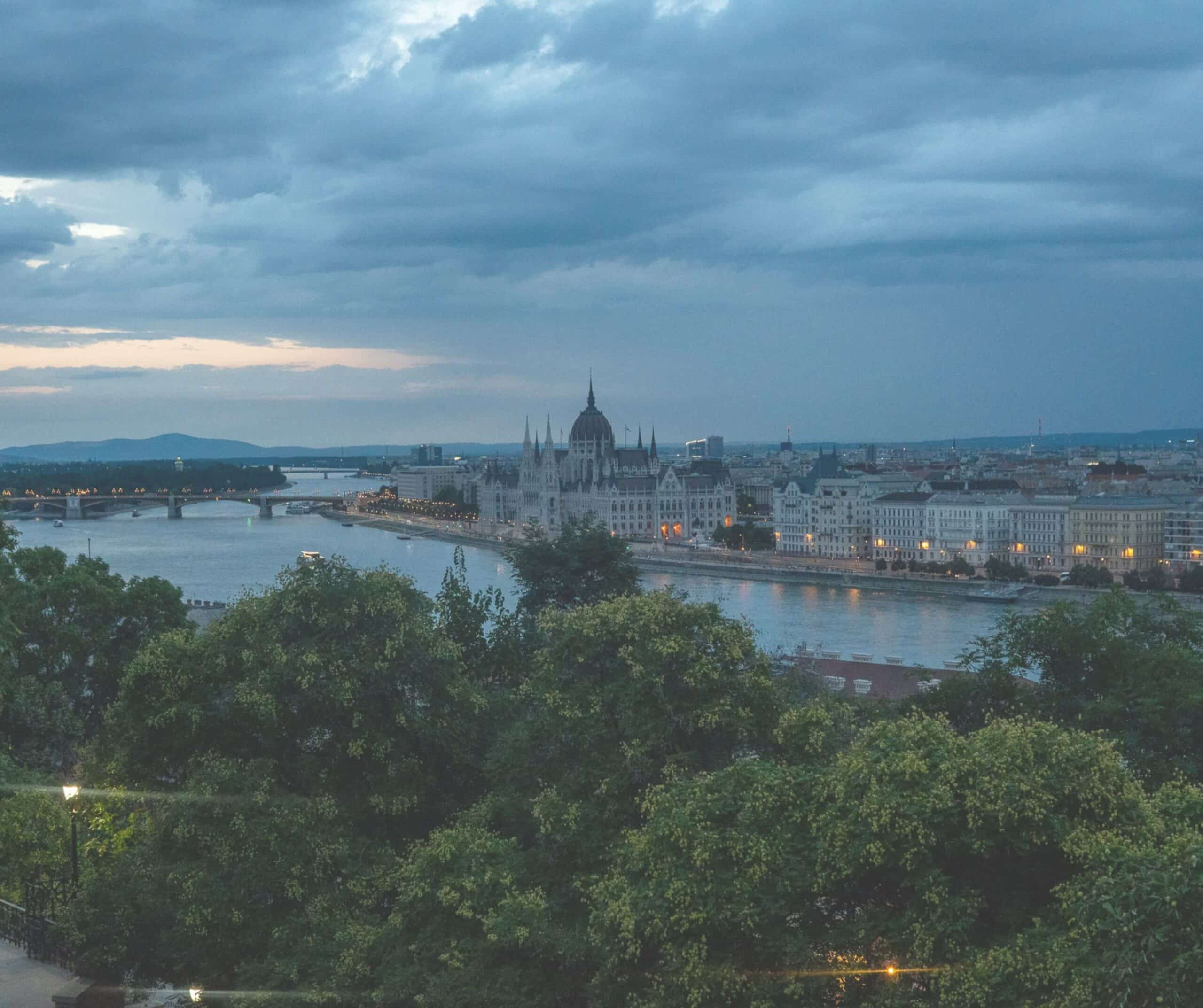
The cruise lasts around an hour. You pass just about every major landmark in the city: the Parliament building, Buda Castle, the Chain Bridge, Fisherman’s Bastion, Matthias Church, Gellért Hill, the Great Market Hall, and Gresham Palace.
On board, a welcome drink is included: a glass of Tokaj Frizzante, which is a Hungarian sparkling wine, or orange juice if you’d prefer. There’s an audio guide available via QR code on your phone in 30 languages, which covers the history of everything you pass.
The boat is heated in winter, so you can tuck inside if the weather turns, but honestly the open deck in any season is where you want to be. It’s so beautiful!
Cultural Hidden Gems in Budapest
Take a Train Run Mostly By Children Through the Buda Mountains
Children’s Train | Address: Budapest, Gyermekvasúthoz vezető út 5, 1021 Hungary
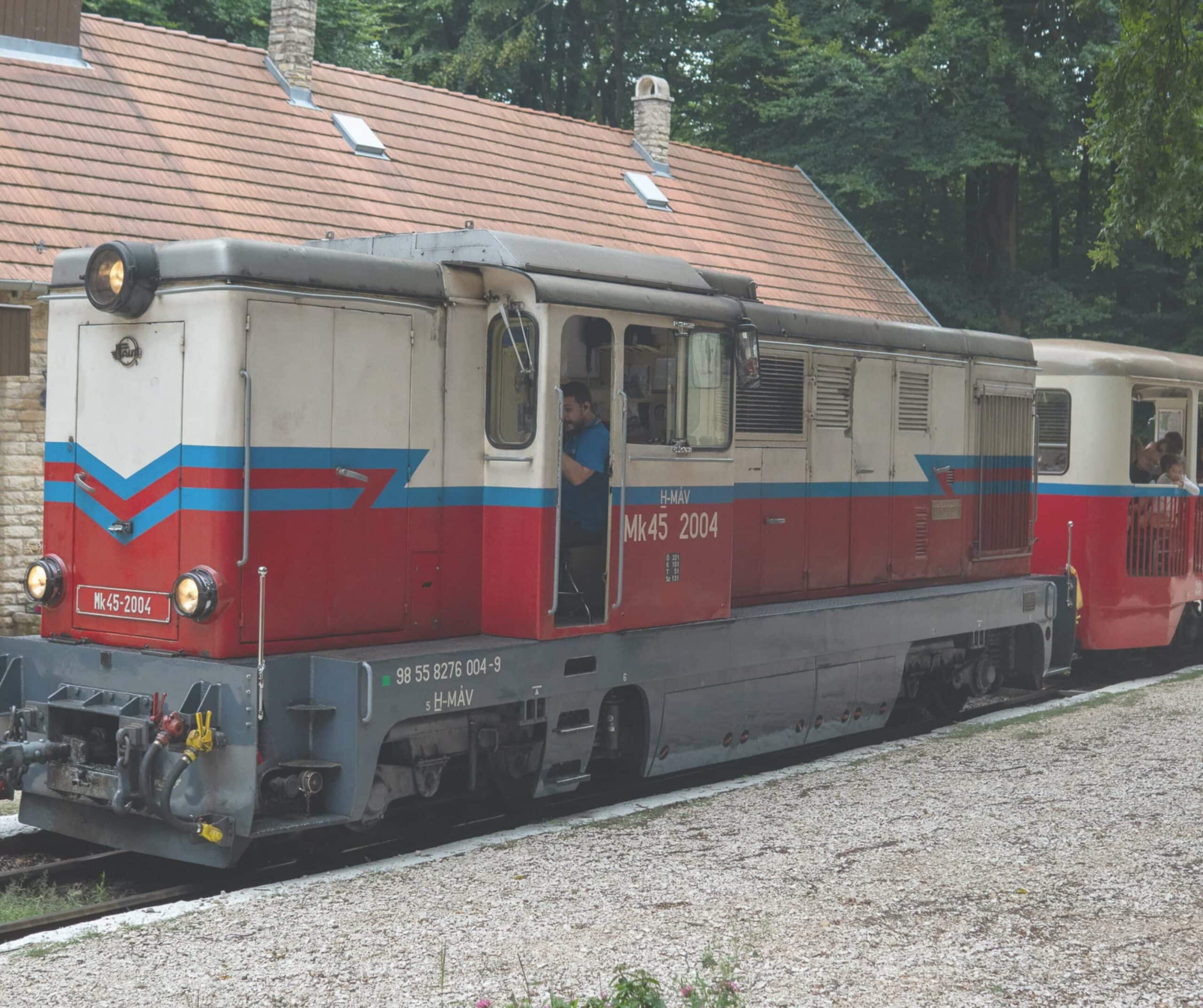
The Children’s Railway (Gyermekvasút) is a seven-mile narrow-gauge railway winding through the Buda Hills, where almost every job is carried out by children between the ages of 10 and 14. It might be the quirkiest thing to do in all of Budapest.
The kids sell the tickets, manage the signals, make the announcements, inspect the carriages, and run the stations. The only thing they don’t do is drive the train, which is a relief.
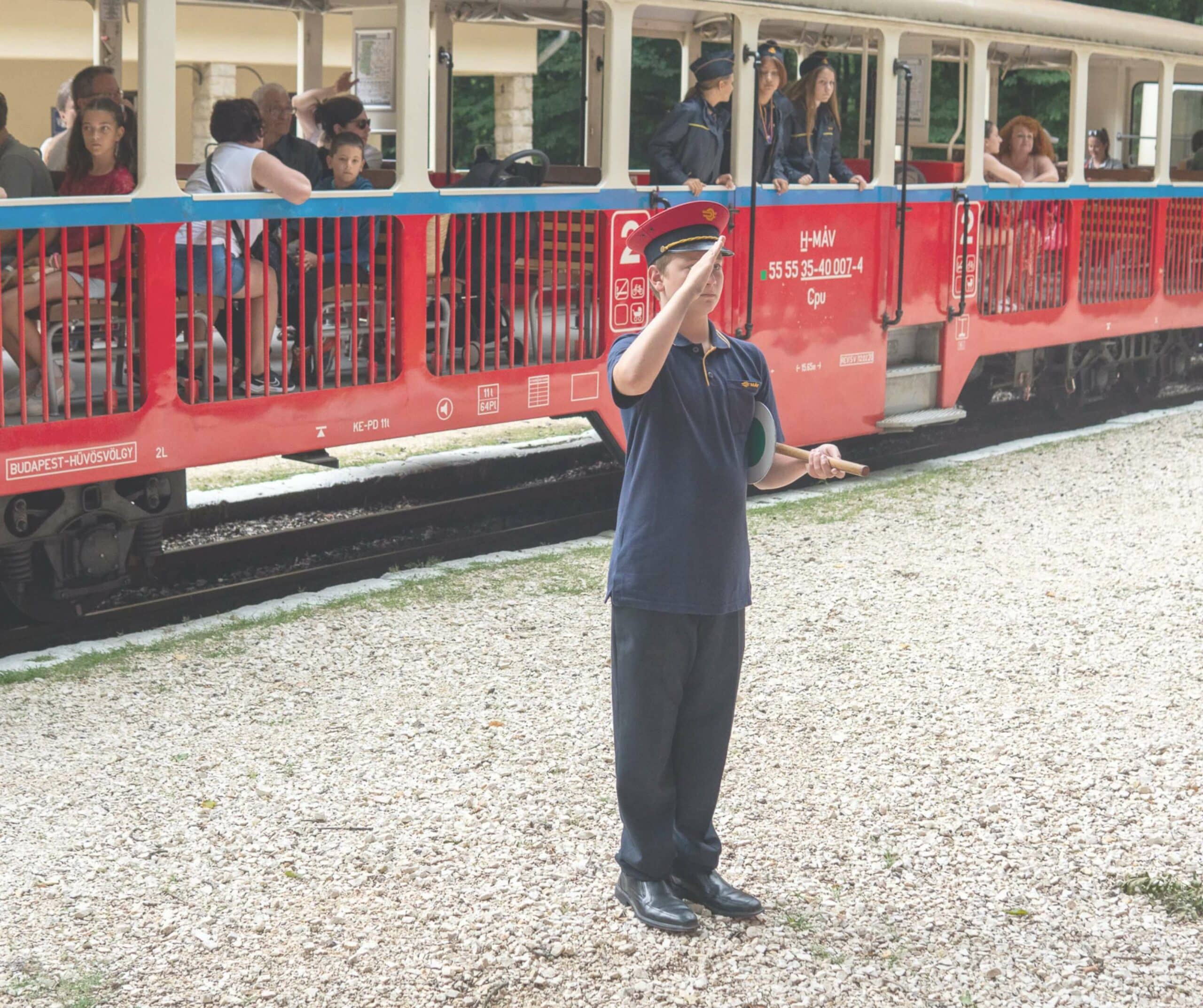
The railway was built in 1948 and originally called the Pioneer Railway. The Pioneers were a youth organization designed to instill socialist values, teamwork, and a love of manual labor into Hungarian children from an early age.
The idea of a children’s railway wasn’t unique to Hungary; similar lines existed across the Soviet bloc, but Budapest’s version turned out to be the longest of them all, stretching seven miles through the Buda Hills across eight stops. When communism fell, rather than shutting the railway down, Hungary simply kept it going and changed the name.
Today it holds an official Guinness World Record as the longest railway line in the world where traffic and commercial services are operated by children, which is an extremely specific record to hold, but they hold it.
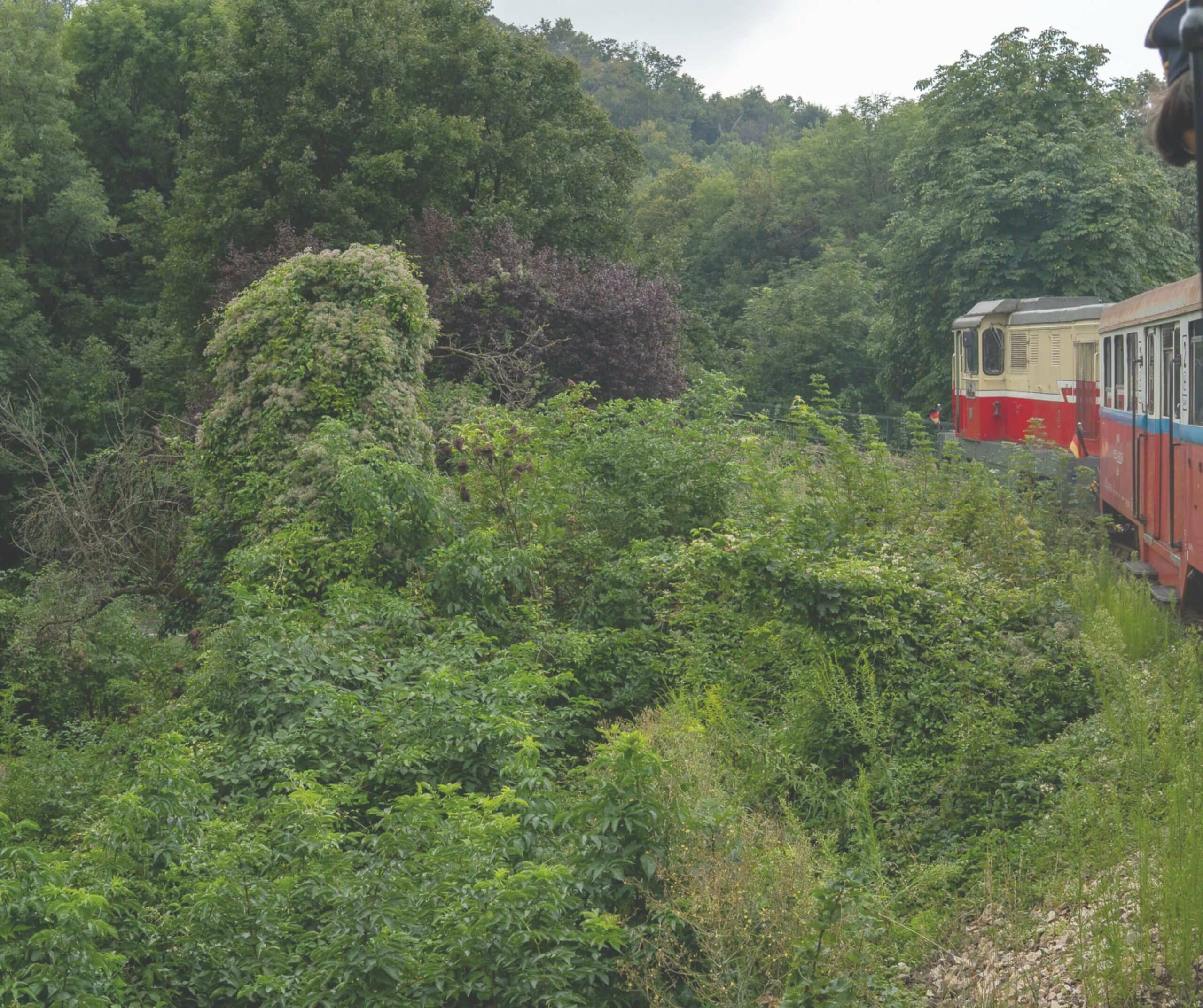
The children who work on the railway have to earn the position through good academic performance and then complete a rigorous six-month training program before they’re allowed anywhere near the platform. They volunteer for a year, doing shifts twice a month during term time, and get excused from school on their railway days.
The ride takes around 40 to 50 minutes end to end and passes through beautiful forested hillside scenery. Several of the stops along the route are jumping-off points for hiking trails, viewpoints, and other attractions. Jánoshegy station provides you with access to the Elizabeth Lookout Tower, a stone tower built in 1910 at the highest point in Budapest.
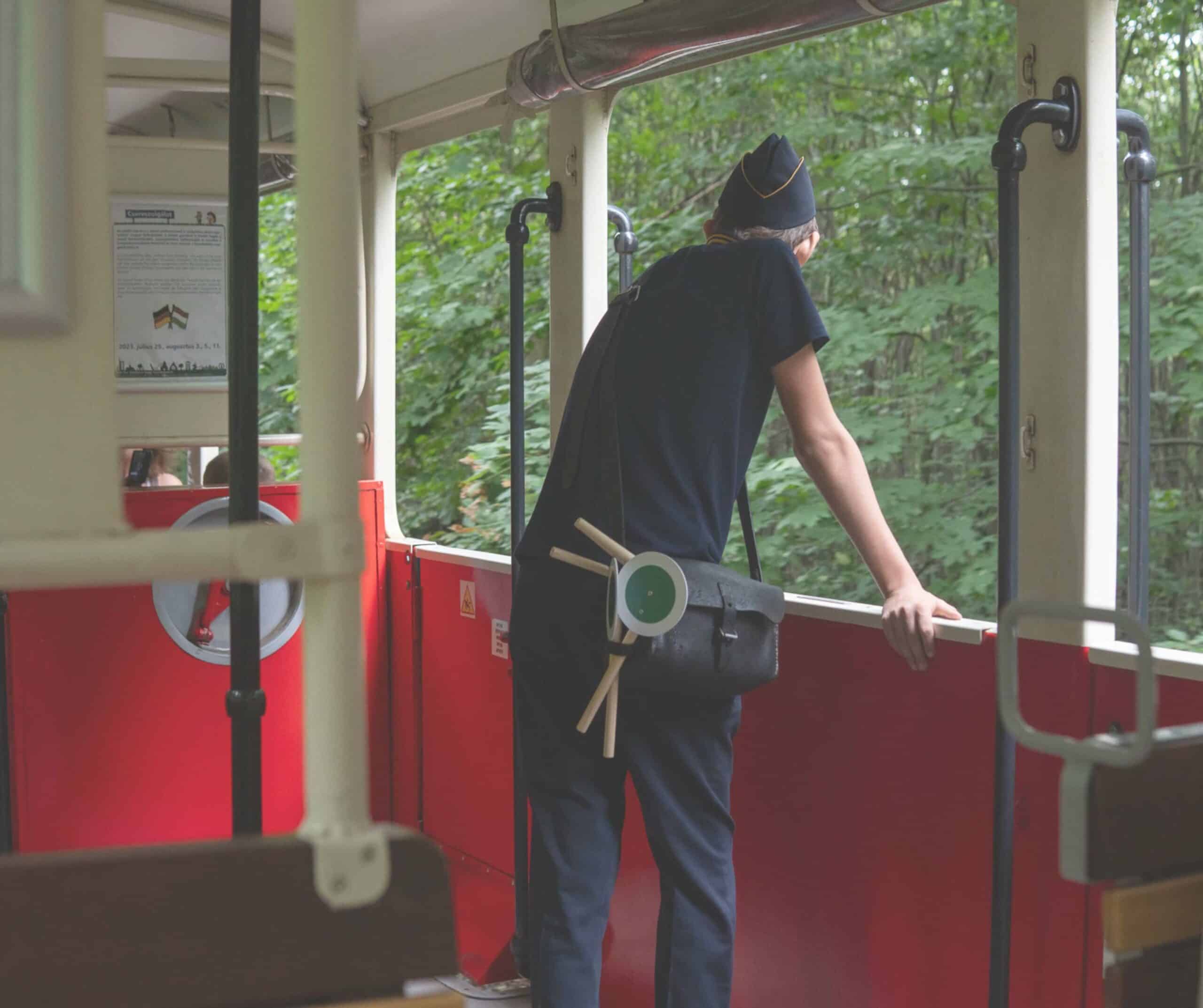
Normafa is a popular picnic and hiking spot with sweeping views over Budapest. There’s also a museum at the Hűvösvölgy station with displays about the railway’s history.
It’s easiest to get the train from Hűvösvölgy Station. You can get your tickets at the ticket window, and you can check the Children’s Railway timetable for up to date departure times.
I have taken this train twice, and it’s always so much fun.
Cruise the Danube While Dining and Watching Traditional Dancing
This dinner cruise on the Danube packs a Hungarian buffet, sparkling wine, and a live folk dance show into 90 minutes on the water. It’s not exactly hidden, but plenty of Budapest dinner cruises are mediocre, and this one is worth booking.
As soon as you board, you will be handed a glass of Hungarian sparkling wine or a soft drink. After the boat takes off and you spend a bit of time outside watching the city pass by, dinner is served.
For dinner, we got to go up and get food from a buffet with a spread of goulash, Hungarian dumplings, soup, beef stew, and chicken. They had a vegetable tart for the vegetarians as well as salads and dessert.
I find many times the food on these experiences isn’t good, but the food I had on this cruise was great!
The folk dance show is performed after everyone has eaten. Professional dancers in full traditional Hungarian costumes come out and perform local dances from regions all over Hungary.
A few of my favorites were the Women’s Bottle Dance, in which the dancers balance wine bottles on their heads, and the Men’s Stick Dance, which comes from shepherd traditions.
At the end of the show, people were encouraged to join and learn a few basic steps. I, for one, lack all ability to dance, so I happily sat and watched others struggle instead.
Take One of the Most Beautiful Tram Rides in the World
Tram 2 | Route: Jászai Mari tér to Közvágóhíd, along the Pest embankment of the Danube
Tram 2 is a bright yellow tram that runs along the Pest embankment of the Danube, past nearly every major landmark in Budapest, for less than two euros. In 2010, National Geographic included it in their list of the top ten most scenic trolley rides in the world.
The route takes around 20 to 26 minutes end to end. On your left as you head south, you have the Danube and the full sweep of the Castle District with Buda Castle perched on top, Fisherman’s Bastion, the spires of Matthias Church, Gellért Hill, the Liberty Statue, and the Citadel.
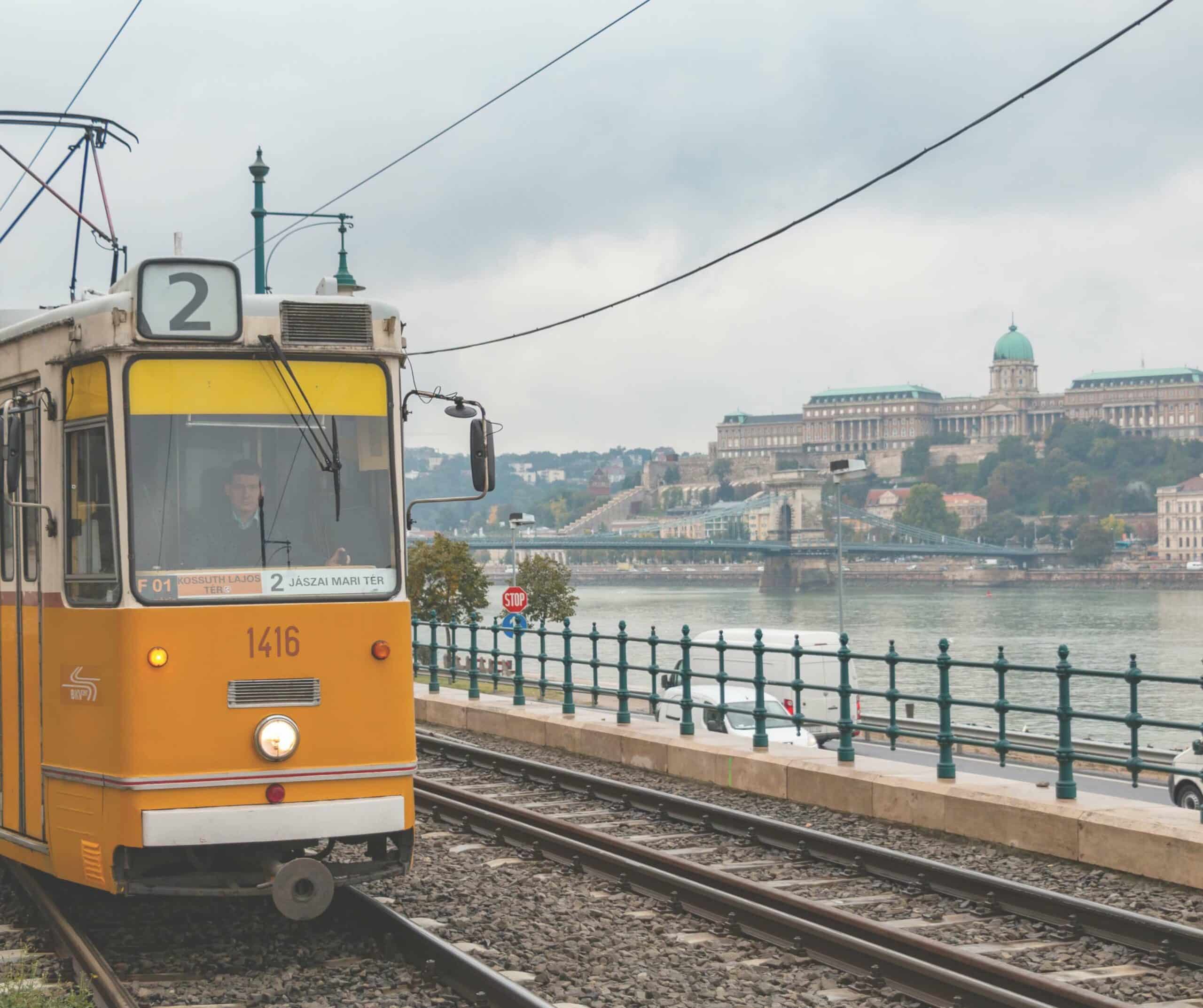
On your right, you’ll see the Hungarian Parliament, Gresham Palace, the Chain Bridge, Vigadó Concert Hall, and the Great Market Hall. Along the way, you’ll also pass the Shoes on the Danube memorial, 60 pairs of iron shoes fixed to the bank to commemorate the thousands of Jewish people shot into the river by the Arrow Cross Party in 1944.
A couple of bonus tips: taking it at night, when all the landmarks are lit up and reflected on the water, is stunning.
And in December, Tram 2 gets wrapped in around 40,000 LED lights, turning it into what’s known as the Fényvillamos, or Light Tram, which runs in the evenings from around 5pm to 9pm throughout Christmas.
You can find more information about the Tram 2 route on the official Budapest tourism site. You also can ride the tram for free if you purchase a Budapest Card, which gives steep discounts and free entry to tons of attractions and museums in the city as well as free use of public transport.
Explore Cinema Mystica: The Museum of Lights and Magic
BOOK CINEMA MYSTICA TICKETS | Address: Budapest, Ferenciek tere 10, 1052 Hungary
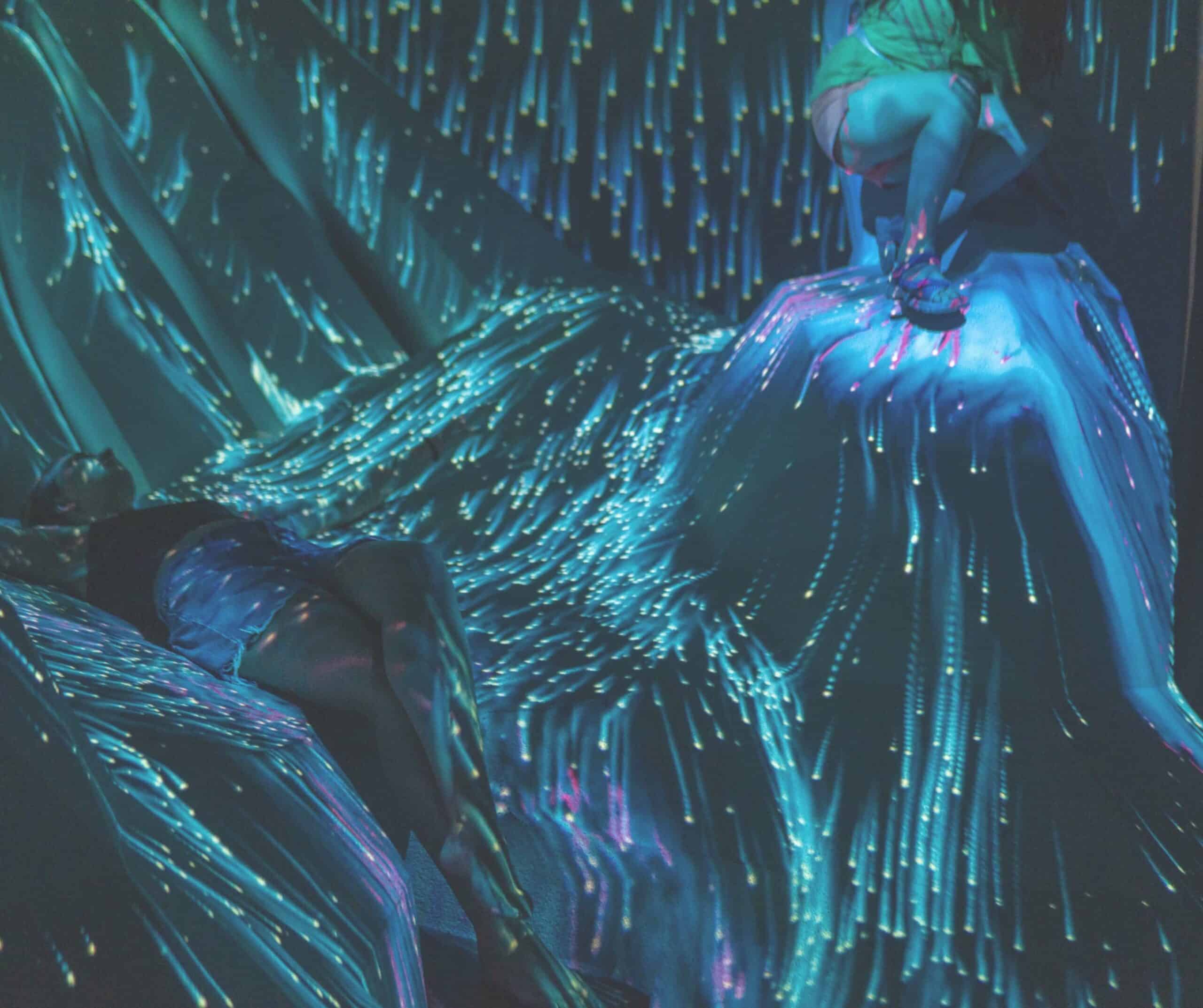
Cinema Mystica is an immersive digital art space in Budapest, spread across two floors with ten rooms of light installations, projections, and interactive digital art that responds to you. Some installations react to your movements. Some use AI to interact with you directly.
One room lets you experience different simulated heart rates through pulsing visuals.
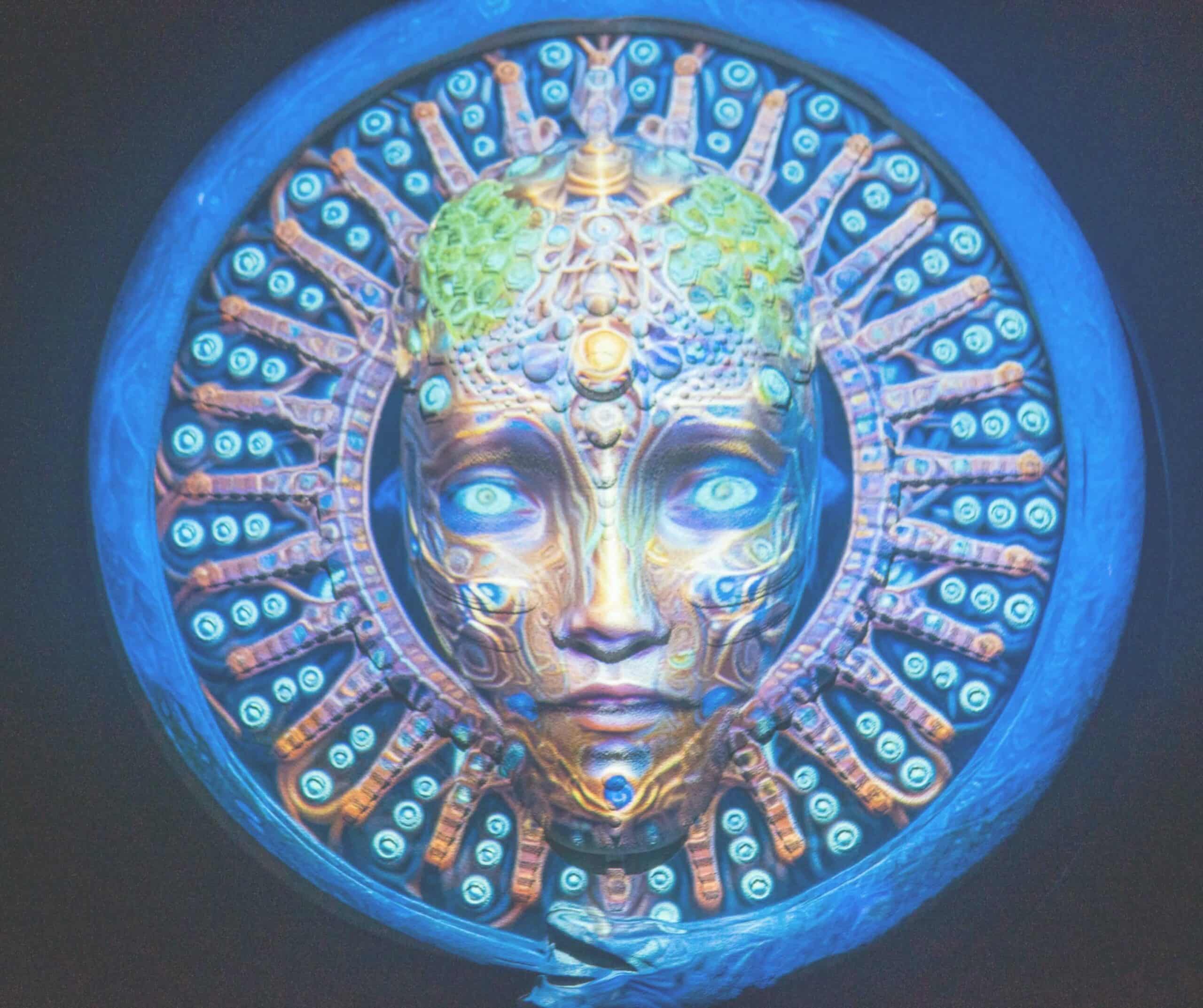
Another takes you on a fake elevator ride through a futuristic version of Budapest, with floor projections shifting under your feet as you walk. They do change exhibits, so check what’s on and have fun!
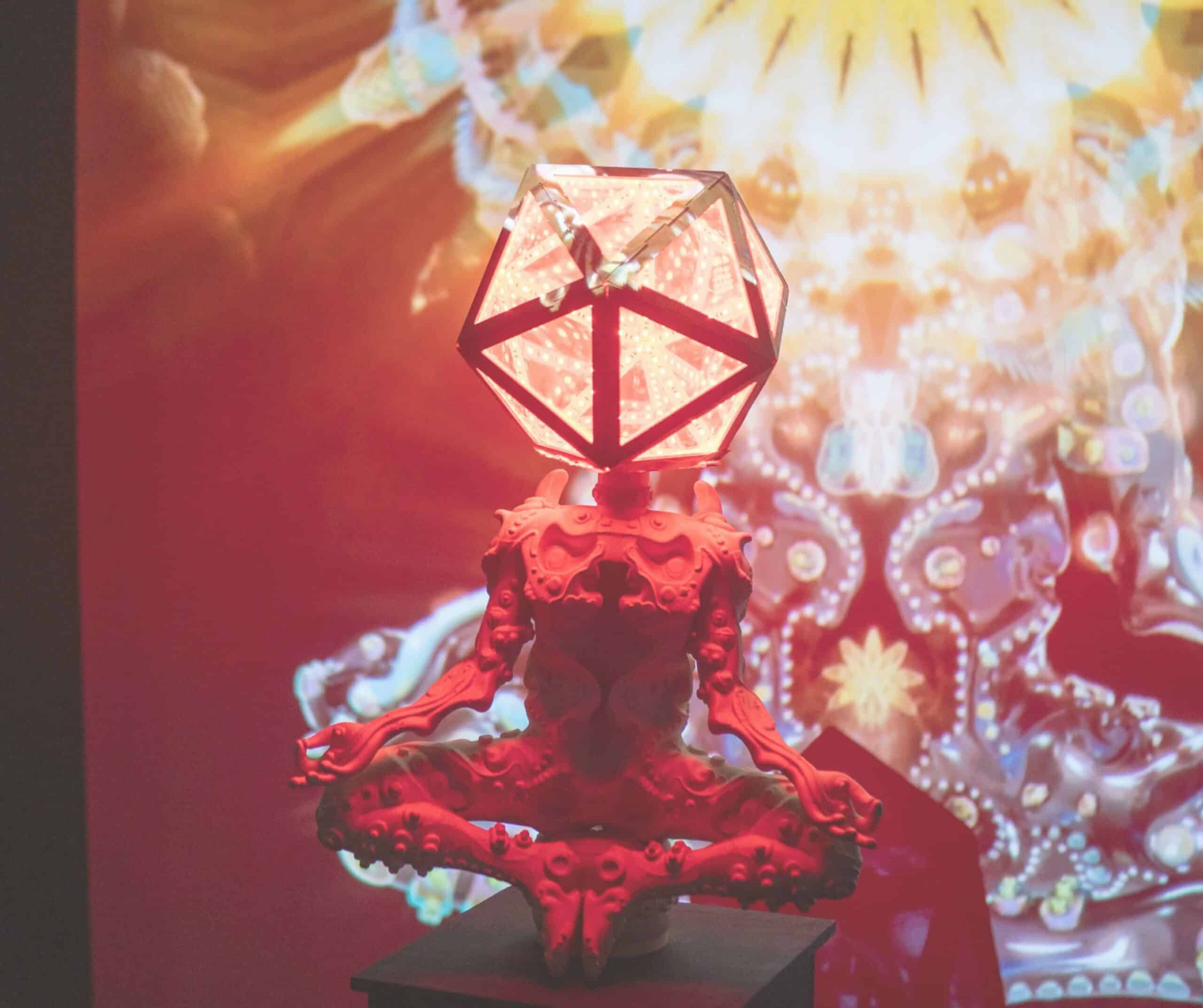
This is not a place to power through. Take your time, use the seats when there are seats, and let the sound and light do their thing. You will feel really relaxed after your visit.
Tour the Craziest Building in Budapest
House of Music | Address: Budapest, Olof Palme stny. 3, 1146 Hungary
BOOK A TOUR OF THE HOUSE OF MUSIC
The House of Music Hungary (Magyar Zene Háza) is a Sou Fujimoto-designed concert hall and interactive music museum in Budapest’s City Park, and it has racked up a number of international architecture awards since opening in 2022.
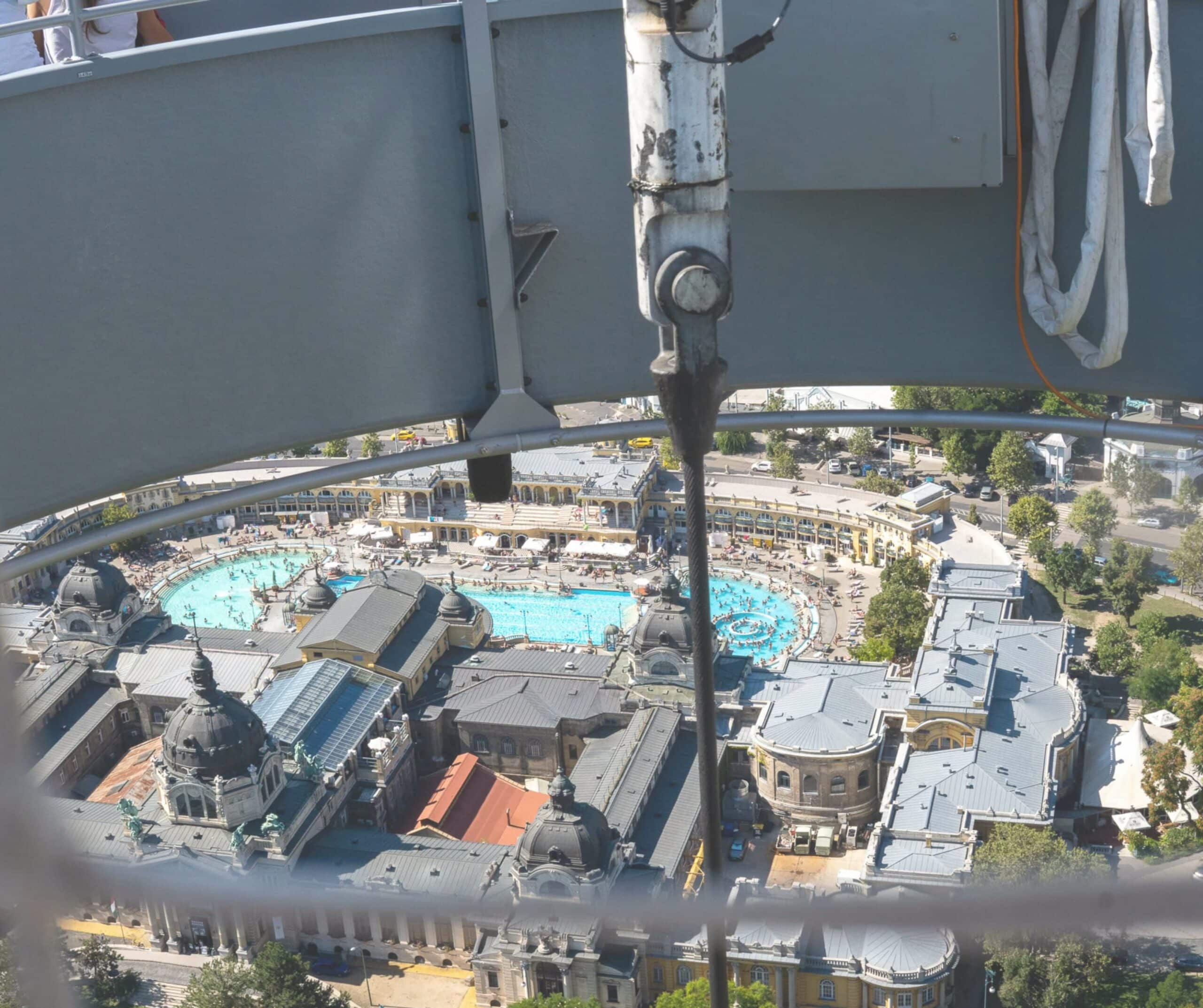
If you’re already making the trek out to City Park to see Vajdahunyad Castle or soak at the Széchenyi Baths, you’d be doing yourself a disservice if you walked past this building without going in.
Fujimoto was given instructions to create something that felt like a continuation of the park. The walls are almost entirely glass, and the roof curves above the building, punctuated by around 100 openings, each one a different shape and inspired by a different sound wave form.

Inside, the building has three levels. Underground is where the permanent exhibition lives, and this is the main reason to come. Called Sound Dimensions – Musical Journeys in Space and Time, it takes you through the history of music. Entry is in timed 30-minute slots, the venue recommends allowing around two hours (headphones provided), and weekend tickets sell out fast, so book online ahead of time.
The first floor is a performance space, a concert hall, a smaller lecture hall, and an open-air stage where you can watch daytime concerts from the grassy slope outside for free.
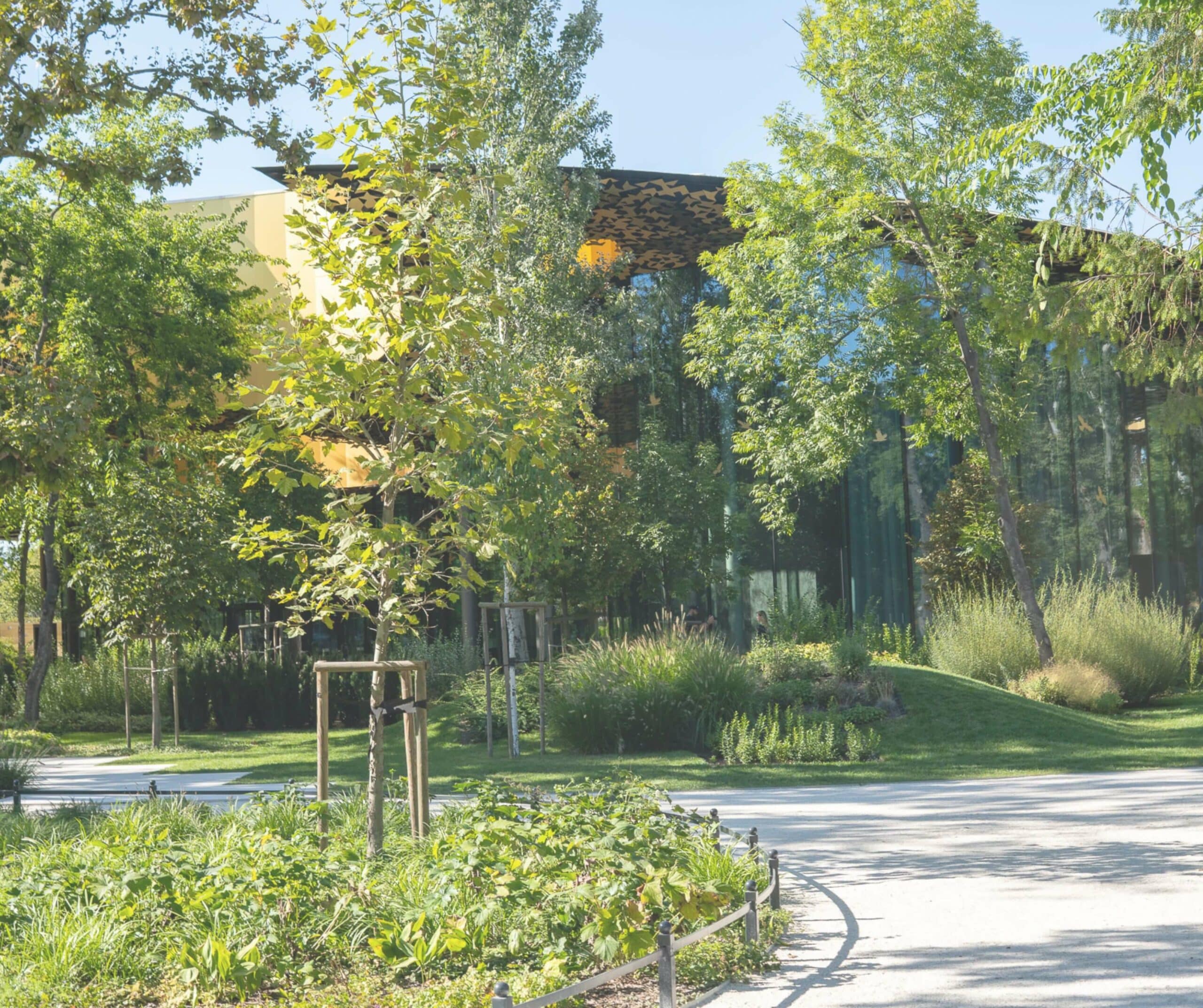
Then there’s the Sound Dome, which is a cinema-concert hall where you sit in the middle and sound comes at you from every direction at once. There’s also a Creative Sound Space where you can play unusual instruments.
See a Show at the Hungarian State Opera
Hungarian State Opera | Address: Budapest, Andrássy út 22, 1061 Hungary
BOOK A TOUR AT THE STATE OPERA
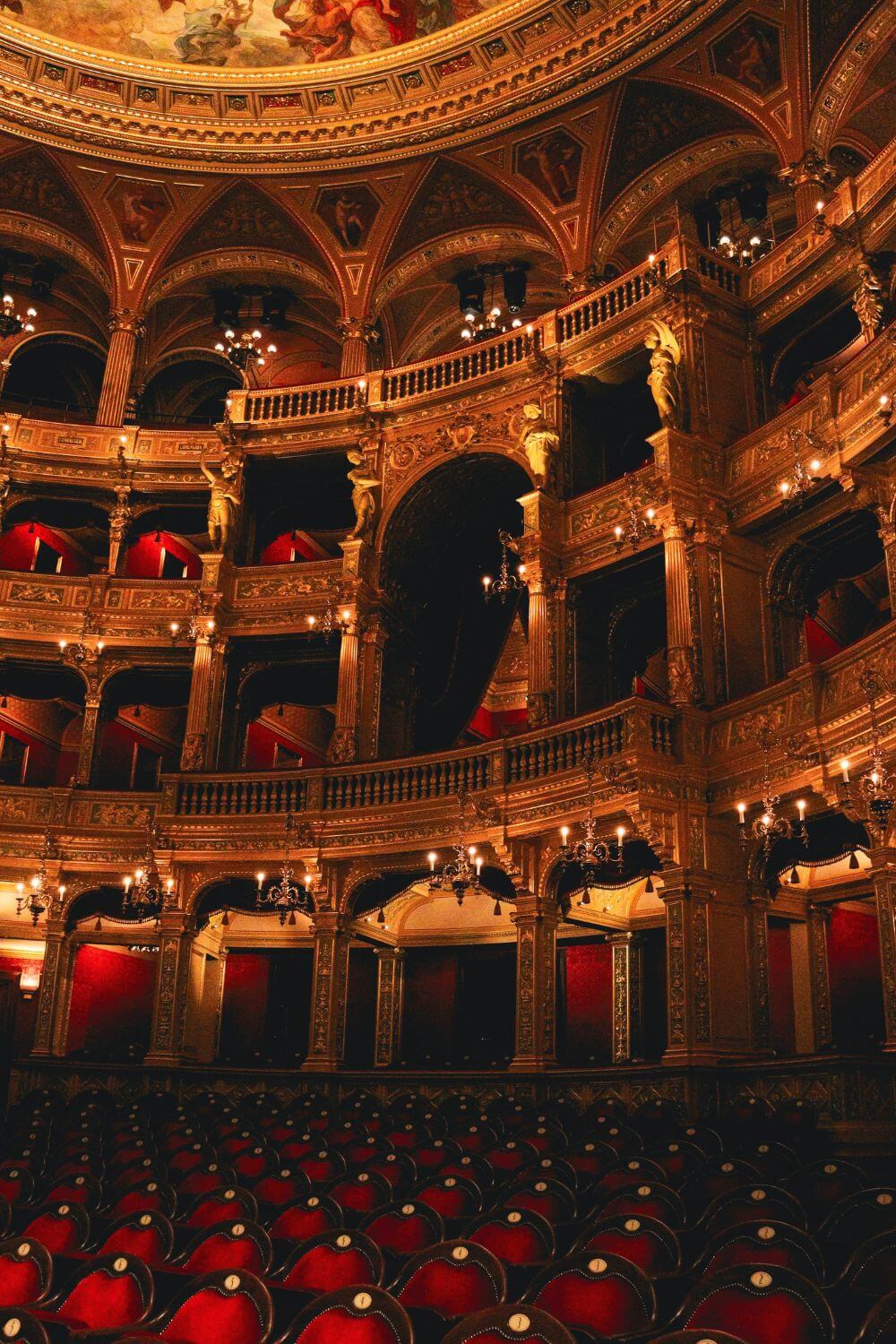
The Hungarian State Opera House is a neo-Renaissance masterpiece on Andrássy Avenue that opened in 1884 and took nine years to build. It was designed by Miklós Ybl, the architect behind the Customs House and a good chunk of Buda Castle.
It managed to cause a mild scandal on its opening night when the crowd outside got so excited to see the finished building that they broke through the entrance and overwhelmed the security guards.
An interesting fact about the construction is that Emperor Franz Joseph I funded it, but with one condition: it couldn’t be larger than the Vienna State Opera. So Ybl built something slightly smaller and then made it more beautiful to compensate. The Viennese ended up having to concede that Budapest’s Opera House had better acoustics anyway, so that worked out well.
My favorite part of the opera house was the grand staircase with its marble columns, and above it all, a ceiling fresco depicting the Greek gods on Olympus. The auditorium seats around 1,000 people following the 2022 renovation and is a horseshoe of gold leaf, plush red velvet, and tiered boxes. Hanging over it all is a 3-ton bronze chandelier.
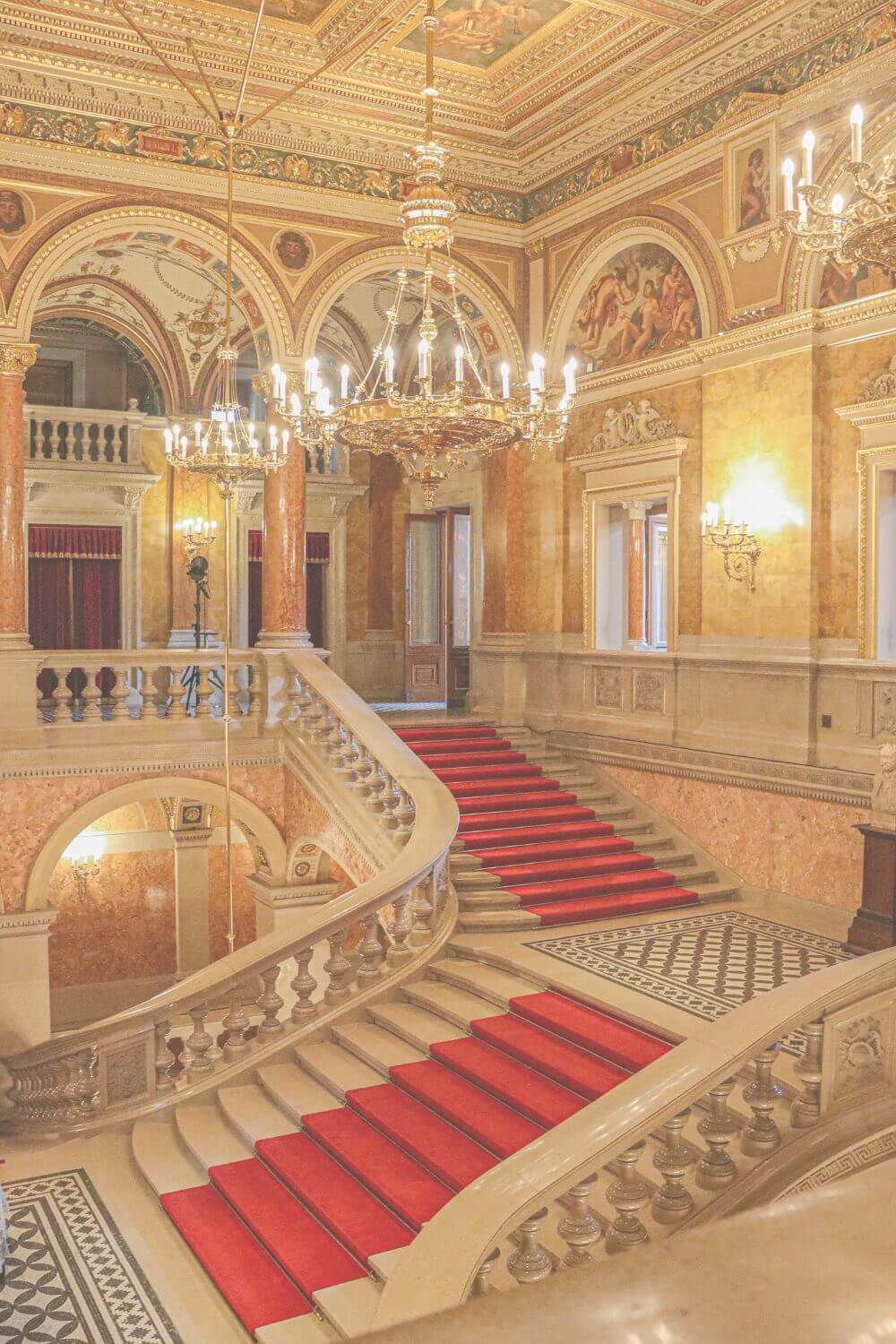
You can tour the building without committing to a show. Although, I recommend both the tour and seeing a show if you can. The tours run in English multiple times a day and last about an hour. Every tour ends with a short live operetta performance.
I got to see a show at the opera house, and it was absolutely incredible, so if you have the time to see one, do it. Ticket prices are reasonable, and you can get decent seats for €15-30. The main season runs from autumn through late spring, with a lighter schedule in summer. You can check what’s playing at the Opera House on their official programme page.
Find Mini Sculptures Hidden Throughout the City
BOOK A TINY SCULPTURES WALKING TOUR
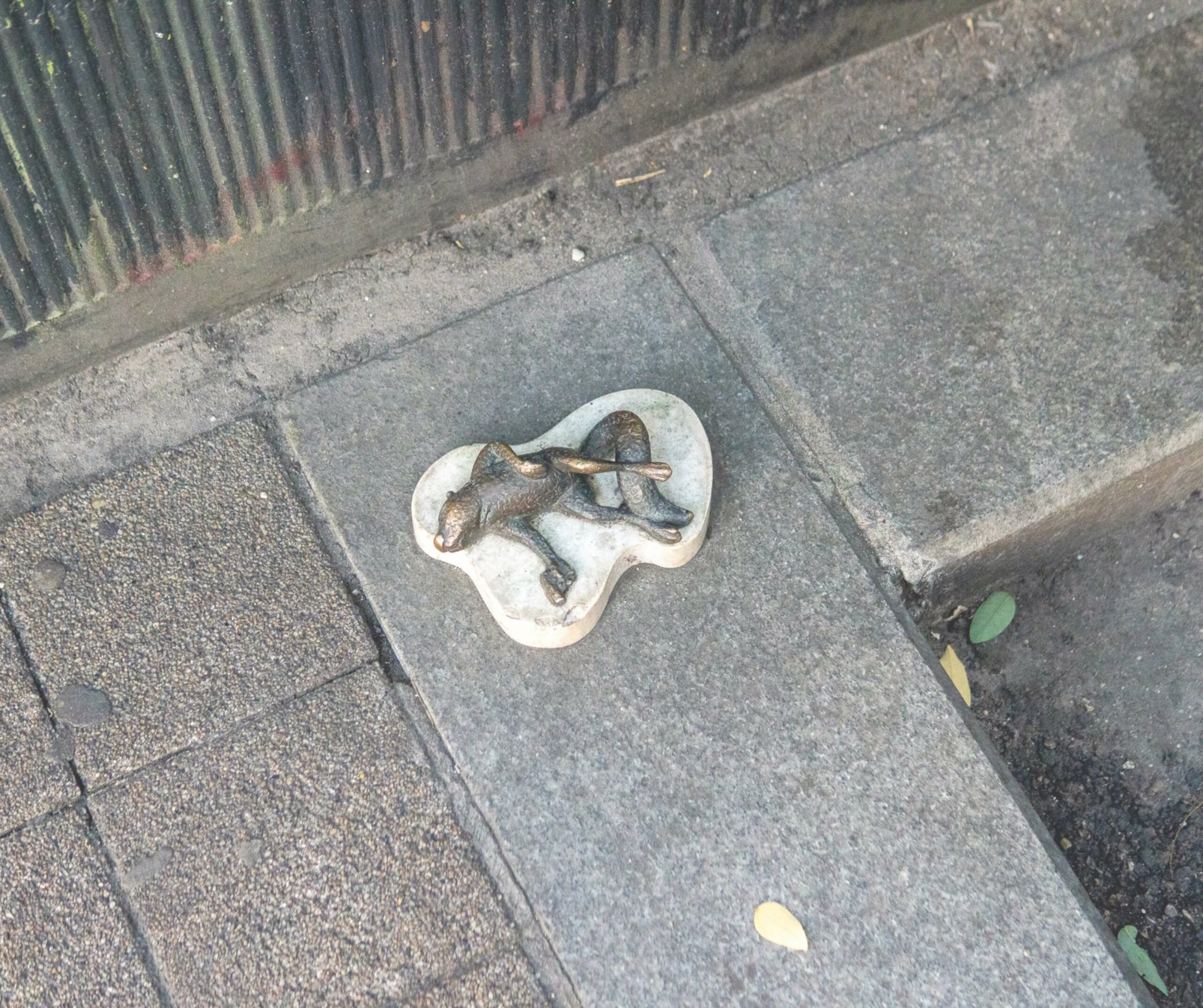
Scattered all over Budapest, tucked onto railings and walls and pavements and on bridges, are more than 35 tiny bronze statues that can easily go unnoticed if you aren’t looking.
They’re the work of Mihály Kolodko, a Ukrainian-Hungarian sculptor. He started planting miniature figures around his hometown of Uzhhorod, Ukraine, in 2010, then brought the project to Budapest when he moved to Hungary in 2016.
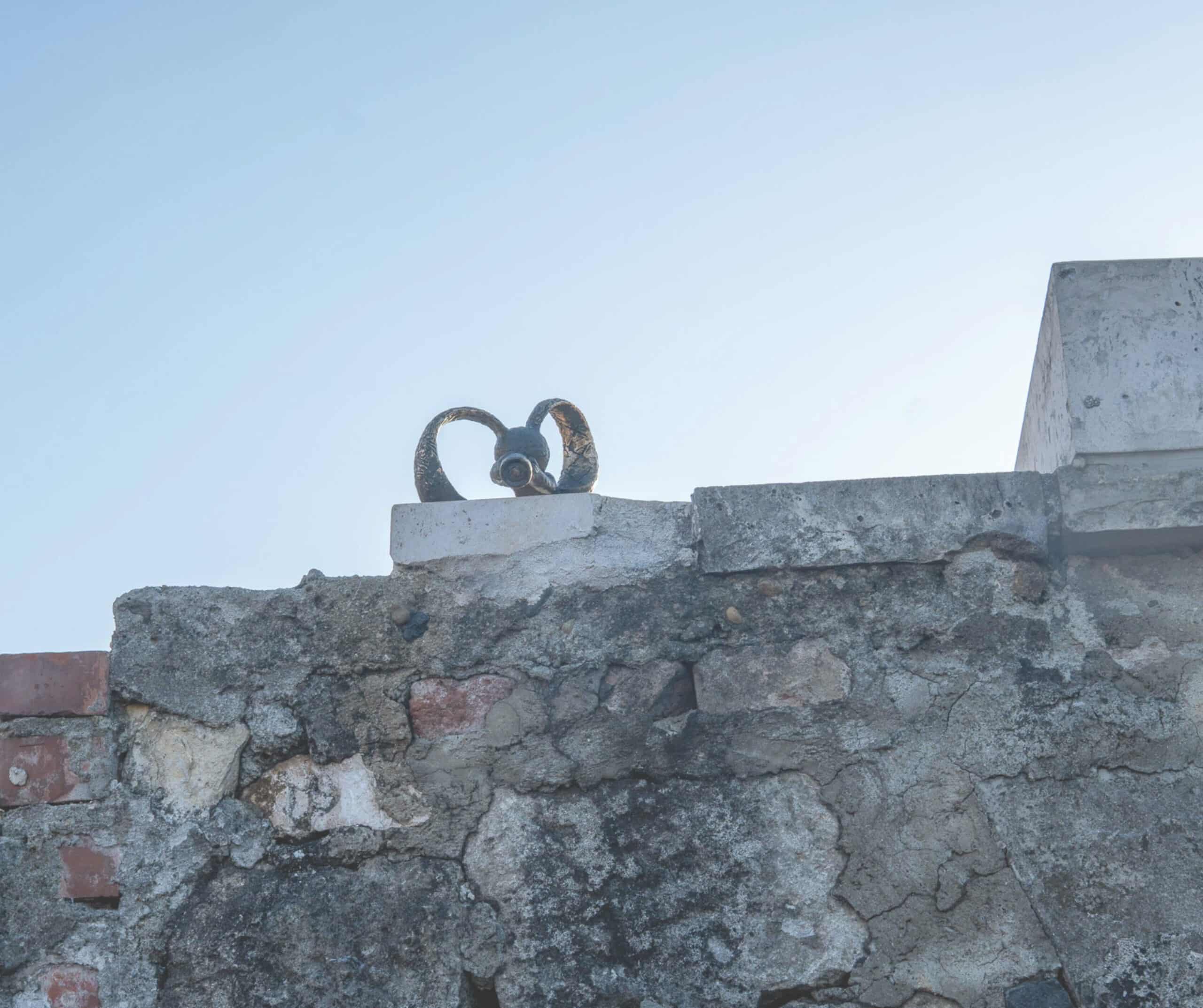
Most are no bigger than a clenched fist. Some are smaller, and there is no official announcement for when new ones pop up. They just appear, but if you follow Kolodko’s Instagram, he will announce when he has placed a new sculpture.
Each statue has a story. Kolodko always has a specific location in mind before he makes a piece, because the placement is part of the story.
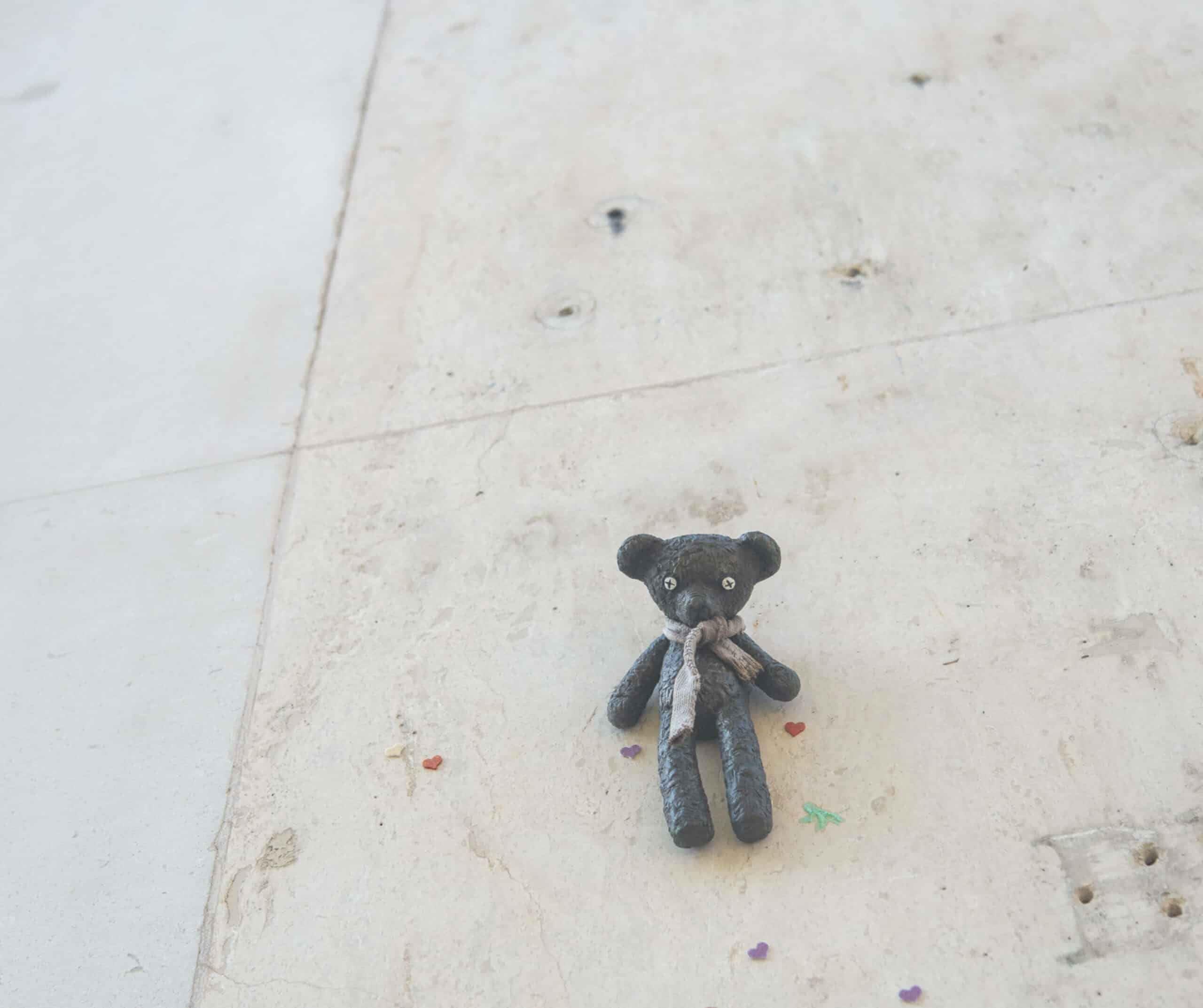
Some of the more famous sculptures are as follows:
At Liberty Square near Parliament, you’ll find a tiny Kermit the Frog sitting next to the bushes, placed there to commemorate when frog legs became a Hungarian delicacy in the late 19th century.
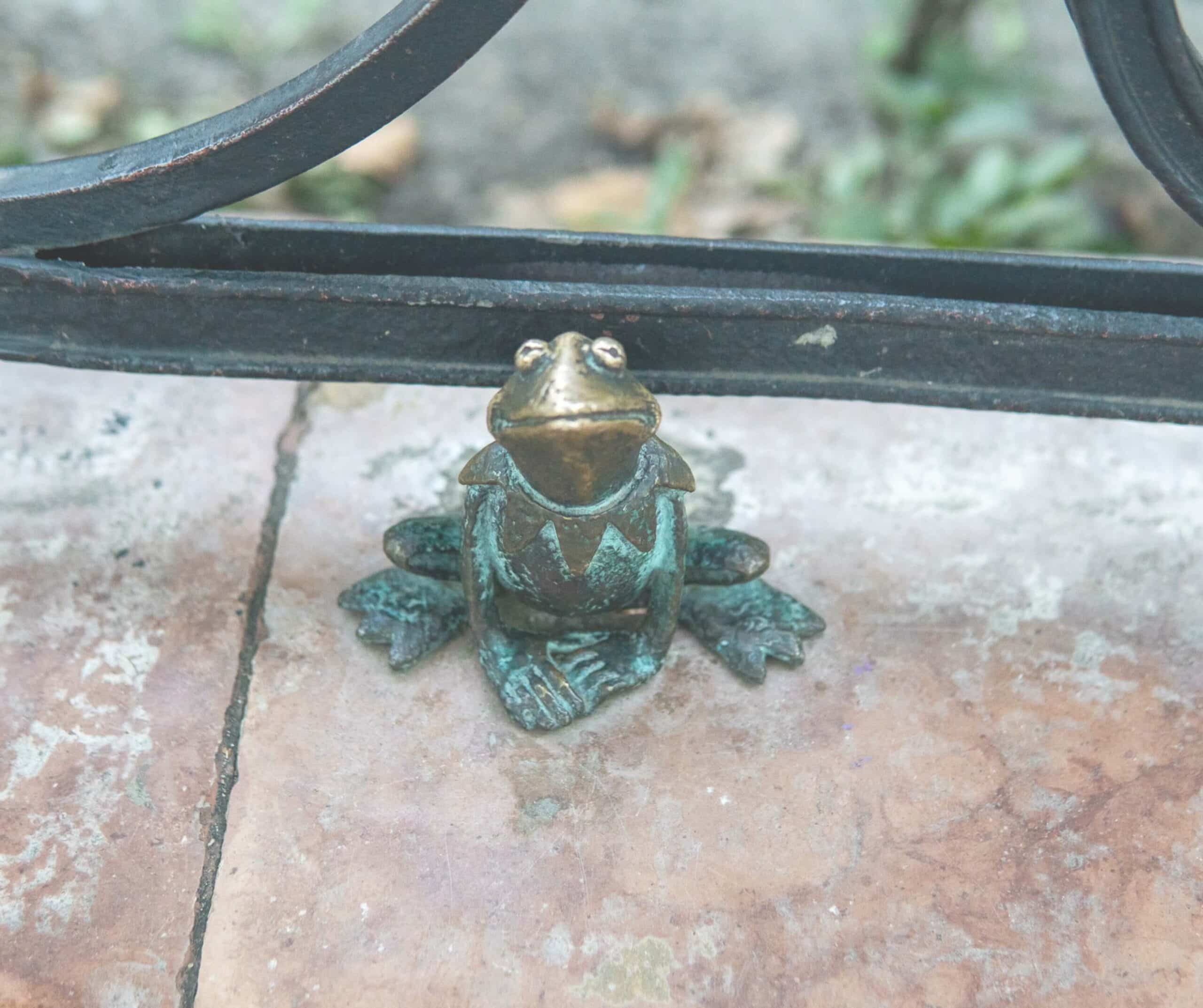
On Falk Miksa Street there’s a dead squirrel outlined in chalk with a tiny gun in its hand, positioned next to a full-size statue of Columbo.
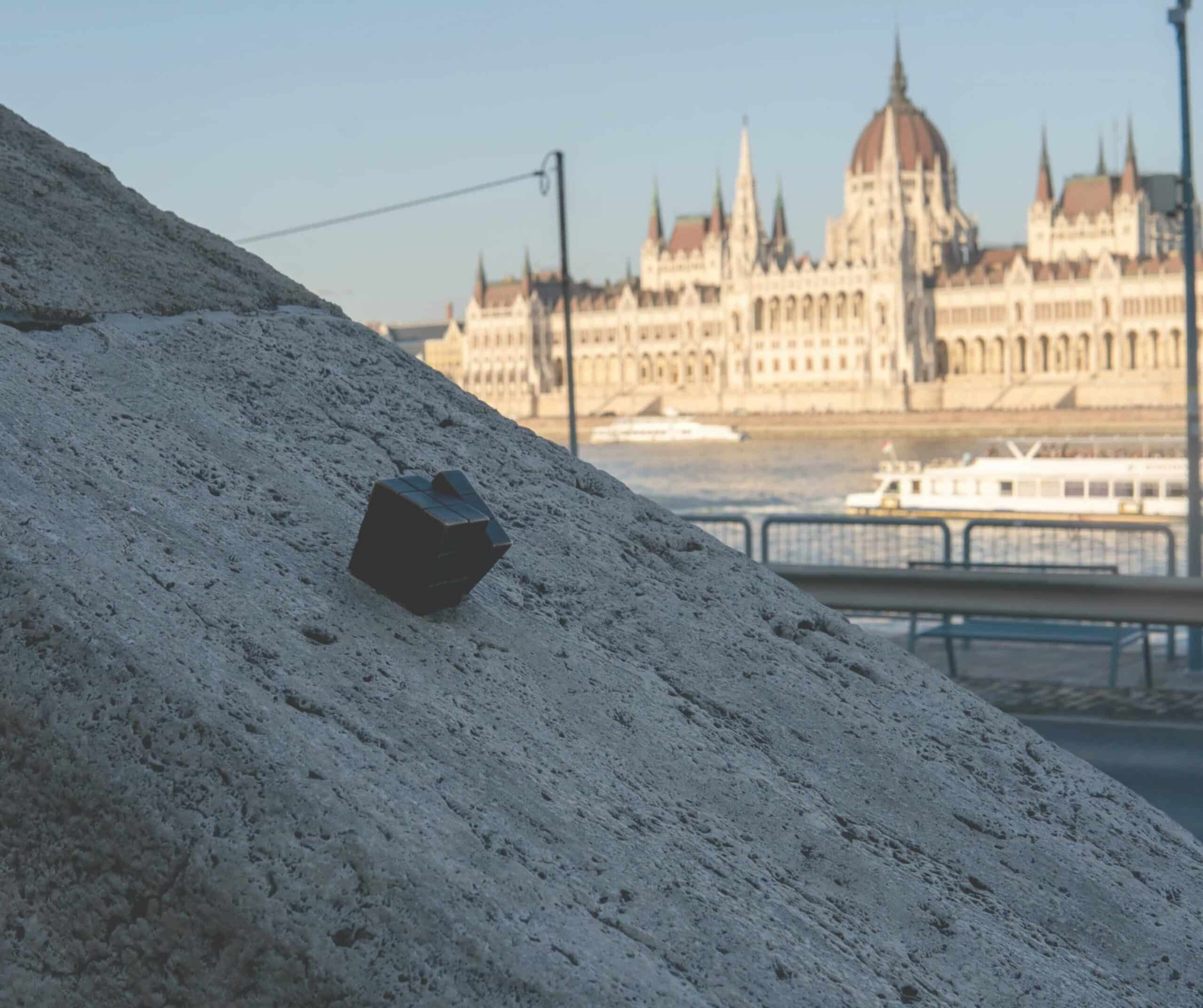
On the Buda embankment near Batthyány Square, on the wall of the stairs leading down to the river, there’s a miniature Rubik’s Cube directly opposite Parliament, honoring Ernő Rubik, whose Rubik’s Cube invention has confused everyone on Earth at some point.
Near the Dohány Street Synagogue, there’s a tiny Theodor Herzl on a bicycle, marking the spot where he was born.
There’s a group of little Hungarian dog breeds at Batthyány Street, and locals have been known to leave treats for them.
He also has made quite a few political pieces over the years. He placed a drooping cannon in front of Parliament, a tiny tank on the Bem embankment opposite the Parliament, and a Russian soldier peering into an empty pantry near the Buda riverbank. This was added in 2022 as a response to the war in Ukraine.
Two ways you can go about finding the statues are by guided tour or self-guided tour by using this map. I opted for a guided tour. It was nice having someone explain the stories behind every statue I was looking at.
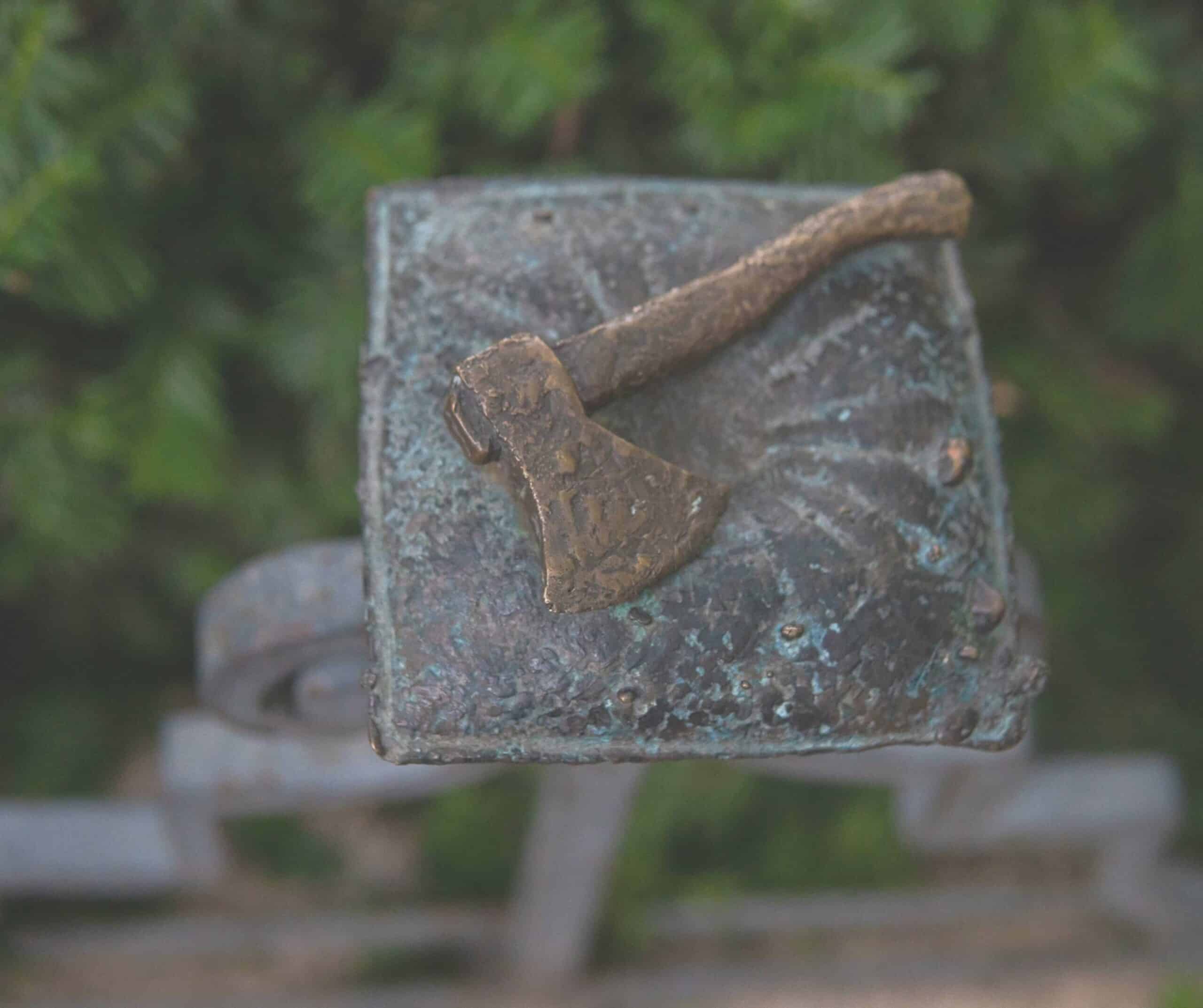
Once you find one statue, you will want to find them all, and you’ll be more observant walking around the city. You will find yourself looking differently at every railing and wall for the rest of your trip.
One warning: some statues have been stolen over the years. It happens. If you arrive at a location and find nothing, someone may have taken it.
Pay Tribute to Michael Jackson at His Shrine
Michael Jackson Memorial Tree | Address: Erzsébet tér, 1051 Budapest, Hungary
The Michael Jackson Memorial Tree in Erzsébet Square is one of Budapest’s most unexpectedly touching landmarks: a tree plastered with photos, handwritten letters, plastic roses, printed tributes, and an assortment of fan art, all dedicated to Michael Jackson.
And it’s been there since 2009 and shows no signs of stopping.
This all started when Michael Jackson visited Budapest three times in the 1990s, each time staying in the Royal Suite at the Kempinski Hotel, right across the street from the square.
His first visit was in 1994, when he came to film the promotional video for the HIStory album. He came back twice in 1996, first to scout the venue for his upcoming concert and then again to perform it.
During each stay, fans camped out in the park directly opposite the hotel hoping to catch a glimpse of him, and Jackson would regularly appear at the window to wave at them.
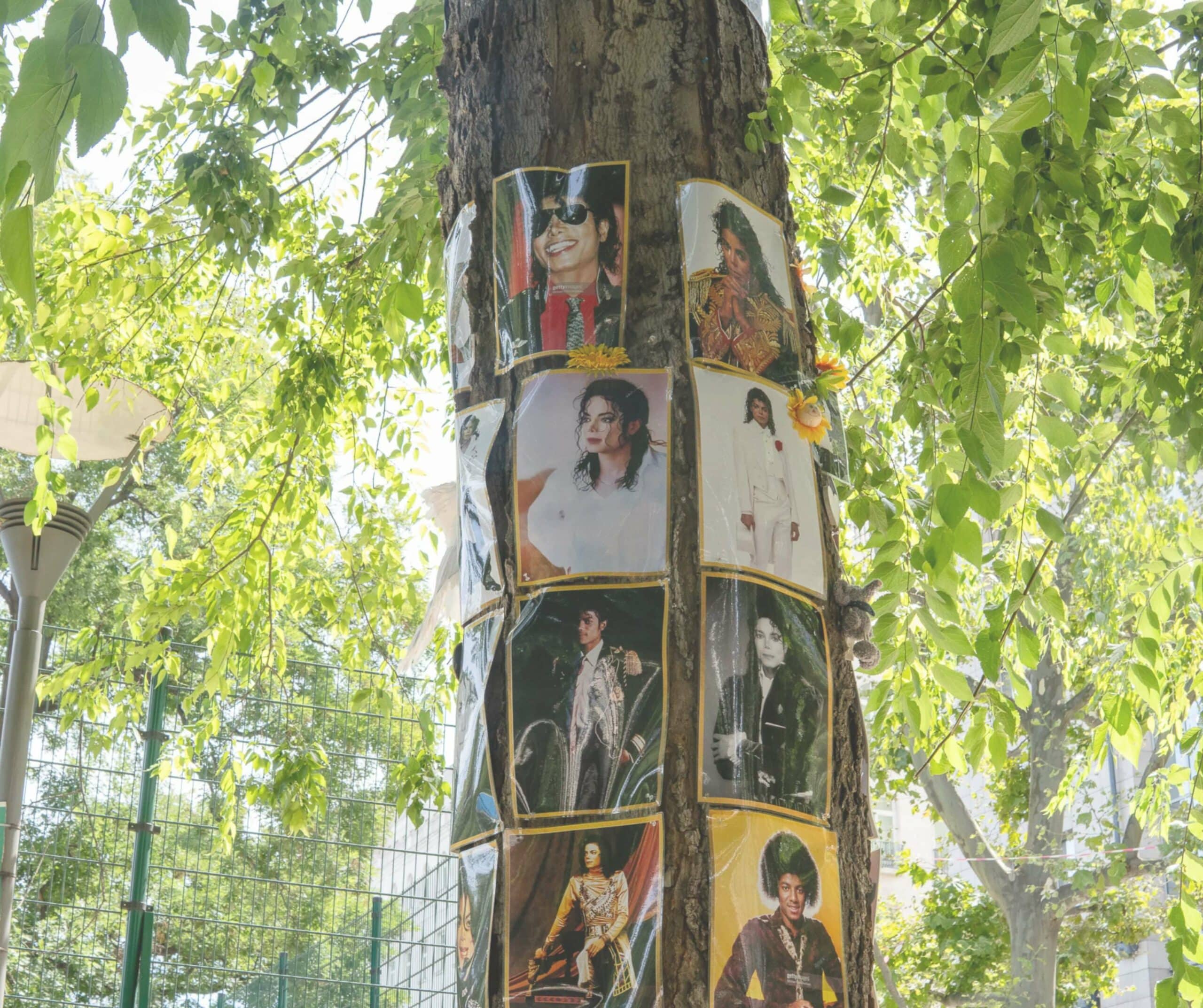
When he died in June 2009, his fans went back to that same spot. They lit candles, left flowers, and started pinning photos to the trunk of the tree. Budapest’s city officials let the tributes stay.
More people kept adding to it. And now, more than 15 years later, it’s a permanent landmark maintained by dedicated fans who come regularly to keep the flowers fresh, pull out dead plants, and make sure the shrine looks kept up.
Get Lost in Illusions at The Museum of Illusions
Museum of Illusions | Address: Budapest, Bajcsy-Zsilinszky út 3, 1065 Hungary
The Museum of Illusions in Budapest is a museum dedicated to optical illusions, perspective tricks, and interactive installations designed to make your brain question everything you think you know. If you’ve ever wanted to experience what it feels like to shrink, grow, flip upside down, and question whether your eyes are really working, this is a fun place to visit.
Inside, you’ll find rooms that play tricks on your perception: a tilted room where nothing sits at an angle, a vortex tunnel that makes you feel like you’re spinning, a reversed room where the whole world is upside down, and a mirror maze.
There are also holograms, optical illusion artworks, and a section of brain teasers and puzzle games at the end. Each exhibit comes with an explanation of the science behind it, which, I am not ashamed to admit, I read a good portion of.
One thing to be aware of: quite a few of the exhibits are designed for two people, so you’ll get more out of it if you go with someone. That said, I went alone and still had so much fun!
Watch a Movie in the City’s Smallest Theater
Cirko-Gejzírs | Address: Budapest, Balassi Bálint u. 15-17, 1055 Hungary
Cirko-Gejzír is an arthouse cinema hidden in a basement on Balassi Bálint Street in Budapest’s 5th district, and it holds the title of smallest movie theater in Budapest.
The theater has been around since the early 90s, started by a group of friends who wanted to show films that weren’t shown in mainstream cinemas, and fast forward to today, the theater is still going strong.
Unlike Hungary’s mainstream cinemas, which usually show dubbed versions of foreign films, Cirko-Gejzír screens films in their original language with Hungarian subtitles. So check the schedule and see if there are any English-language movies playing. Hungarian movies occasionally play too, sometimes with English subtitles, so that’s worth checking as well.
Take an Alternative Walking Tour
Alternative Budapest Walking Tour
BOOK THIS BUDAPEST ALTERNATIVE WALKING TOUR
The Alternative Budapest Walking Tour is a roughly three-hour guided walk through District VII, the old Jewish Quarter, focused on street art, ruin bars, galleries, and the creative scene. Budapest has a way of surprising you if you’re willing to get off the tourist track, and this is the easiest way to do it.
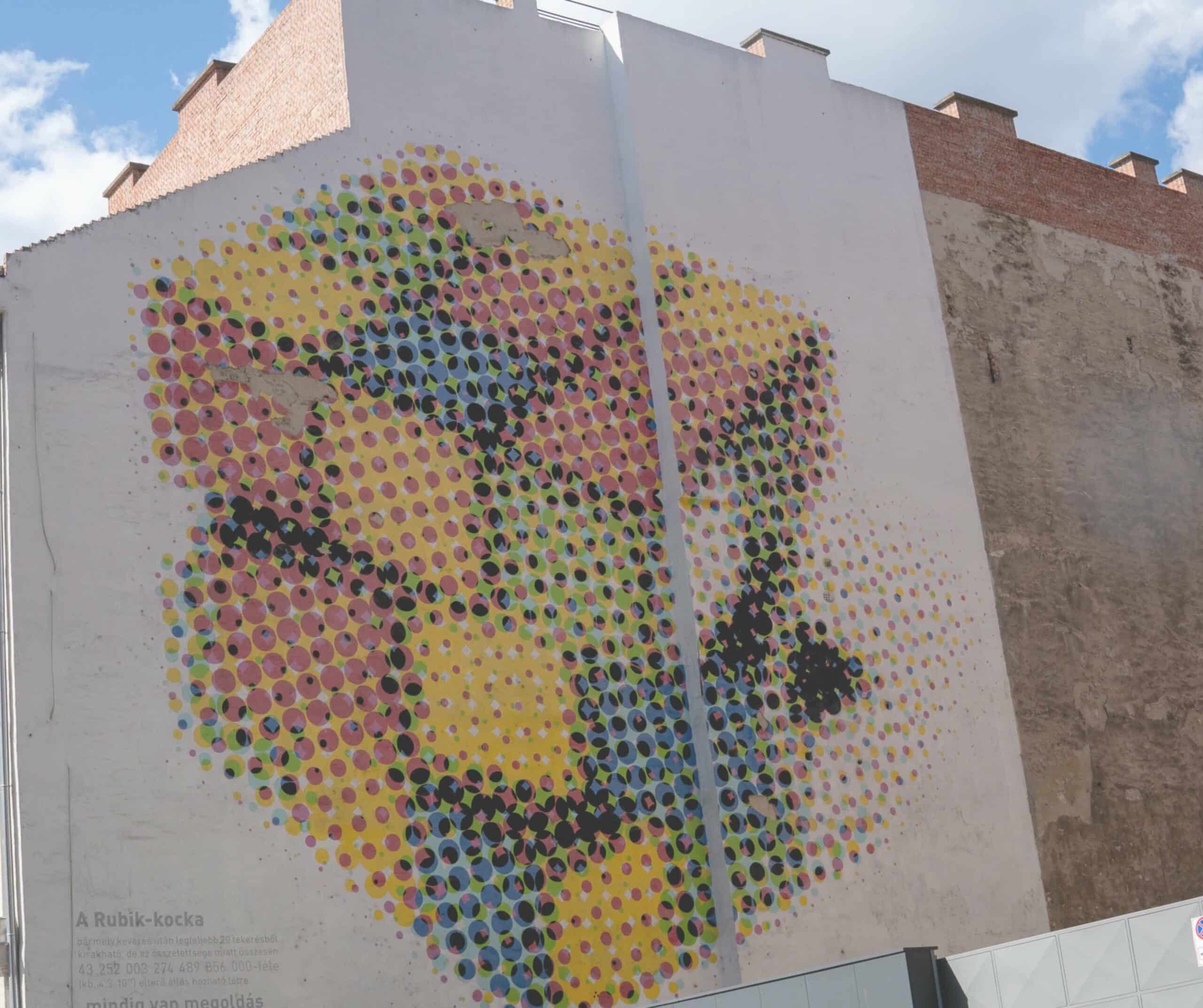
The neighborhood has spent decades being neglected, and then artists, musicians, and locals started filling the empty spaces.
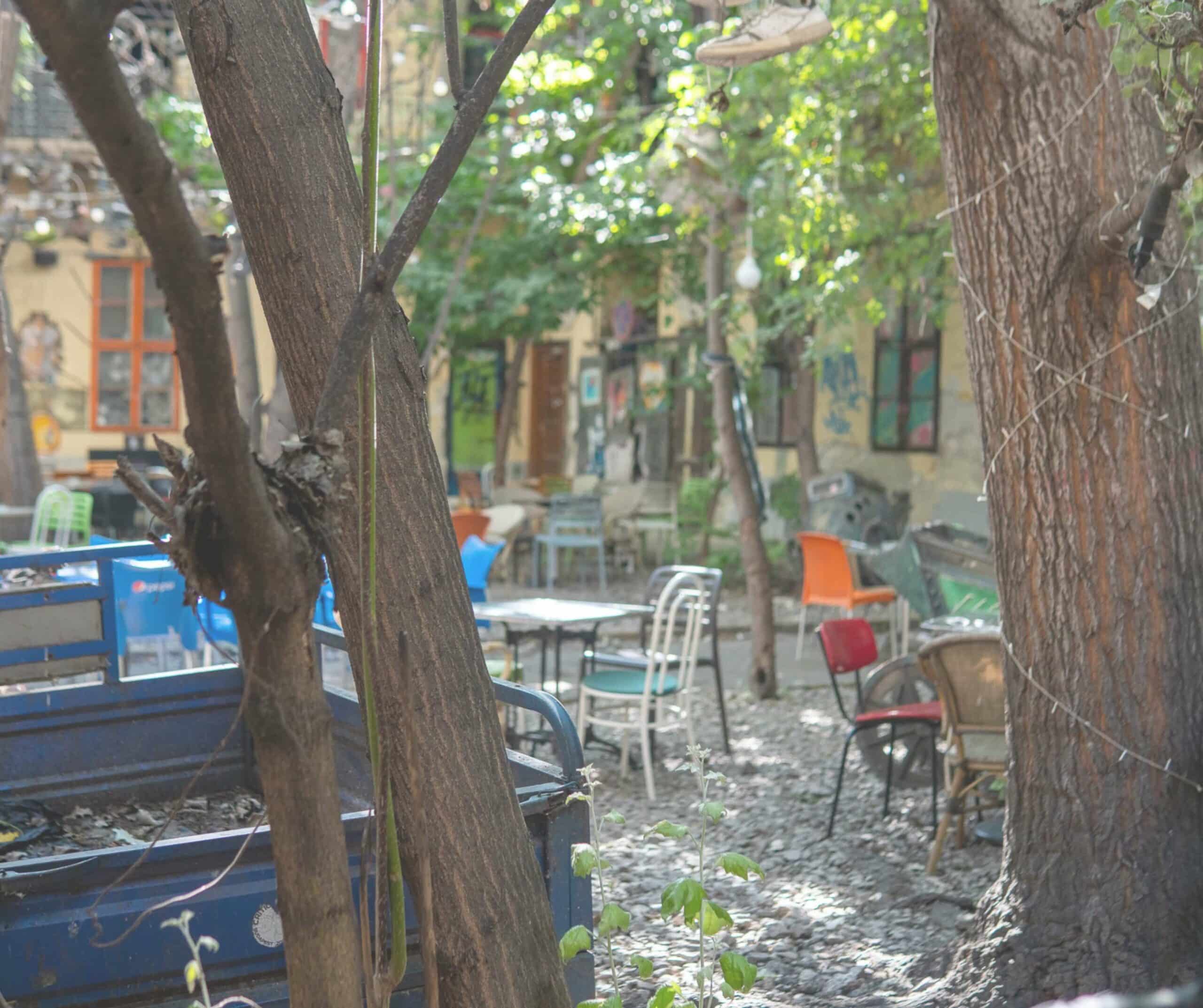
Ruin bars moved into derelict buildings. Murals were painted. Independent galleries and community spaces appeared. It’s now one of the coolest areas to explore in Budapest.
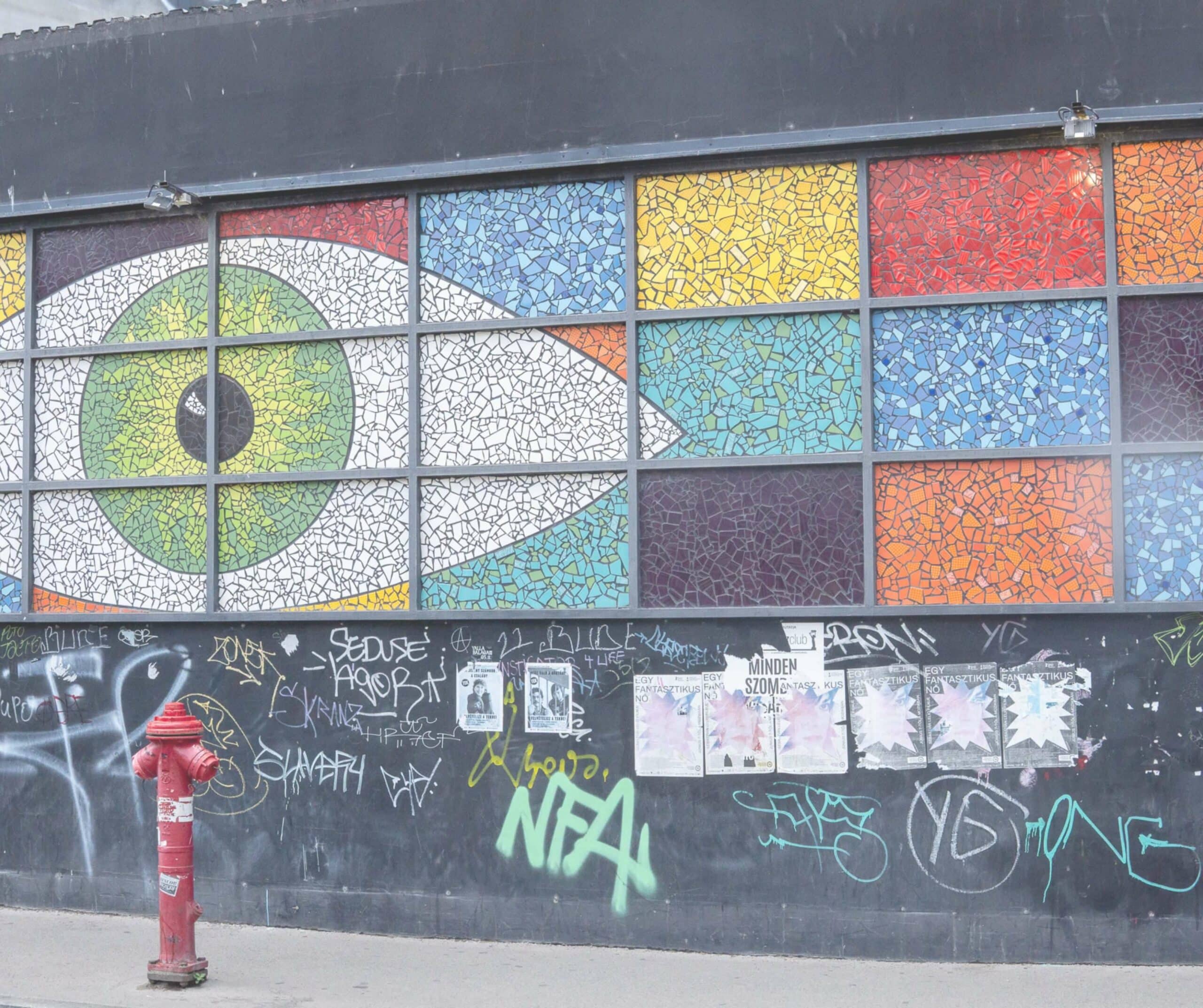
On this tour, you’ll visit ruin bars, see incredible street art, visit independent art galleries, and explore really cool shops. There’s also a stop for a coffee or a drink along the way at a cool ruin bar/cafe.
The guides on this tour are active in Budapest’s creative scene, so it’s interesting learning about this side of Budapest from them, especially hearing the stories behind the street art you will see on the tour.
Buda Castle District Vampires and Myths Night Tour
BOOK THIS VAMPIRE AND MYTHS NIGHT TOUR
The Buda Castle District Vampires and Myths Night Tour is an evening walking tour through the Castle District that trades daytime history for Hungary’s dark side: vampires, myths, and legends told by a guide in full Gothic period costume.
Buda Castle at night is stunning and a little spooky. It’s lit up, quiet, almost eerie, and once you add the costumed guide, the atmosphere goes from “beautiful” to unsettling real quick. It feels like something could be lurking just around the corner.
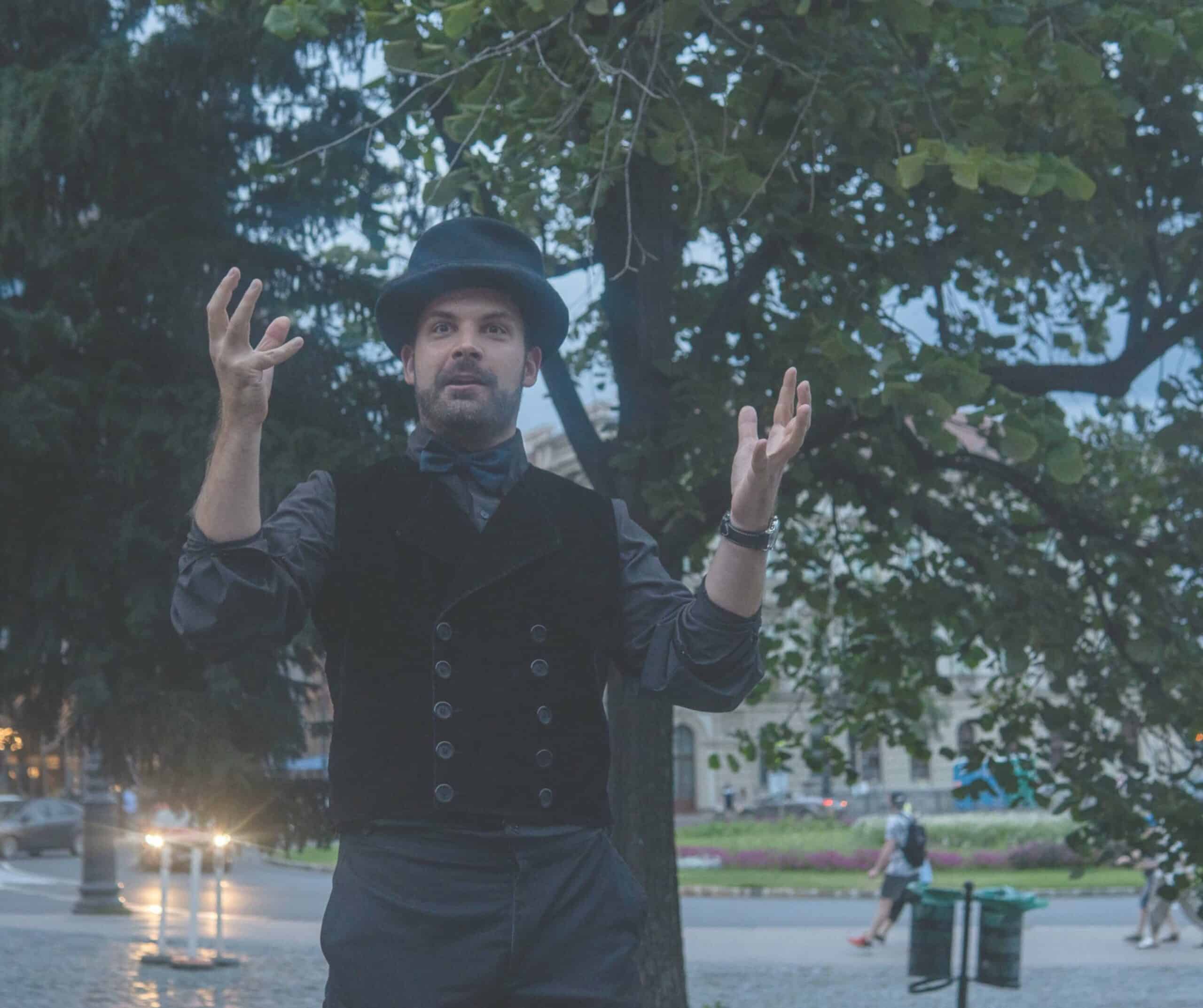
You meet at the Zero Kilometre Stone in Clark Ádám Square, right on the Buda side of the Chain Bridge at the bottom of the castle hill. The tour walks up from there, which means yes, there’s a climb involved. However, if you have mobility issues or don’t want to climb, there’s a funicular nearby (not included in the price) that can take you to the top, where you can join the group.
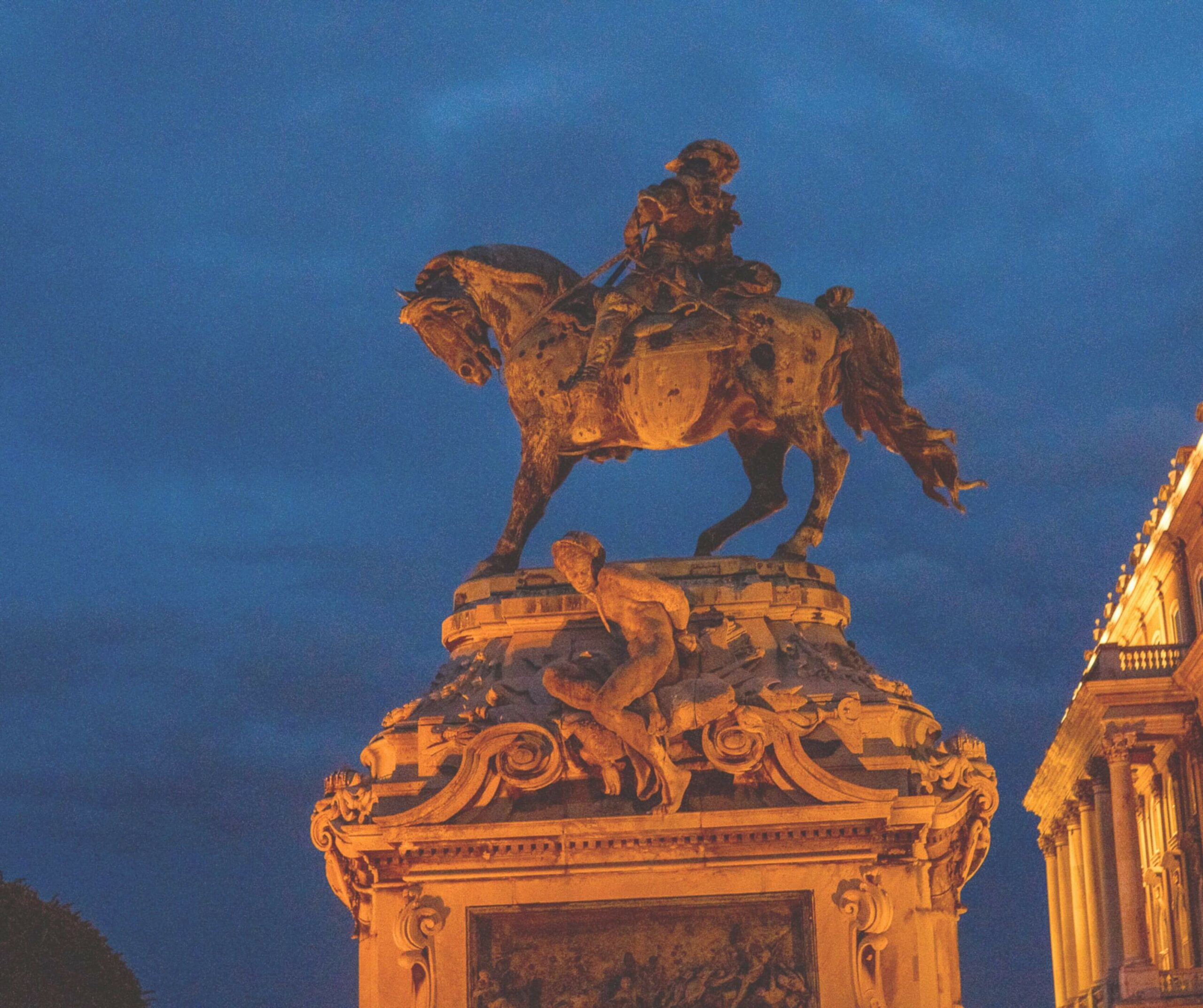
Like most ghost tours, the stories you hear will be unsettling, and I don’t recommend this tour for anyone with a sensitive stomach or anyone under the age of 16. Hungarian history is dark. You will hear tales of Elizabeth Báthory, the so-called Blood Countess; Vlad Dracula, who was imprisoned in Buda Castle for a period; and stories of vampires and other creatures who roamed the streets and villages after dark.
Communism Walking Tour
BOOK THIS COMMUNISM WALKING TOUR
The 3-Hour Walking Tour About Communism is a guided walk led by a local historian covering Budapest’s communist era, from the brutal Stalinist years of the late 1940s and 50s, through the 1956 revolution, and into the strange decades that followed.
That later era is what historians call “goulash communism,” where Hungary became known, weirdly, as the happiest place in the Soviet Bloc.
You will visit Kossuth Square in front of Parliament, where some of the craziest moments of the 1956 revolution played out. You’ll also see Liberty Square, home to the US Embassy, a Soviet Army memorial, and a statue of Ronald Reagan.
You will also pass by the House of Terror, the former headquarters of the secret police, which has a segment of the Berlin Wall outside it, donated in 2010 and displayed next to an Iron Curtain monument made of chains
At the end of the tour, you stop into a communist-era cafe for a coffee. I actually didn’t realize Budapest had any communist cafes still around, so that was really cool!
Get Spooked at a Year-Round Haunted House
Nightmare in Budapest | Address: Budapest, Szentkirályi u. 6, 1088 Hungary
Nightmare in Budapest is an interactive haunted house that combines live actors, mazes, and escape-room-style puzzles. If you’re a thrill seeker looking for something a little out of the ordinary, it may be right up your alley.
You may regret entering, like I did. Don’t get me wrong, I enjoyed it, but I have never been so scared going through a haunted house. Also, I think it was not the best decision to go through it alone.
Just a fair warning: if you are used to haunted houses in the US where they don’t touch you, well, this one will be very different. The actors will touch you, but they are gentle, so don’t be alarmed if you get nudged here and there.
The whole experience runs about 25 to 35 minutes, which sounds short until you’re actually inside and those 35 minutes feel like a lifetime.
When you are inside, you move through multiple rooms, and along the way there are smaller tasks you have to solve to find your way through. A few games I had to complete were finding spare body parts in a kitchen, finding a hidden tunnel that I needed to crawl through, and singing a song to summon a demon.
This honestly was one of the best haunted houses I have ever been in. It was so well done. Although, I probably wouldn’t recommend going in alone. I mean, who does that?
Watch a Classical Music Concert at a Church
BOOK A CLASSICAL MUSIC CONCERT
Budapest’s churches double as some of the city’s best concert venues, and catching a classical concert inside one is worth doing even if you’re not religious. I’m not, and attending a couple of these was one of the best things I did in the city.
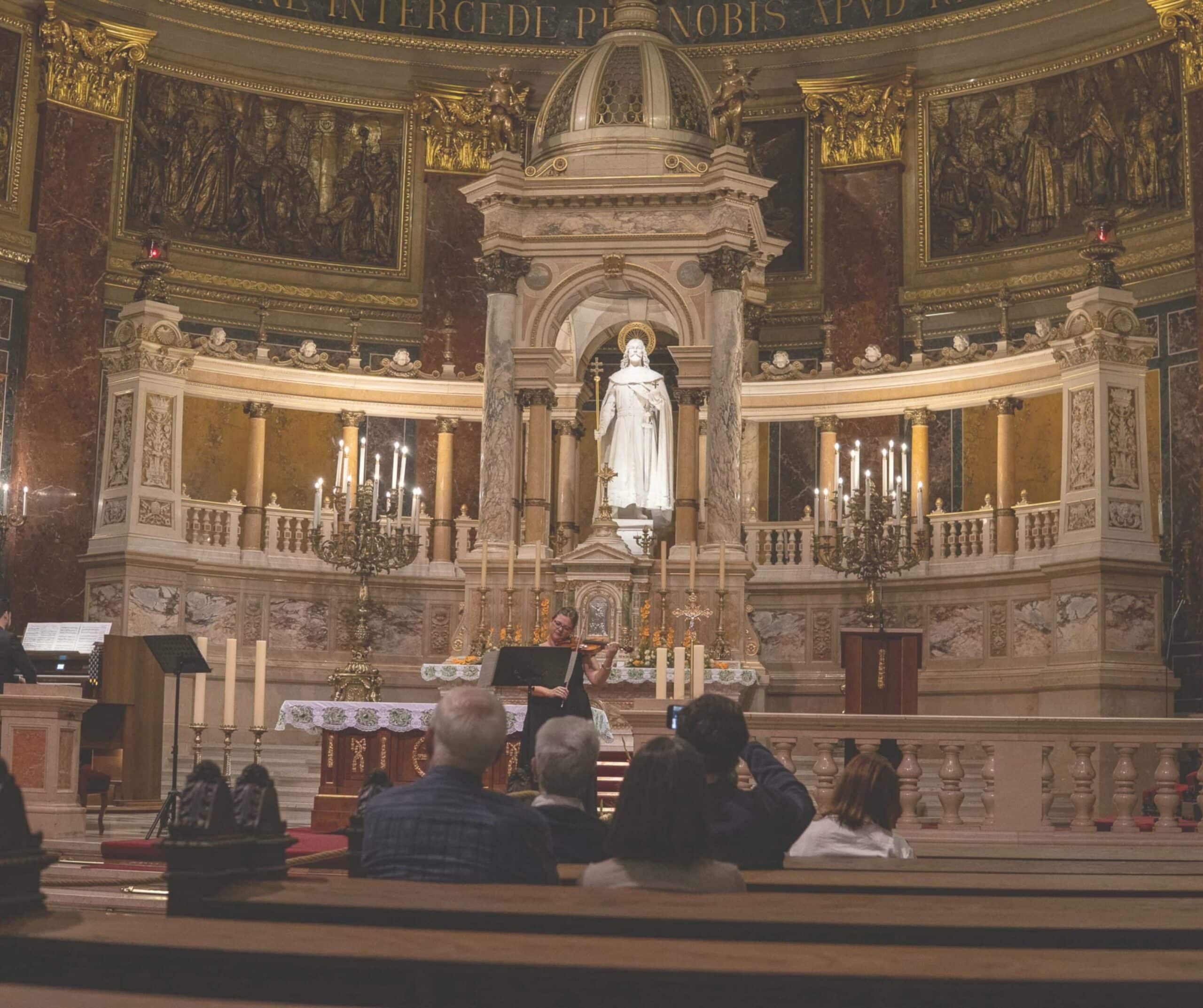
St. Stephen’s Basilica is probably the most well-known. It’s the largest church in Budapest, and the acoustics inside are extraordinary. Concerts run regularly throughout the week on Mondays, Tuesdays, Thursdays, and Sundays, with programs typically featuring works by Bach, Vivaldi, Mozart, Liszt, and Schubert.
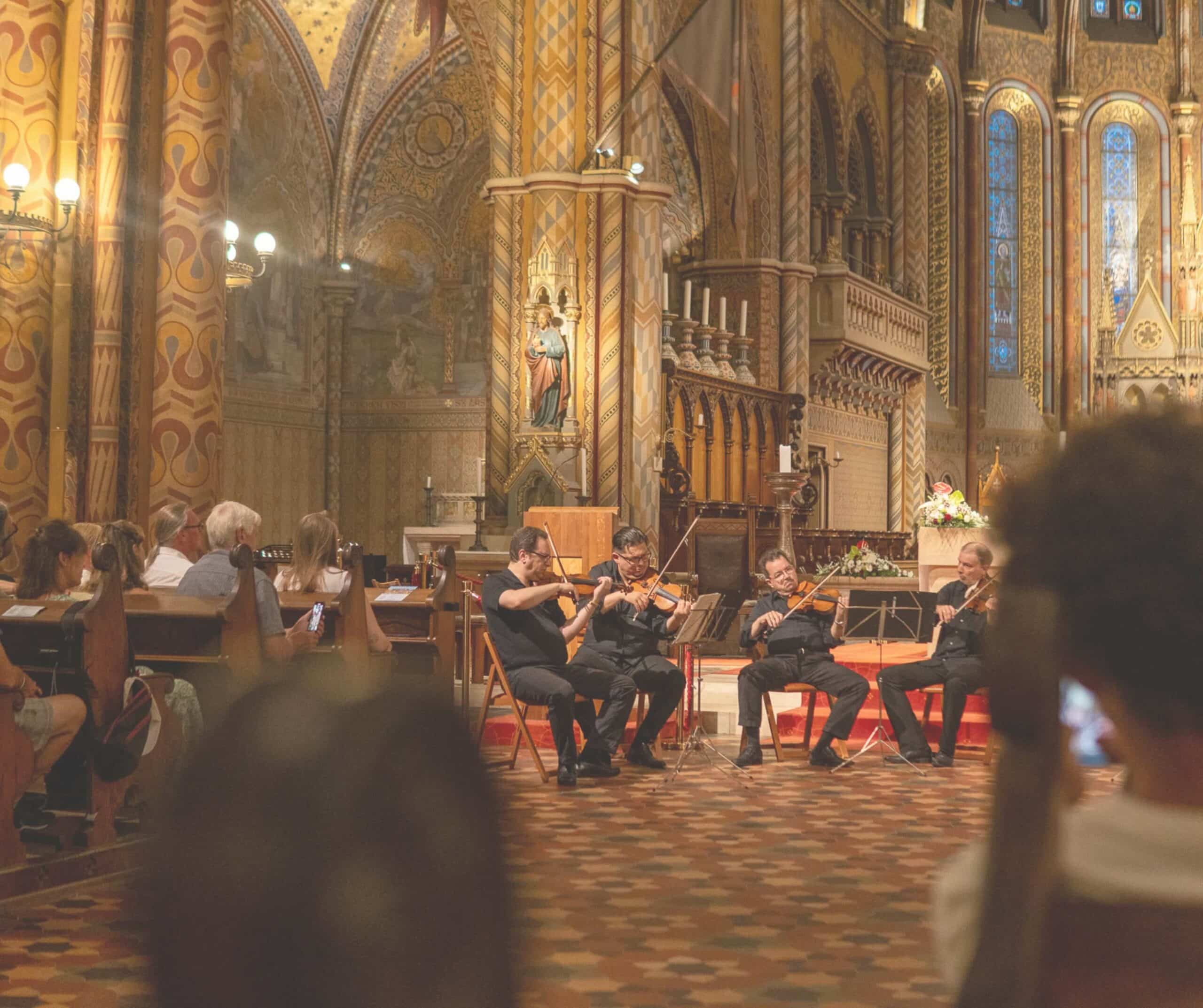
Matthias Church, up on the Buda Castle hill, has roots going back to the 11th century, though what stands today is a stunning late Gothic structure that was restored in the 19th century.
The Danube String Orchestra performs here regularly, and organ concerts take place on Sunday evenings as free 30-minute performances. In summer, Friday night organ concerts run through July and August as well. Concerts generally last about 70 minutes.
Beyond those two, St. Michael’s Church runs a string orchestra concert series, and St. Anne’s Church, a beautiful baroque building in the Buda neighborhood of Watertown, also hosts classical concerts throughout the year.
Nature Hidden Gems in Budapest
Explore Budapest’s Cave Network
Beneath Budapest lies one of the world’s most remarkable urban cave systems: an extensive network of around 200 natural caves winding under the city, many of them directly below residential neighborhoods.
Budapest sits on top of a massive limestone bedrock, and over thousands of years the city’s thermal waters slowly dissolved the rock from below, creating a vast underground cave system.
Budapest is the only capital city in the world with a natural cave system of this size running beneath its streets and buildings.
There are a few different ways to explore them, depending on how adventurous you’re feeling.
If you are adventurous and you don’t have claustrophobia, the Adventure Caving Tour at Pálvölgyi Cave is the one to go for. You are climbing walls, crawling through narrow passages, squeezing through gaps you are not entirely sure if you are going to fit through, and scrambling over rocks for about two and a half hours.
The groups are small, capped at ten people, and all guides are members of the Hungarian Caving Association, so you are in safe hands even when it feels very much like you are not. All that climbing will leave you sore, so it’s a good excuse to head straight to a thermal bath afterward.
If you want something less physically demanding, Pálvölgyi Cave also runs regular guided tours along a more accessible route, and tours run more frequently.
The cave was discovered in 1904 and has been open to visitors since 1919, and exploring these caves is truly one of the most unique things you can do. I did it years ago and remember how incredible it was.
Soak Up the Sun on Margaret Island
Margaret Island (Margitsziget) | Address: Margitsziget, 1138 Budapest, Hungary
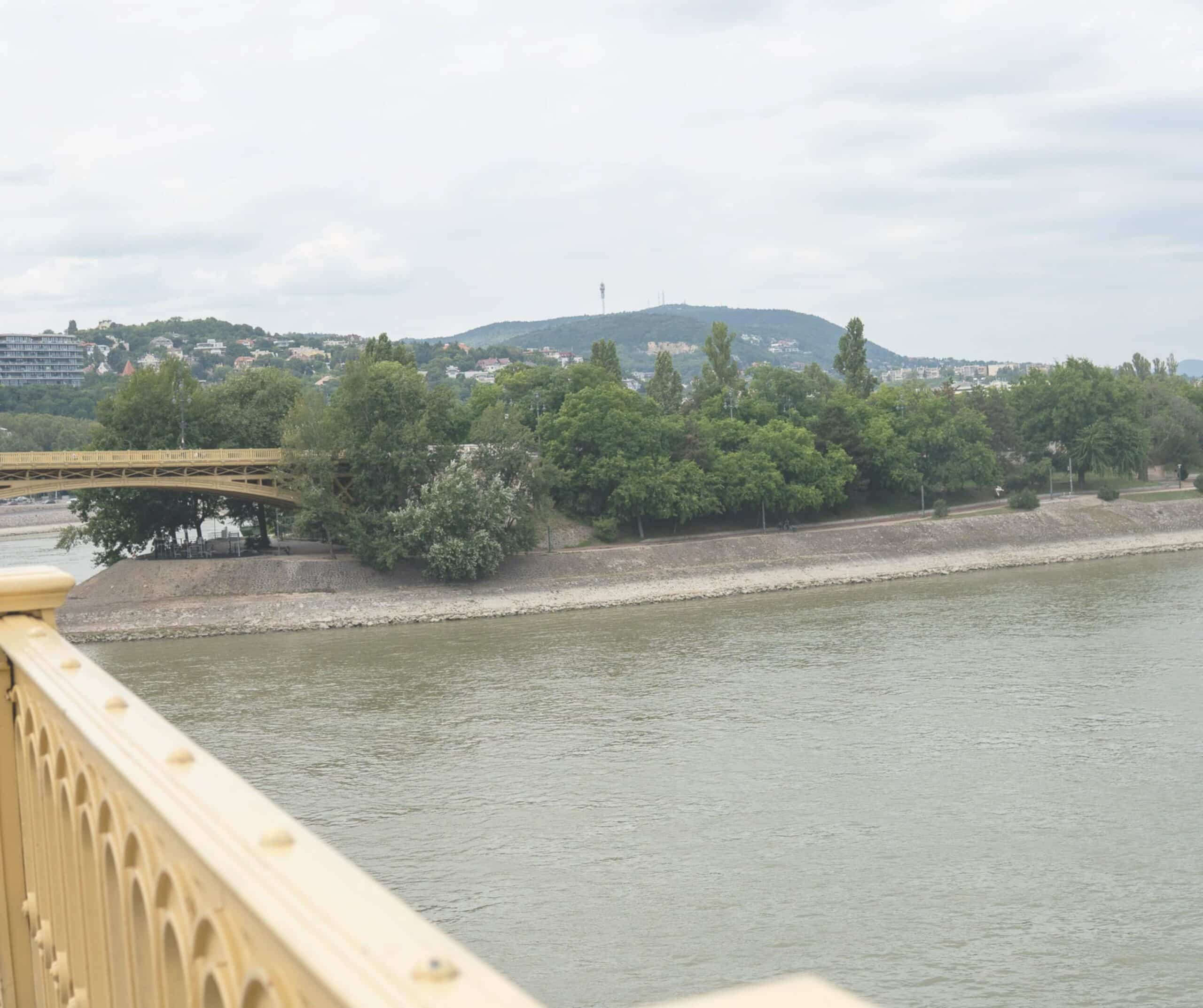
Margaret Island is a car-free island in the middle of the Danube, about 1.5 miles long, that serves as central Budapest’s green escape. If you need a break from sightseeing and just want somewhere to breathe for a few hours, this is the answer.
You can walk the whole loop in about an hour and a half, hire a bike, rent a golf cart, or just find a patch of grass and do absolutely nothing for a while.
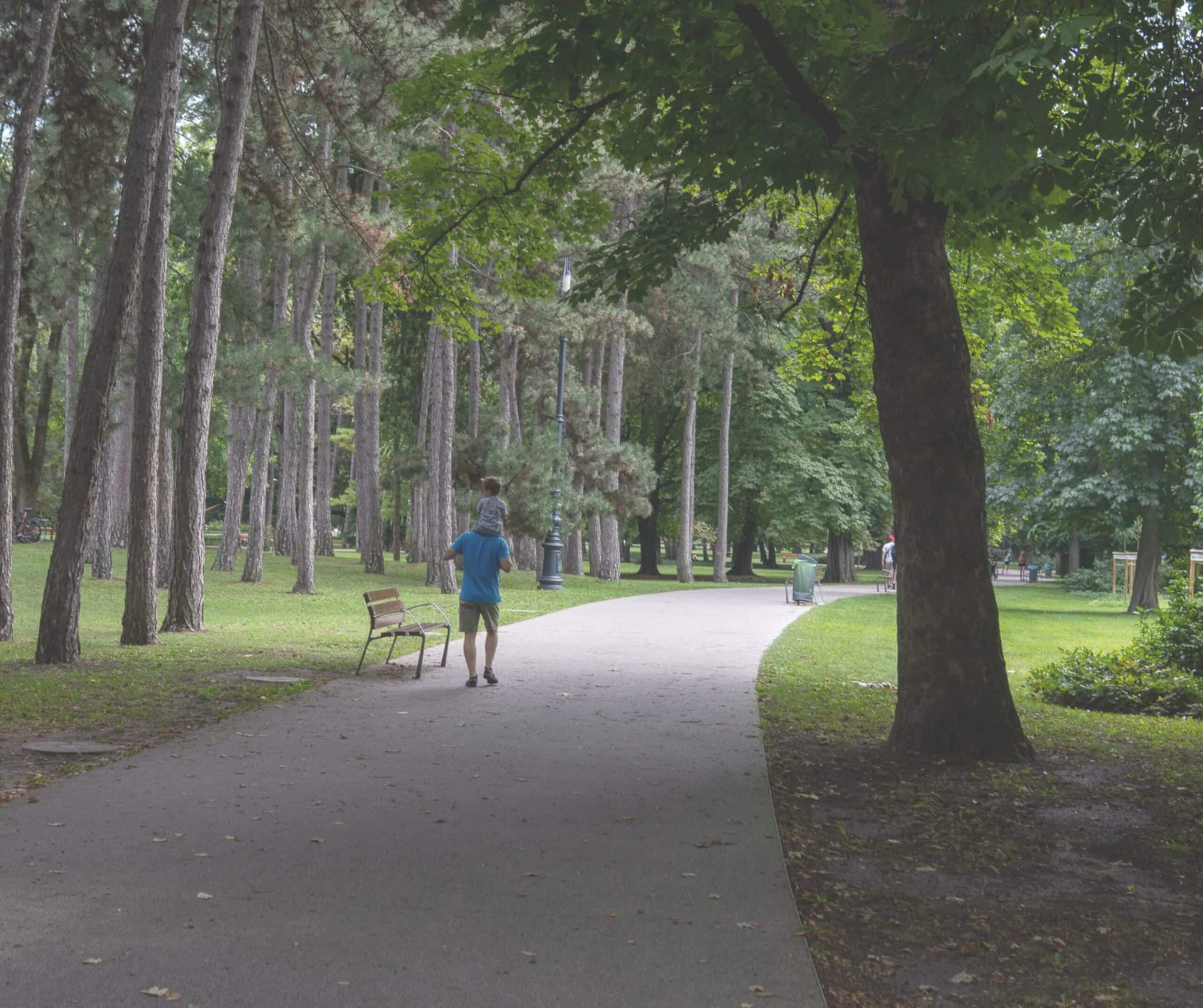
Margaret Island was originally known as Rabbit Island, and for a long time it was used as a royal hunting ground. In the 13th century, King Béla IV sent his young daughter Margaret to live in a Dominican convent there, and the island was eventually renamed after her.
The ruins of that convent are still standing. There is also the Chapel of St. Michael, which contains the oldest surviving bell in Budapest, cast in the 15th century, and the ruins of a Franciscan church nearby.
Don’t miss the musical fountain near the southern entrance. It puts on choreographed water jet shows several times a day, with jets shooting up to 33 feet in the air to everything from Vivaldi to The Rolling Stones.
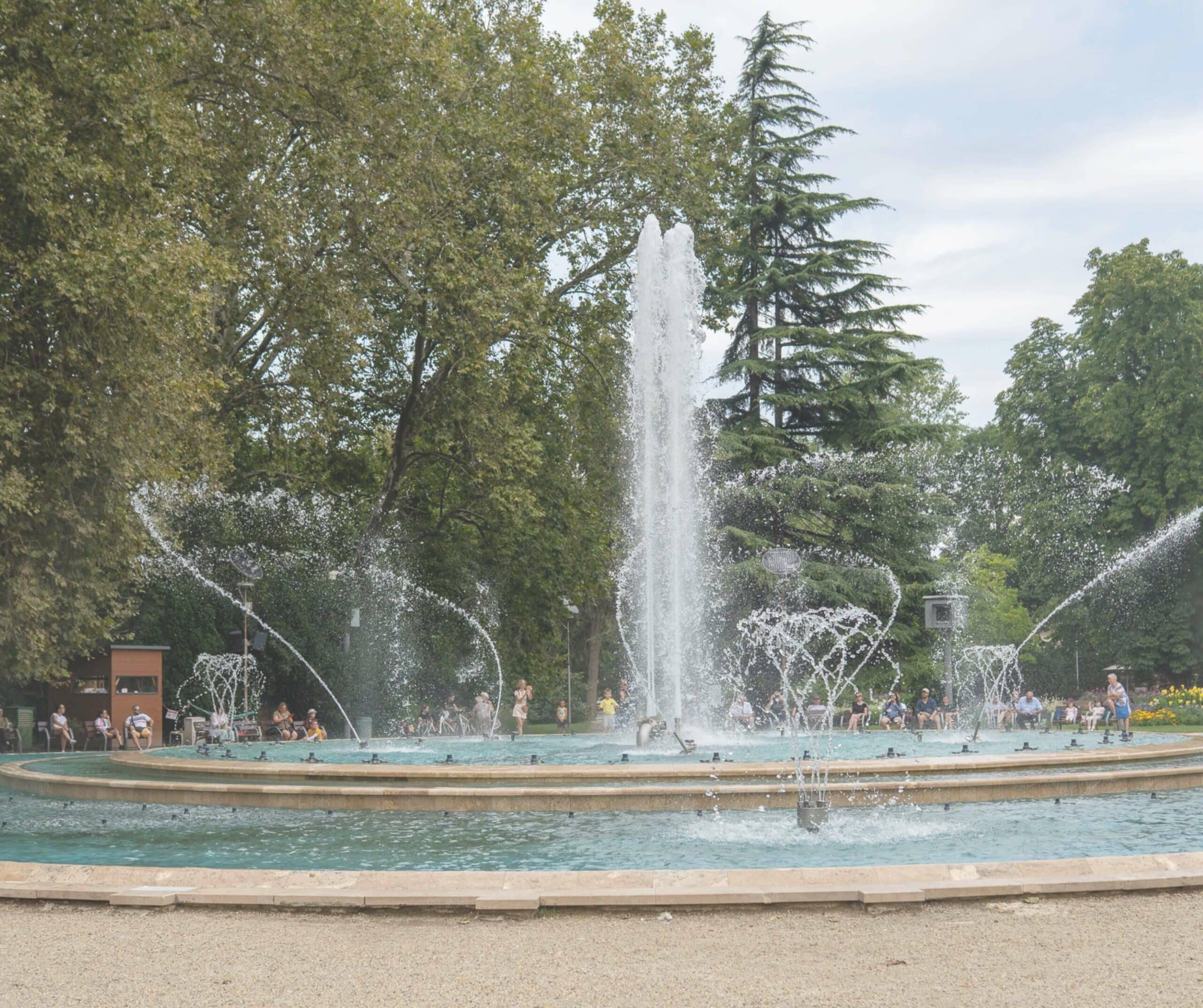
It’s really cool, especially after dark when it’s lit up. There is also a Japanese garden on the northern end of the island, with lily ponds, a waterfall, and cherry trees that bloom in late March. The Palatinus Strand is a large outdoor water park and thermal baths complex that’s open year-round, so you could easily spend at least half a day here or more.
Take a Chairlift to the Highest Point in the City
Zugliget | Address: Budapest, Zugligeti út 97, 1121 Hungary
The Zugliget chairlift (Libegő) is an open-air chairlift in the Buda Hills that carries you up to János Hill, the highest point in Budapest. It’s one of my favorite things to do in the city, and also one most visitors never get to.
It sits in the 12th district, about 30 minutes from the city center. On a clear day, the view from the top stretches across the entire city.
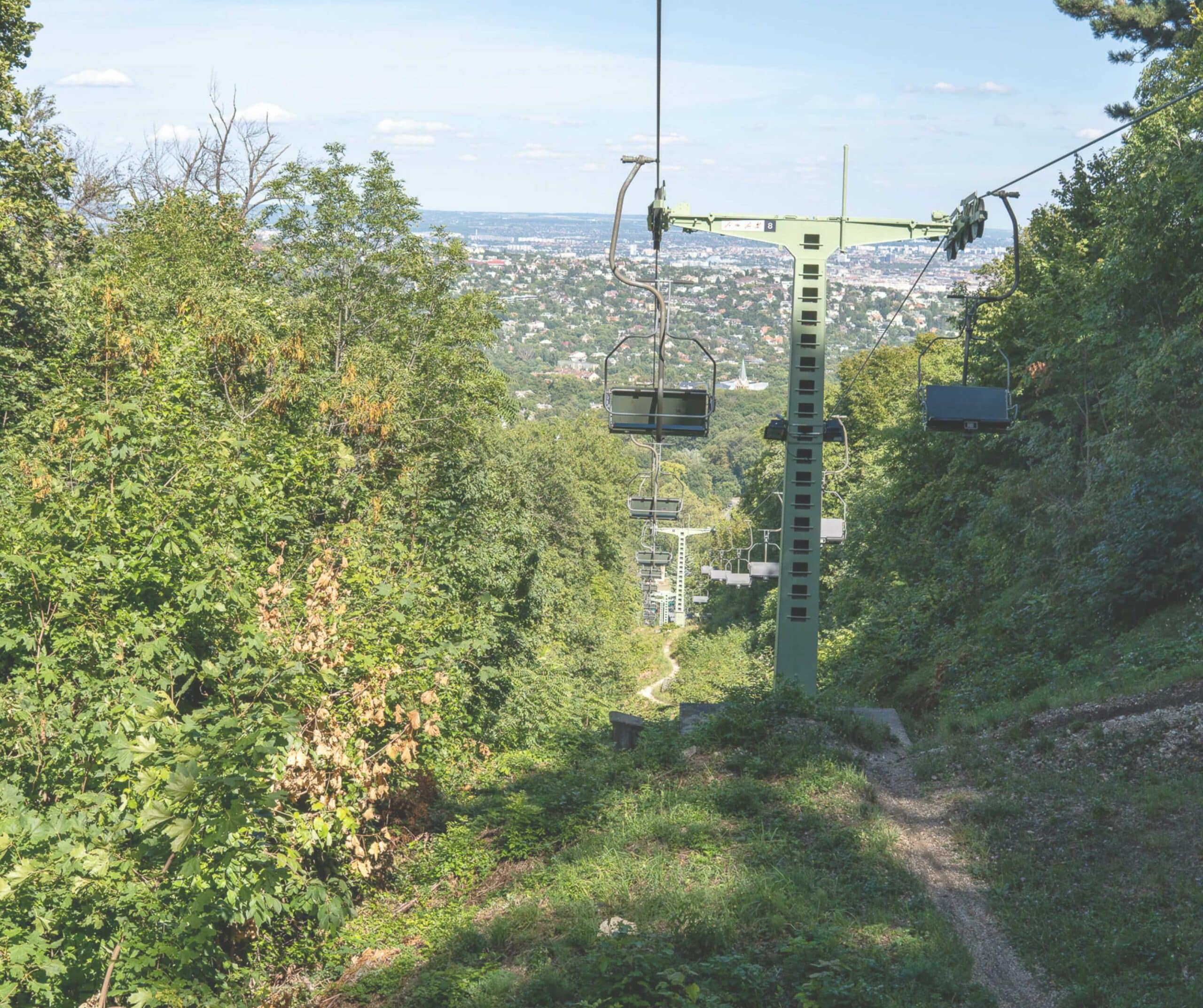
At the top there is a cafe, and a short uphill walk of about ten minutes brings you to the Elizabeth Lookout Tower, built in 1910 and named after Empress Elizabeth of Austria. There is so much to explore when you get to the top. I spent almost an entire day up there and wished I would have packed a picnic.
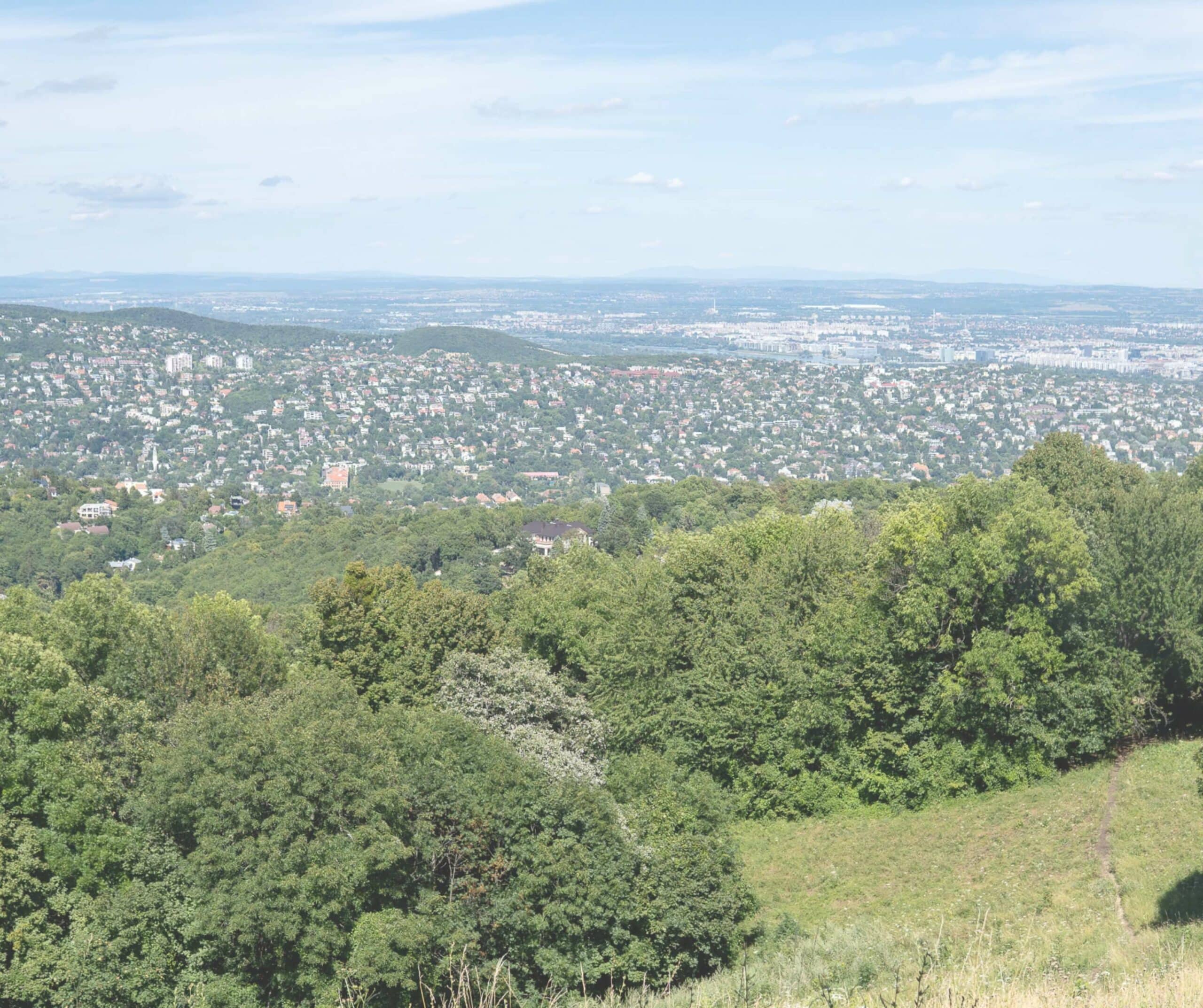
You have two ways to experience Zugliget. You can either get there on your own, which will take a bit of time because it is quite far out of the city center. If you are short on time, this probably won’t be the best option, but here is the schedule and ticket information if you do decide to go on your own.
Your second option is going with a tour! This tour will pick you up from the city center and drive you to the chairlift, so you don’t have to think about any logistics.
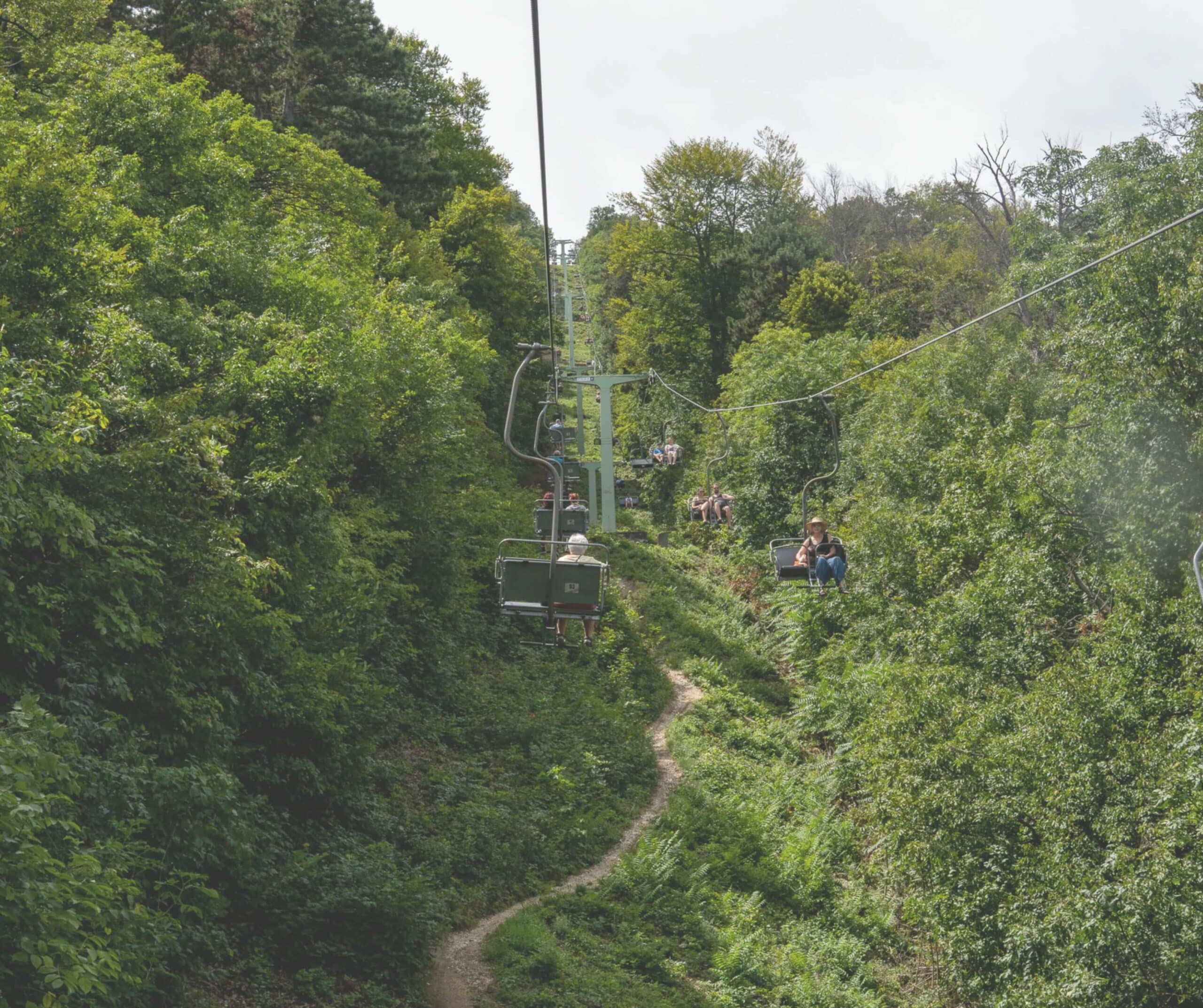
If you are short on time but want to do the chairlift, I recommend the latter, but if you have 5-6 hours to spare, I recommend going on your own.
Wander Through the Oldest Botanical Garden in Hungary
Füvészkert | Address: Budapest, Illés u. 25, 1083 Hungary
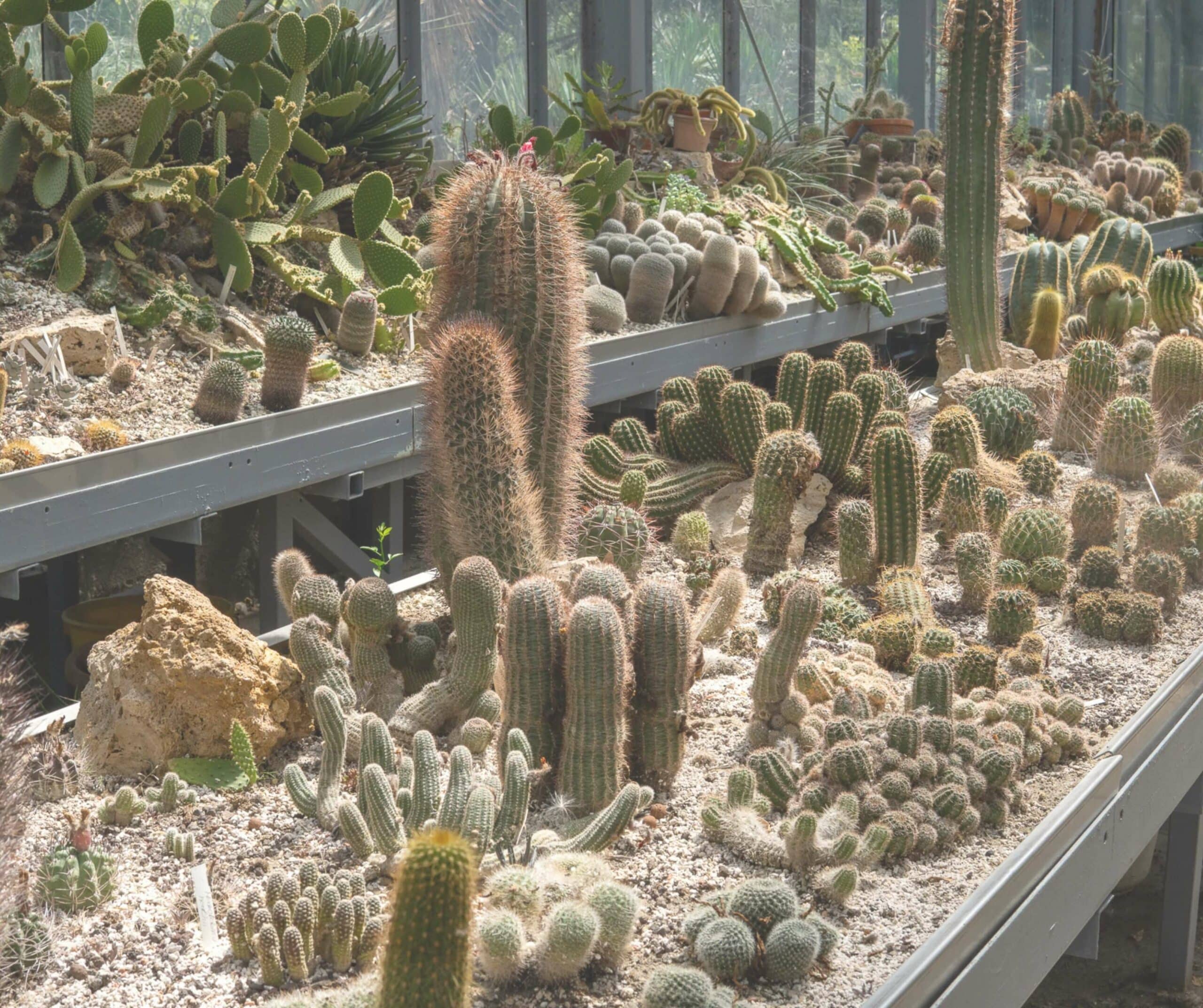
Füvészkert (the ELTE Botanical Garden) sits in Budapest’s 8th district and is the oldest botanical garden in Hungary, founded in 1771 by the predecessor of Eötvös Loránd University, which still runs it today. Despite being only about 7.5 acres, it manages to pack in over 8,000 plant species.
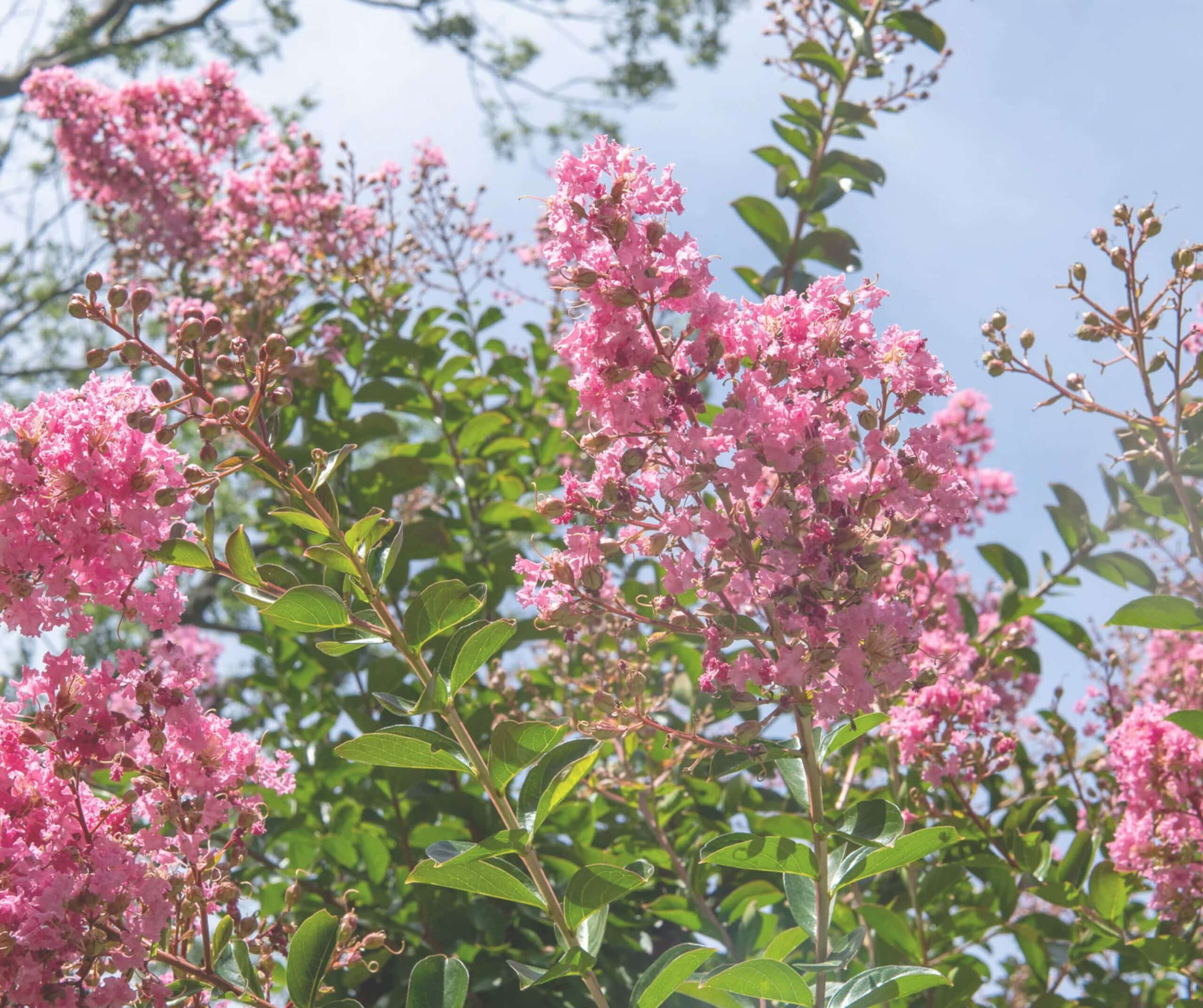
It has been a protected nature conservation area since 1960 and was added to Hungary’s Cultural Heritage list in 2006. Inside, you’ll see the Palm House, which was built in 1865 and is one of the oldest greenhouses of its kind in Hungary, filled with tropical and subtropical plants.
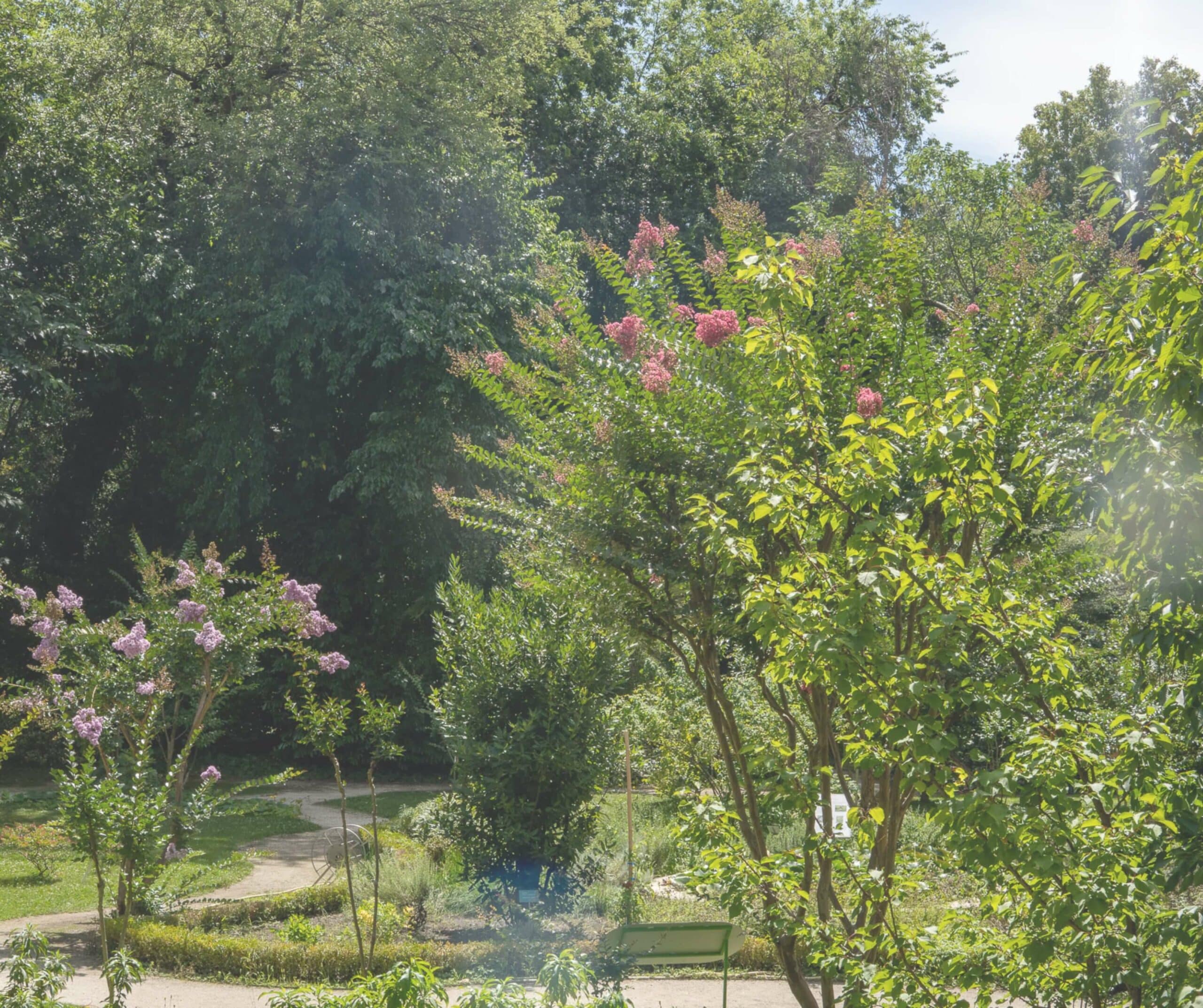
Victoria House contains big, flat waterlilies floating on the surface of the water that can apparently hold the weight of a small child. The arboretum has a large collection of trees and shrubs, including ginkgo trees that are over 200 years old.
If you are a reader, Füvészkert shows up as a key location in The Paul Street Boys, a novel by Ferenc Molnár and a classic in Hungarian literature. There is even a statue of one of the characters, Nemecsek, beside the water lily pond where he hid in the book.
Ride a Speedboat on the Danube (You Will Get Wet)
Redjet | Address: Hungary Budapest, Kopaszi gát Unnamed Road, 1117 Hungary
This speedboat tour on the Danube is a high-speed thrill ride, complete with 360-degree spins, sharp turns, and stunts that will leave you completely drenched. If you are an adrenaline junkie, this one is for you.
I actually just happened to spot it while walking across a bridge, and it looked fun, so I had to book it. I also should have probably read the fine print, because I had no idea I would get soaked.
When you arrive, you get a safety briefing, everyone gets strapped in, and the boat heads out. It starts very slowly but then kicks off at an incredible speed. The driver will do several stunts, so if you get queasy, this may not be the tour for you.
Because of all the spray, make sure you don’t have your phone or camera out. Bring an extra pair of shoes if they are not waterproof and a change of clothes.
Fly in a Hot Air Balloon Above City Park
Balloonfly | Address: Budapest Mimóza domb, Városliget, 1148 Hungary
BalloonFly is a tethered helium balloon in City Park that lifts you about 490 feet above Budapest for panoramic views over the whole city. It sits right next to the Széchenyi Baths and Vajdahunyad Castle.
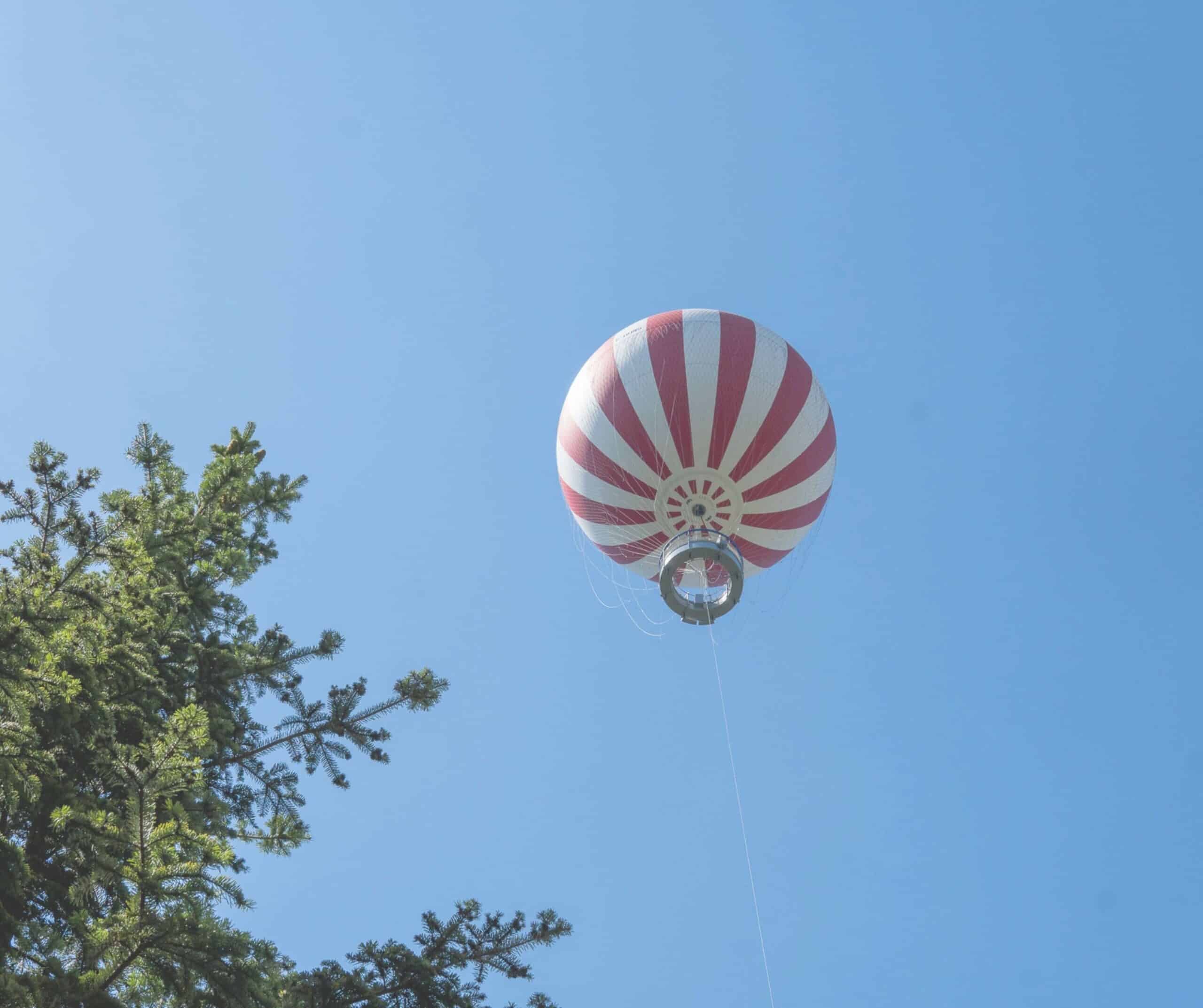
It stays anchored to the ground by a thick steel cable the entire time and carries up to 30 passengers at a time, with the whole flight taking around 15 to 20 minutes. On a clear day you can see for roughly 12 miles in every direction.
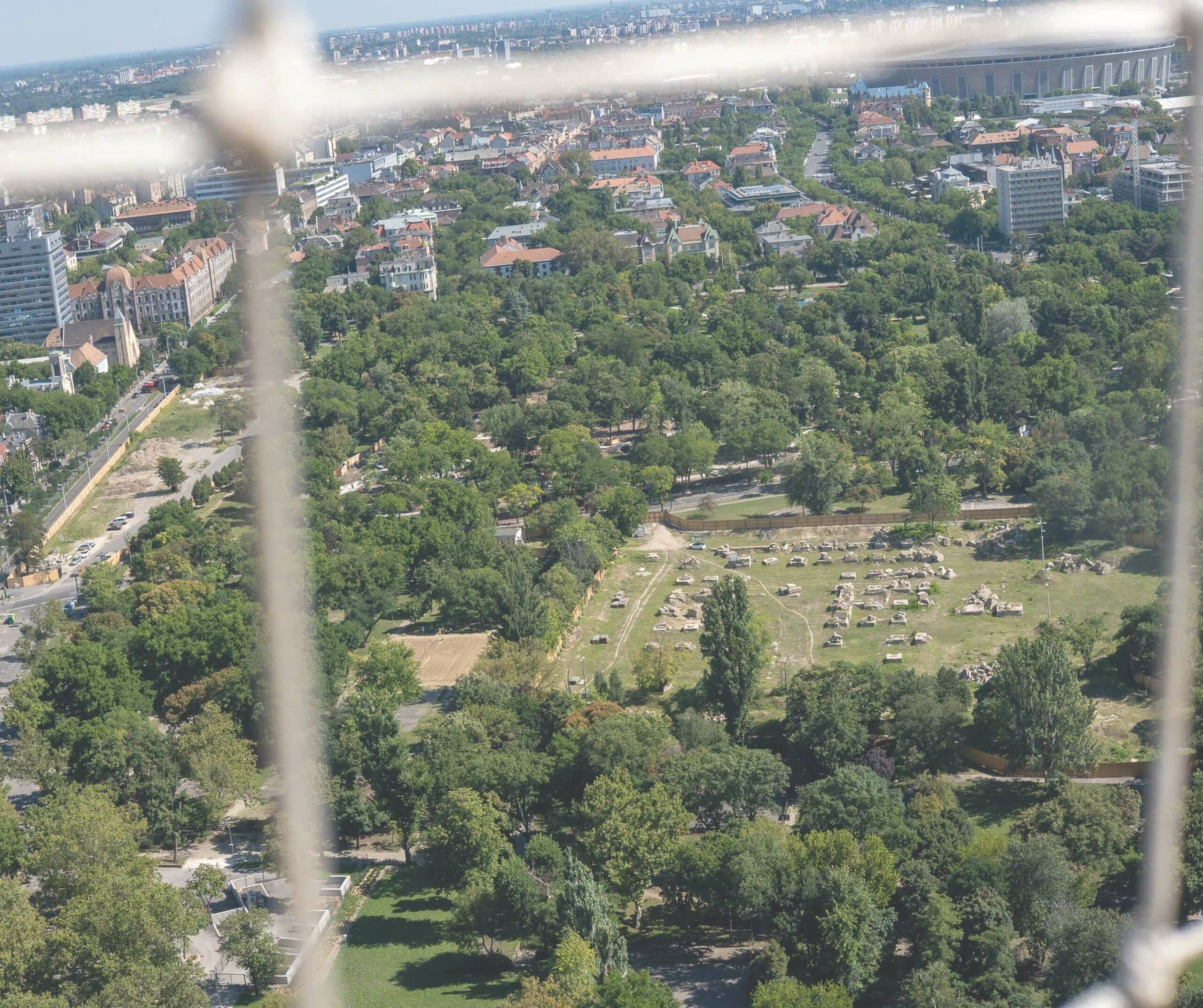
The attraction actually has roots going back over a century. A balloon called the Ballon Captif operated in the same City Park during Budapest’s Millennium Exhibition in 1896, piloted by French captain Louis Godard and carrying up to 14 passengers at a time. BalloonFly is a modern revival, brought back as part of the Liget Budapest Project to restore and upgrade the park.
The balloon only flies in suitable weather conditions, so make sure you check the forecast on the BalloonFly website before making a trip out there. Flights run seasonally, generally from April through October, and I recommend buying tickets when you get there since flights aren’t always running.
Food & Drink Hidden Gems in Budapest
Soak in a Bathtub Full of Beer
Thermal Beer Spa | Address: Lukács Baths, Frankel Leó út 25-29, 1023 Budapest, and Széchenyi Baths, Állatkerti krt. 9-11, 1146 Budapest
At Budapest’s Thermal Beer Spa, you soak in a wooden tub of thermal water mixed with dry beer ingredients, mainly hops, malt, and beer salt, while pouring yourself unlimited beer from a tap beside the tub.
I’ll admit a beer spa sounds completely ridiculous, and that’s exactly why I had to try it. The ingredients you soak in are said to be good for your skin and hair.
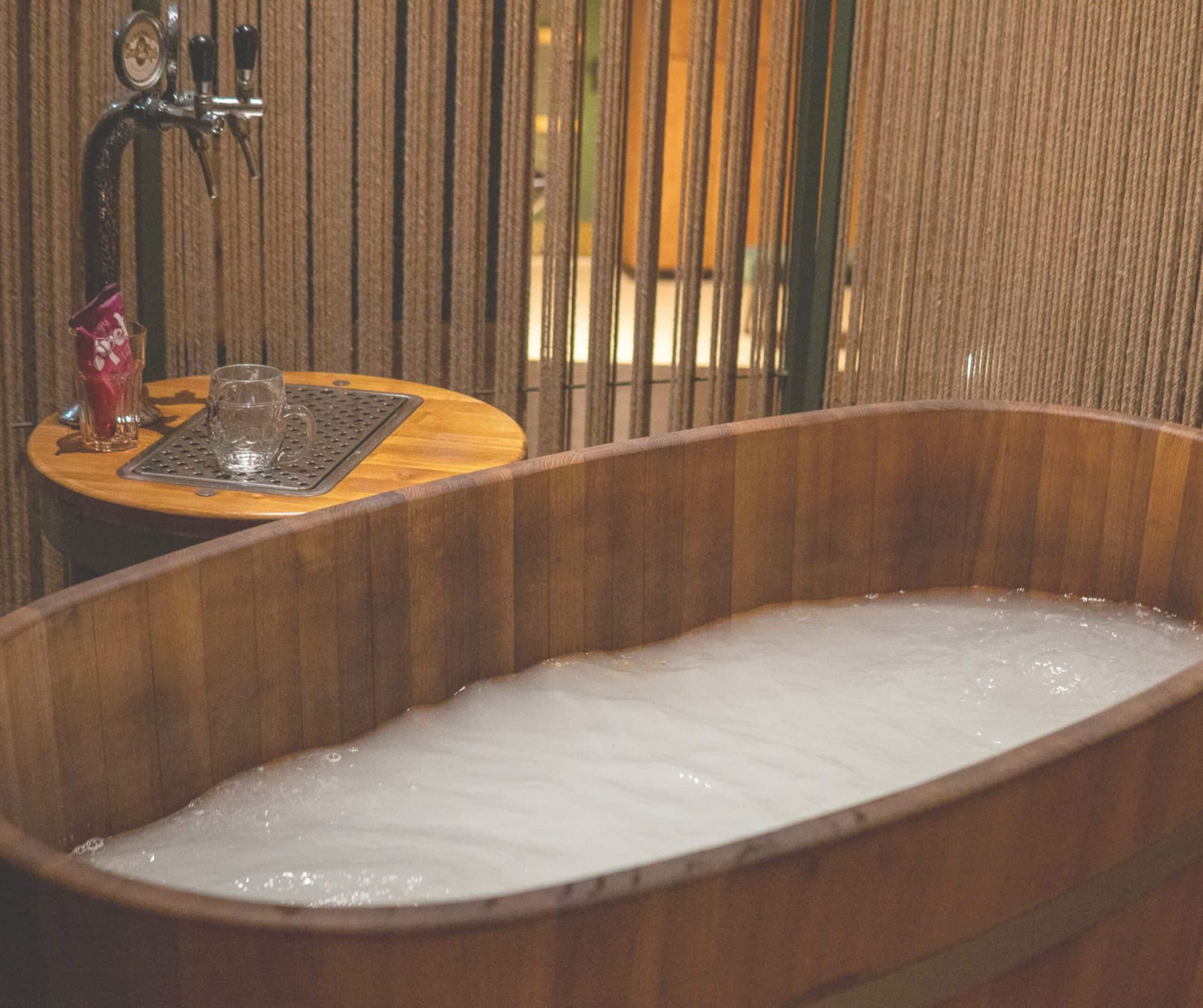
As for that beer tap, it runs the entire time you’re in the tub, and I definitely made good use of it.
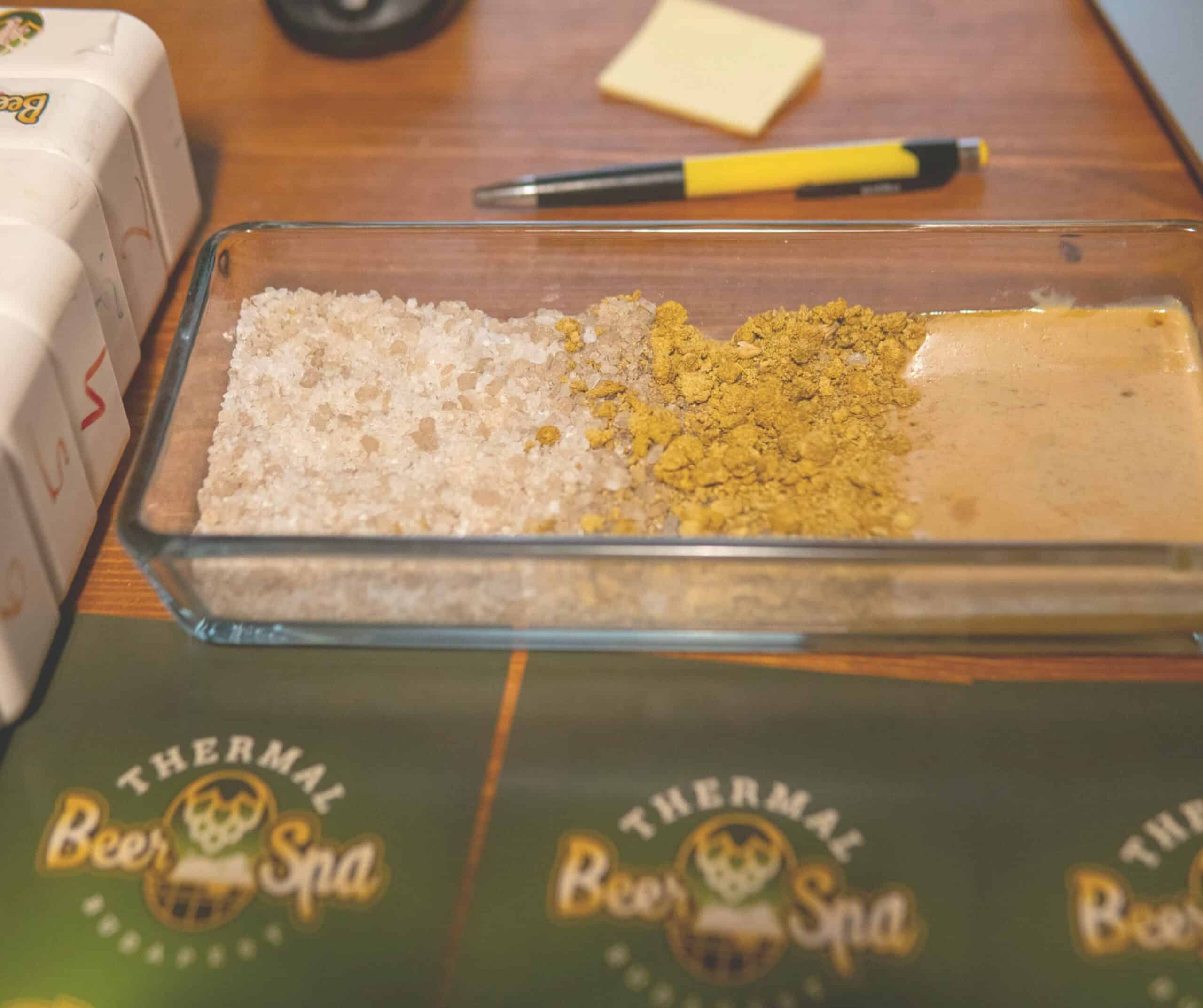
Sessions last 45 minutes. Budapest has two locations where you can do it: Lukács Baths and Széchenyi Baths. I have done both, but I prefer Lukács because it is quieter and the newer of the two.
Drool Your Way Through a Chocolate Museum (And Make Your Own Chocolate Bar)
Szamos Chocolate Museum | Address: Budapest, Budapest 1051, Kossuth Lajos tér 10, 1055 Hungary
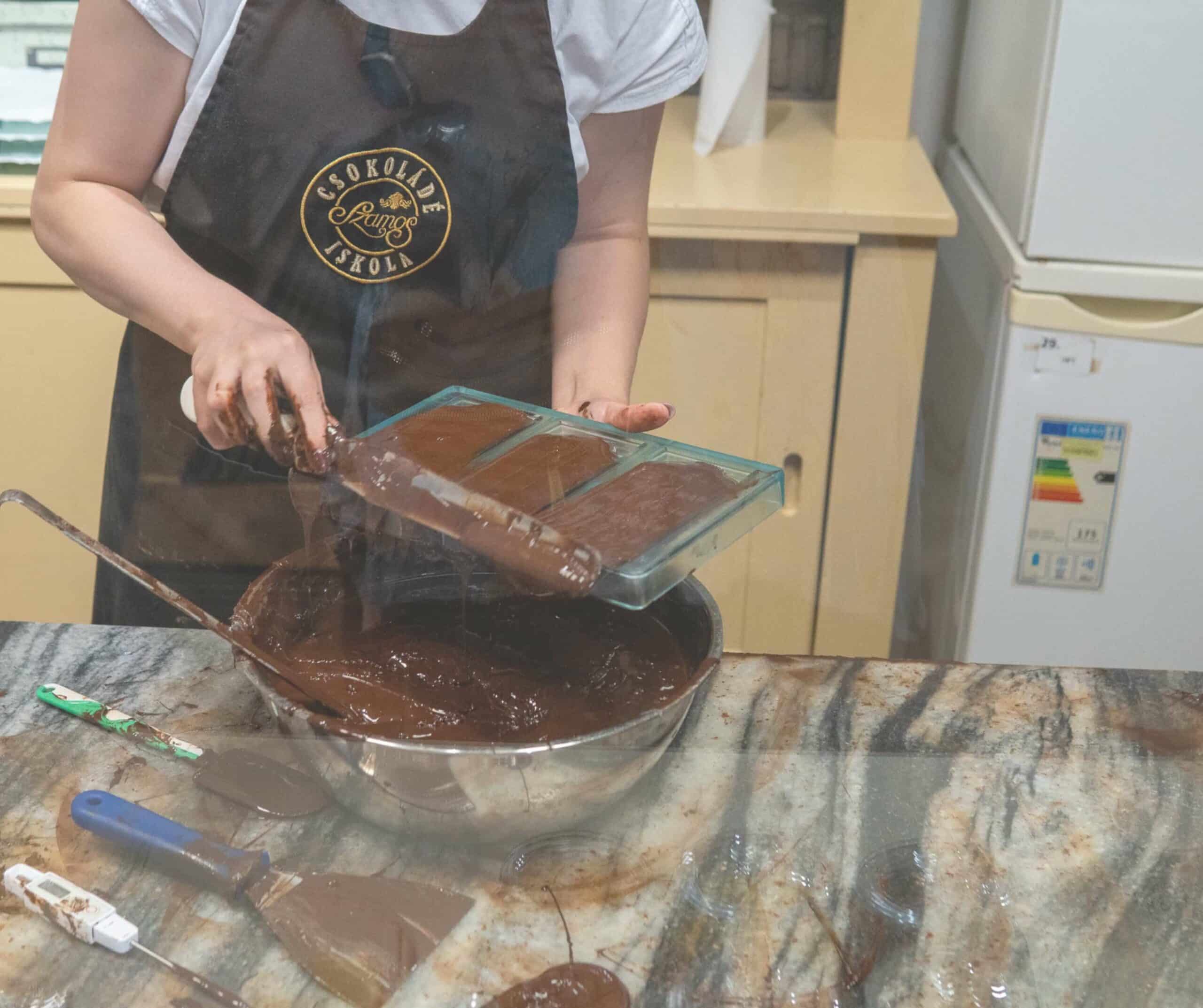
The Szamos Chocolate Museum sits on the second floor of the Szamos Café at Kossuth Square, right next to the Parliament building, and walks you through the full history of chocolate across six rooms. It ends with a hands-on workshop where you make your own bar. Szamos is one of Hungary’s oldest and most beloved confectionery brands.
The brand’s founder, Mátyás Szamos, was a Serbian-Hungarian boy from Szentendre who got his start in the 1930s as a pastry apprentice, learning the art of marzipan sculpting from a Danish master. He went on to work at some of Budapest’s most prestigious cafes, and the Szamos name has been a Hungarian household staple ever since.
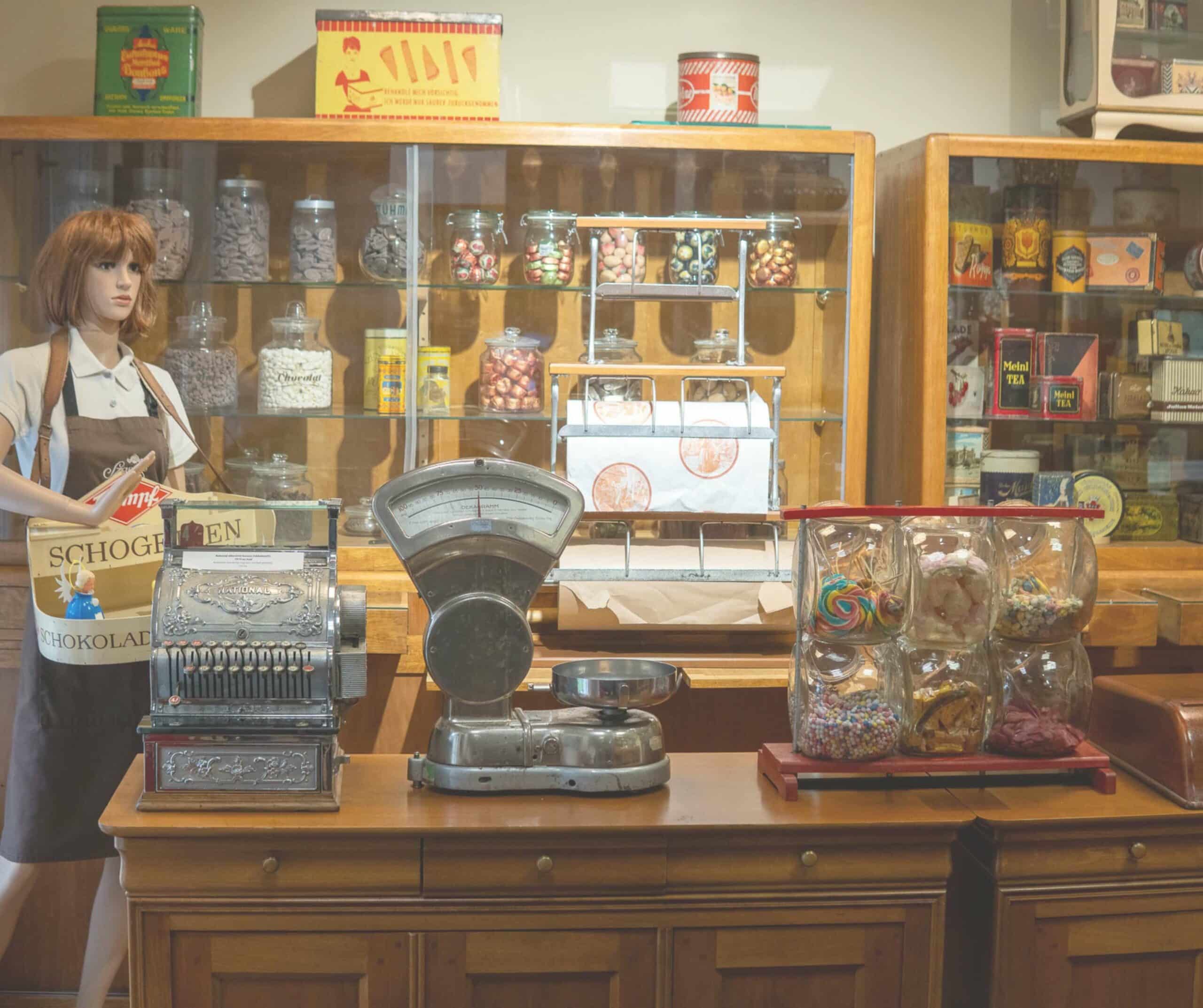
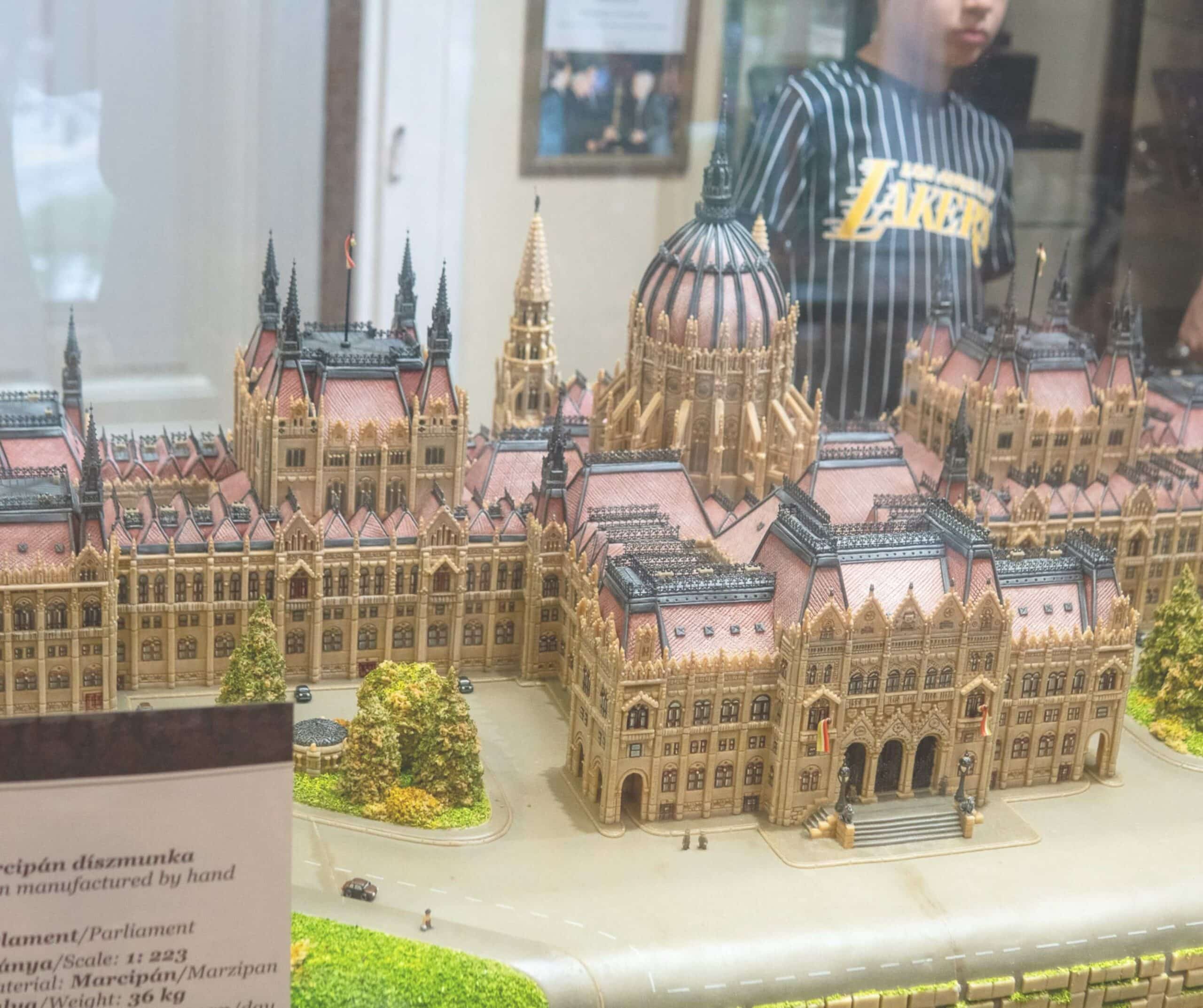
The six rooms take you from cocoa cultivation and ancient Mesoamerican traditions all the way through to 19th century European chocolate culture. Along the way you’ll see antique chocolate molds, vintage porcelain sets, and an impressive collection of decorative chocolate tins.
The best piece is a marzipan sculpture weighing around 170 pounds, a replica of Jean-Étienne Liotard’s famous 18th century painting The Chocolate Girl. There is also a detailed scale model of the Hungarian Parliament built entirely out of marzipan.
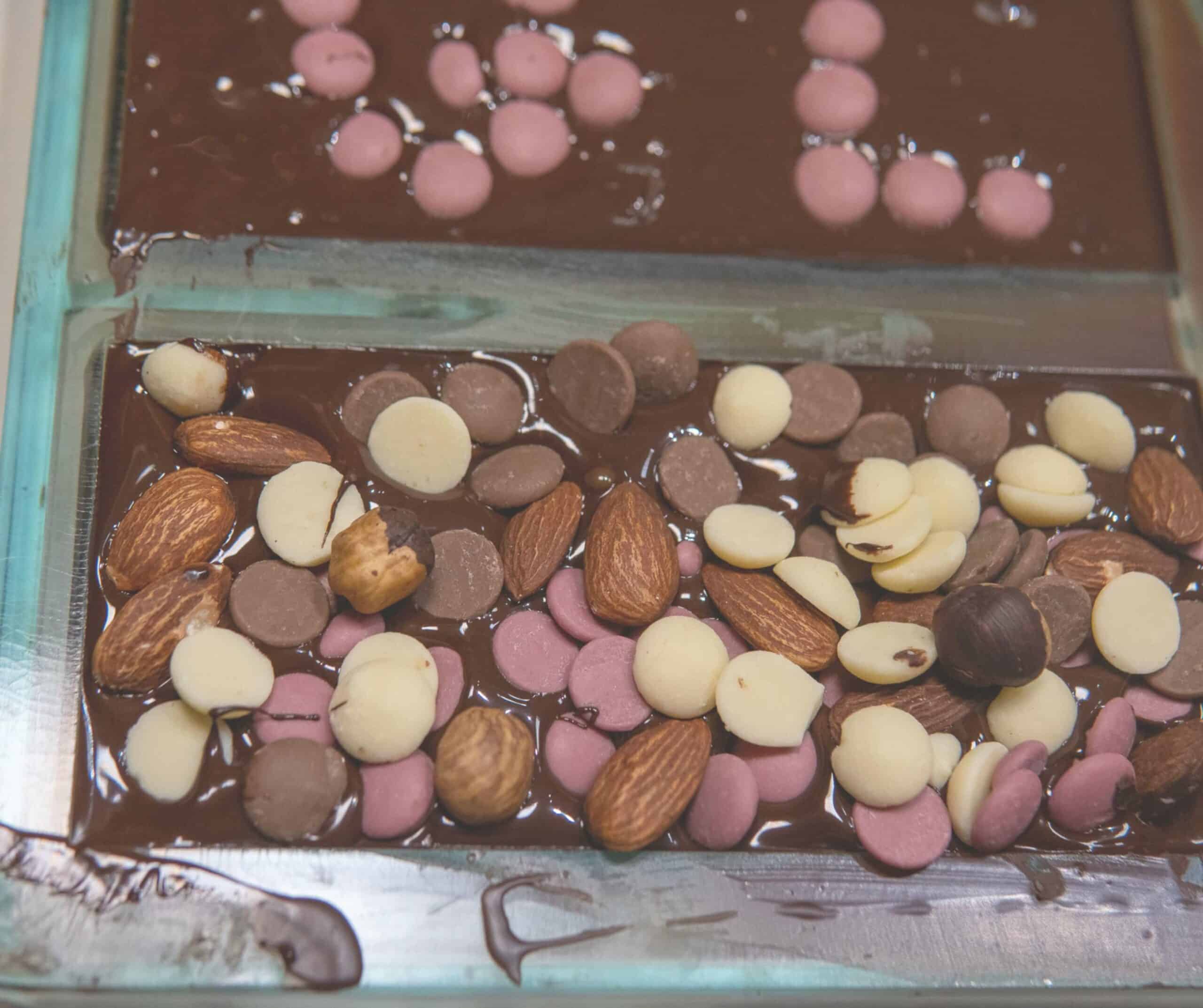
Throughout the tour you get to taste dark, milk, white, and ruby chocolate, cocoa beans, and marzipan. The final part is where the magic happens: a chocolatier demonstrates tempering, the process of heating and cooling chocolate to give it that smooth, glossy finish. Then you pour your own bar, choose your toppings, and take it home to be devoured.
Tour the Unicum Factory (Traditional Hungarian Liqueur)
Unicum Factory | Address: Dandár utca 1, 1095 Budapest, Hungary
Unicum is Hungary’s iconic bitter herbal liqueur. If you have ever ordered a round of shots in Budapest and ended up with something that looked like cough syrup and tasted like a crappy version of Jägermeister, you have already met it. You can tour the distillery where it’s made, right in the heart of the city.
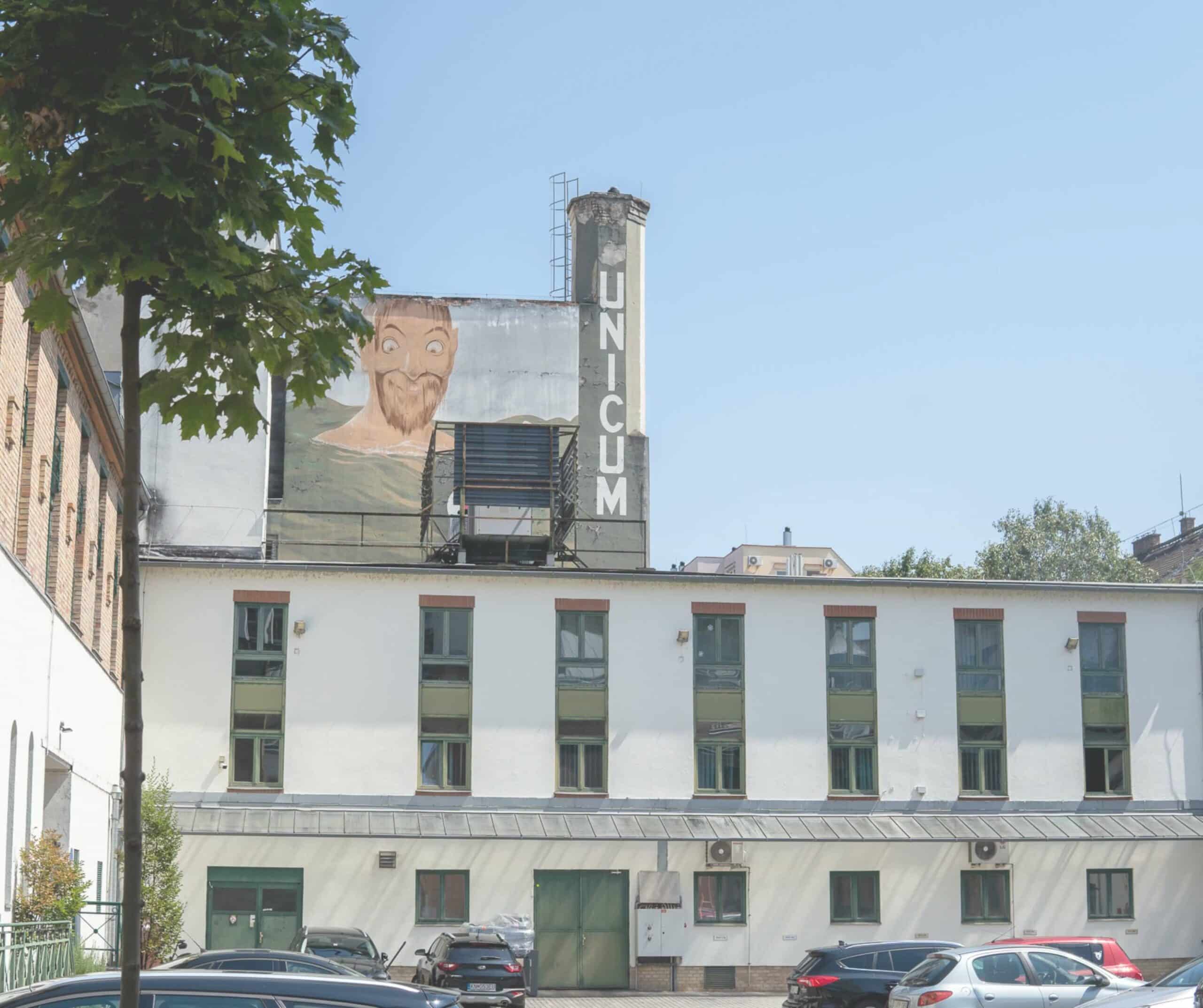
Unicum has been made in Budapest since the Zwack family founded the company in 1840. The distillery was largely destroyed by Allied bombing in 1944, rebuilt after the war, and then nationalized by the communist government in 1948. The Zwack family fled the country that same year, taking the original recipe with them, while a relative who stayed behind handed the state a deliberately falsified formula.
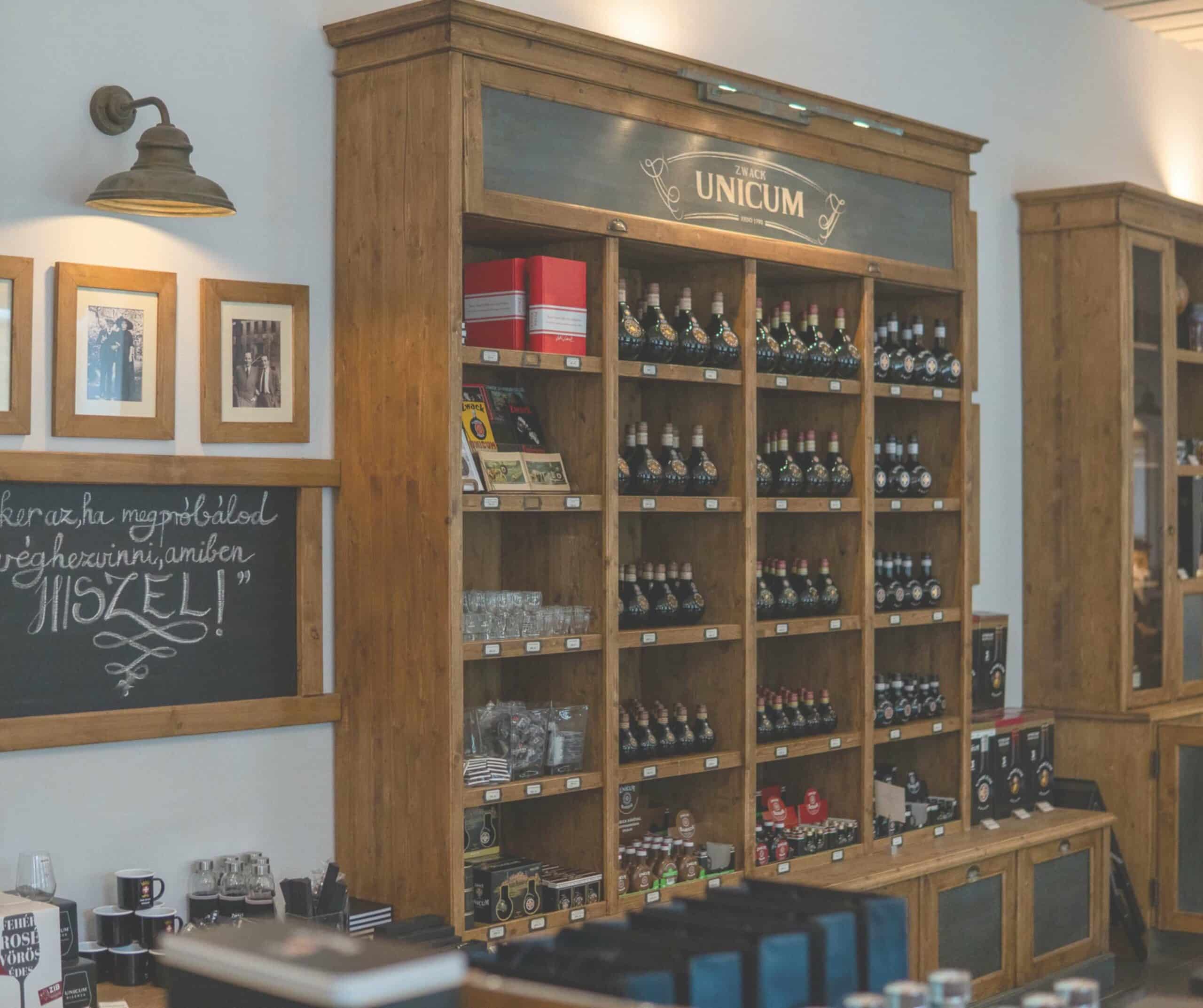
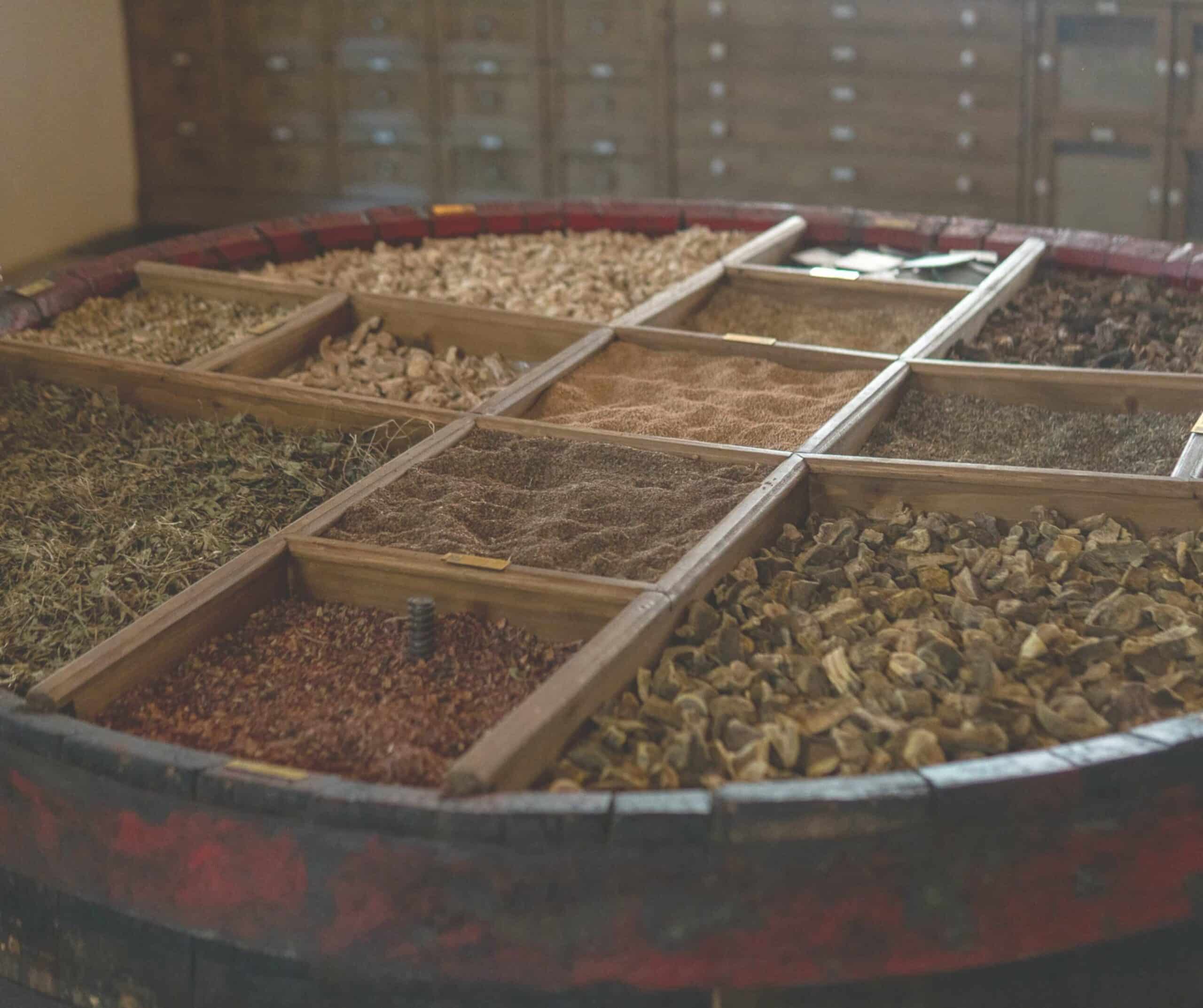
For the next four decades, the state kept producing something called Unicum in the same building, but without the actual formula. When Péter Zwack returned in the late 1980s and bought back the family business, the real recipe came home with him. To this day, it remains a closely guarded family secret, made from a blend of more than 40 herbs and botanicals that nobody outside the family can name.
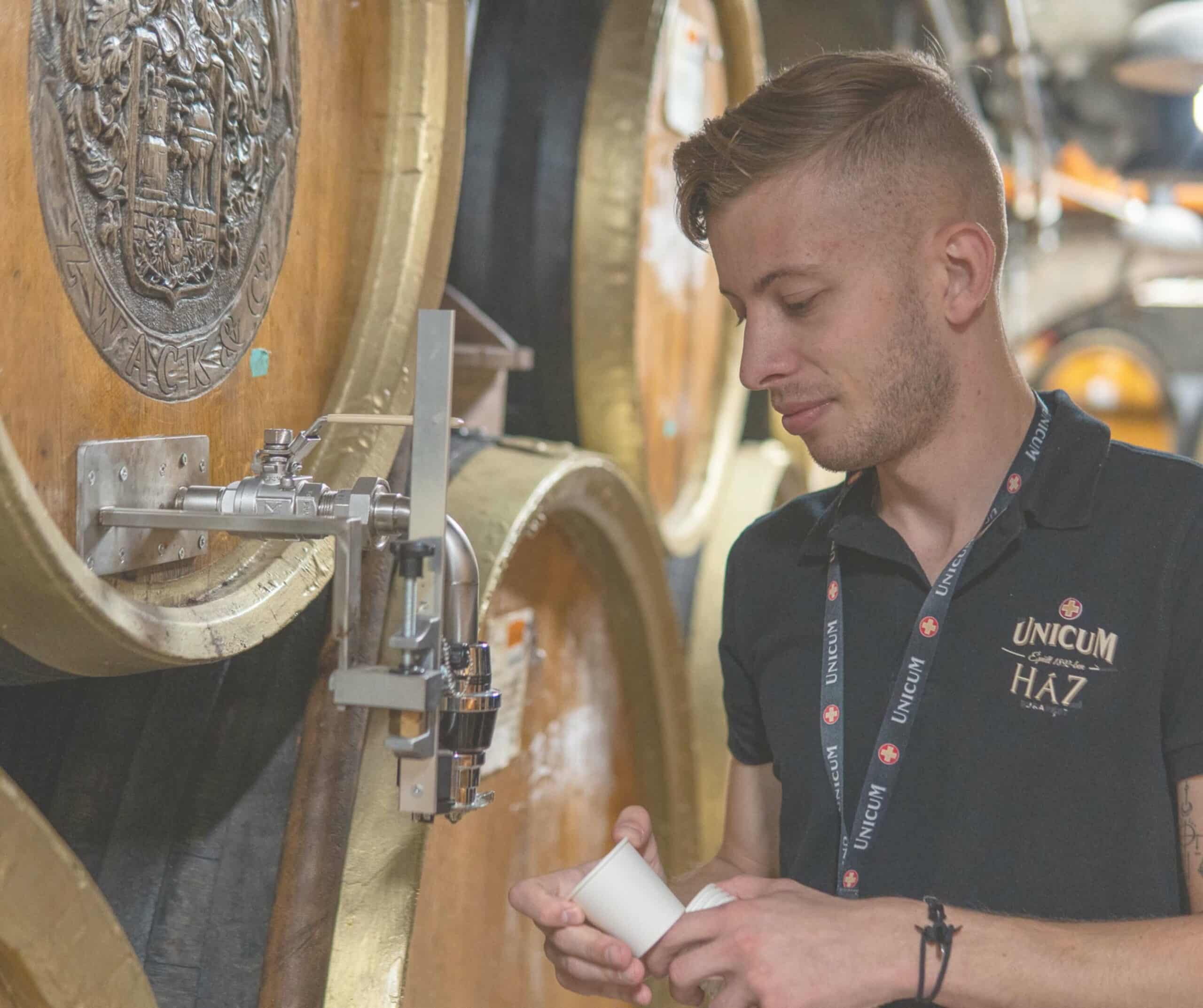
The tour starts with a film about the history of Unicum, then moves to the restored production hall, full of polished copper stills, original equipment, and decorative green Zsolnay tiles. From there it heads down into the cellar, a labyrinth of oak barrels where the spirit is aged.
There are two tour options. The standard tour includes the film, the distillery and cellar walk, and a tasting of Unicum and Unicum Plum poured from the barrel. The premium tour adds Unicum Barista, Unicum Orange Bitter, and the Riserva, which is aged in barrels that predate the Second World War.
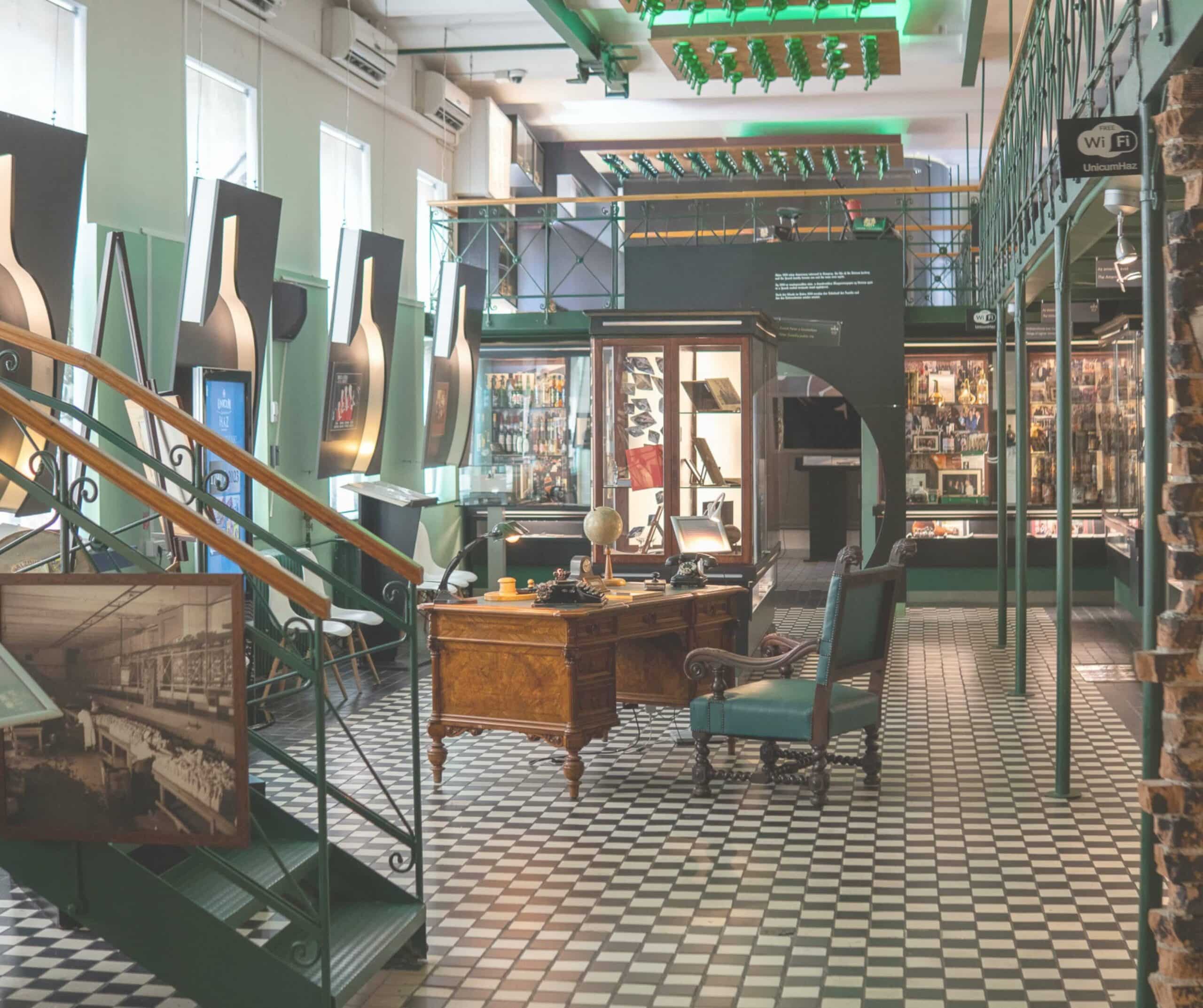
The tour ends at the museum, where you can wander around for as long as you want, and if you decide to buy something from the store, you get a discount!
Indulge in a Medieval Feast
BOOK THIS MEDIEVAL FEAST | Address: Budapest, Podmaniczky u. 14, 1065 Hungary
Sir Lancelot is a medieval-themed restaurant in Budapest where you eat meat with your hands at communal tables while a live show unfolds around you. The place is decked out in painted banners, carved wooden furniture, dim lighting, and stone walls.
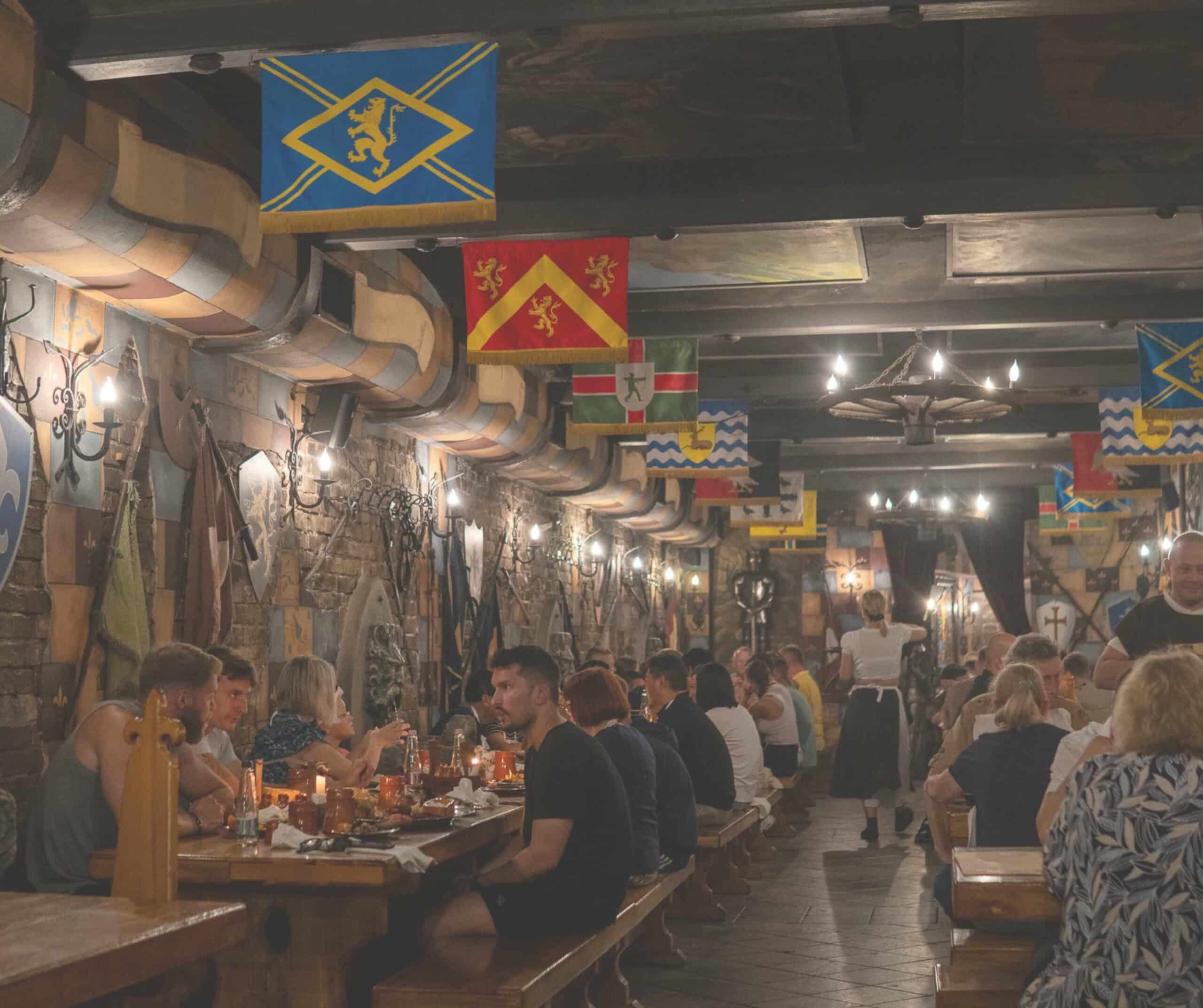
I love a medieval theme, so I had the best time. I got my food pretty quickly, and it arrived on wooden boards and silver platters. The menu is meat-heavy, though they do have fish and a vegetarian option, and the portions are enormous, so come hungry!
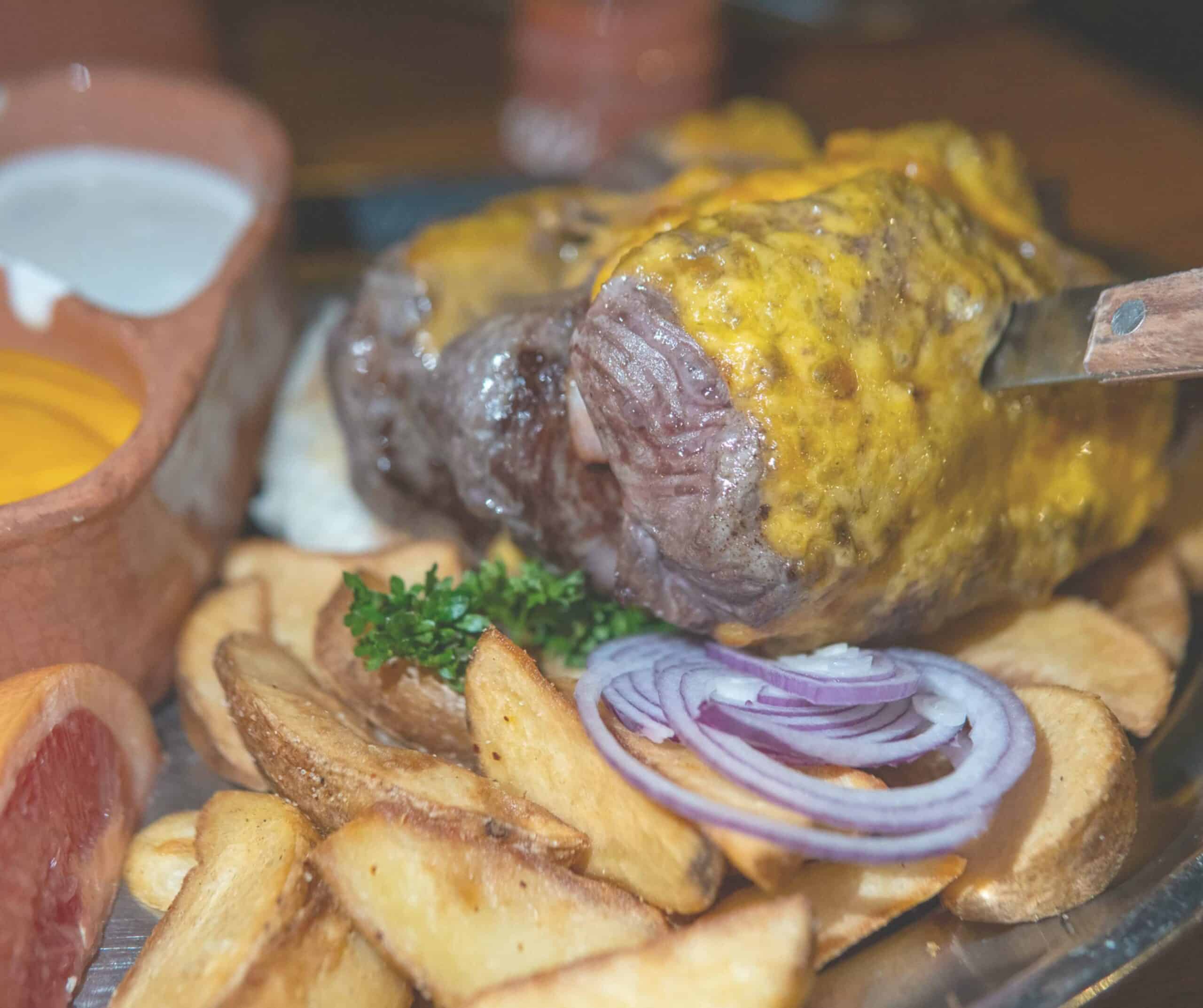
The show starts around 7:30pm and runs throughout the meal in shorter segments. Depending on the night, you might see belly dancers, fire spinners, flame eaters, jugglers, and sword fighting.
I recommend making a reservation because walk-in waits can be long. You can book your spot at Sir Lancelot here.
Travel the World While Dining at This Unique Immersive Restaurant
Uncensored | Address: Budapest, Erzsébet krt. 43-49, 1073 Hungary
Uncensored is a speakeasy fine-dining restaurant in Budapest where a seven-course tasting menu takes you through seven countries, one course at a time, inside a room wrapped in 360-degree projection. It’s one of the most unique restaurants I have ever eaten at.
Arriving is a bit of a mission, because the entrance is hidden inside a hotel restaurant. I won’t give too much away, because finding your way in is half the fun.
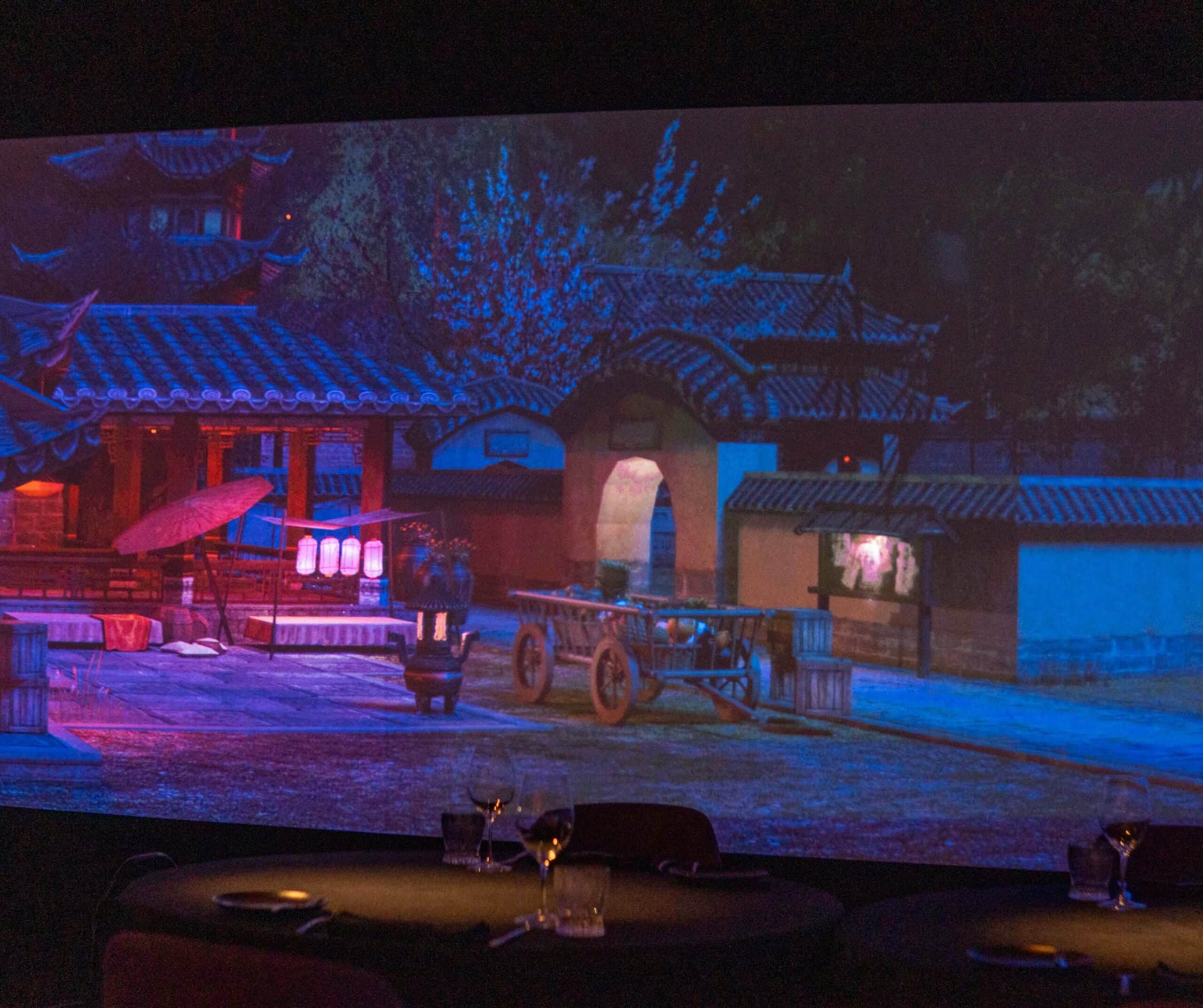
Each course represents a different country, typically starting in Hungary and traveling through Russia, Spain, China, the USA, Japan, and finishing in Brazil. The entire dining space is surrounded by projection, so every 20 minutes or so the room shifts to the next destination, and your next course is served.
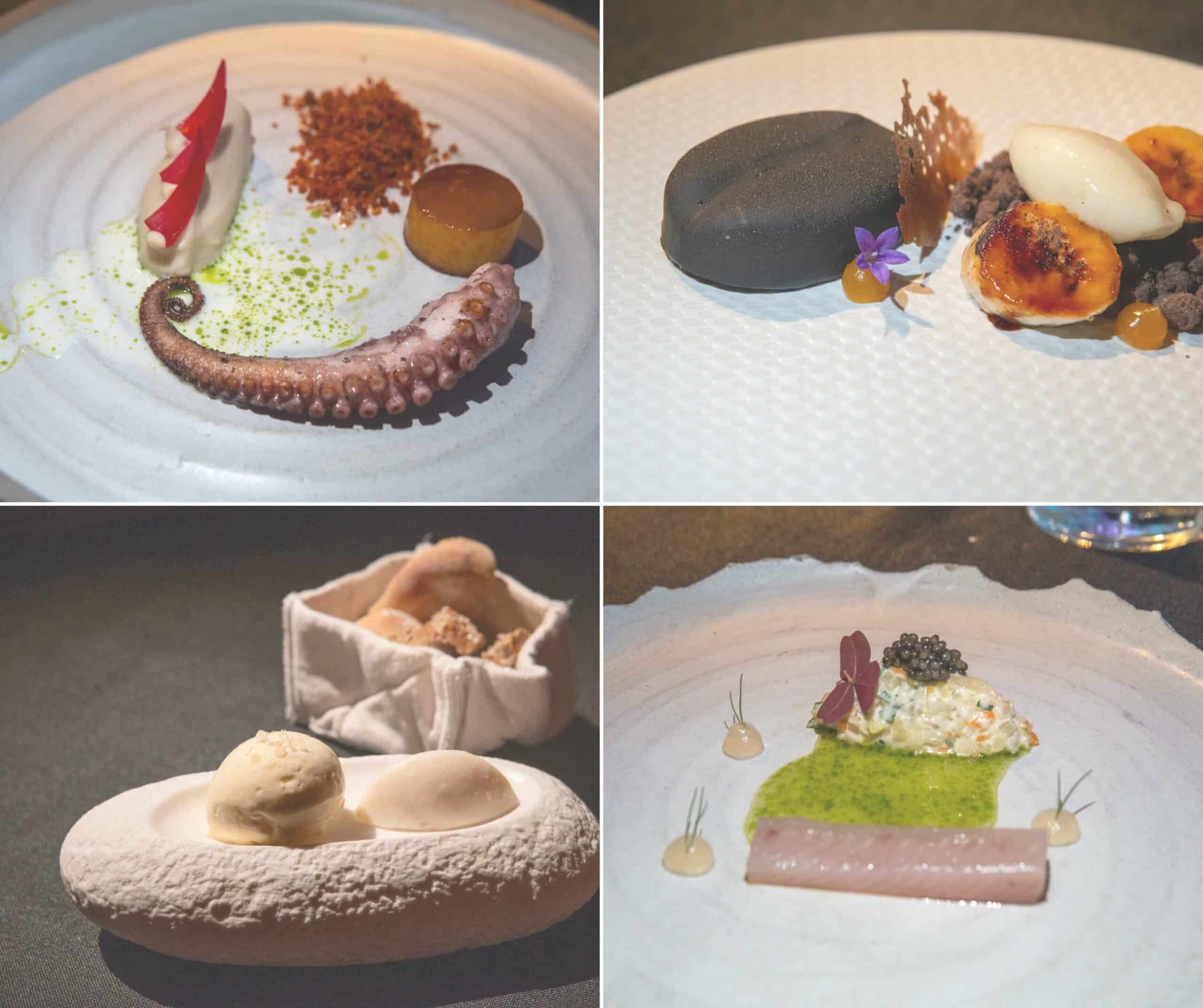
The restaurant only has 10 tables, so a reservation is required. You can book a table at Uncensored here, and you can add a Hungarian wine pairing, an international wine pairing, or a cocktail pairing to your meal.
Tour a Gin Distillery
Opera Gin | Address: Budapest, Kiss Ernő u. 3/a, 1046 Hungary
Opera Gin is Hungary’s first gin distillery, and you can tour it by appointment for a two-hour look at how the country’s first London Dry gin is made, capped with cocktails in the speakeasy bar. The gin uses 11 botanicals, two of them locally sourced: poppy seeds from Debrecen and lavender from the Tihany peninsula on Lake Balaton.
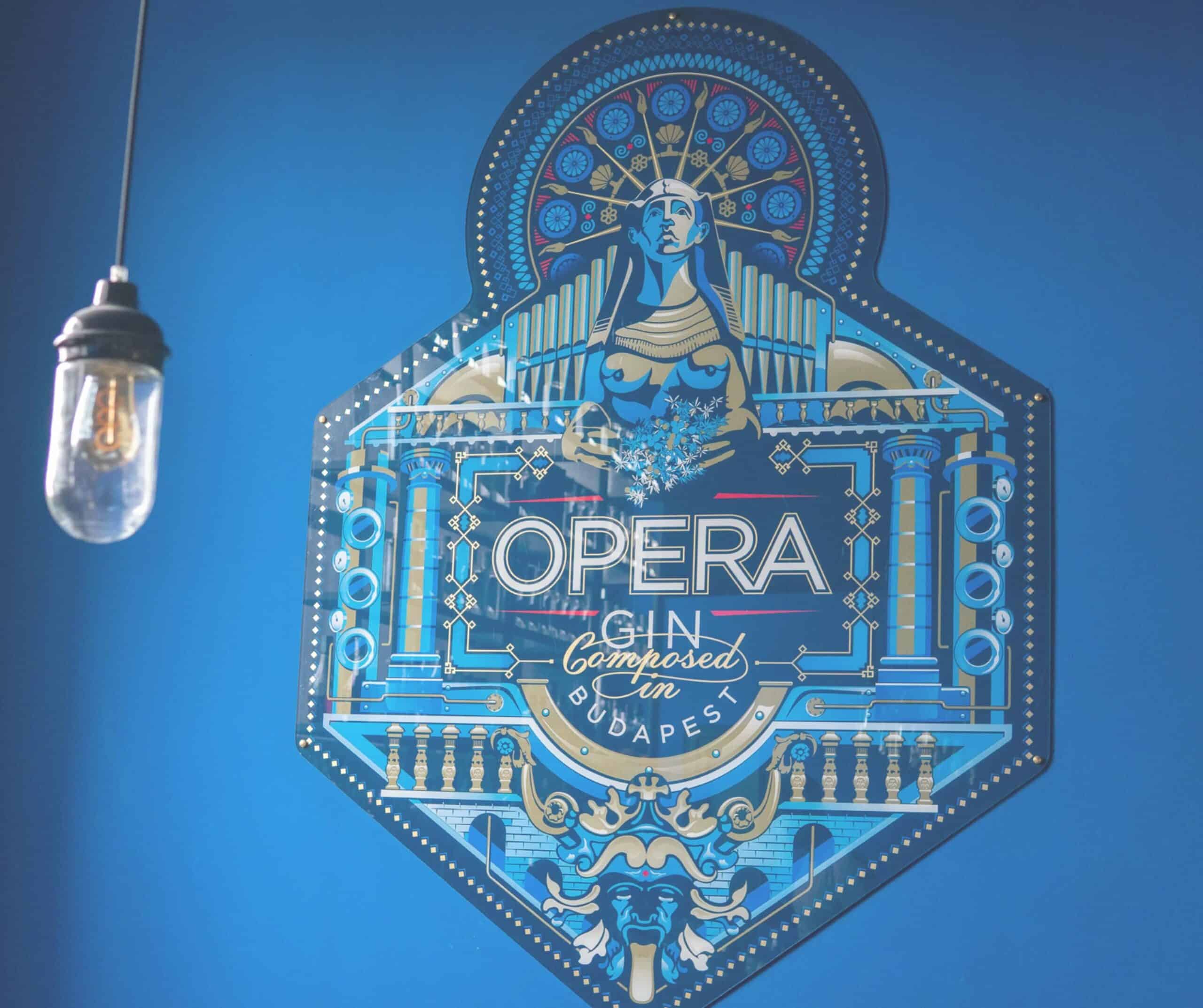
You can book a distillery visit here. Before the tour started, we got a gin and tonic while our guide shared the history of gin and how Opera Gin got its start. Then we were taken to the area where the distillation magic happens.
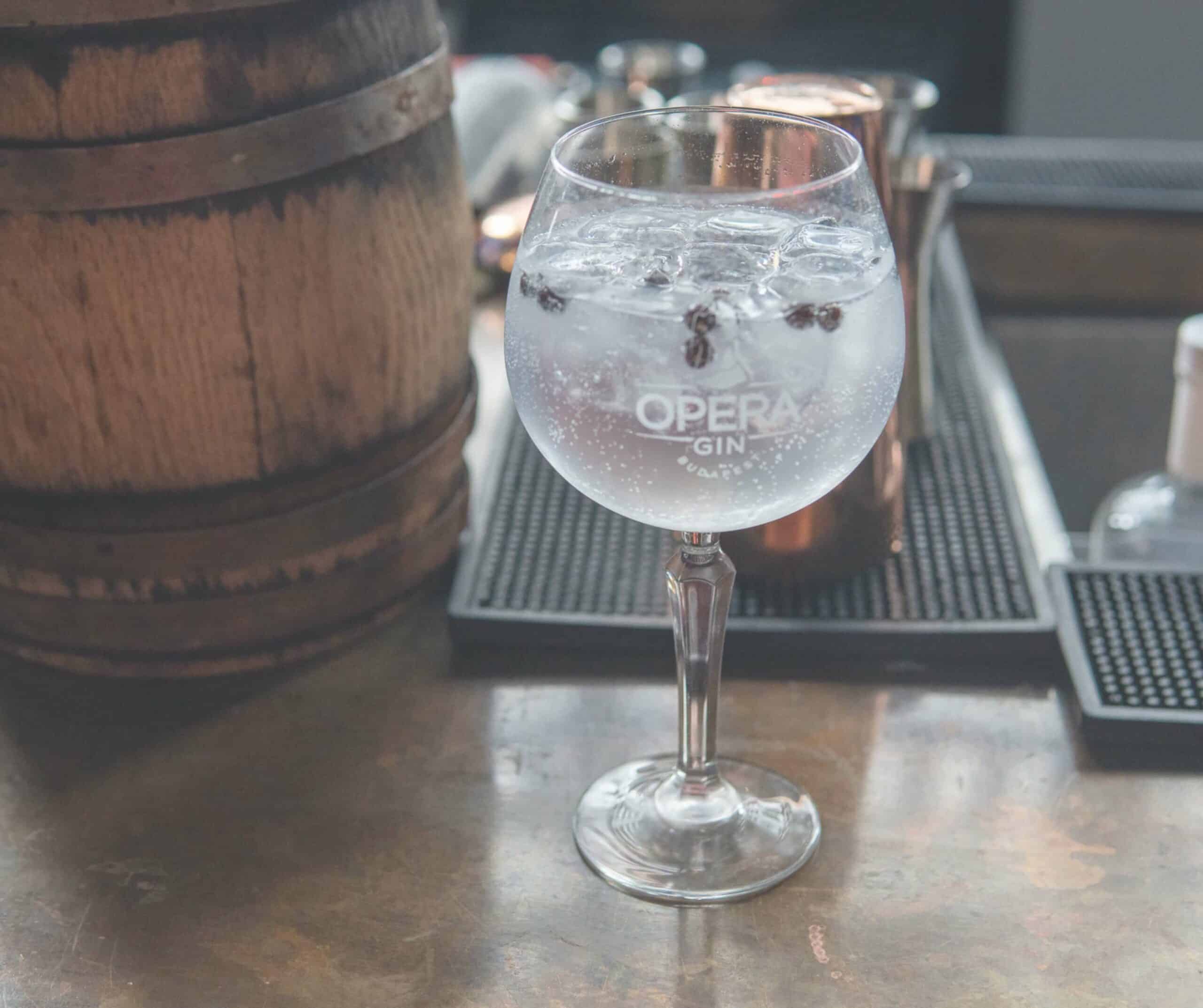
After the tour, our guide led us back to the bar where we had the option to order more drinks, which, of course, most of us did. There are different ticket packages you can purchase, and some include a couple of signature drinks. This was really fun, and if you like gin, I highly recommend booking a visit.
Cook Your Dinner at the World’s First DIY Restaurant
Budapest Makery | Address: Budapest, Dob u. 38, 1072 Hungary
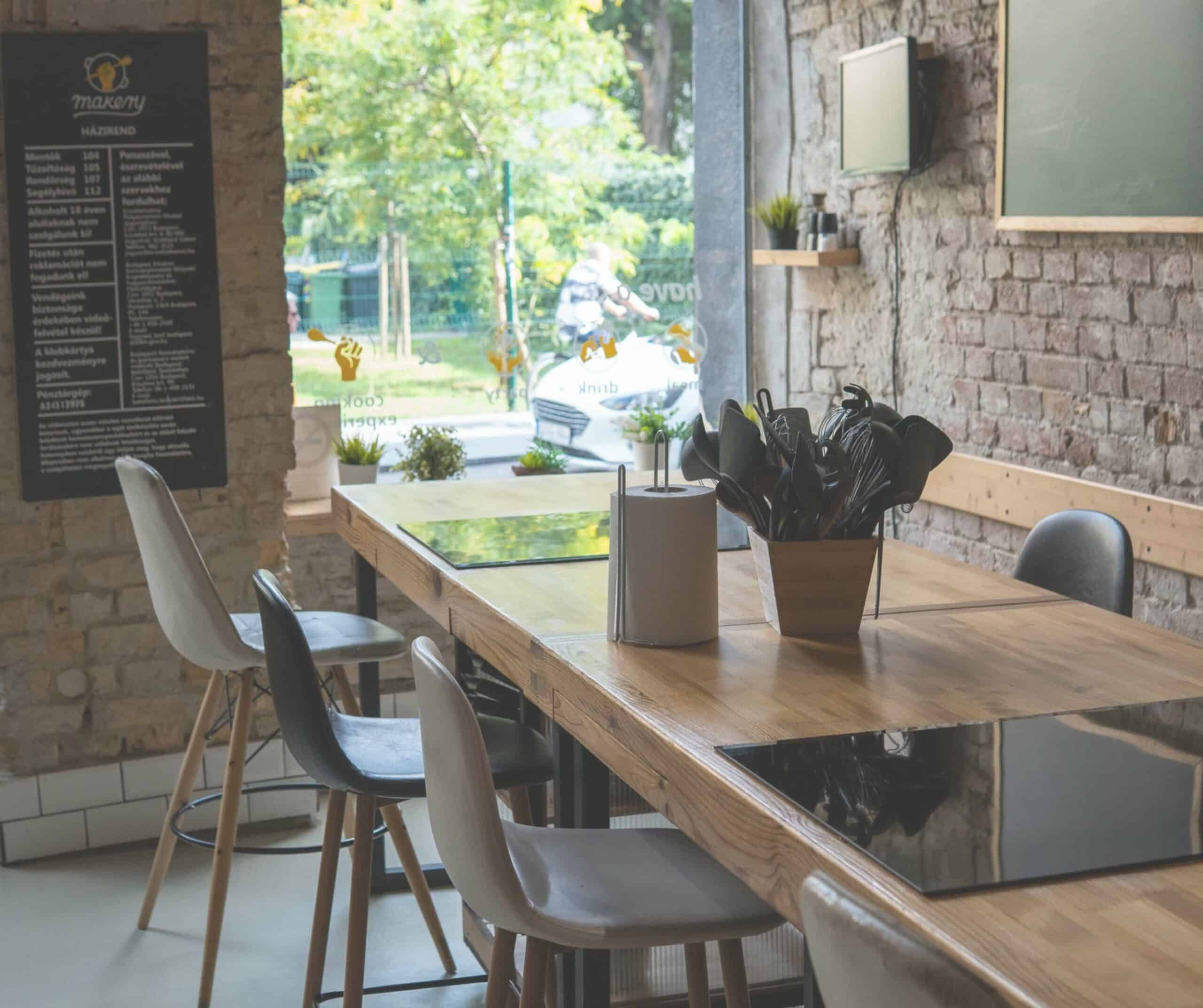
Budapest Makery calls itself the world’s first DIY restaurant, and honestly, it’s so cool! Basically, this restaurant lets you be the chef: you reserve the dishes you want to make ahead of time, show up, and cook them yourself with everything prepped and ready.

When you make a reservation, you’ll have a list of dishes and drinks to choose from. You start by making your own drink, either a cocktail or a mocktail.
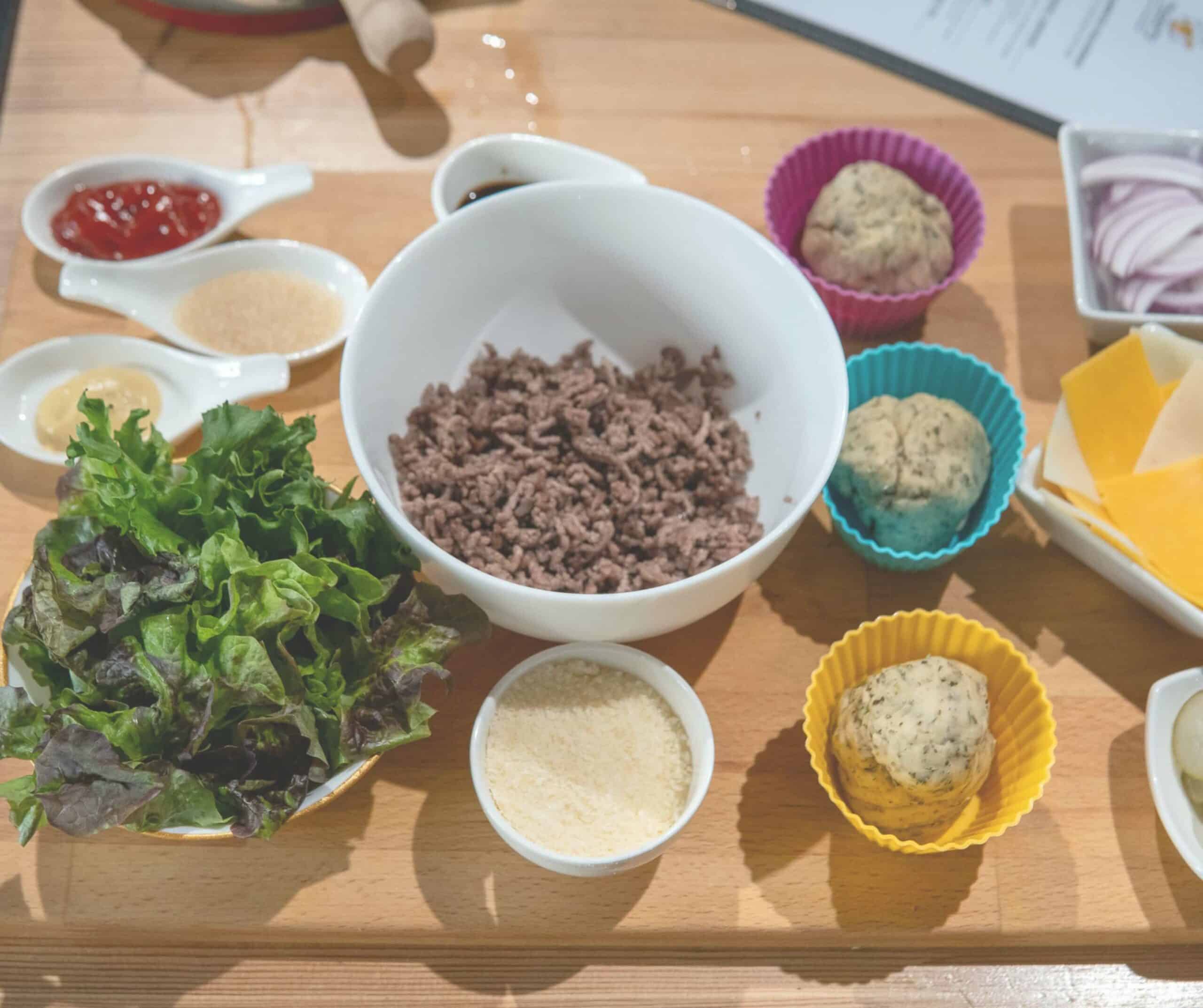
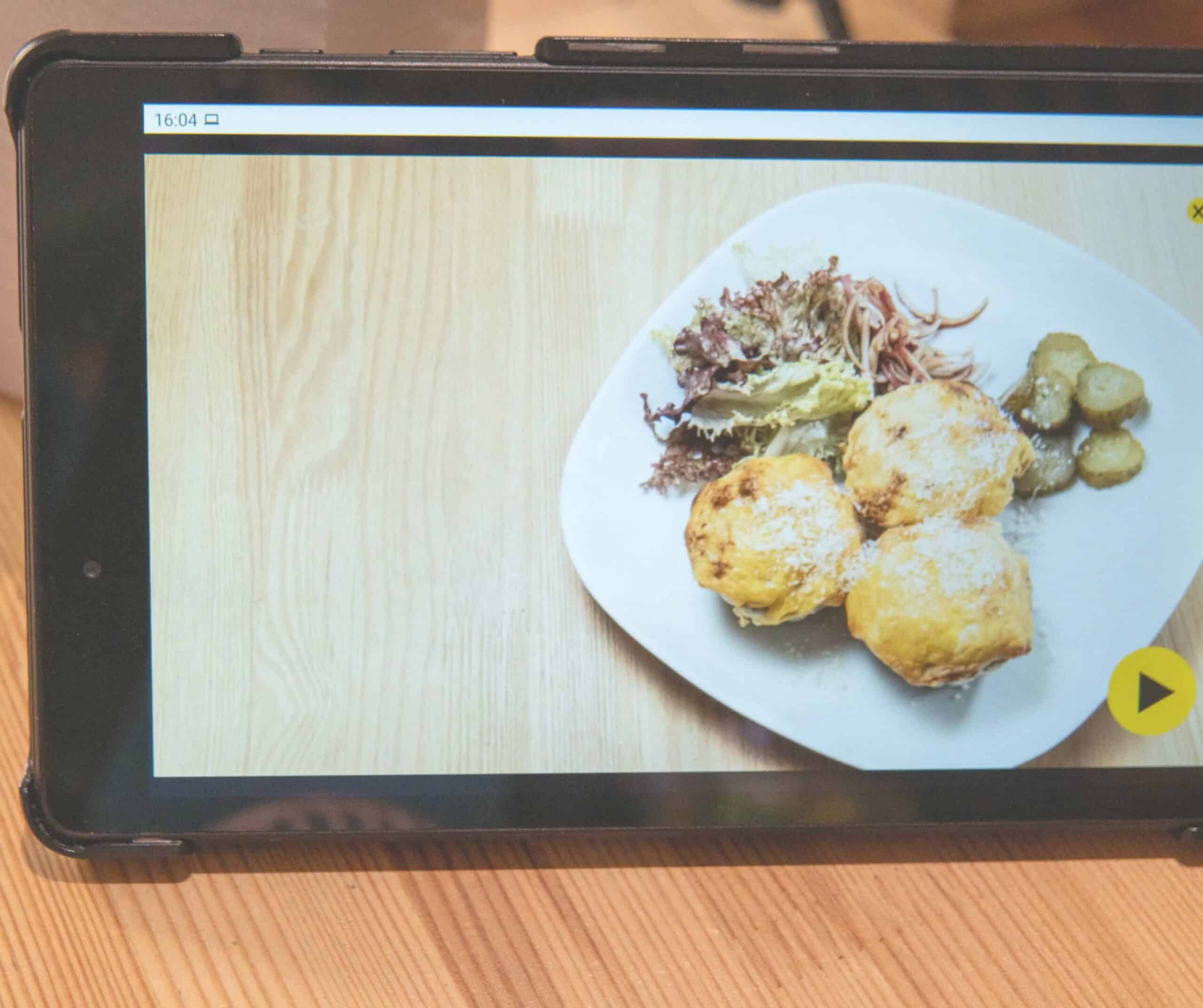
Every ingredient arrives pre-measured and prepped in small bowls, and each table has induction hobs built into the surface. You also get a tablet with a step-by-step video app that walks you through the recipe.
Eat & Drink at a Communist-Era Cafe
Bambi Eszpresszó
Website | Address: Budapest, Frankel Leó út 2-4, 1027 Hungary
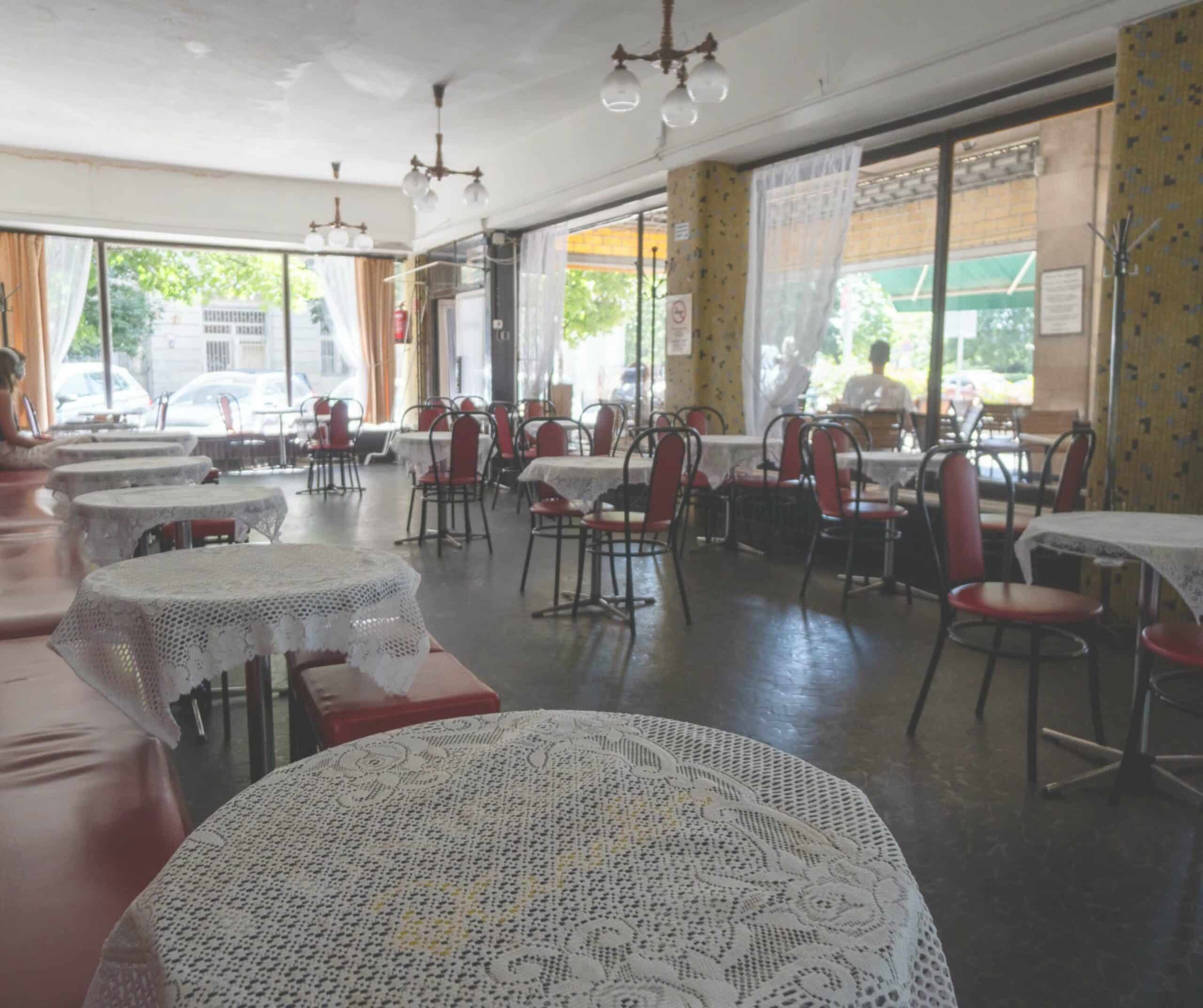
Bambi is one of Budapest’s most popular and authentic communist-era cafes, a Buda-side presszó that opened in 1961 and has barely changed since. The original socialist furnishings are all still in place: small metal tables, stools, and long banquettes covered in red faux leather.
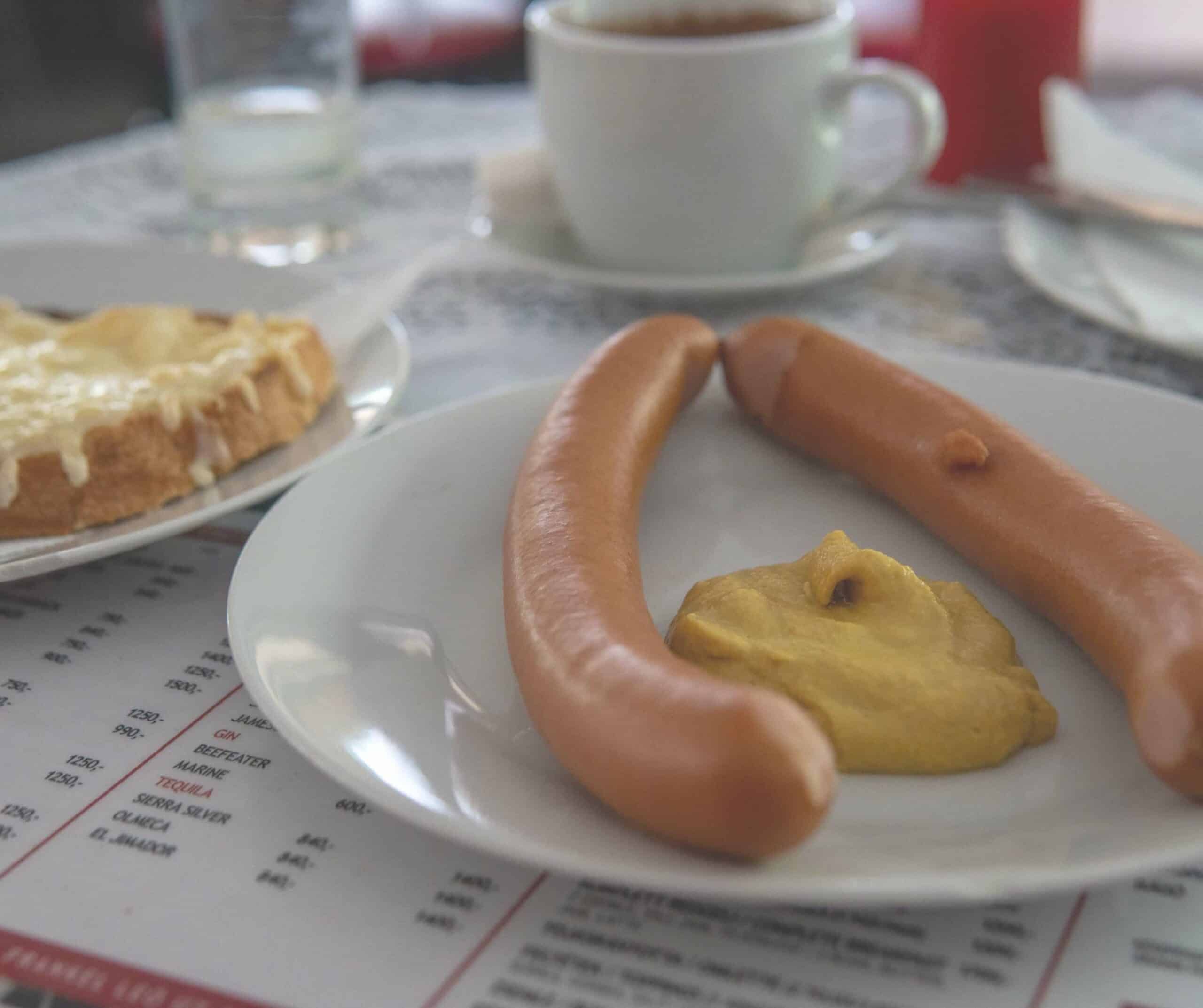
The food and drinks are classic presszó fare, meaning simple and cheap: toasted sandwiches, frankfurters with mustard, omelets, coffee served in chunky mugs, and beer.
Ibolya Espresso
Website | Address: Budapest, Ferenciek tere 5, 1053 Hungary
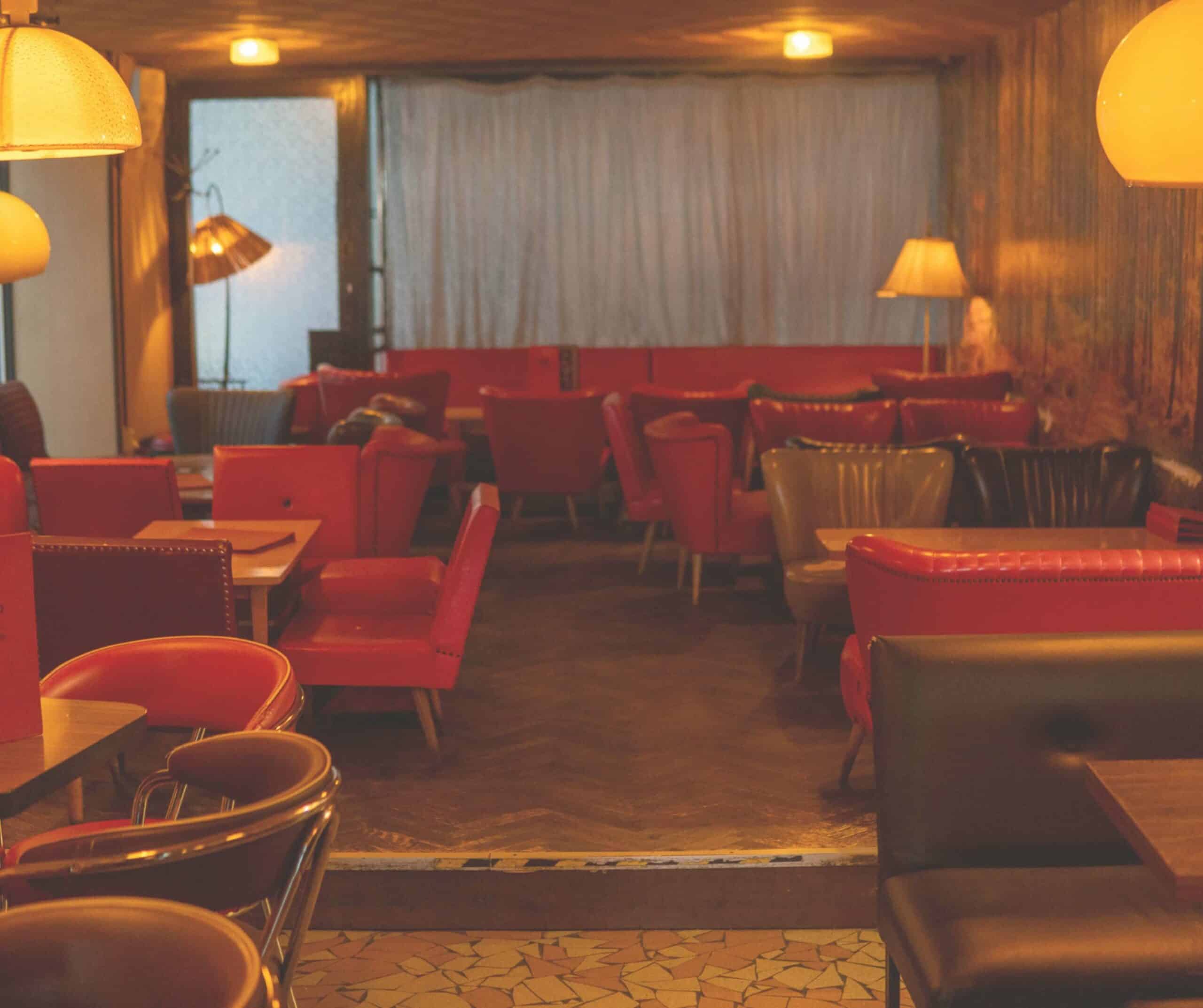
Ibolya Espresso is one of Budapest’s most interesting communist-era cafes, open since 1968 and barely changed in all that time. The interior looks exactly like you’d expect: orange Plexiglas light fixtures and red faux leather chairs with that satisfying curve to them.
The crowd is mostly students. There’s a university library directly across the square, so people drift in between lectures, after lectures, or instead of lectures. Nobody judges.
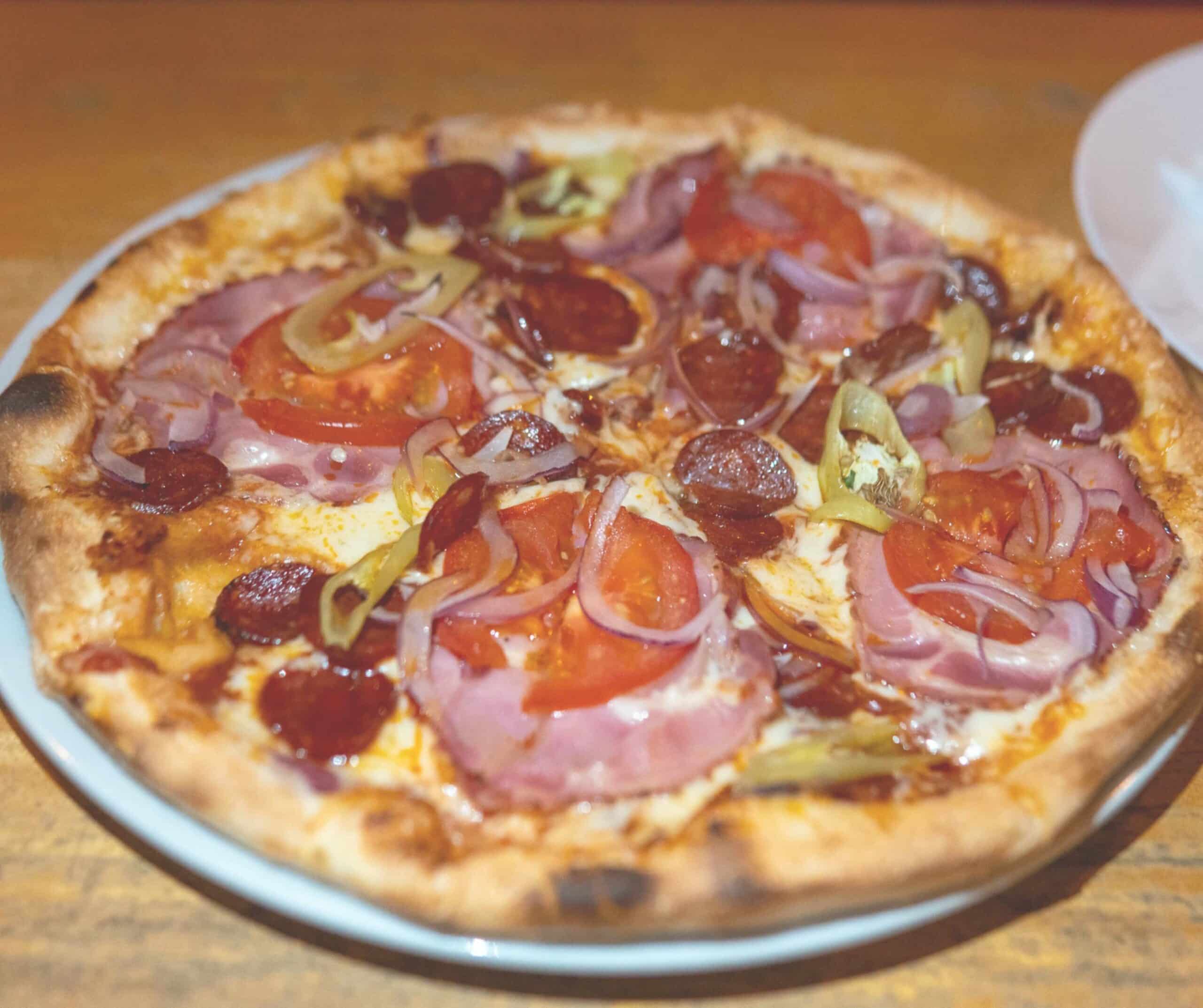
The menu is simple, cheap, and pretty good! I got a pizza and was not disappointed. I devoured that thing. You also shouldn’t leave without trying a Bambi, the fizzy Hungarian orange soft drink that dates back to 1947 and nearly disappeared once Coca-Cola arrived. Ibolya is one of the only places you can still find it.
Grinzingi Borozo
Website | Address: Budapest, Veres Pálné u. 10, 1053 Hungary
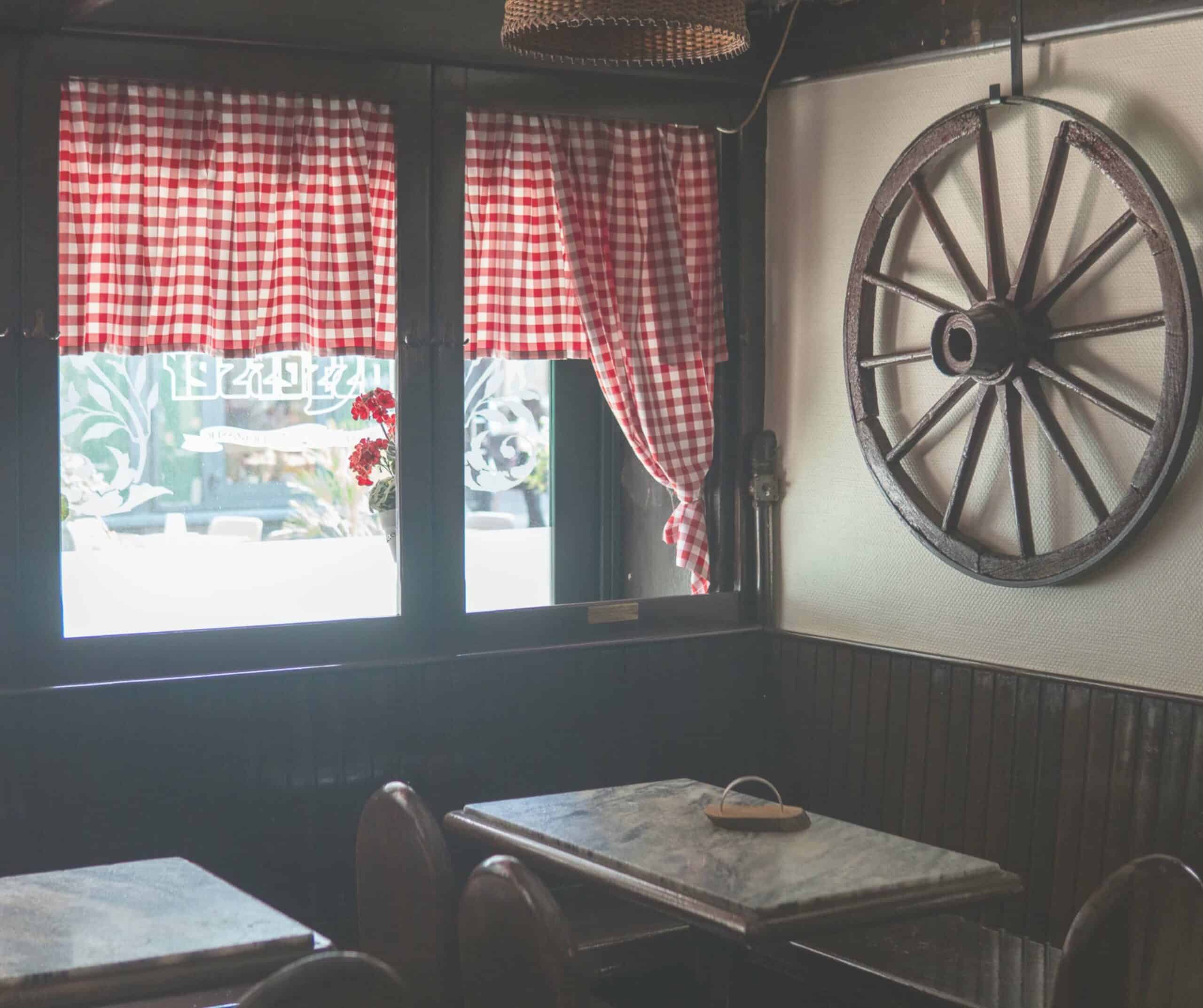
Grinzingi Borozó is a folksy little wine bar in the heart of central Budapest that has barely changed since it opened in 1983. It was designed to feel like a rustic wine tavern in Grinzing, a suburb of Vienna known for exactly that.
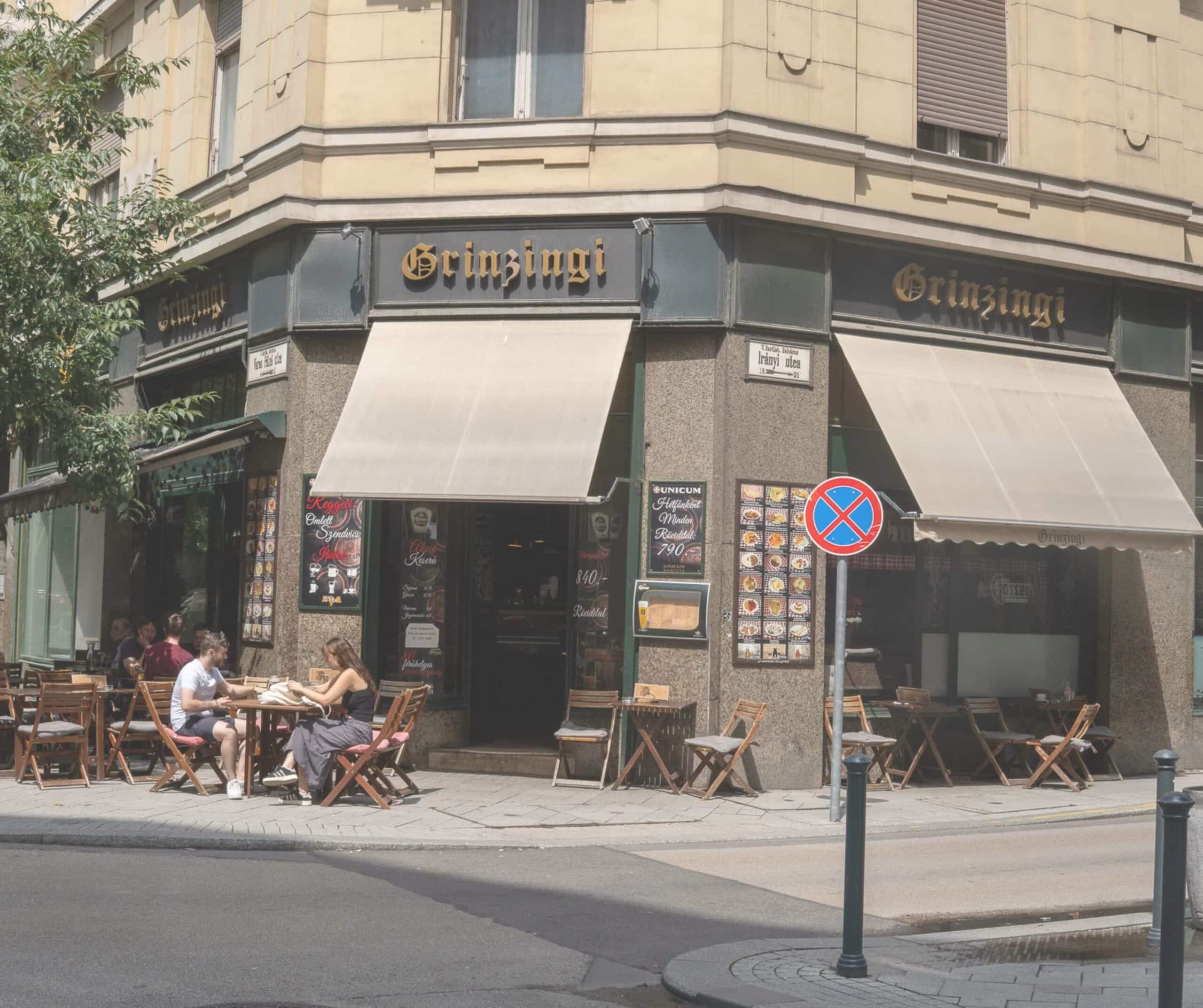
Budapest has done a lot to reinvent itself since the communist era ended, but if you know where to look, there are still a handful of places that haven’t changed. This is one of them.
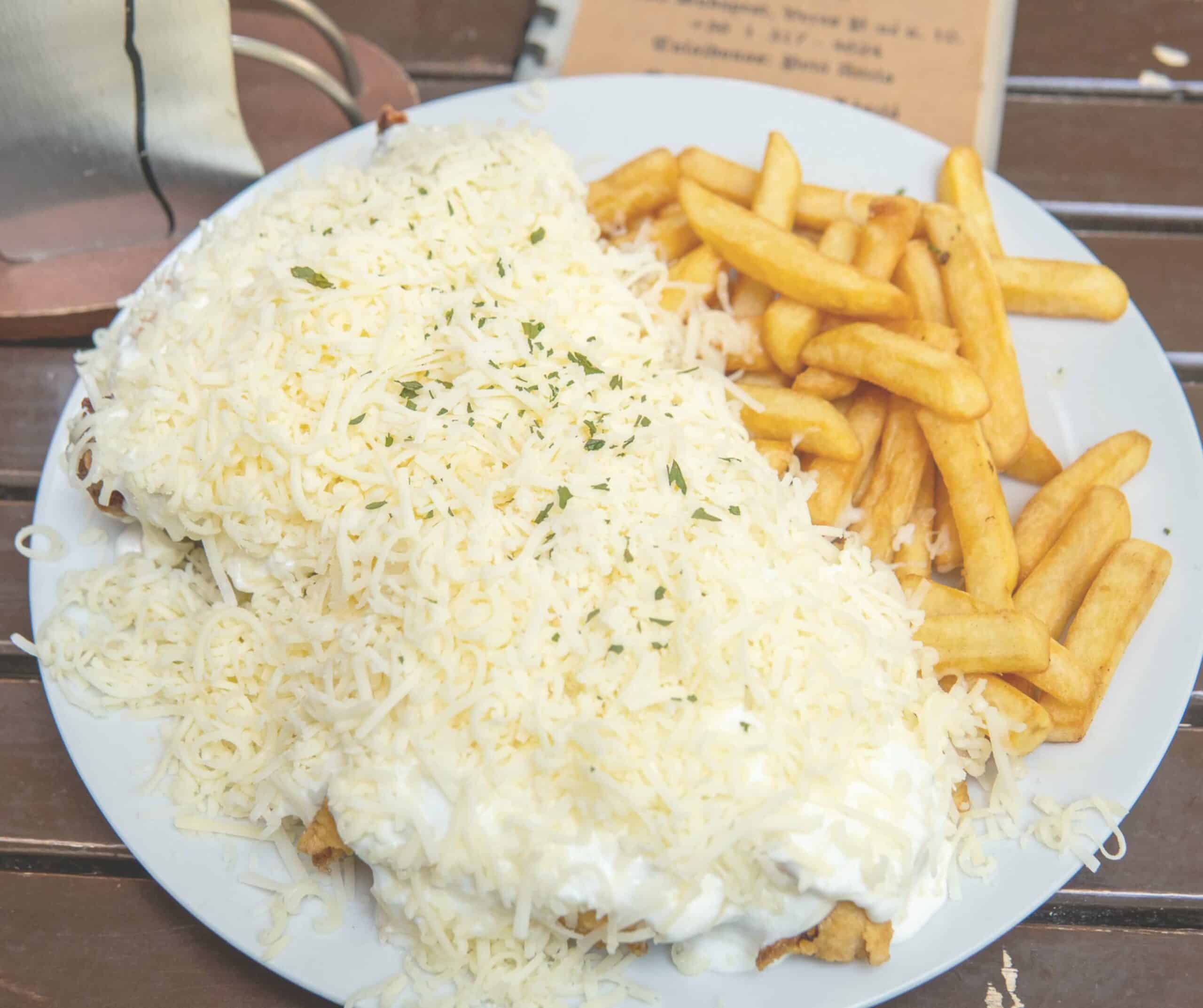
The menu has plenty of options, and the wine comes from the Mátra region in northern Hungary. The food is good. I recommend the fasírt, a traditional dish of pan-fried meatballs. I also got chicken under a mountain of sour cream and cheese, which was interesting, but I don’t think I’d order it again.
Marxim
Website | Address: Budapest, Kis Rókus u. 23, 1024 Hungary
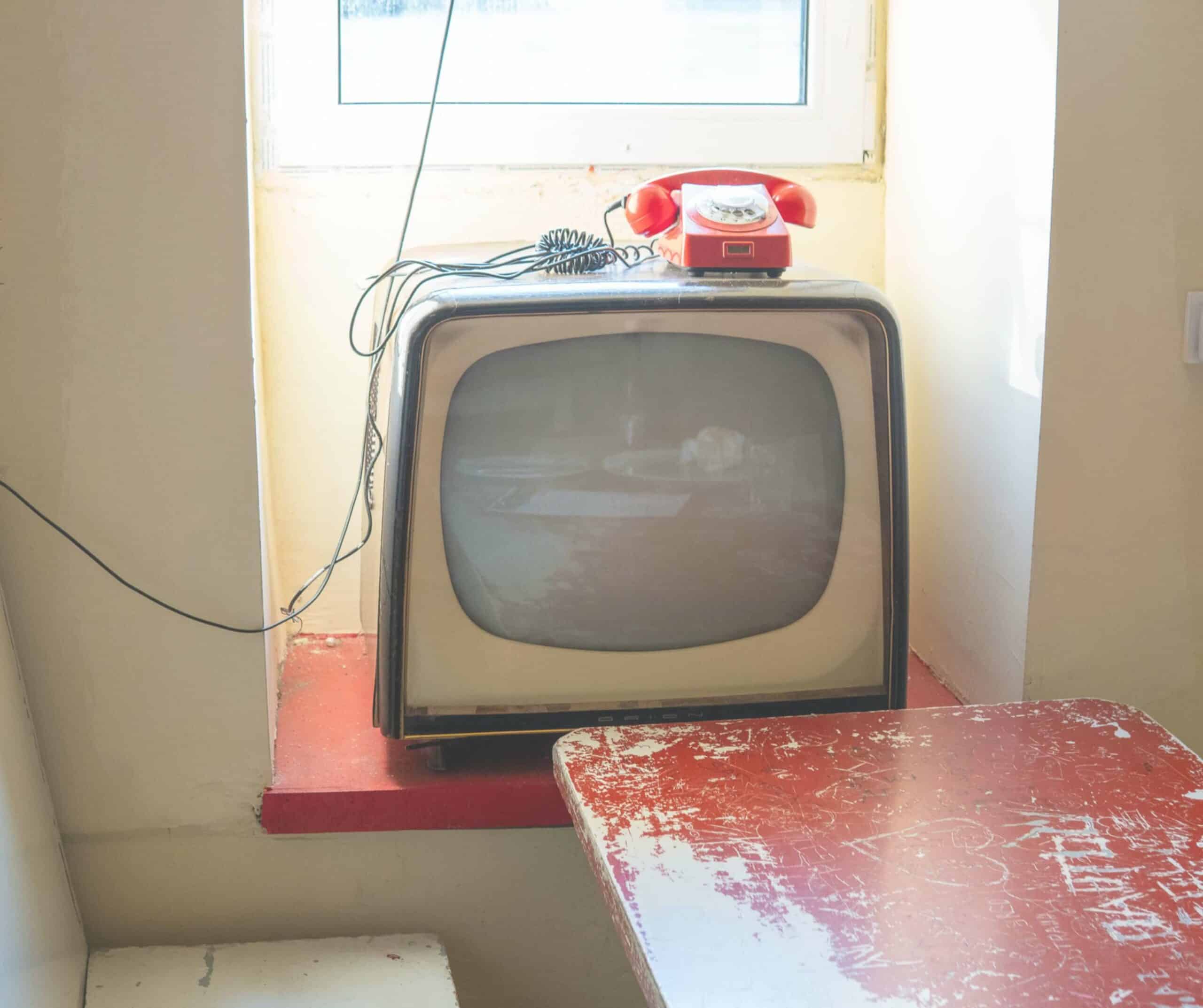
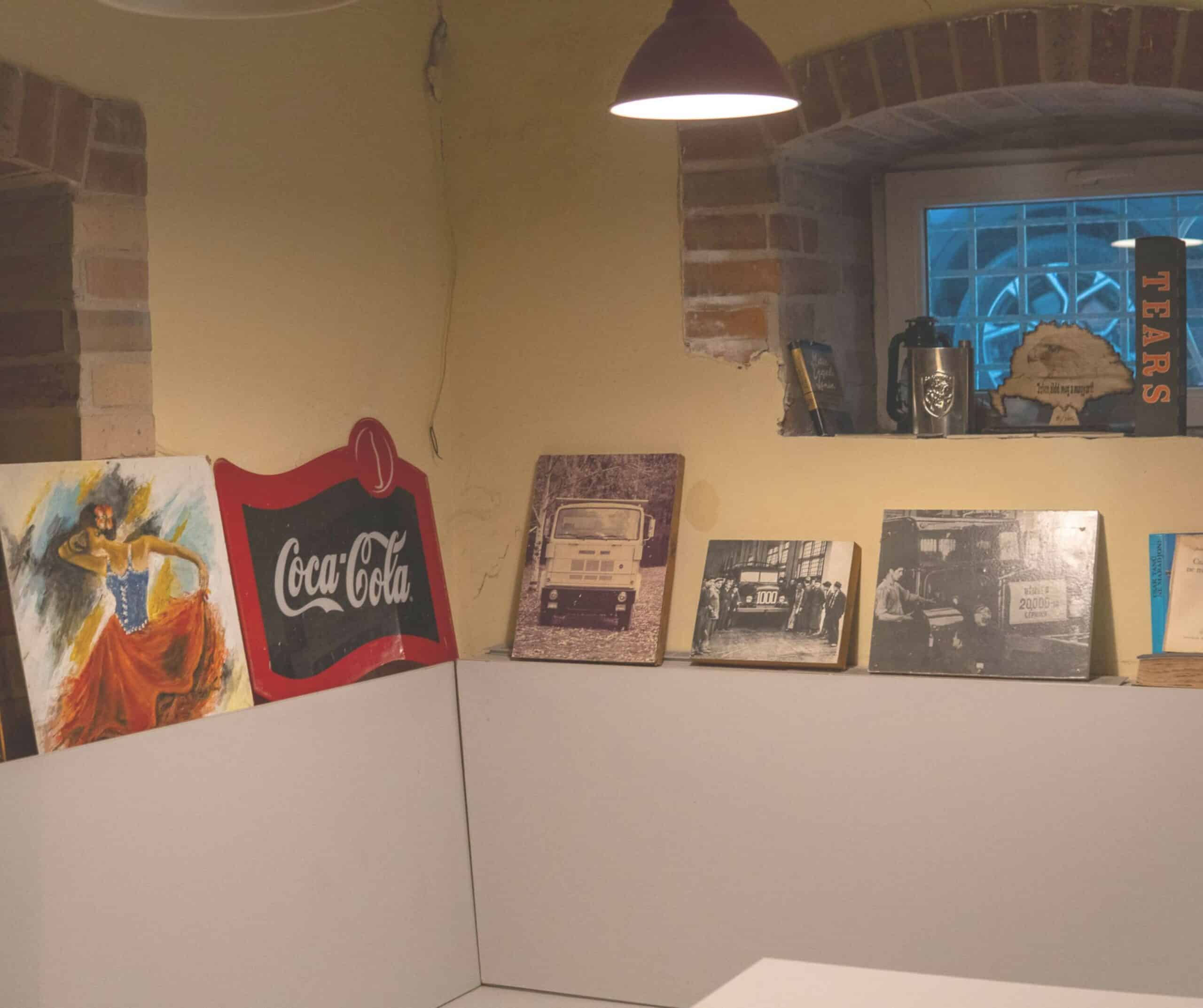
Marxim is a communist-themed pizzeria tucked below street level in Buda’s 2nd district, complete with a red star above the door, portraits of Lenin, barbed wire, and Soviet-era memorabilia. It has been leaning hard into the theme for over 20 years.
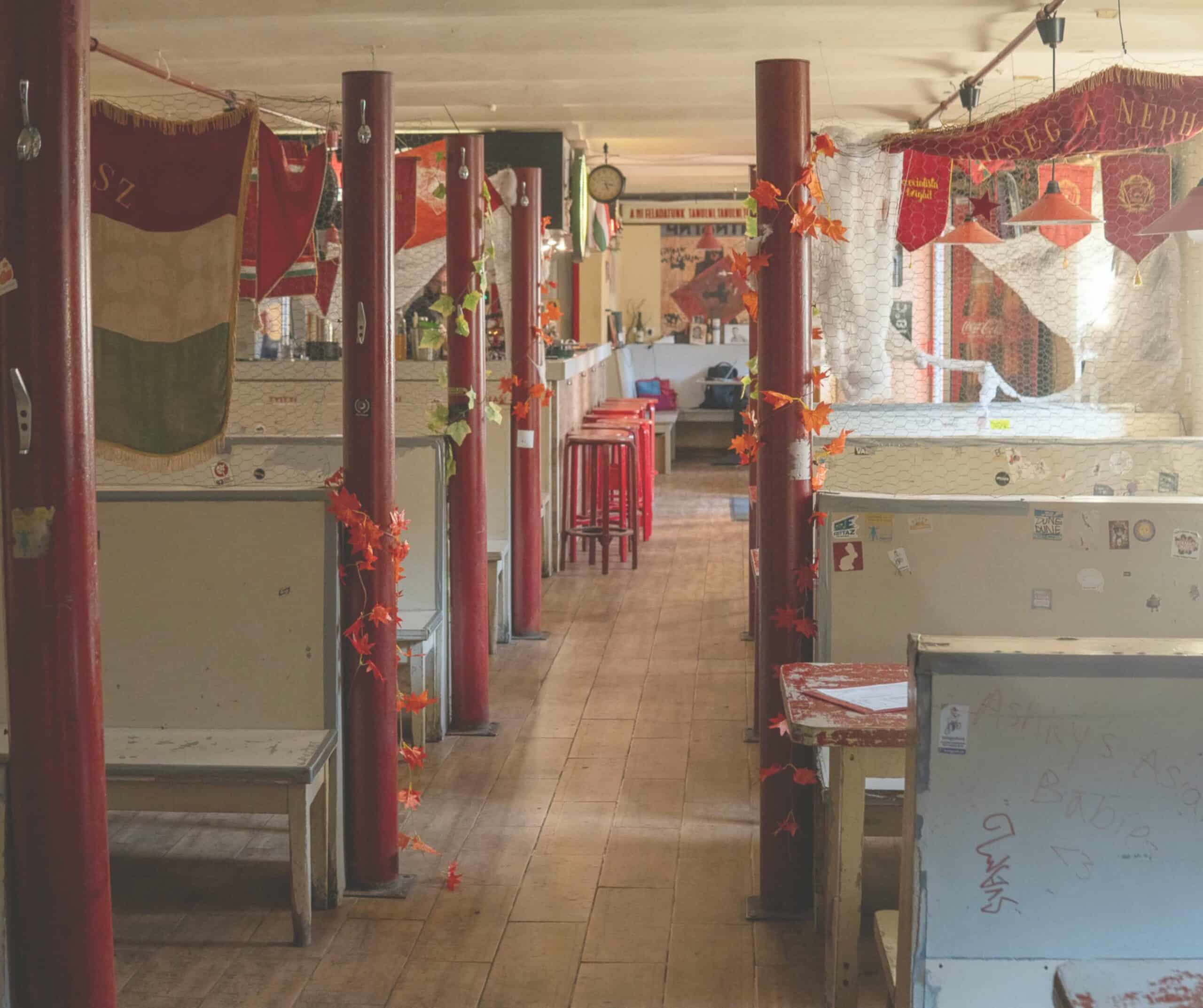
The menu leans just as hard into it, with pizza names like CCCPizza, Red October, Marximalista, and one called Snow White and the Seven Proletarians. It’s ridiculous and brilliant. In the interest of honesty, though: I got the Gordi-Gobri, and it wasn’t good, so maybe skip that one.
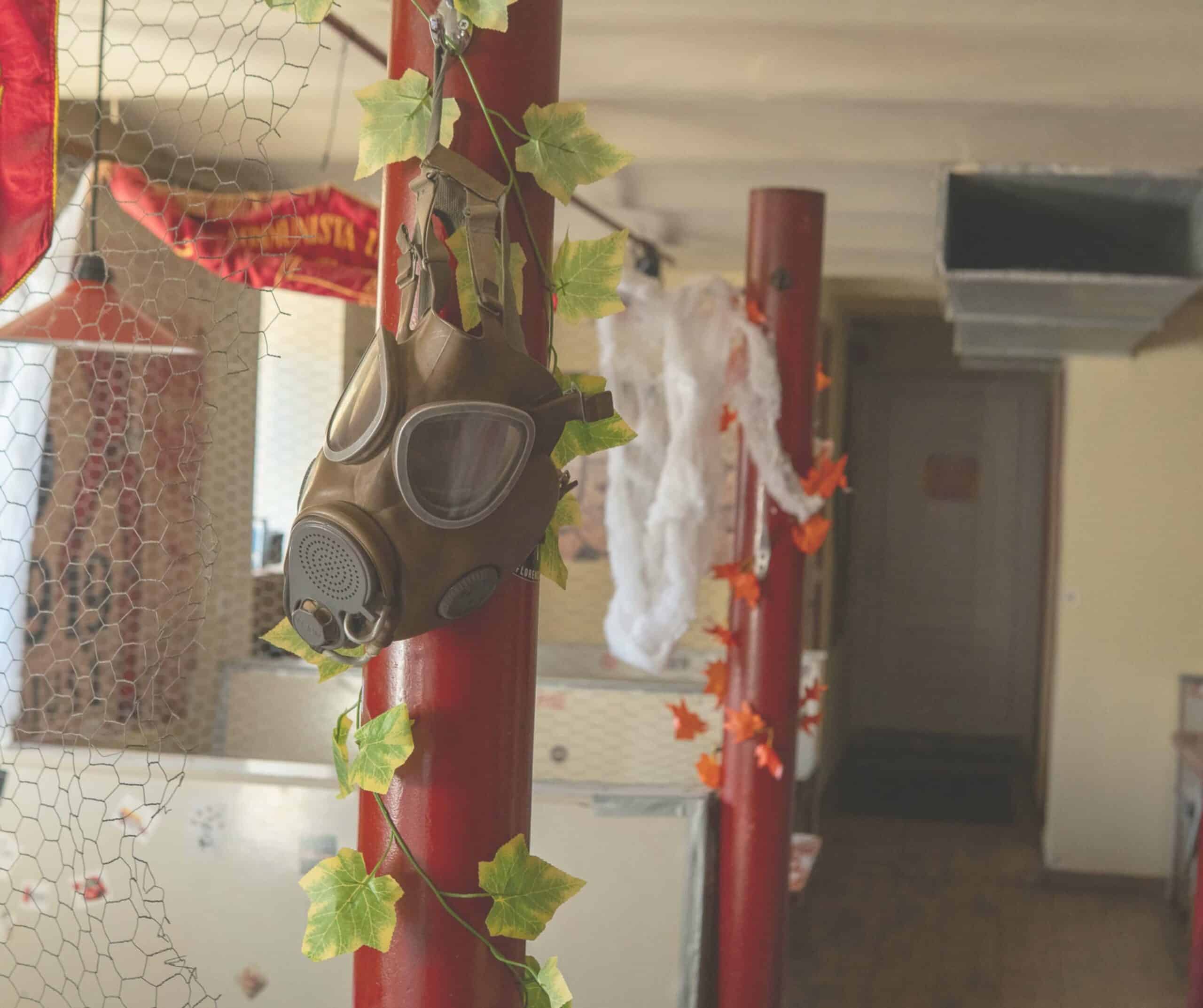
Maybe it was just my pizza, but if I were to go back, I’d get drinks and eat elsewhere. The pizza at Ibolya was much better. Despite that, this place was really cool to visit, and I’d totally go back and order a beer next time because the ambiance was great.
Mátra Borozó
Website | Address: Budapest, Corvin tér 1, 1011 Hungary
Mátra Borozó is a tiny, gloriously unchanged wine bar in Buda’s Corvin Square that has been pouring wine since 1948. The man behind the bar, Gábor, took it over from his father in 1982 and has been there in his white coat ever since.
The place looks frozen in time: wood panelling, lace tablecloths, and dim lighting. Unsurprisingly, the crowd skews older, with regulars who have been coming for decades.
The food is simple, like most of the communist-era spots in Budapest. They have zsíroskenyér (bread with lard), toasted sandwiches, and grilled sausage, among other things.
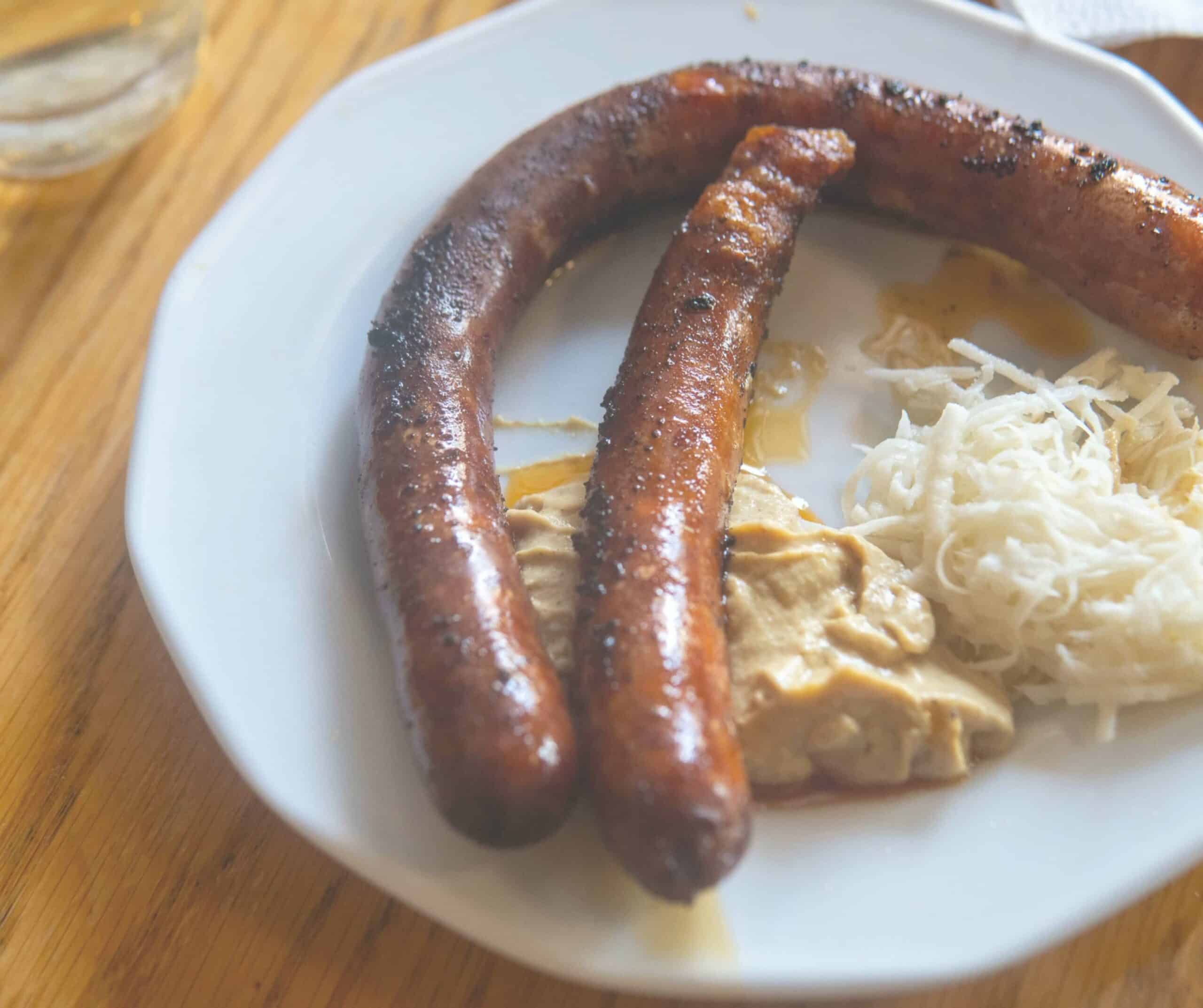
Get the Best Soup of Your Life
Bors Gastro Bar | Address: Budapest, Kazinczy u. 10, 1075 Hungary
Bors GasztroBár is a tiny takeout spot in the Jewish Quarter with a line out the door at lunchtime almost every single day, and it serves some of the best soup I have ever had in my life. They specialize in two things: soups and baguettes.
The menu is chalked up on a board and changes daily. It’s in Hungarian, but the guys working there are so friendly and will translate it for you.
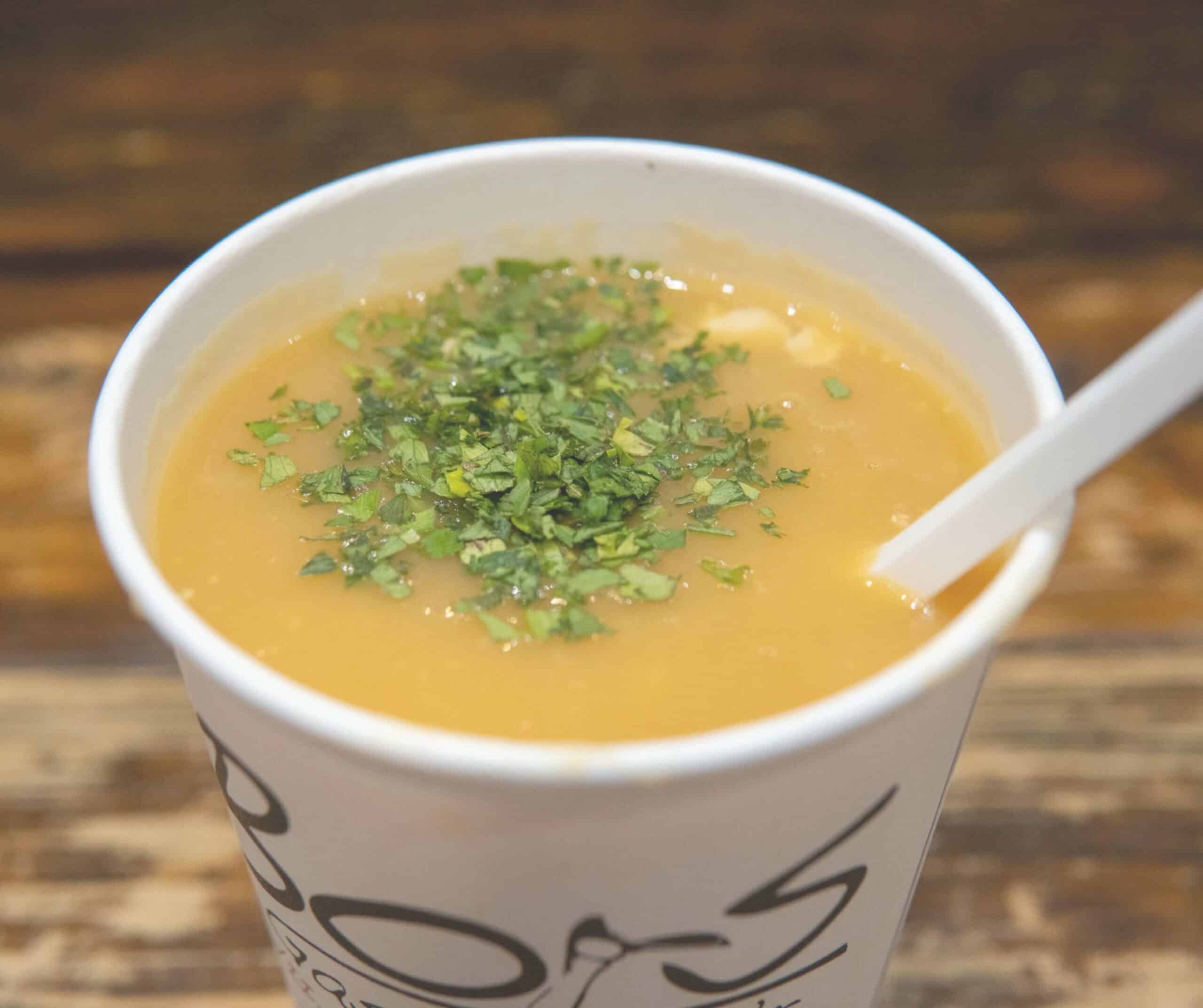
The soups are exceptional, and the combinations are creative. You’ll find things like French mustard, ginger, pork, and green apple, or coconut chili pumpkin with roasted seeds. You never know what will be on the menu, and they even serve dessert soups. I got a Nutella one that was to die for. If you’re not sure what to order, just ask, and the staff will be happy to help.
The baguettes are worth trying too. The French Lady, with chicken breast, red onion marmalade, and Edam cheese, is a popular one, but I went for a chicken curry and cheese baguette.
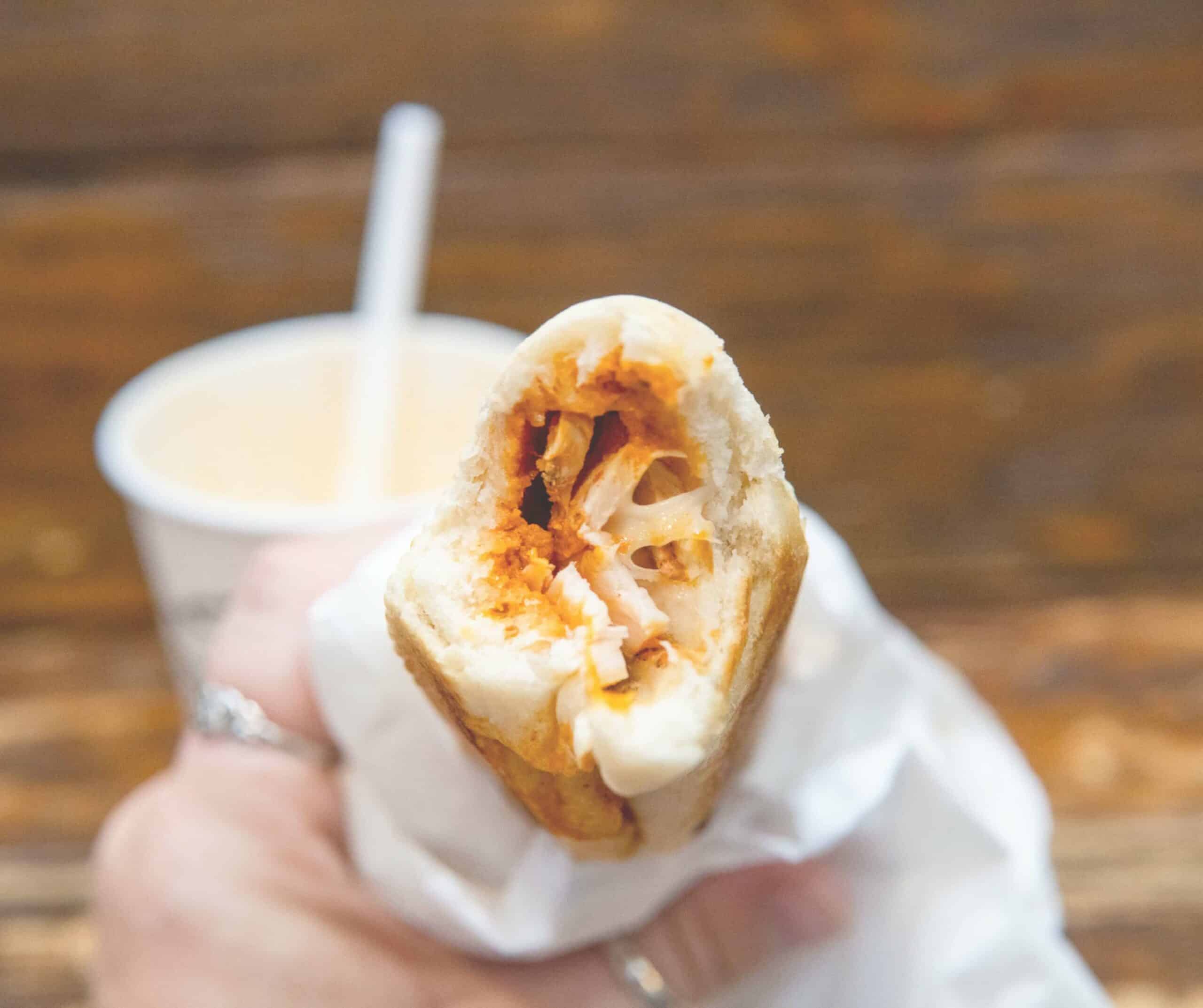
The place is tiny, and seating is limited, so it’s best to take your soup to go and find somewhere outside to enjoy it. Get there before the lunch rush or be prepared to wait. Either way, it’s worth it.
Eat at a Pirate-Themed Restaurant
Pirate Empire | Address: Budapest, Nagymező u. 41, 1065 Hungary
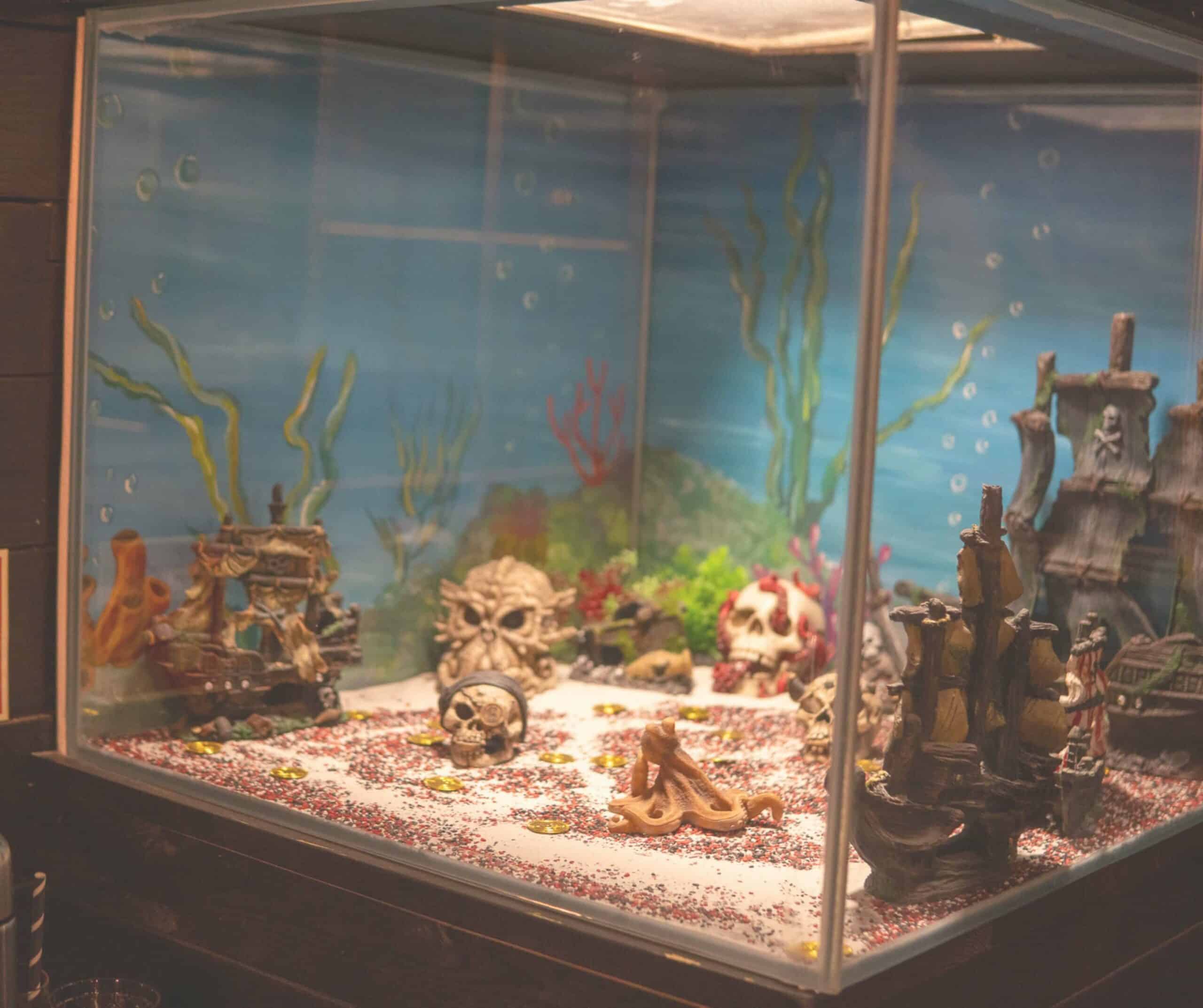
Pirate Empire is a pirate-themed restaurant in central Budapest where you eat dinner inside a recreated pirate ship, served by a staff dressed as pirates. Not every meal needs to be serious. Sometimes you just want to eat dinner surrounded by fake kraken tentacles, and this is where you do that.
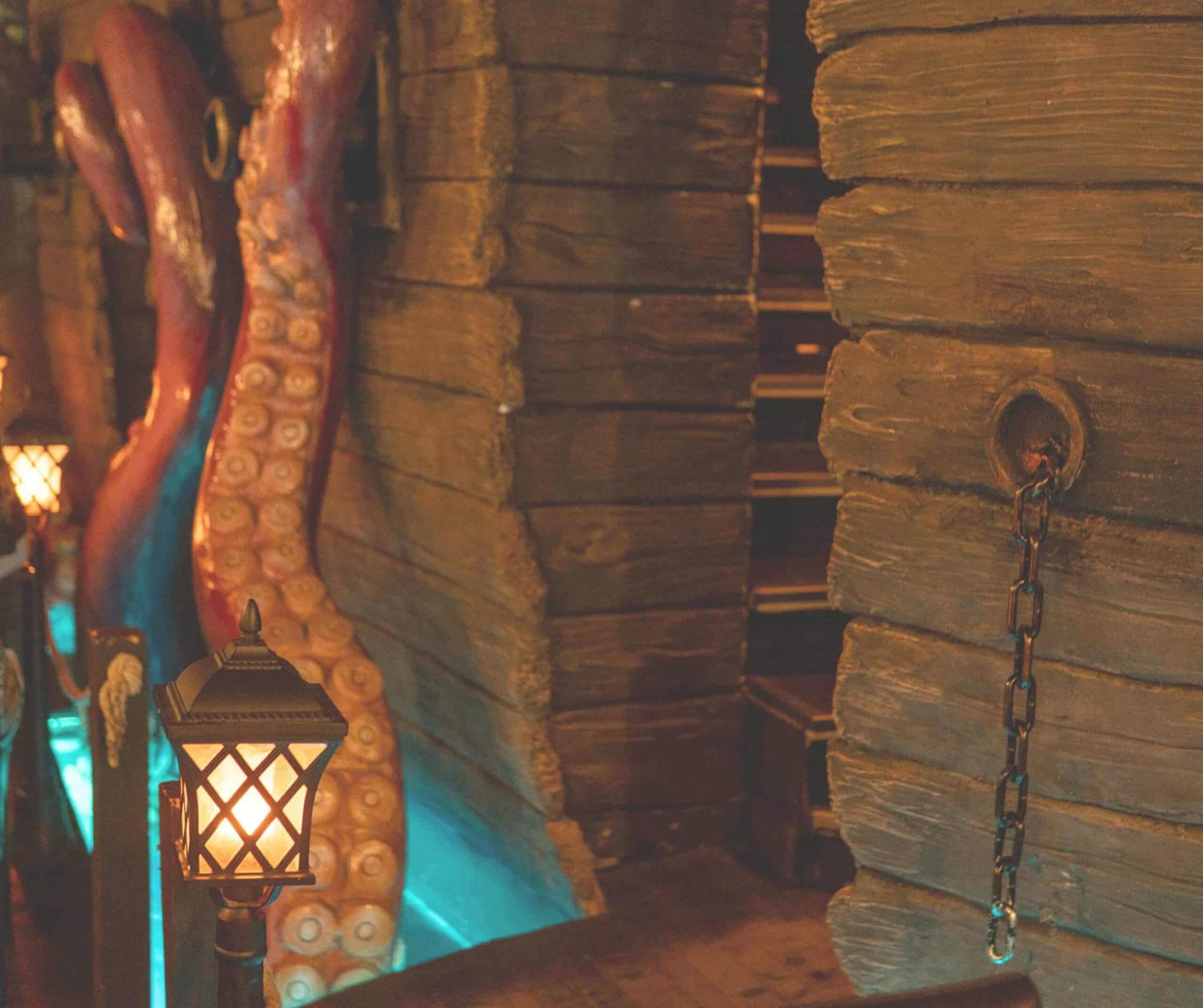
The space is divided into different settings: a harbor, a captain’s cabin, and the ship deck, all fitted out with skulls, rum shacks, and lanterns everywhere. I think all that’s missing is Jack Sparrow.
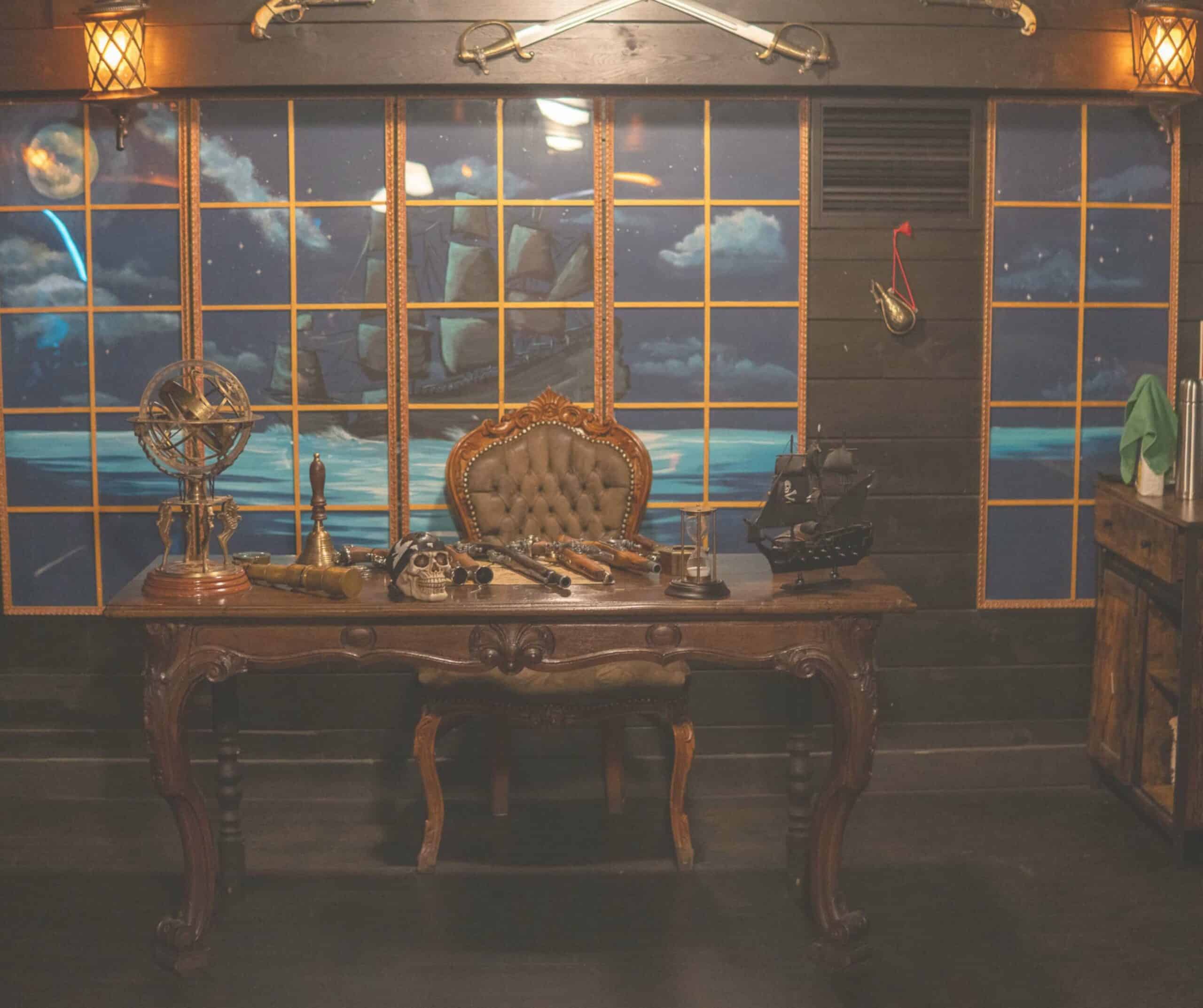
The menu leans into the theme too, with creatively named dishes. There are lots of seafood options, along with pizza, pasta, and burgers. My expectations for the food were low, because restaurants like this usually don’t focus on the food, but it wasn’t bad.
There are pirate hats and props available for photos, and the second floor is worth exploring even if you’re seated downstairs. Honestly, I’d probably request to be seated upstairs next time. I do recommend making a reservation because it can get packed, especially later in the evenings.
Take a Wine Tour in the Countryside
BOOK THIS WINE TOUR IN THE COUNTRYSIDE
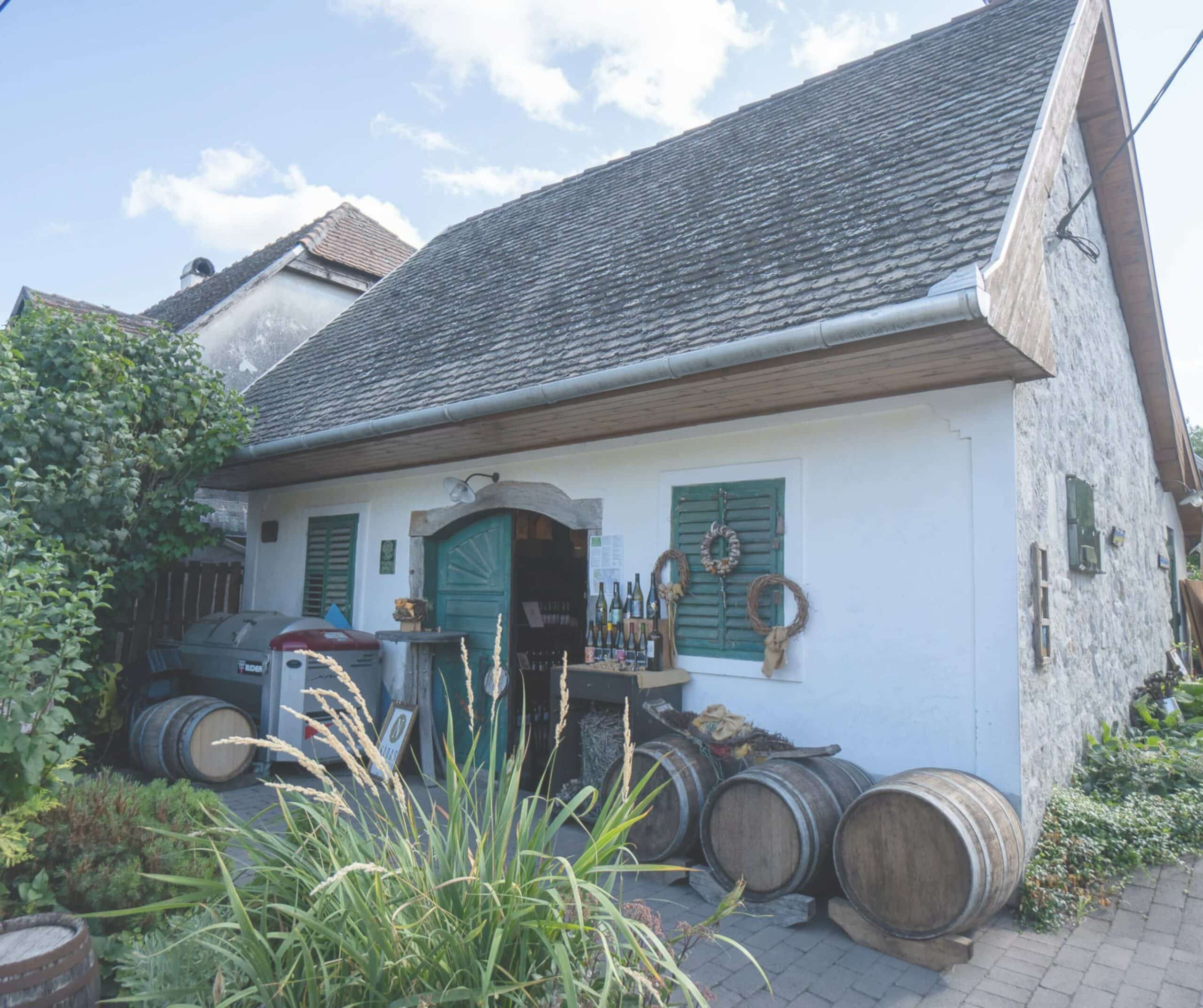
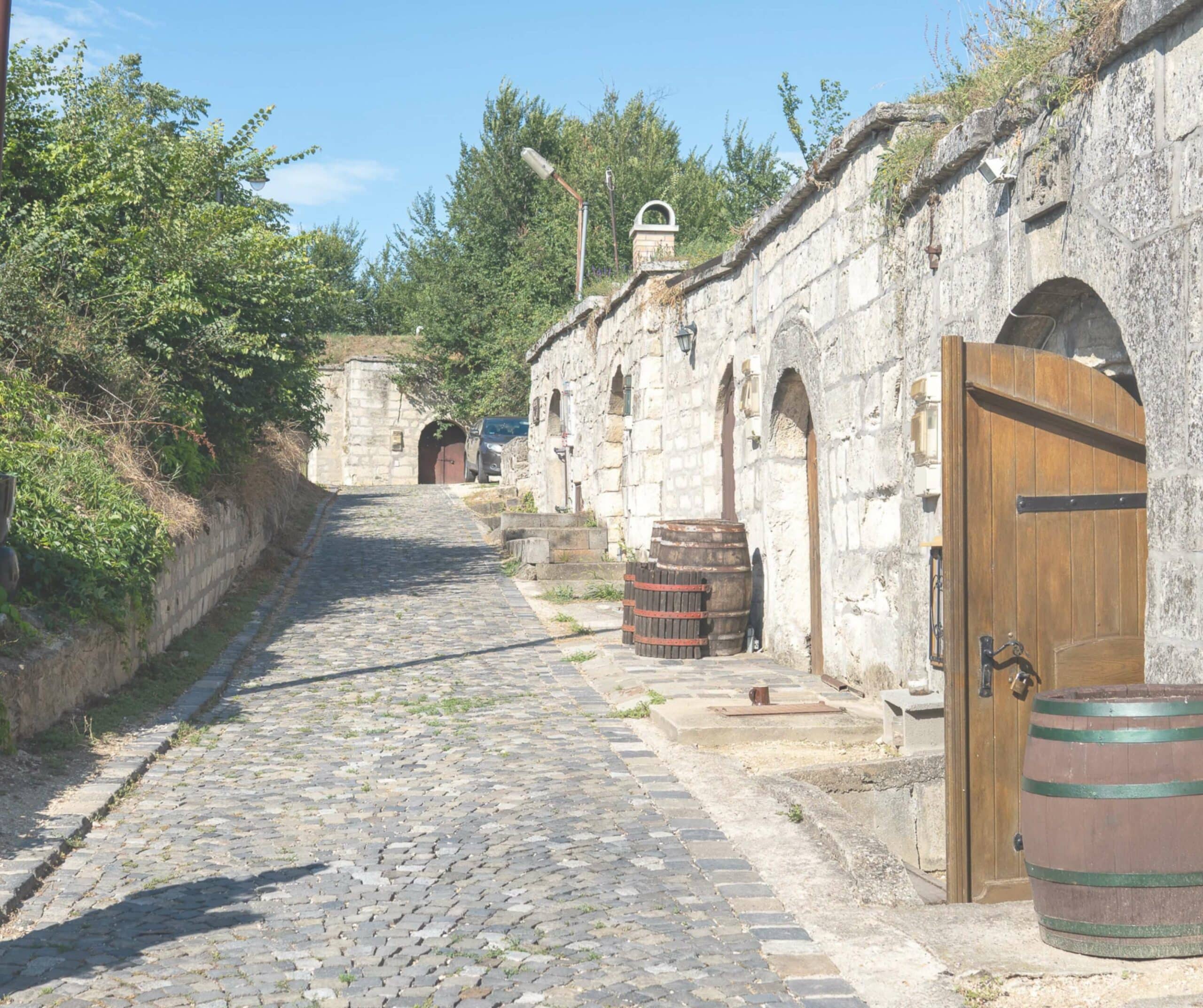
The Etyek-Buda wine region sits just 30 minutes outside Budapest, and it’s one of Hungary’s most charming and underrated wine areas, known for its crisp whites and sparkling wines. Most people don’t even realize it’s there, and this half-day tour is the best way to experience it.
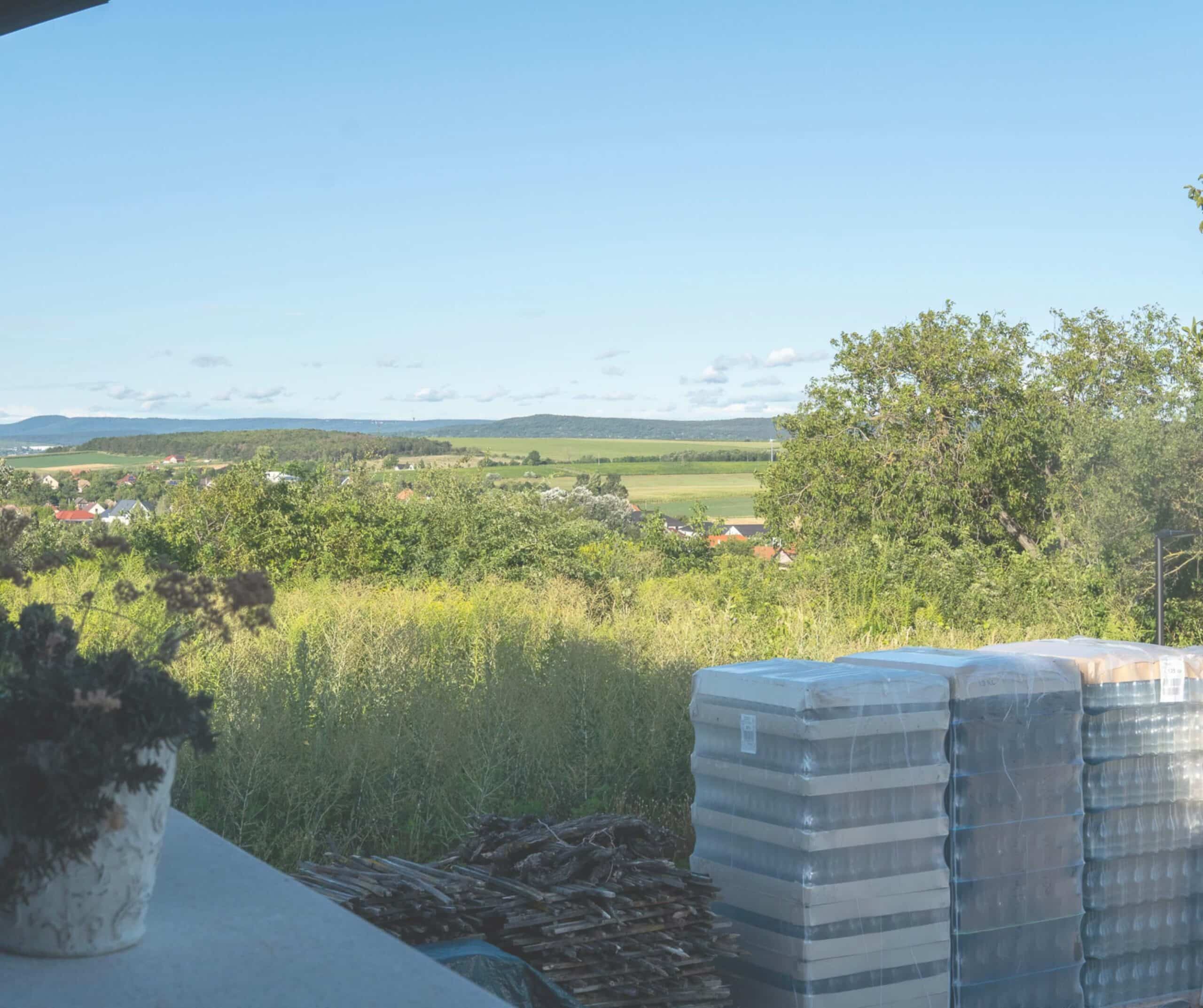
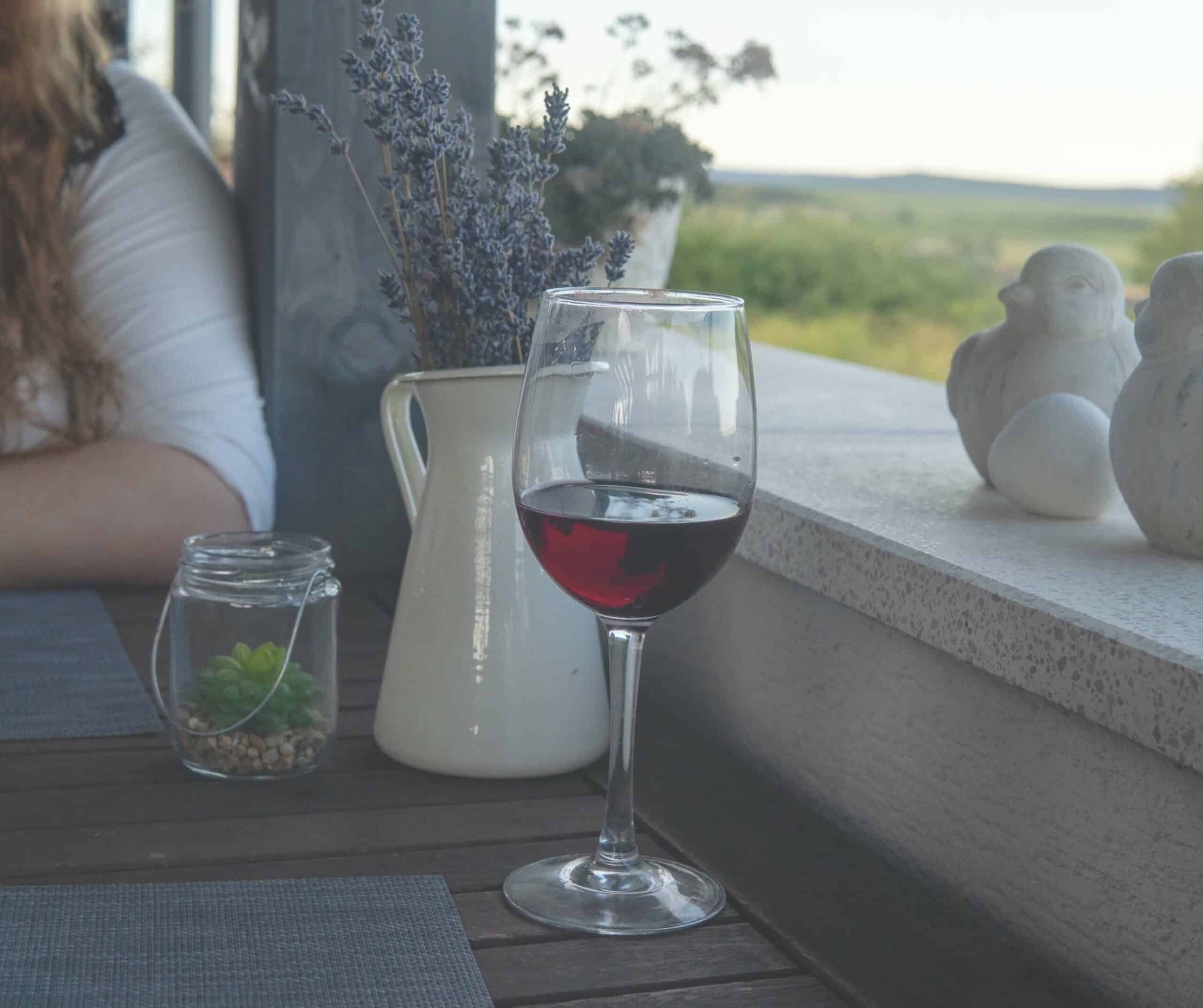
The tour visits a few small, family-owned wineries, and at each stop you’ll taste around four wines paired with local snacks.
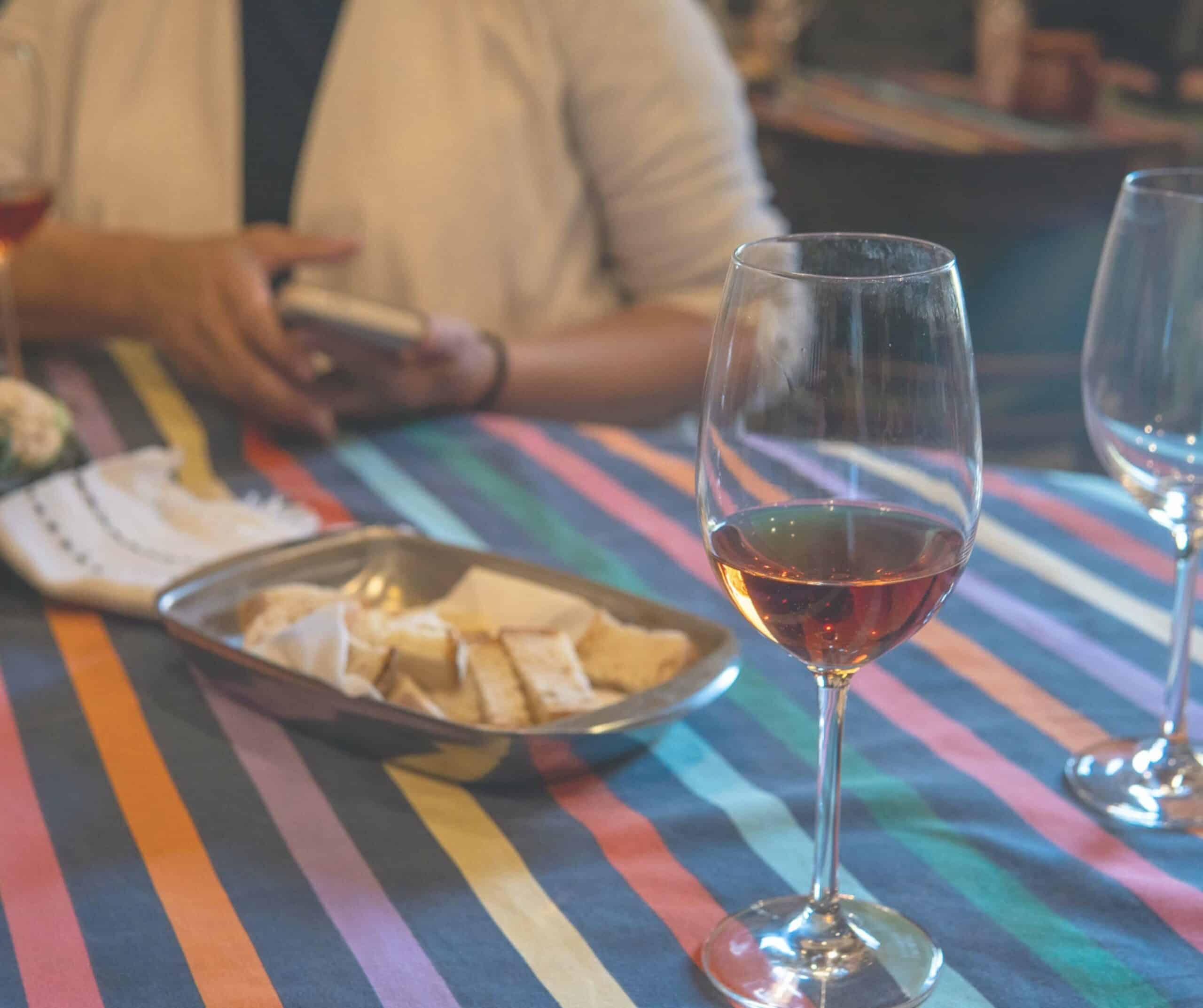
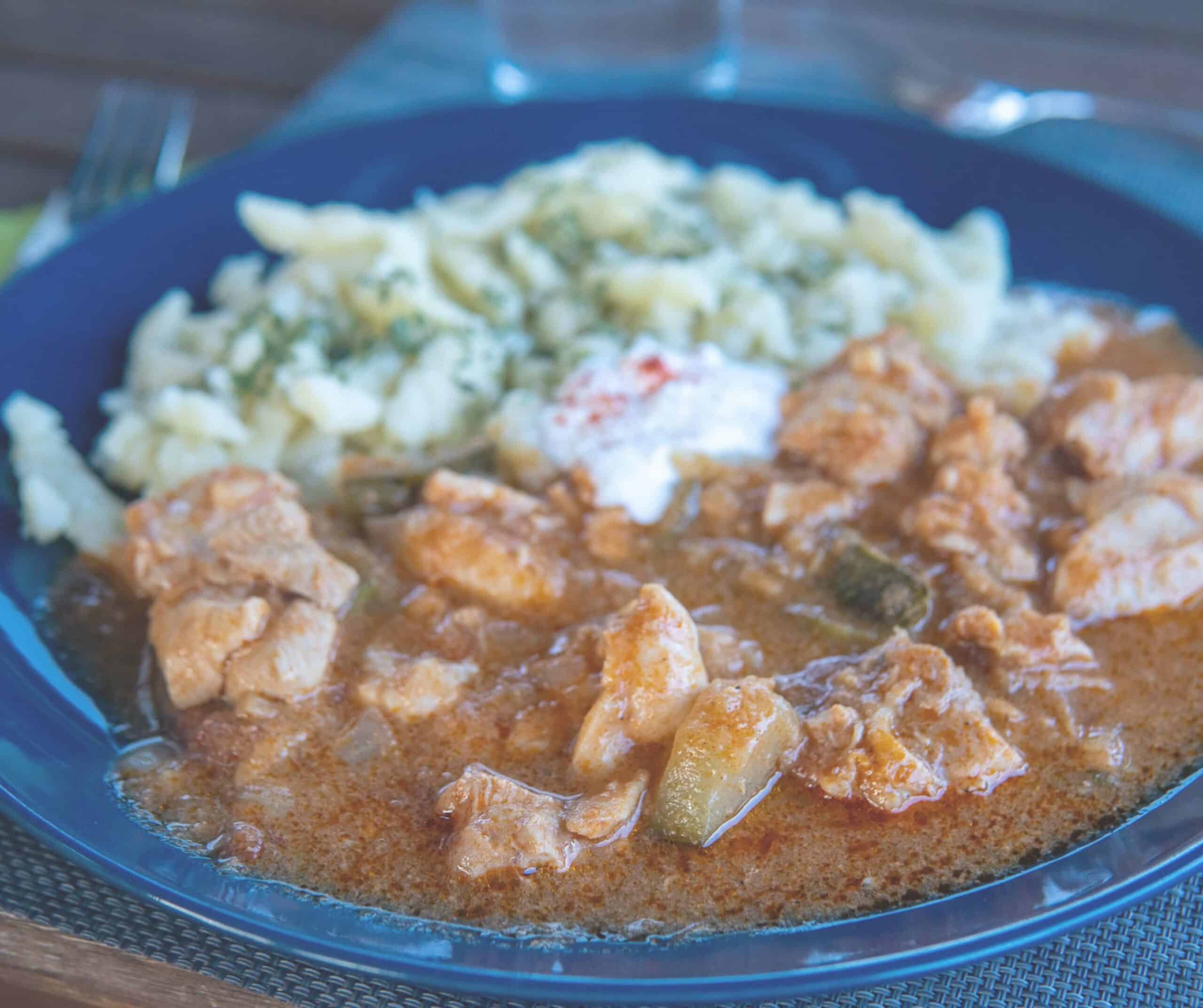
The tour wraps up with a home-cooked Hungarian meal. This was a great tour, and honestly, Etyek deserves way more attention than it gets.
Eat Pizza While Sailing on the Danube
This pizza cruise is one of Budapest’s more unique river cruises: an hour on the Danube with a whole pizza, a drink, and some of the best views the city has to offer. There’s no shortage of boats on the Danube, but this is a fun way to knock out the sightseeing and dinner at once.
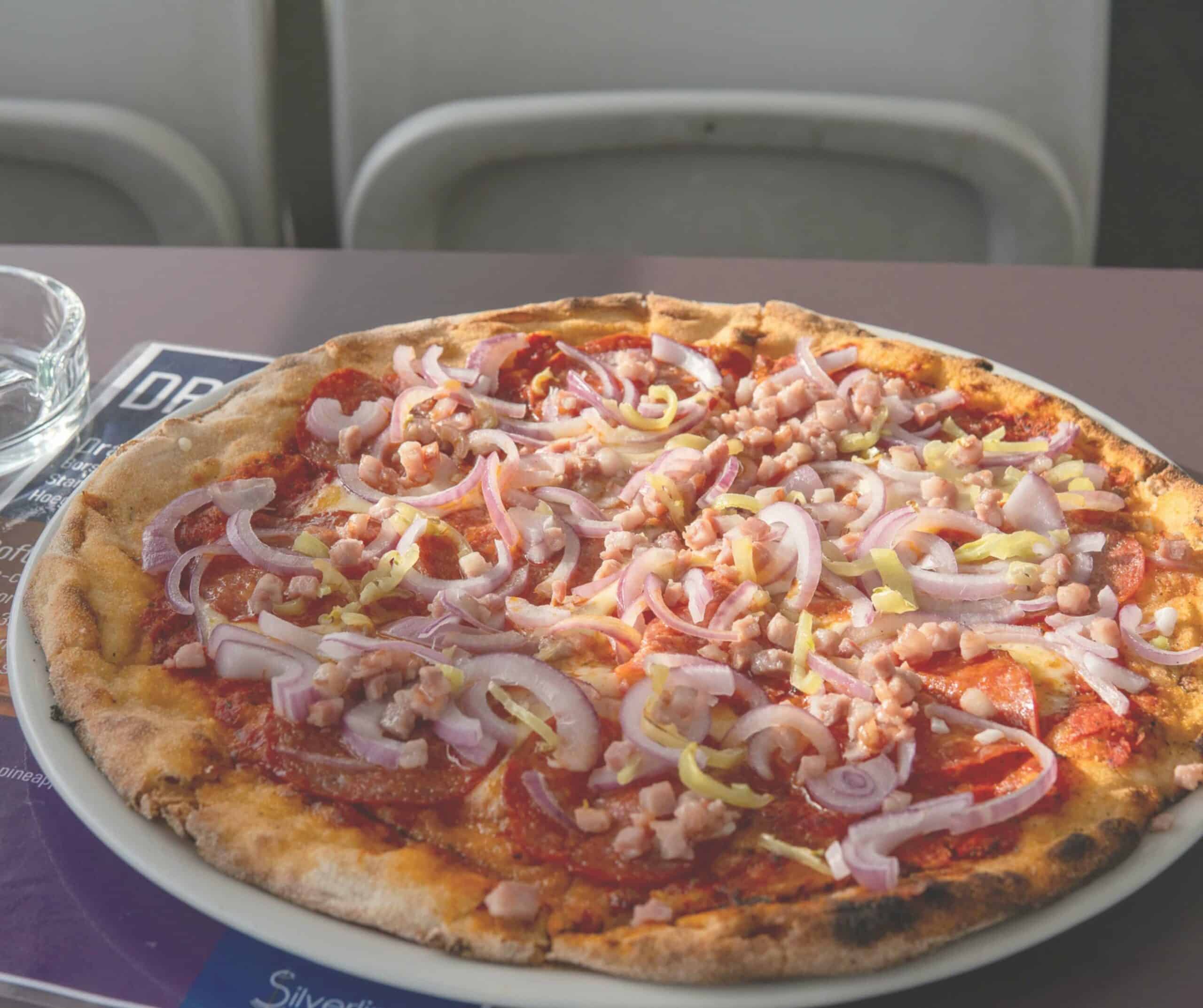
You choose your pizza when you book, with options like Margherita, Ham and Corn, Salami, Four Cheese, and a Hungarian-style one that comes with spicy sausage, paprika, red onion, and bacon.
One drink is included in the ticket price, and there’s a bar on board if you want more. The boat has two levels: an indoor lower deck that’s heated and air-conditioned, and an open upper deck that’s perfect in summer, though the day I went the wind was strong, so a lot of us moved inside.
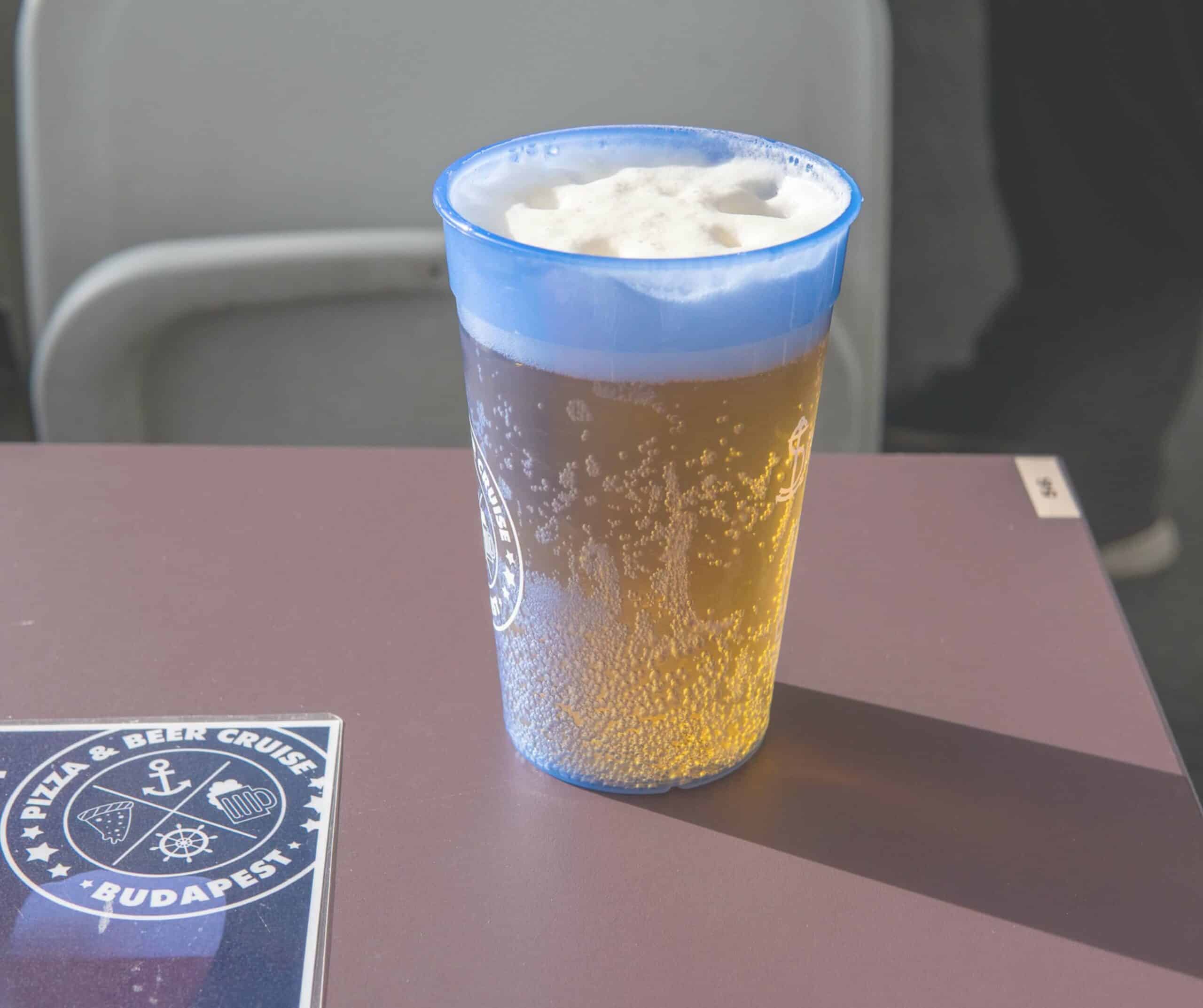
I really enjoyed this cruise. The views were great, and the pizza was excellent.
Learn to Make Traditional Hungarian Dishes
One of my favorite things to do when I travel is learn to make local dishes. I wrote a roundup of the best cooking classes in Budapest, but these were a few of my favorites!
Langos Cooking Class
BOOK THIS LANGOS COOKING CLASS
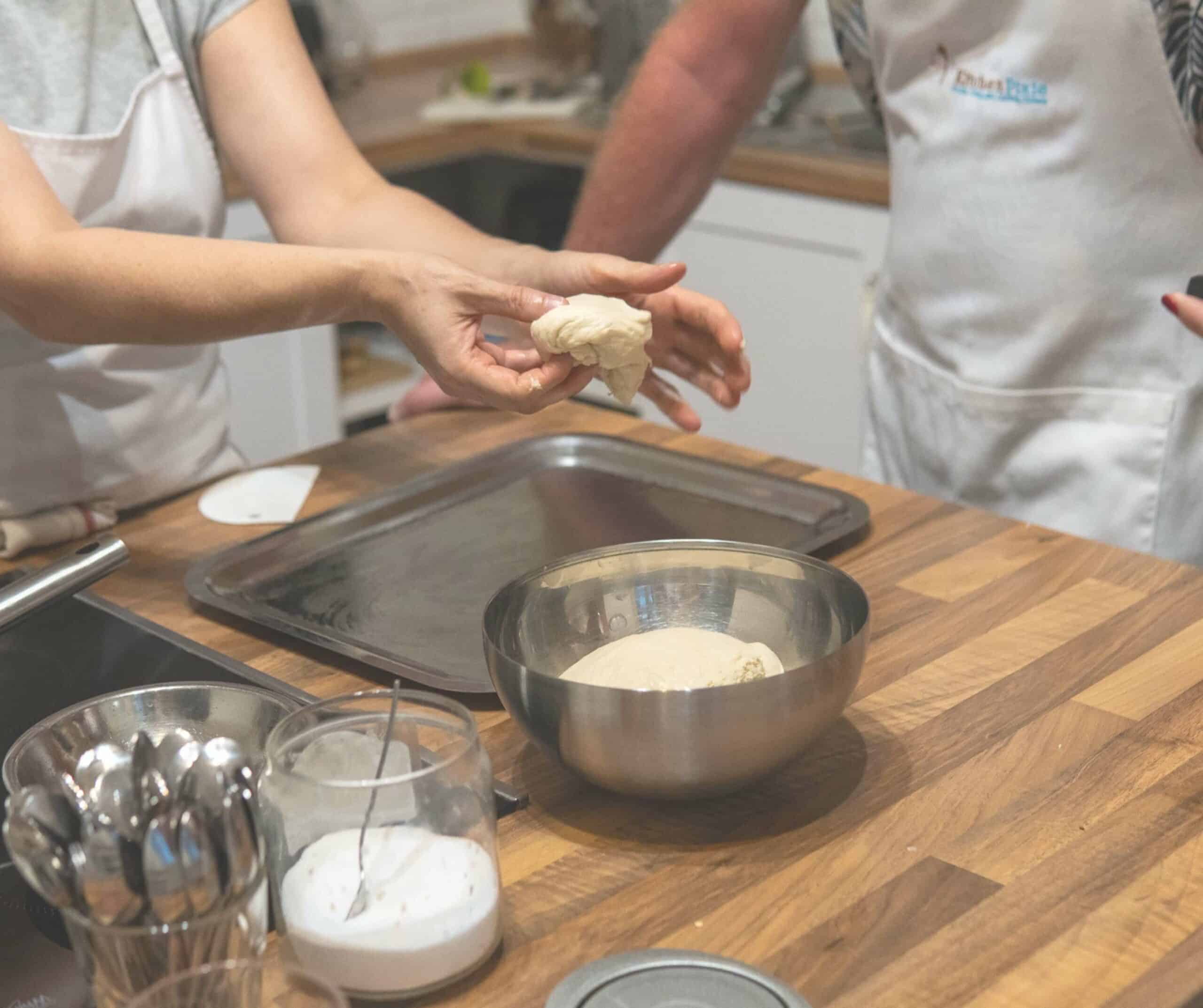
Marti’s lángos class is a two-hour session in her home kitchen studio where you learn to make lángos, Hungary’s deep-fried flatbread. And if you’ve spent any time in Budapest and haven’t tried lángos yet, that needs fixing immediately. Learning to actually make it is just doing one better.
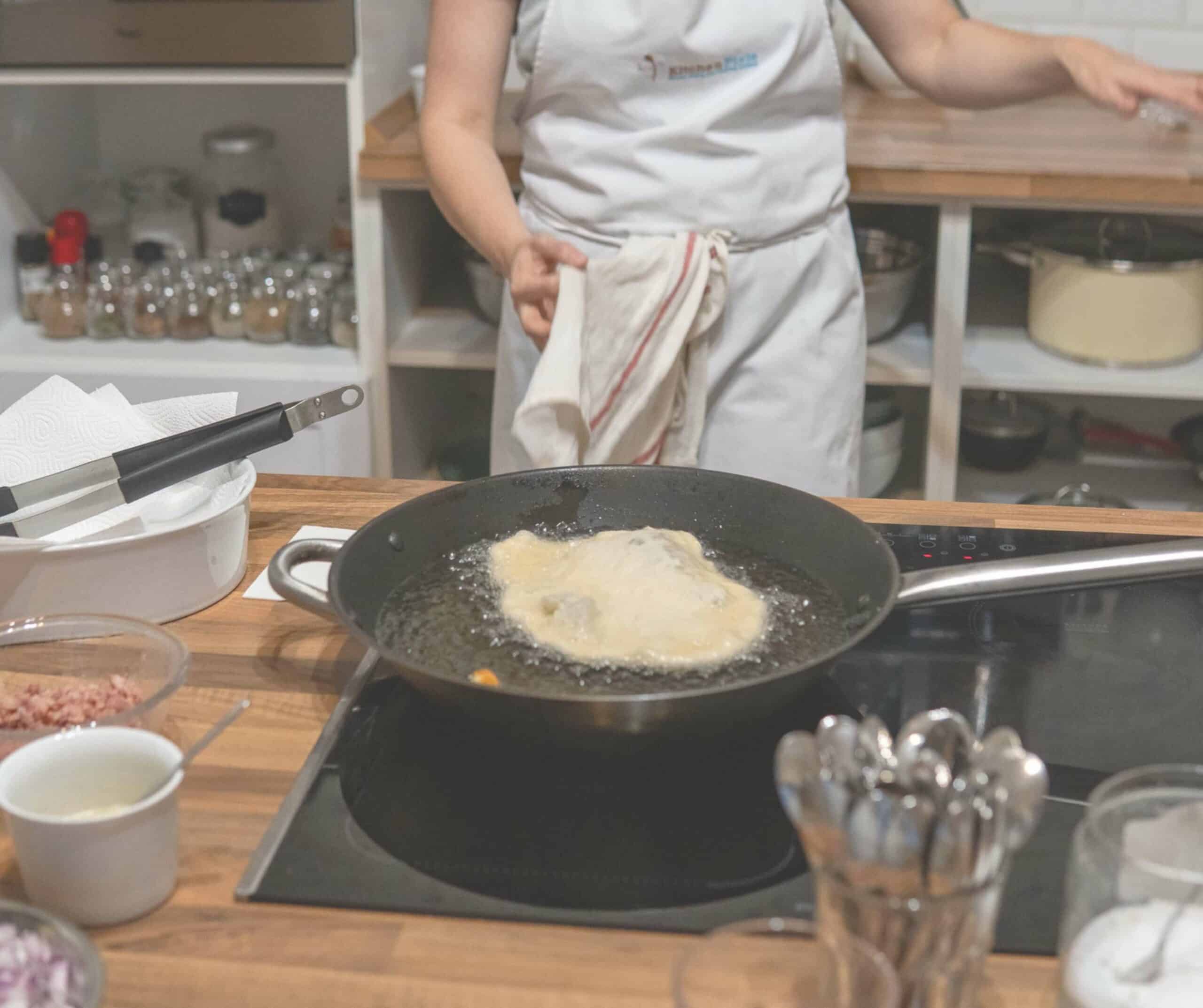
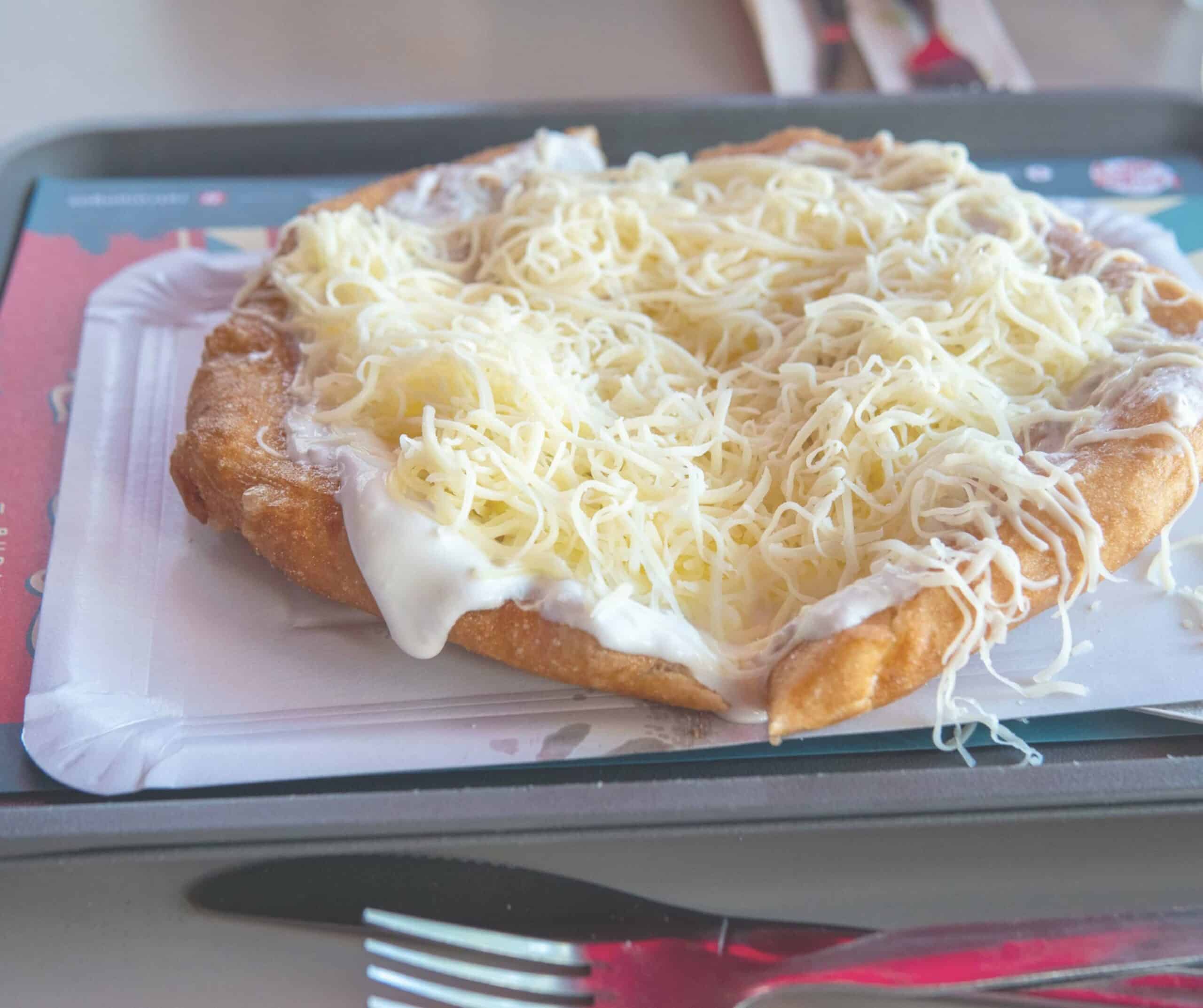
Golden and crispy on the outside, soft inside, and always eaten warm. The classic version gets rubbed with garlic cream, then topped with sour cream and grated cheese. From there you can add bacon, peppers, or red onion.
The class covers two varieties, classic and potato lángos. When you’re done cooking you sit down together, eat everything you made, and get a glass of wine to go with it. You also leave with the recipes so you can recreate it at home.

Chimney Cake Cooking Class
BOOK THIS CHIMNEY CAKE COOKING CLASS
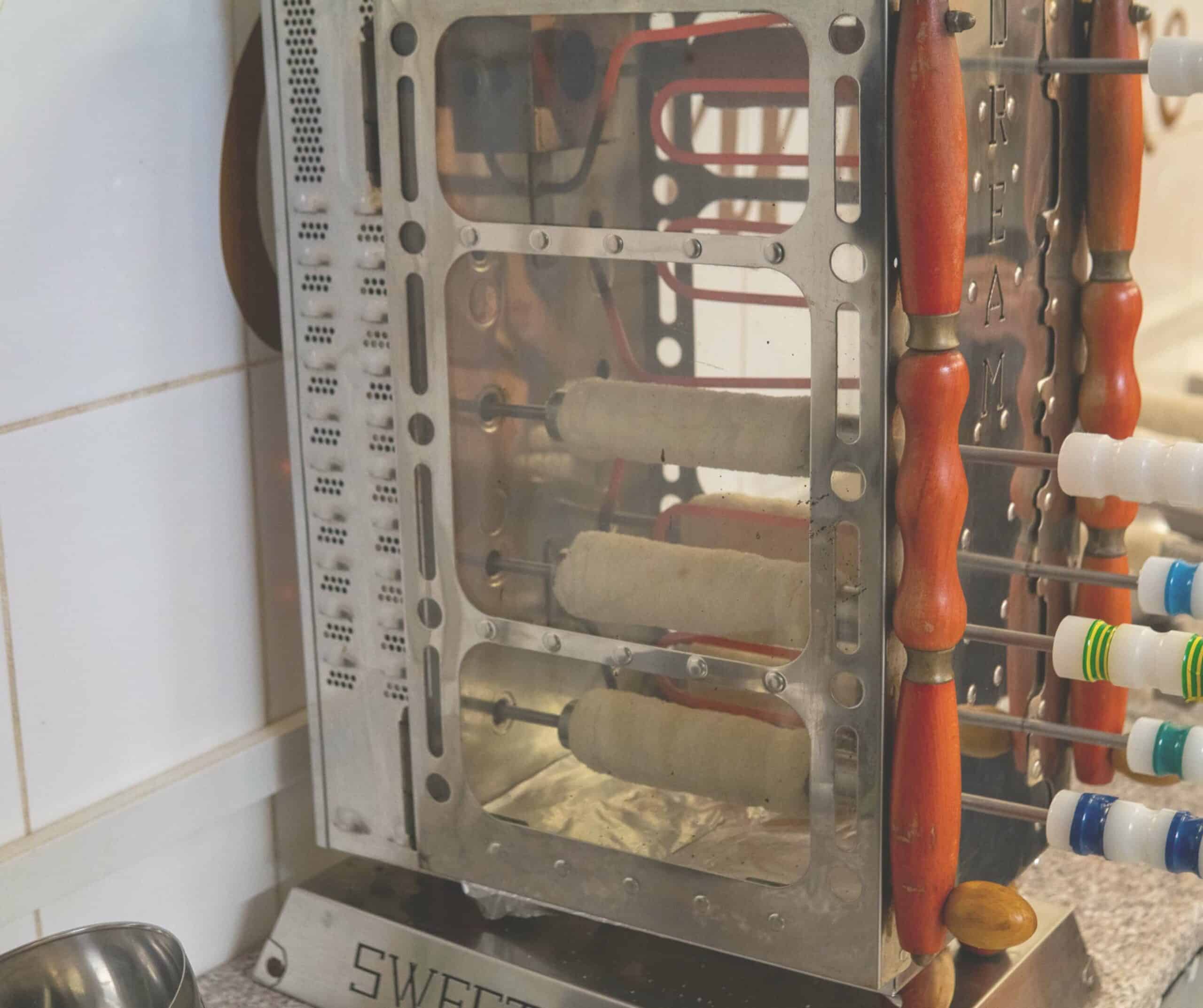
This workshop at a family-run chimney cake shop teaches you to make kürtőskalács, Hungary’s chimney cake, a spiral of sweet dough baked on a mold until the sugar caramelizes into a thin, crackly crust.
And if you’ve wandered around Budapest for more than a day, you’ve almost certainly smelled one before you’ve seen it. That warm caramel scent drifting out of market stalls and bakeries. This is quite possibly the only chance you’ll have at making it yourself (you need a lot of equipment).
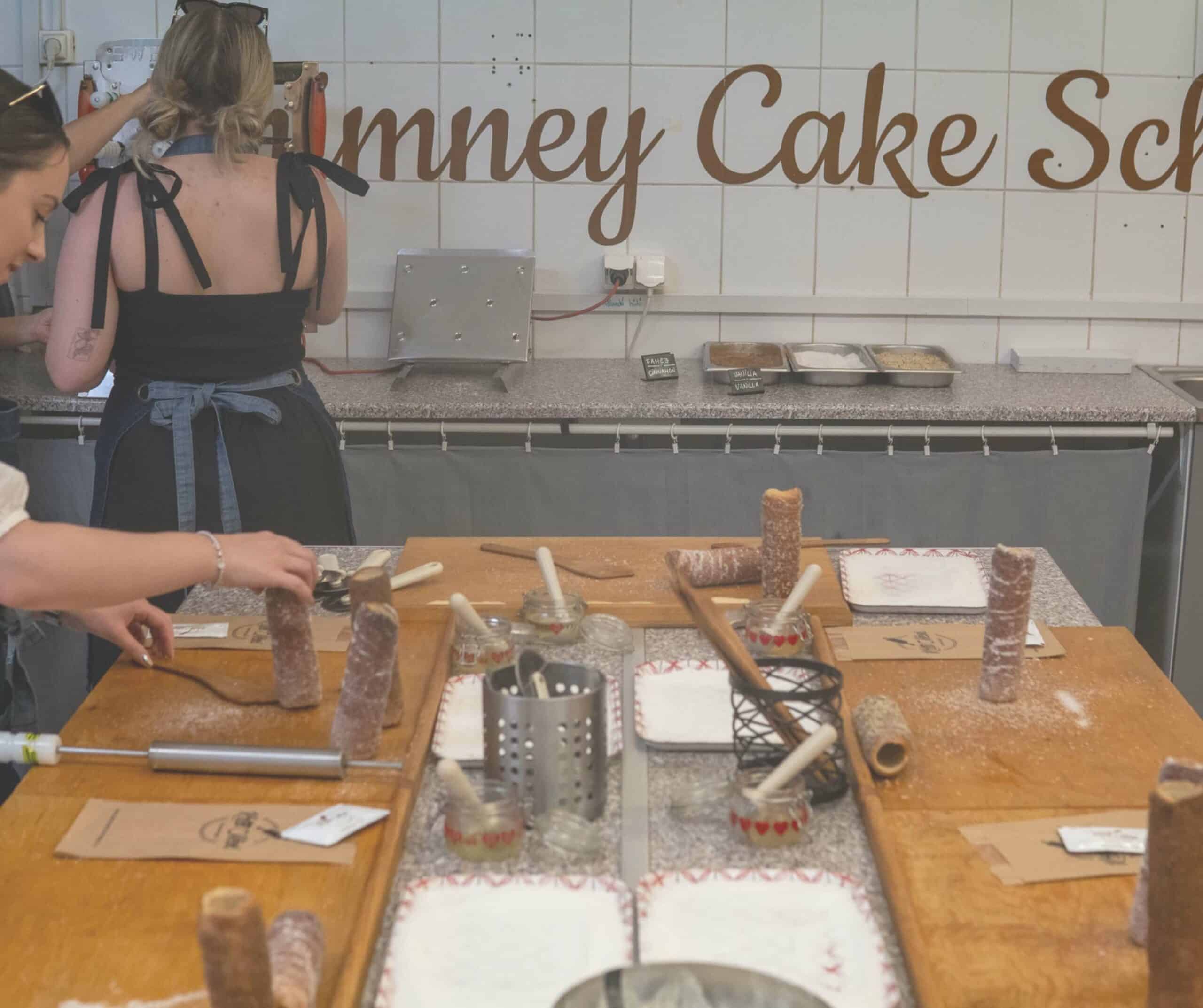
The shop has been at it for over two decades. Kürtőskalács has roots in Transylvania and has been part of Hungarian food culture for centuries. The first written record of it dates back to 1679.
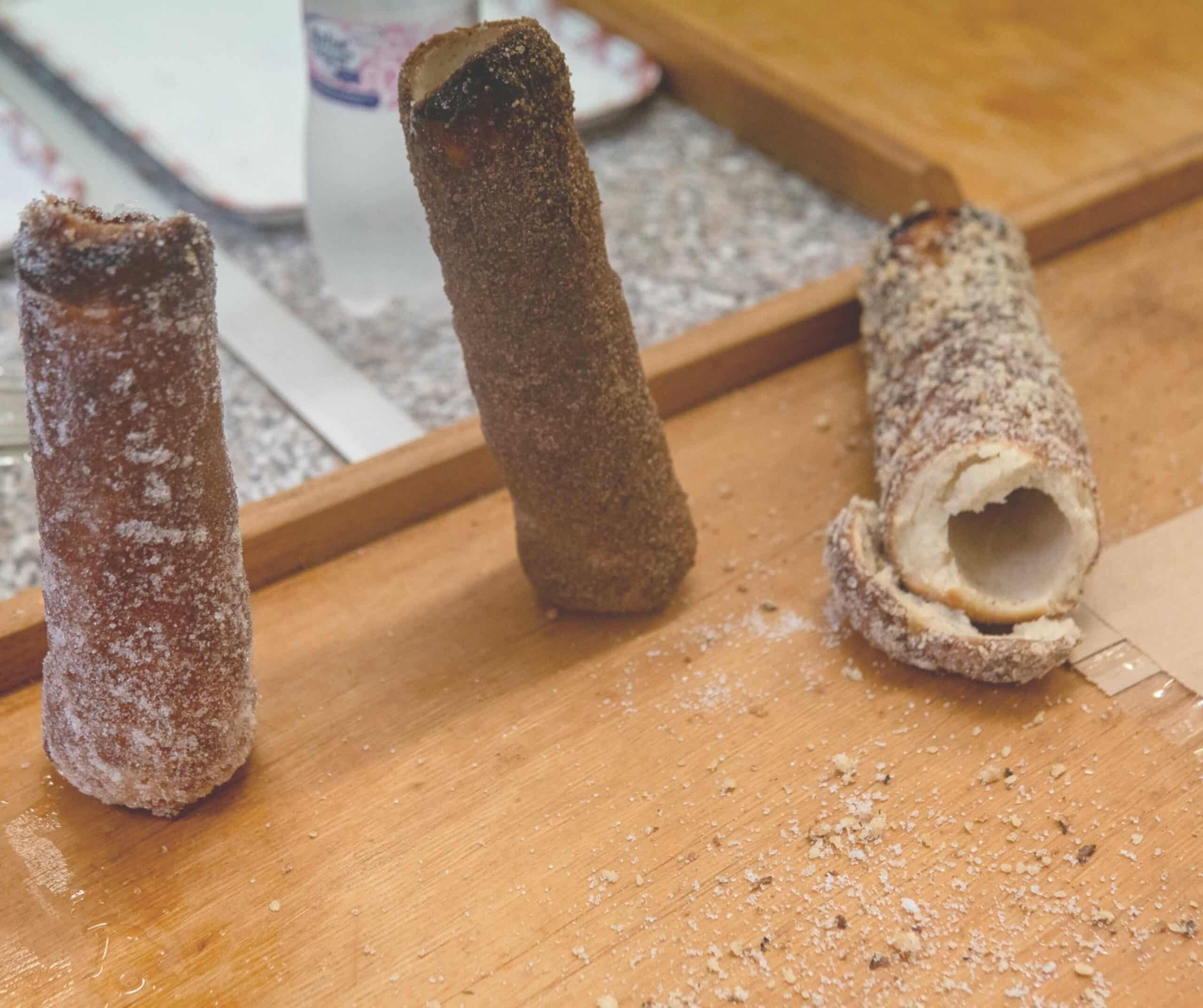
I love chimney cakes, and it was an interesting process. You shape the sweet dough into long strips, wind it around a wooden mold in a spiral, and roll it in sugar. Once it comes off the mold, it looks exactly like a chimney.
In the workshop you make three of them. Topping options include sugar, cinnamon, and coconut. At the end you eat what you made, take the rest away in a bag, and leave with a recipe and a certificate with your name on it.
Hungarian Cooking Class
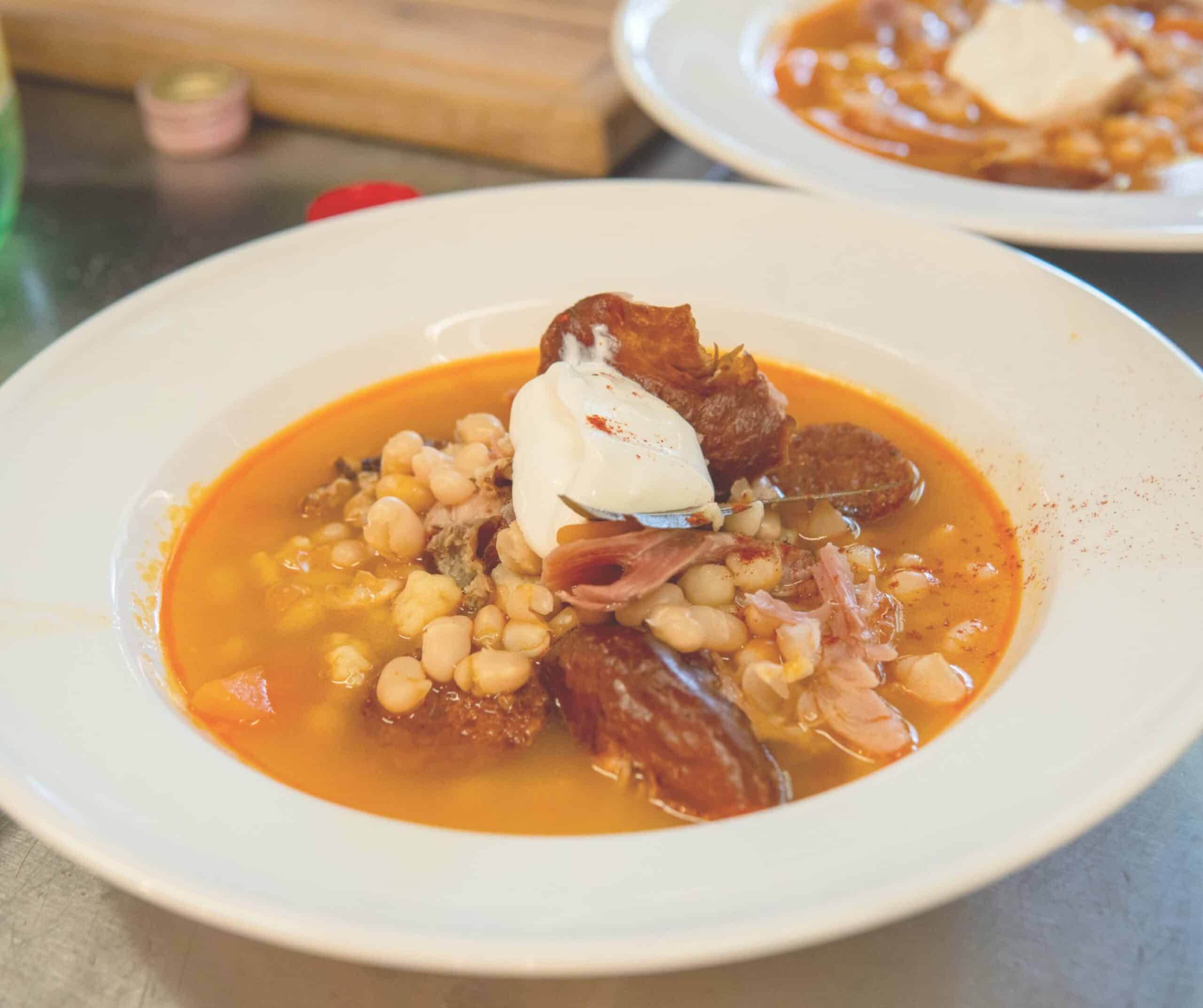
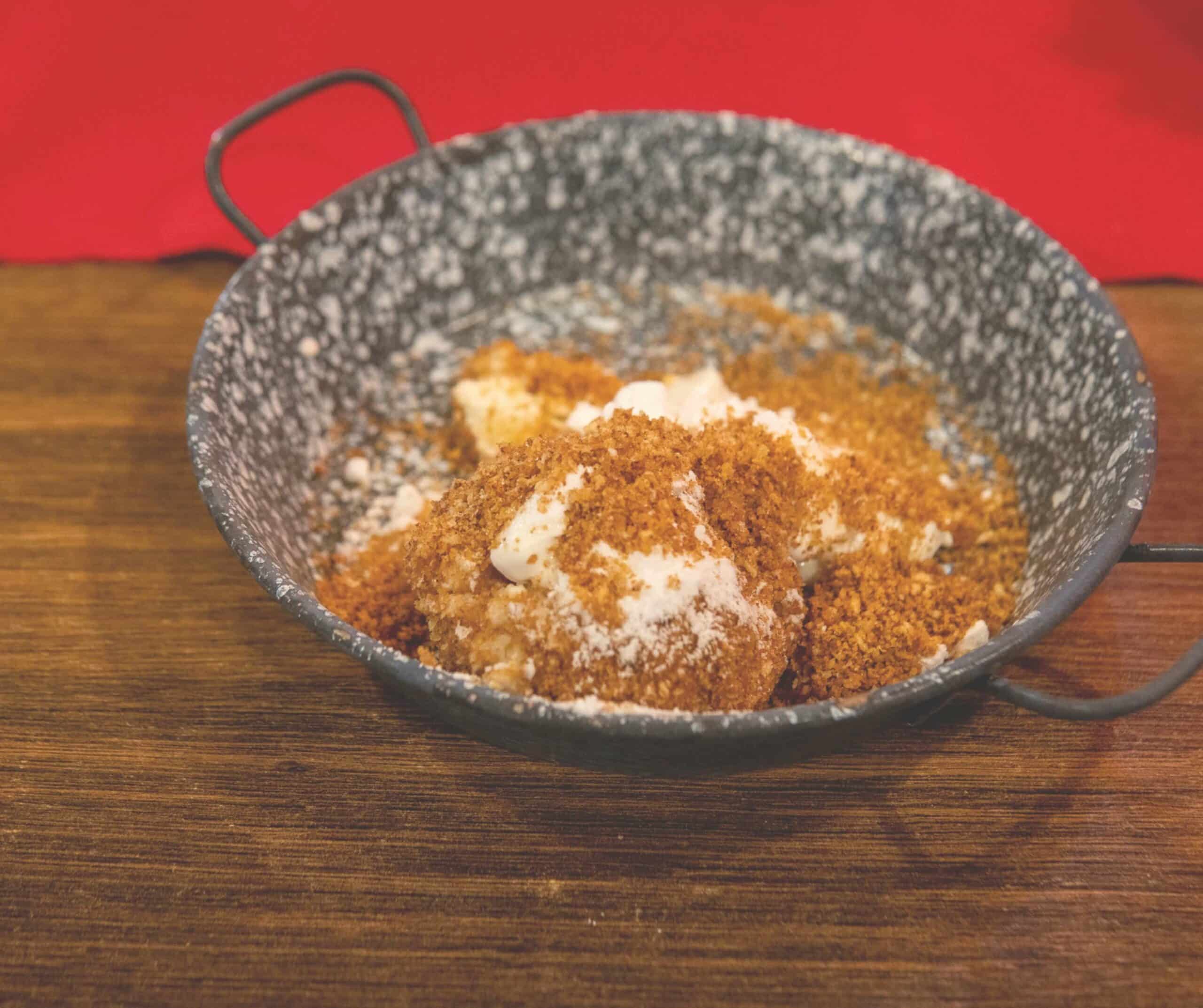
Chefparade is a Budapest cooking school where you make a three-course Hungarian meal from scratch in about four hours. And it was such a great class. The menu rotates, so during my class we cooked mushroom paprikash with nokedli (small dumplings similar to spaetzle) and bean soup with sausage. For dessert, we made delicious apple dumplings.
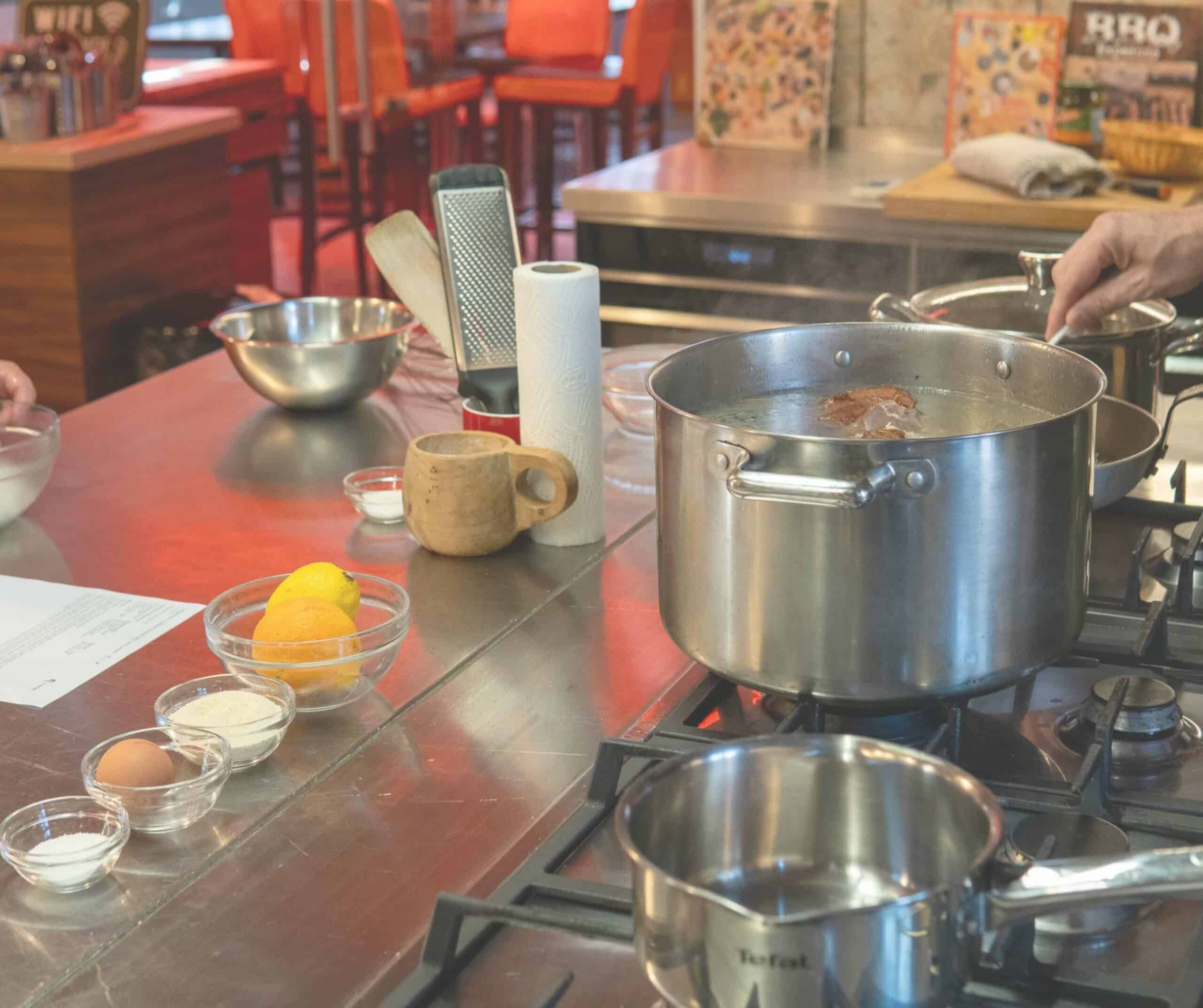
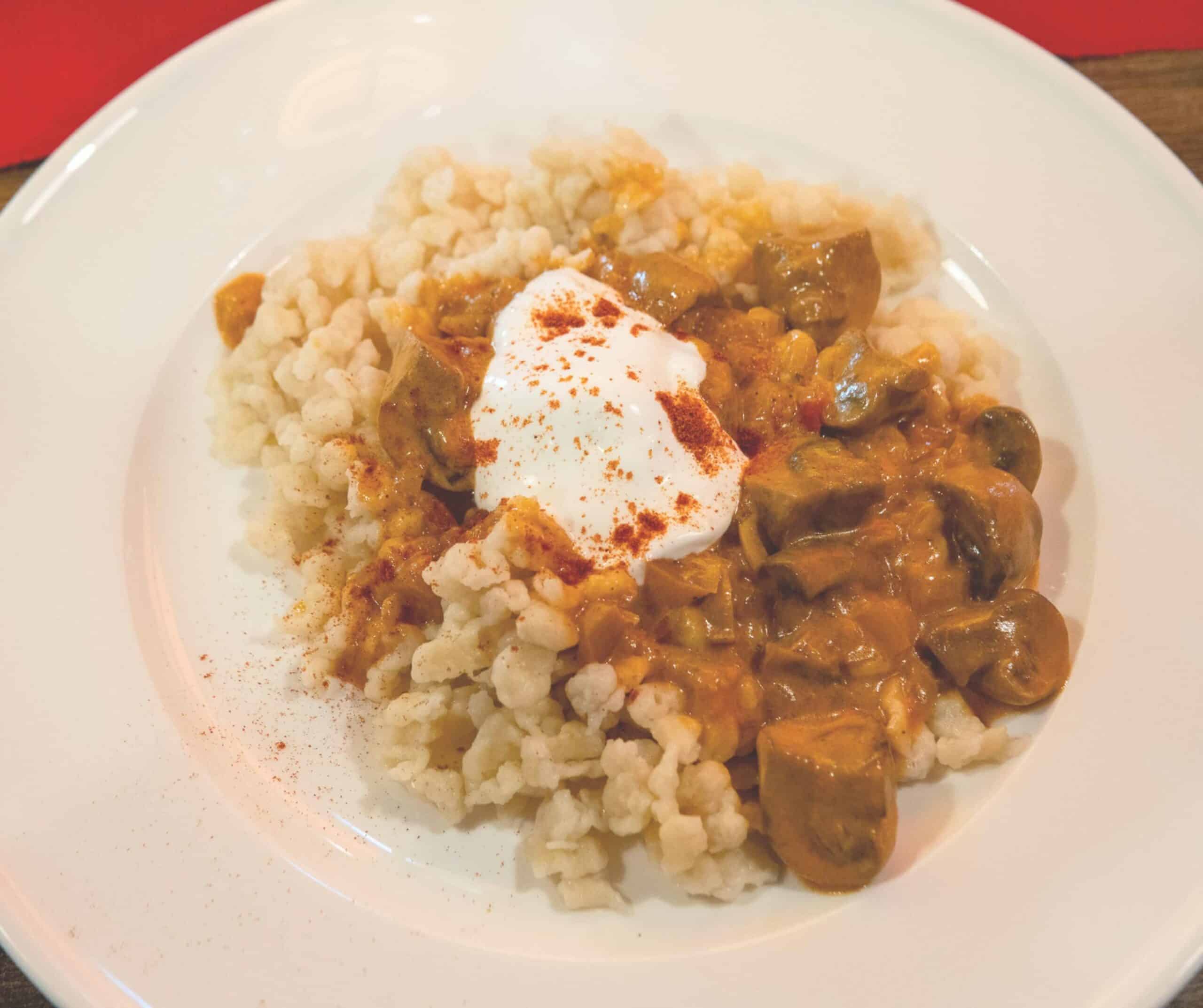
We also got to try some pálinka and Hungarian wine. They sell a cookbook filled with all the dishes we made plus many more, which I ended up buying, and this is the only cooking class I have taken where I actually recreated the dishes at home.
Eat Your Way Through Budapest on a Unique Food Tour
Secret Food Tours
Secret Food Tours runs a walking food tour through Budapest built around classic Hungarian dishes, and it’s one of my favorite food tour companies. On this tour, we ate so much. We had goulash, lángos, salami and cheese, strudel, and pálinka, plus every tour has a secret food stop that’s a surprise, so I won’t give it away.
I generally like to take food tours at the start of my trip because I tend to love the places they take us to so much that I always go back. There were two places on this tour that I returned to.
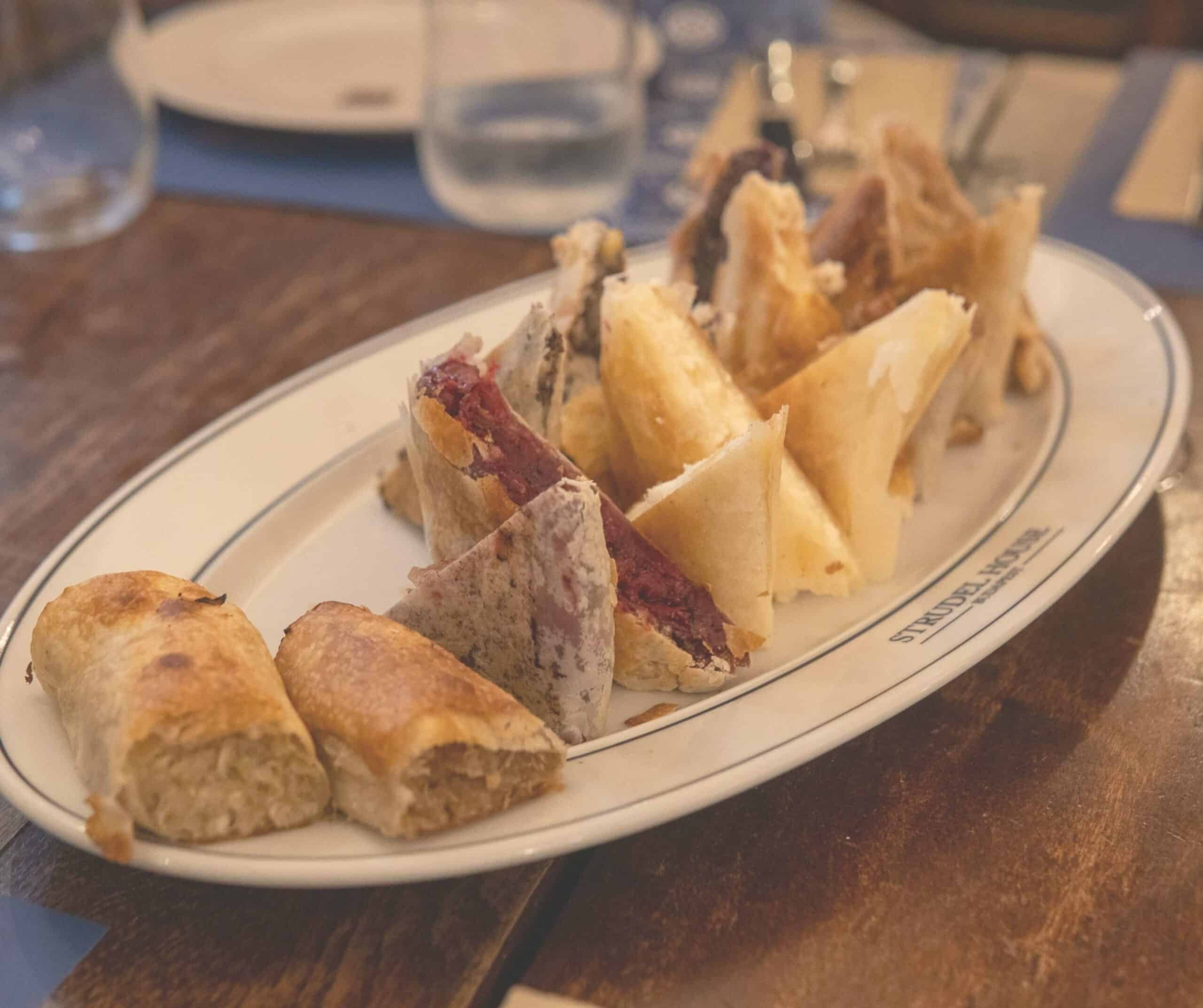
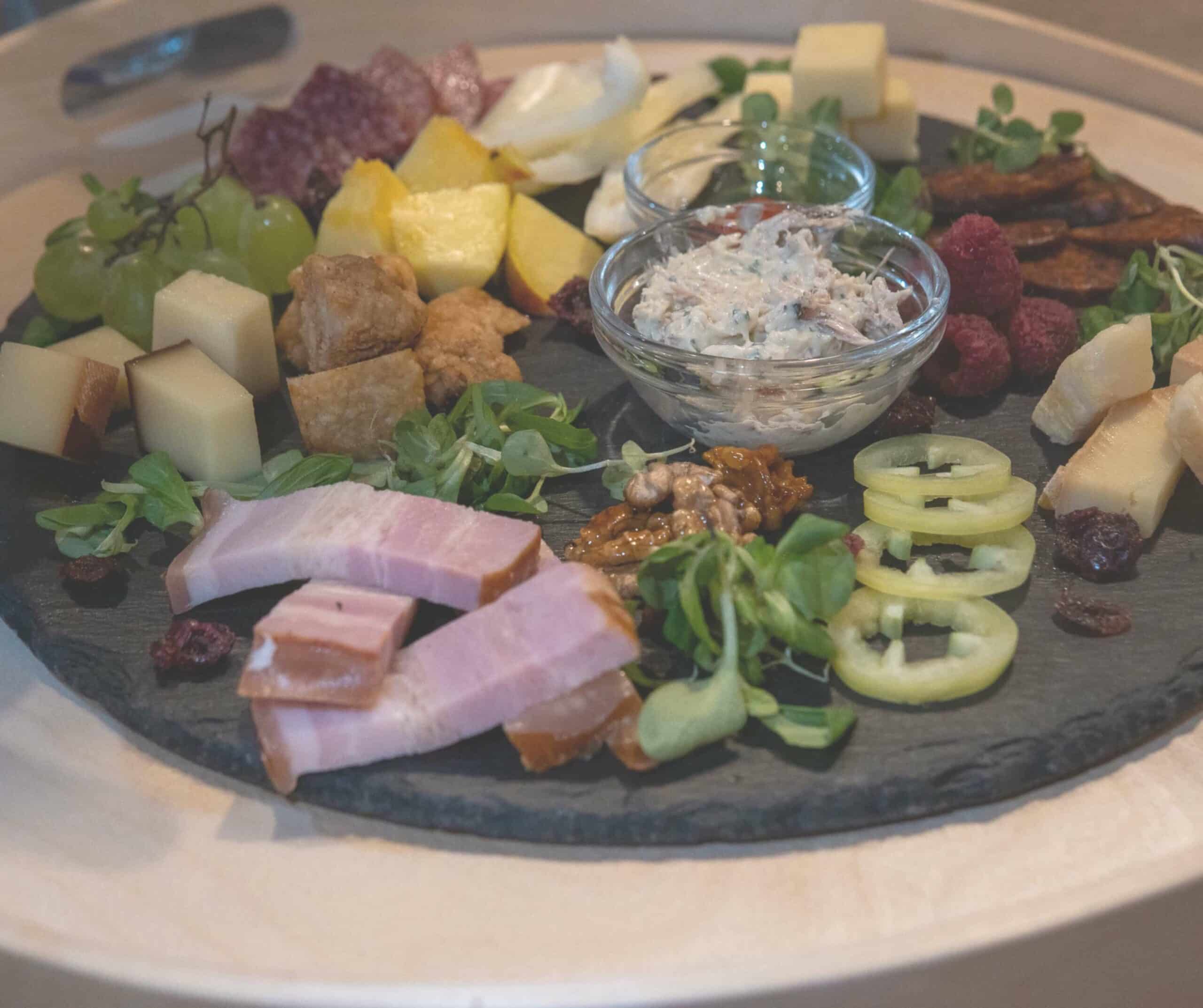
Vegan Hungarian Food Tour
This chef-guided vegan food tour serves plant-based versions of Hungarian classics at all-vegan spots around Budapest. Hungarian food has a reputation for being heavy and meaty, but Budapest’s vegan scene has grown considerably in recent years. I am not a vegan, but I am a fan of vegan food as long as it’s good.
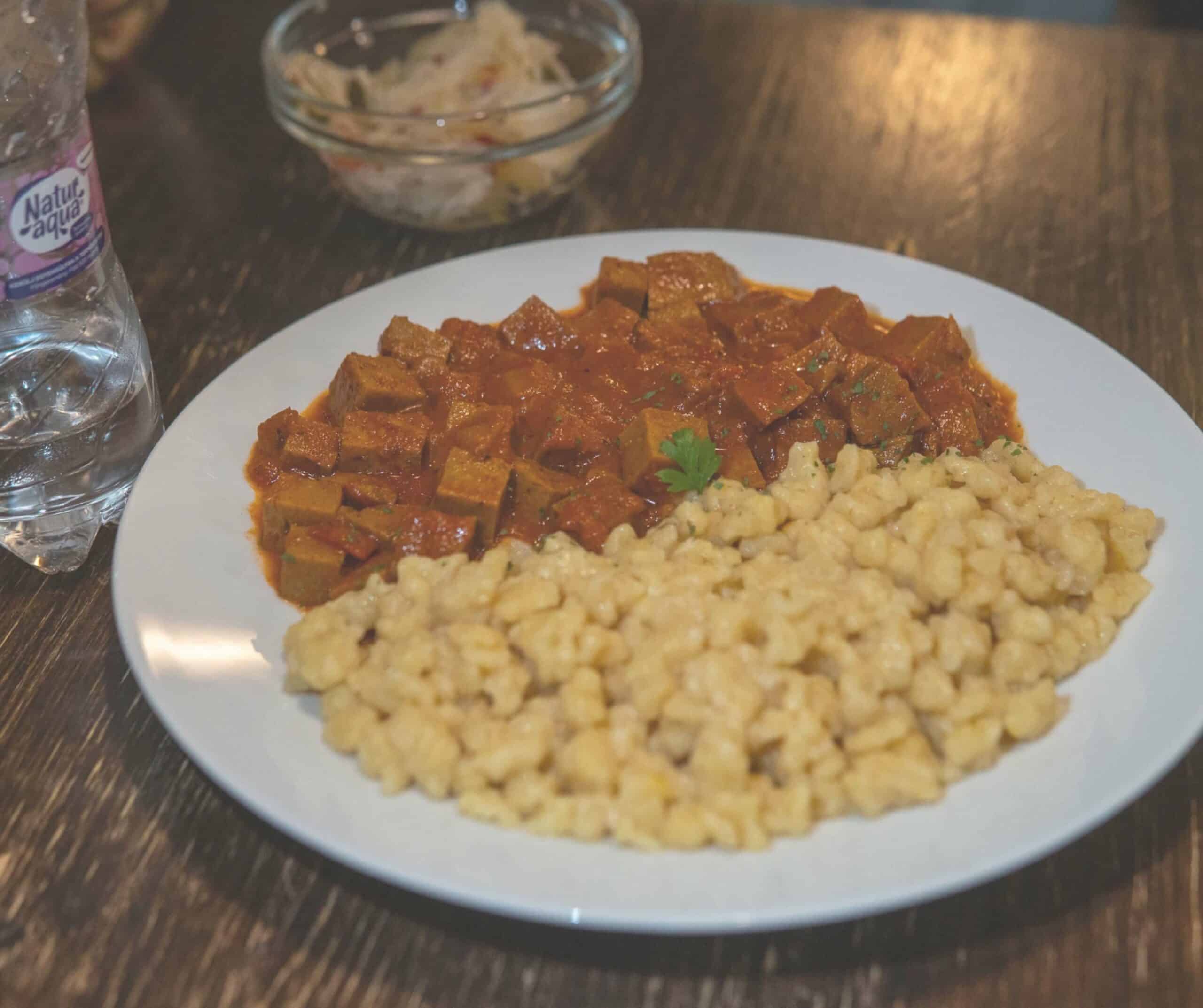
I think anyone, regardless of whether you’re fully vegan or just like food, would enjoy this tour. Your guide is Edith, a licensed vegan chef who also runs her own cooking school. She was so kind and allowed the tour to go on even though I was the only one who booked.
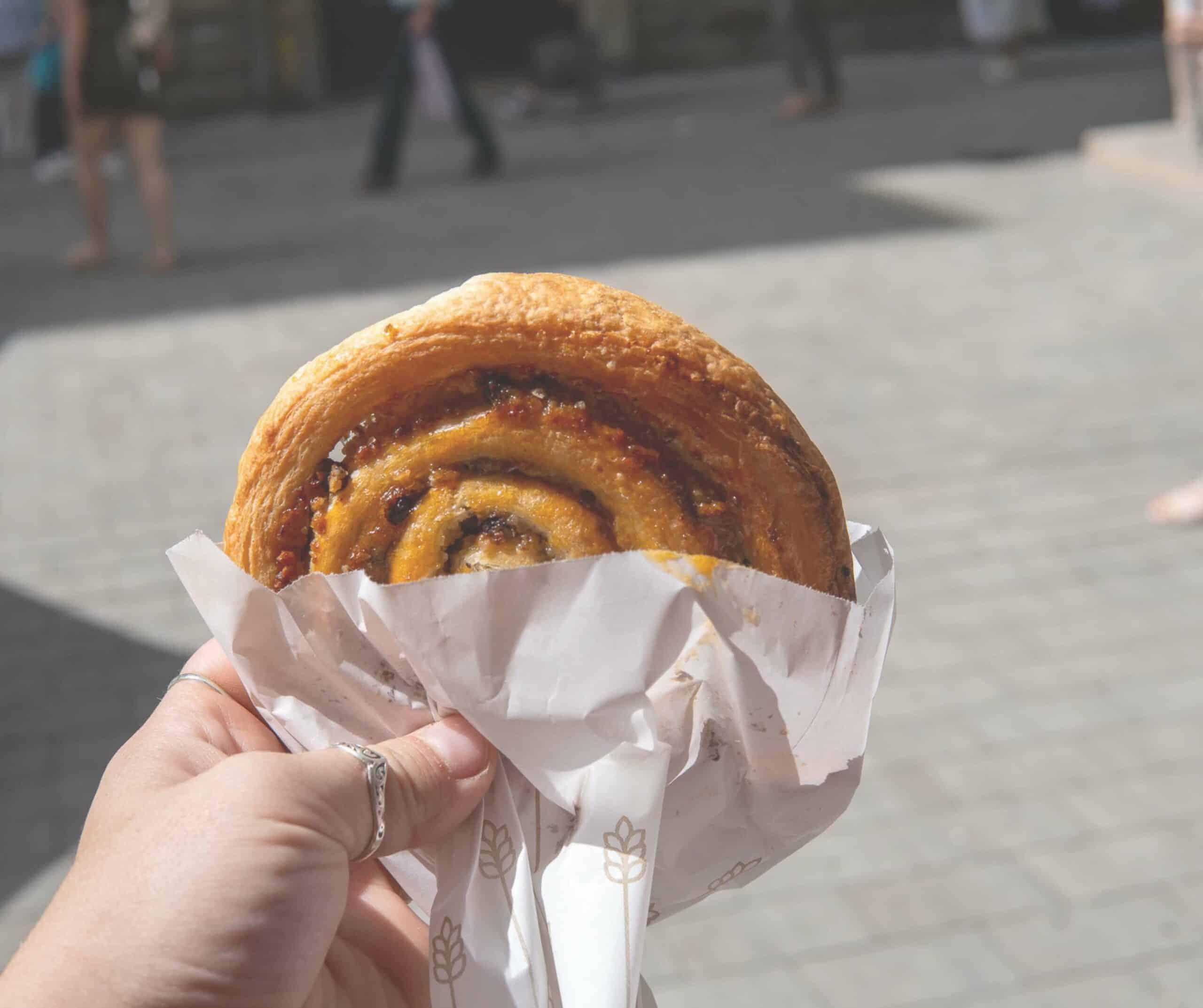
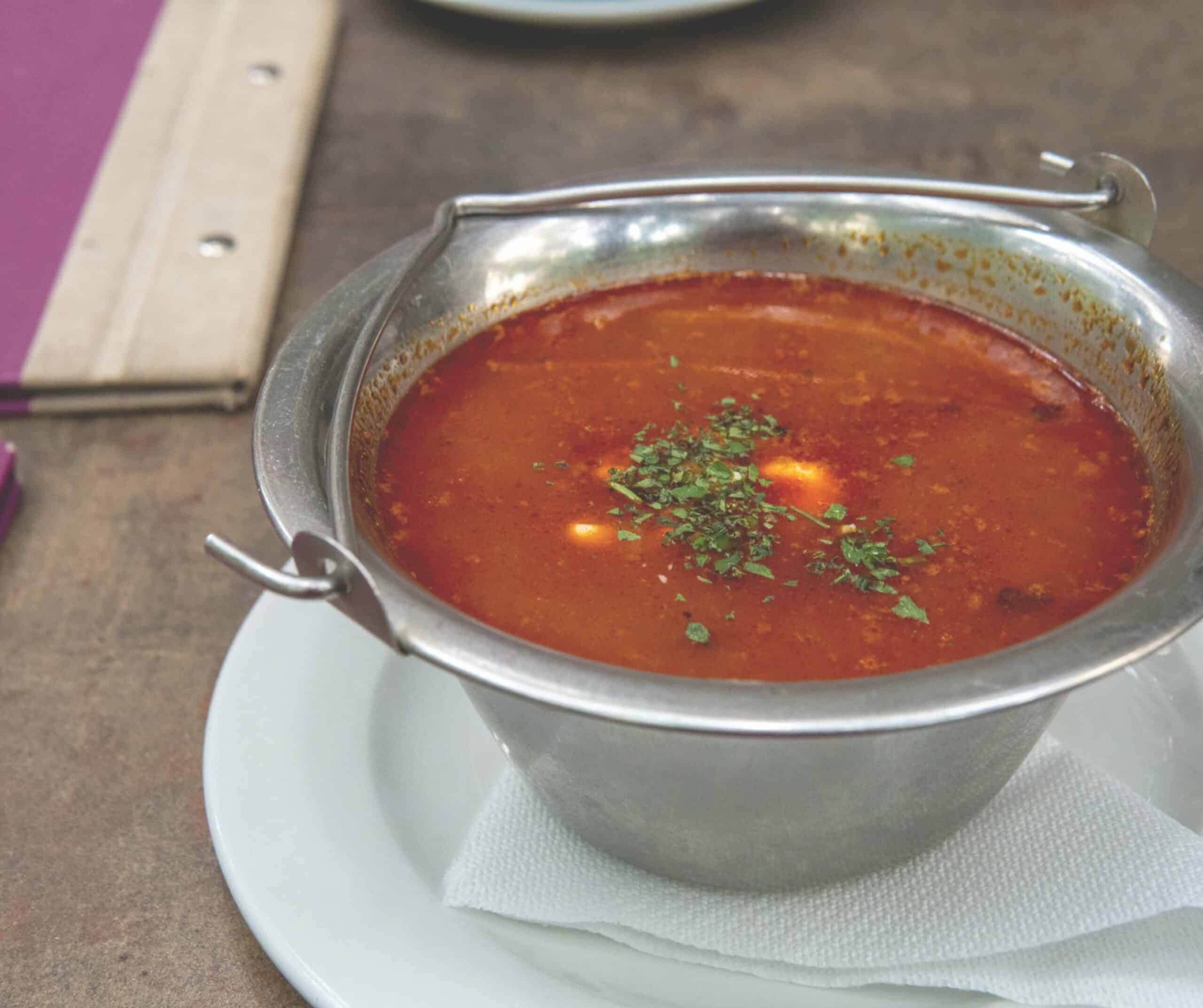
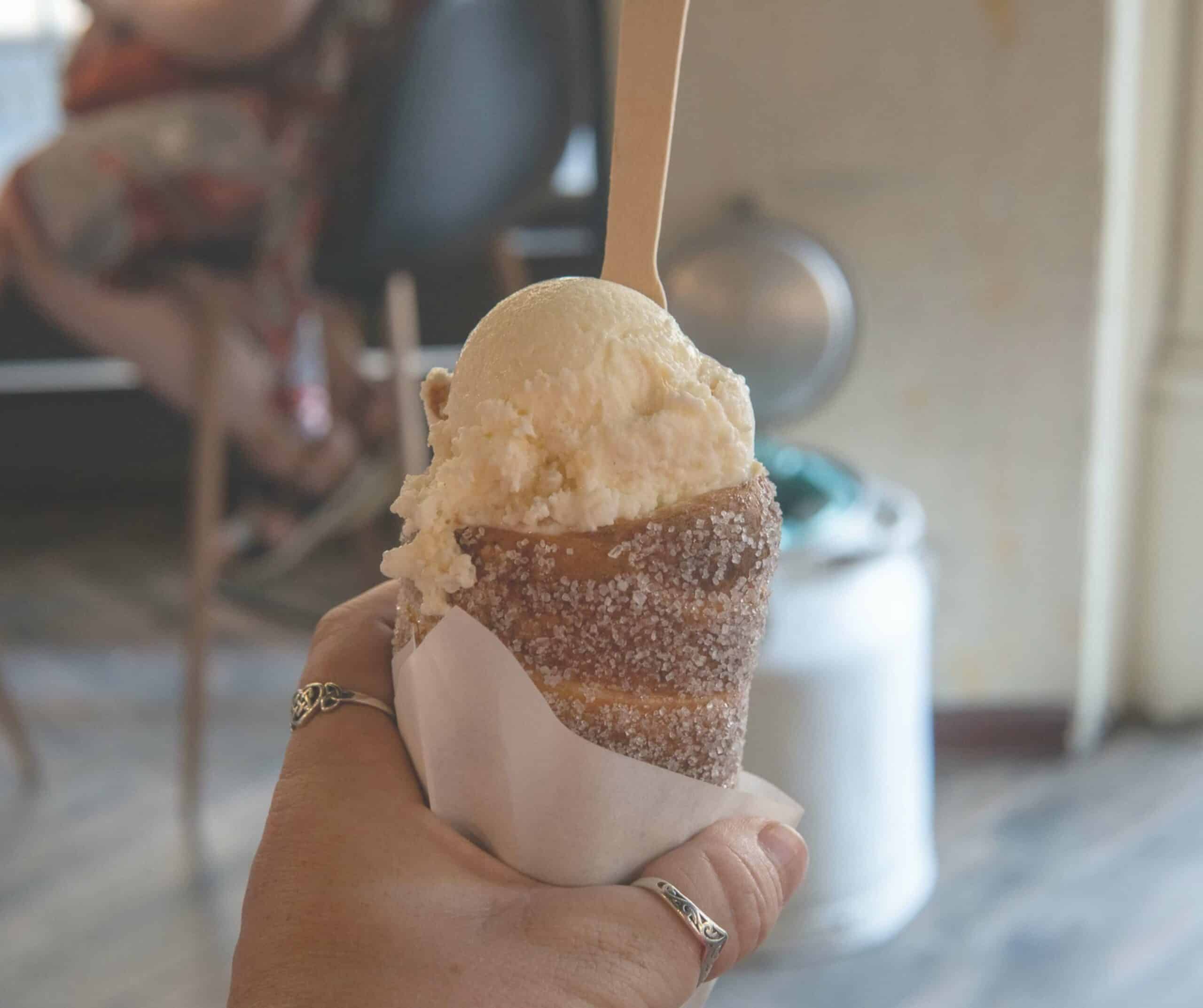
She took me to a bakery, a bistro, and two restaurants. We had vegan goulash with beans, vegan paprikash with homemade seitan, a choco brioche, and a chimney cake with vegan ice cream. Honestly, I couldn’t even tell the food we were eating was vegan.
Budapest: Jewish Cuisine and Culture Walk
Budapest’s seventh district is where you’ll find the ruin bars, street art, and cool cafes, but it’s also where Budapest’s ghetto once stood and where Hungarian Jewish life has been slowly rebuilding itself for decades.
This walking tour of the seventh district pairs tastings of traditional Hungarian Jewish dishes with the history of Jewish Budapest and visits to several important landmarks.
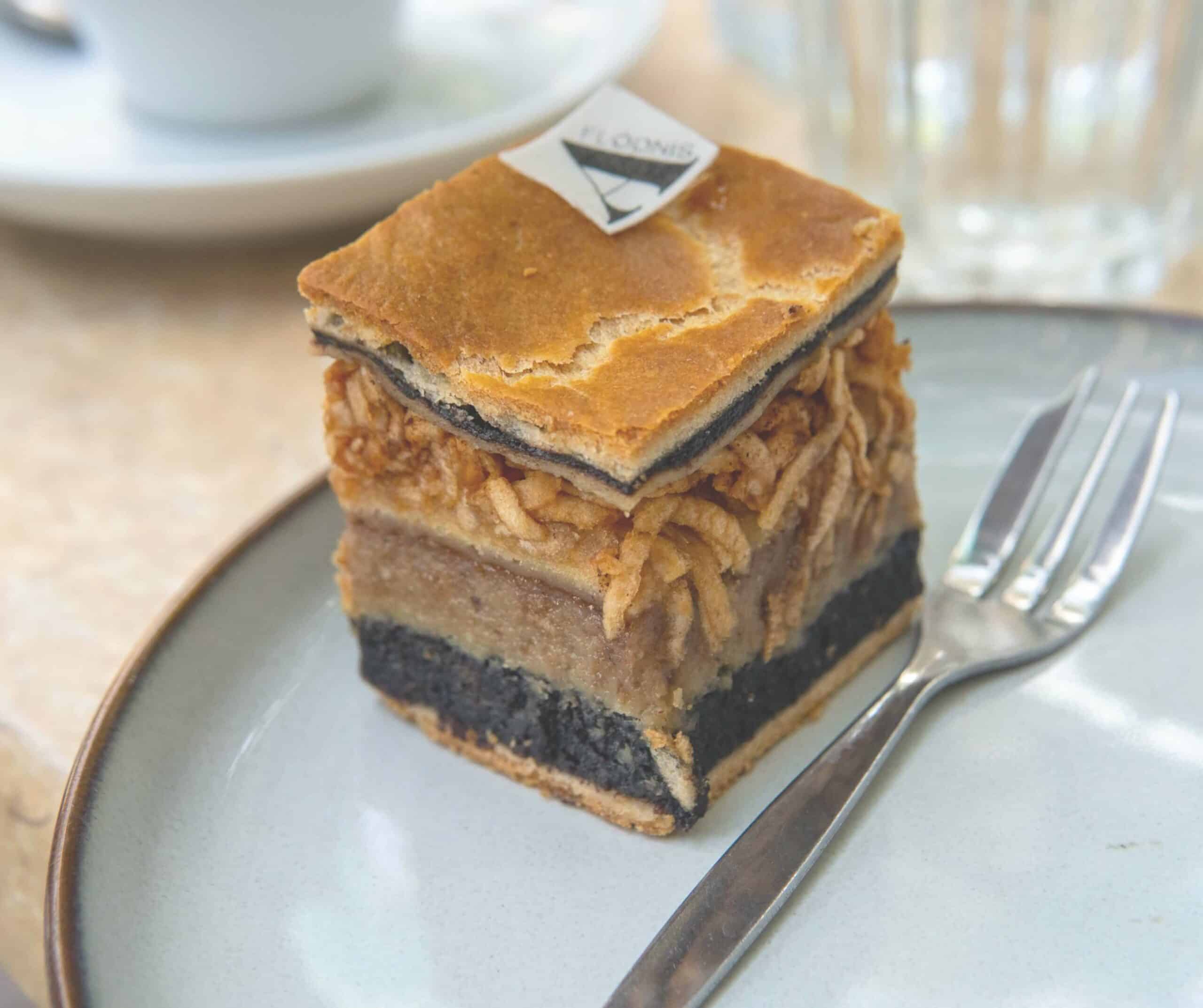
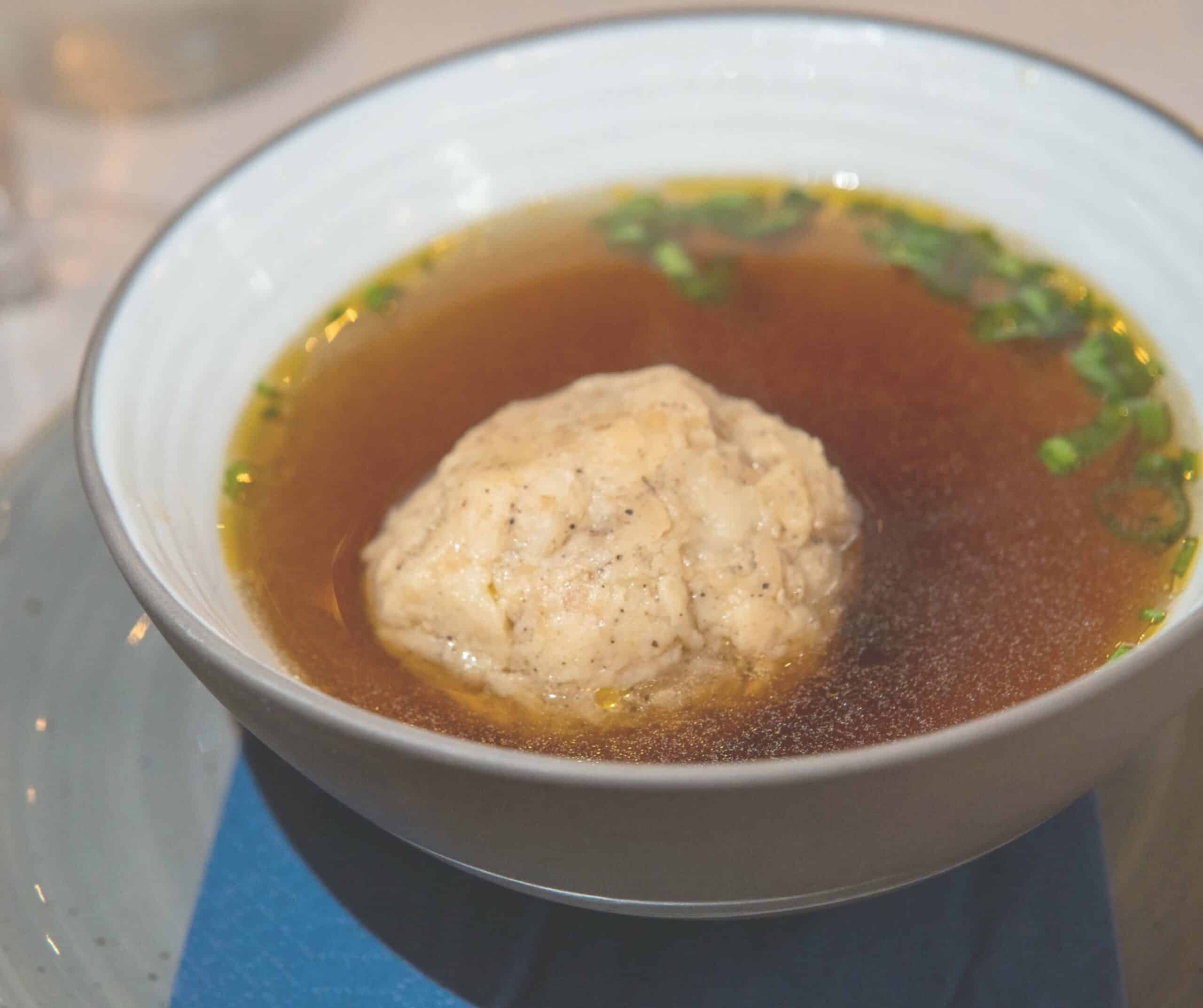
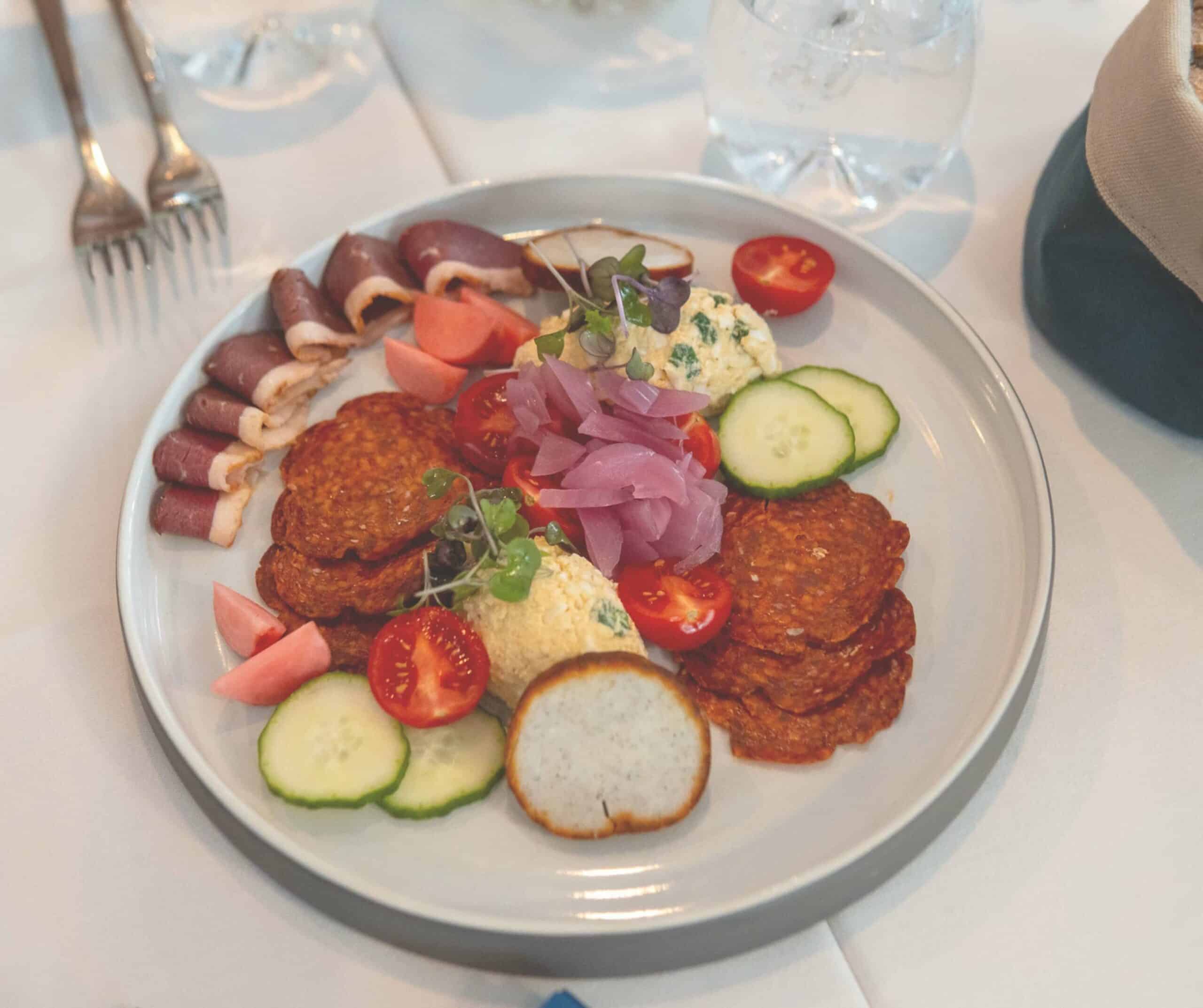
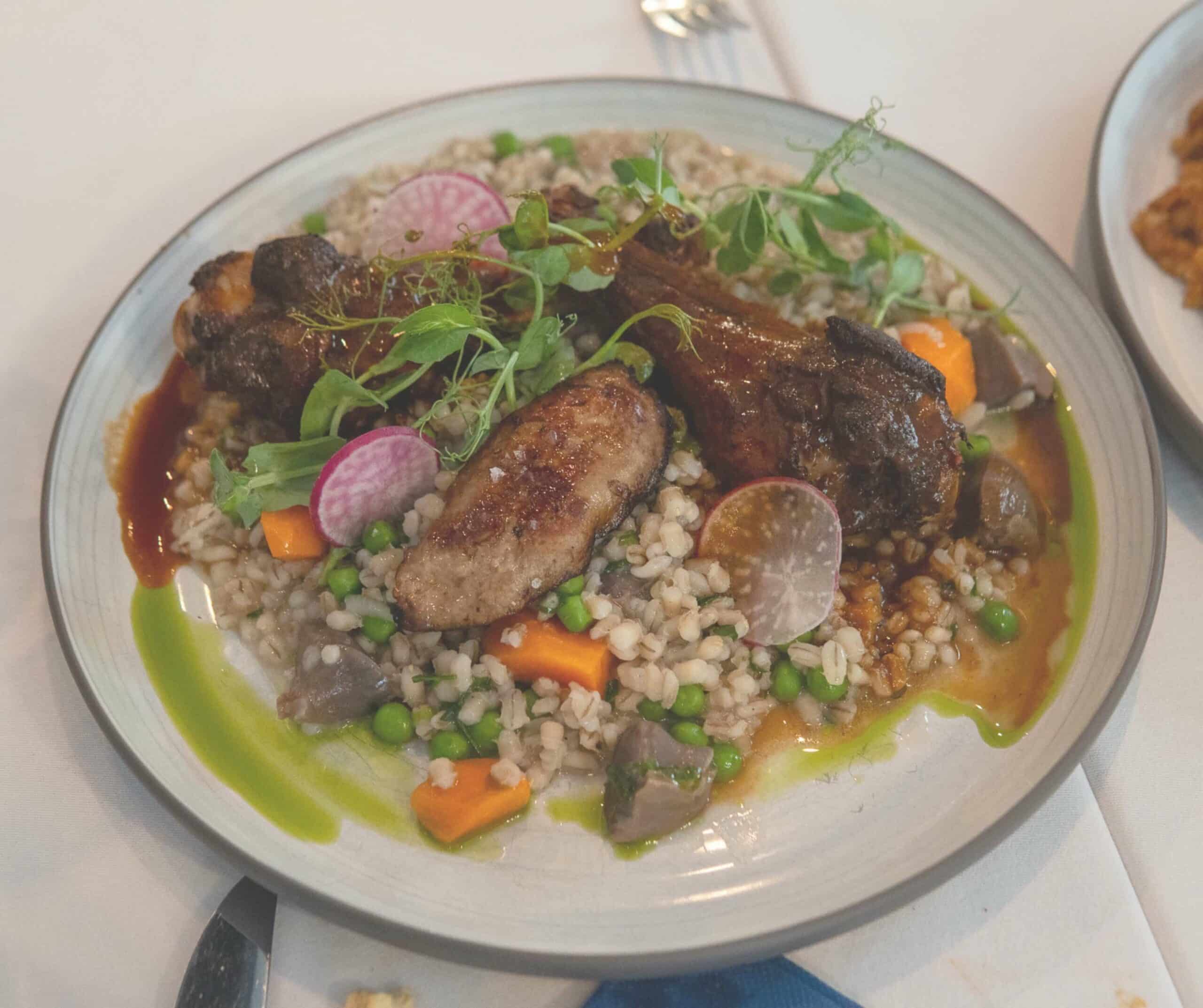
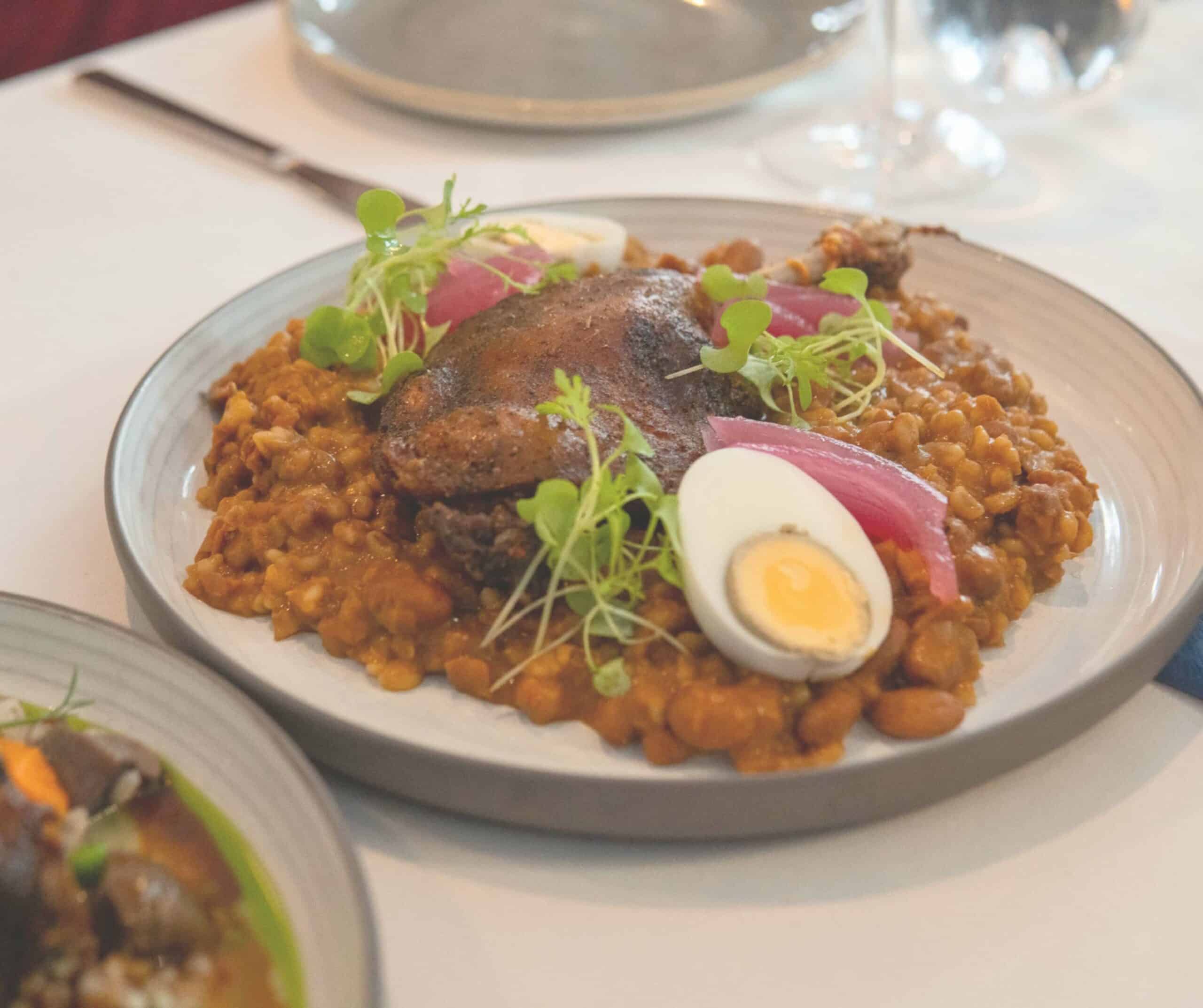
You start the tour with flódni and coffee. Then comes the walking portion, before heading to a restaurant where you’re served a meat platter, matzo ball soup, sólet, and pörkölt with egg barley. These are all classic Hungarian Jewish dishes, and every single one was devoured. I will just say, like having dinner with any Jewish family, you will not leave hungry.
This tour is excellent for anyone who wants to explore a more unique side of Budapest’s food culture. After I took it, I actually went on a mission to find all the Hungarian Jewish restaurants in the city (there are quite a lot), and I am pleased to say I was successful and got my fill, which you can read more about below.
Try Some Incredible Street Food
Website | Address: Budapest, Kazinczy u. 18, 1075 Hungary
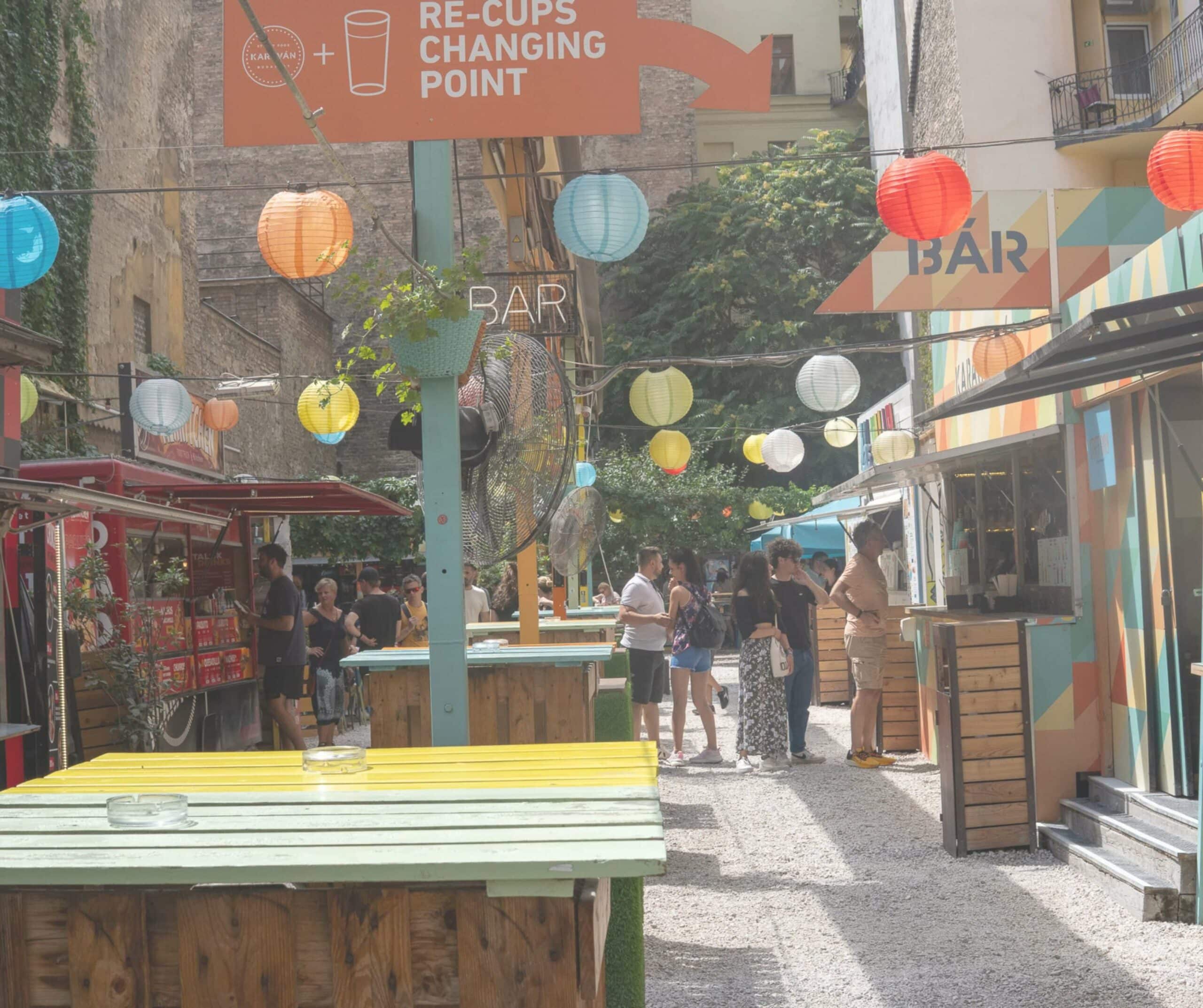
Karavan is Budapest’s first street food court, opened in 2014, a cluster of food trucks tucked right next to the Szimpla Kert ruin bar. It’s my favorite food market in the city, and the perfect spot to grab lunch after a few drinks. The trucks sell everything from lángos burgers to goulash, plus Mexican food, fried chicken, and more.

They also have excellent cocktails and coffee, plus chimney cake for dessert. I get the lángos burger every time because I can’t get that anywhere else, and it’s so darn good.
Test Your Magic Abilities at a Wizard-Themed Restaurant
The Magic | Address: Budapest, Hajós u. 25, 1065 Hungary
The Magic is a wizard-themed restaurant in Budapest with an interior built to resemble a great hall. Dare I call it a magical dining experience, or is that too cheesy? It isn’t technically a Harry Potter-themed cafe, I’m sure for copyright reasons, but it’s very much implied.
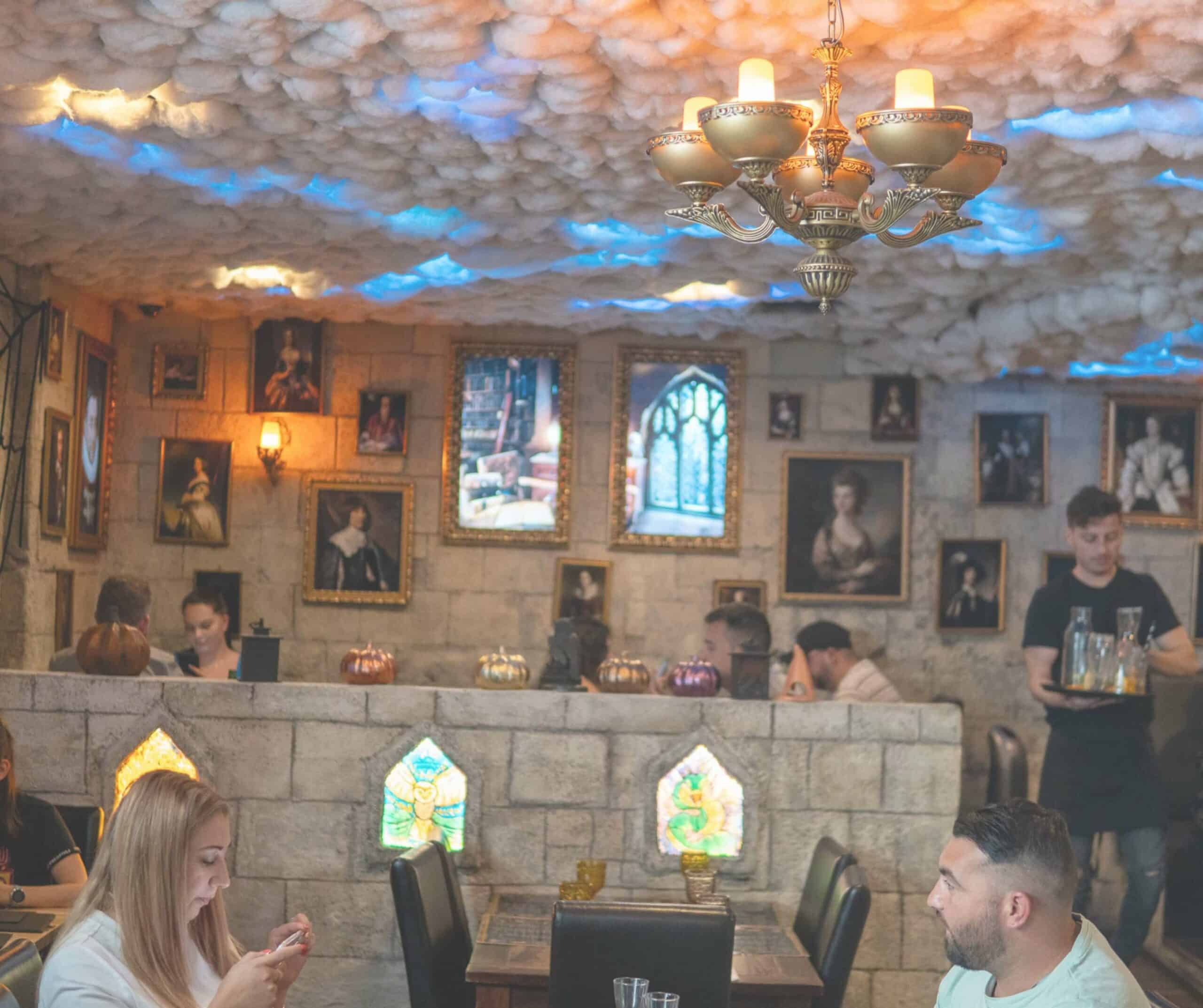
They have floating clouds that light the room and creepy paintings on the wall. I highly recommend making reservations because when I showed up, the only seats they had were outside, and no one wants to sit outside when they come to a place like this.
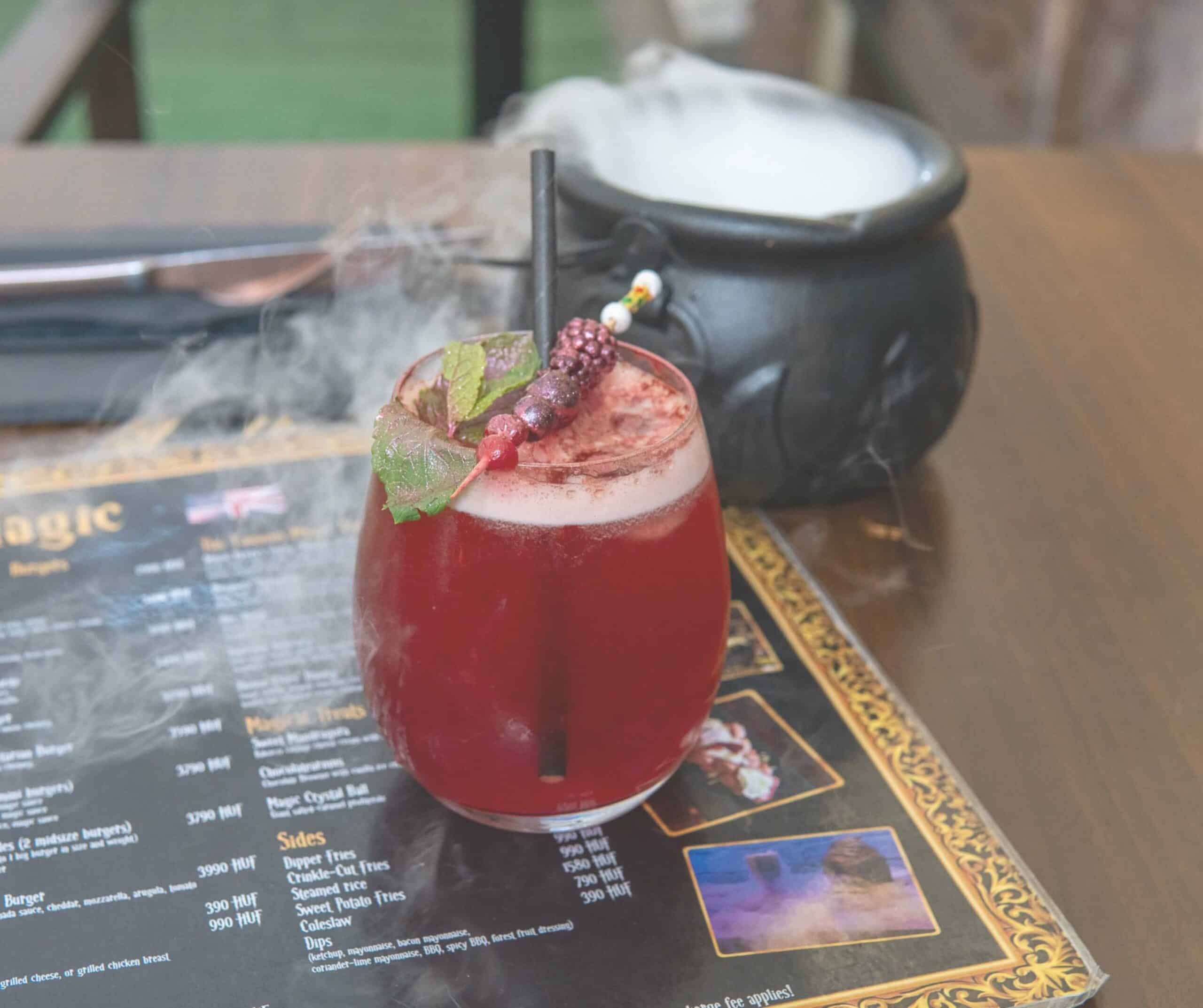
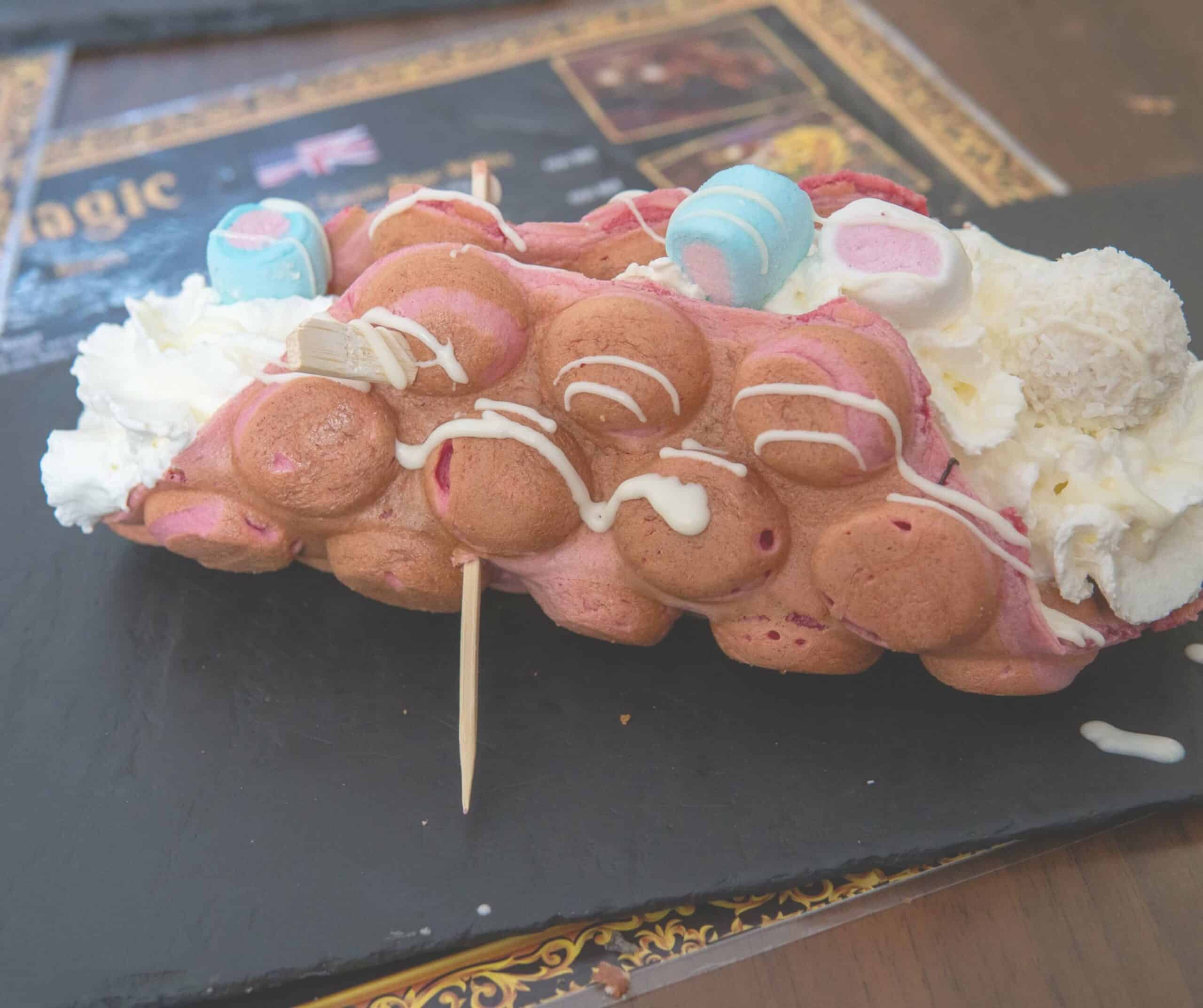
The food and drinks were great! I got a drink that arrived with a smoking cauldron and glitter on top. Then my burger had squid ink buns, and for dessert I got a pink bubble waffle. This cafe is actually owned by the same people who own Pirate Empire, and trust me, it’s just as amazing.
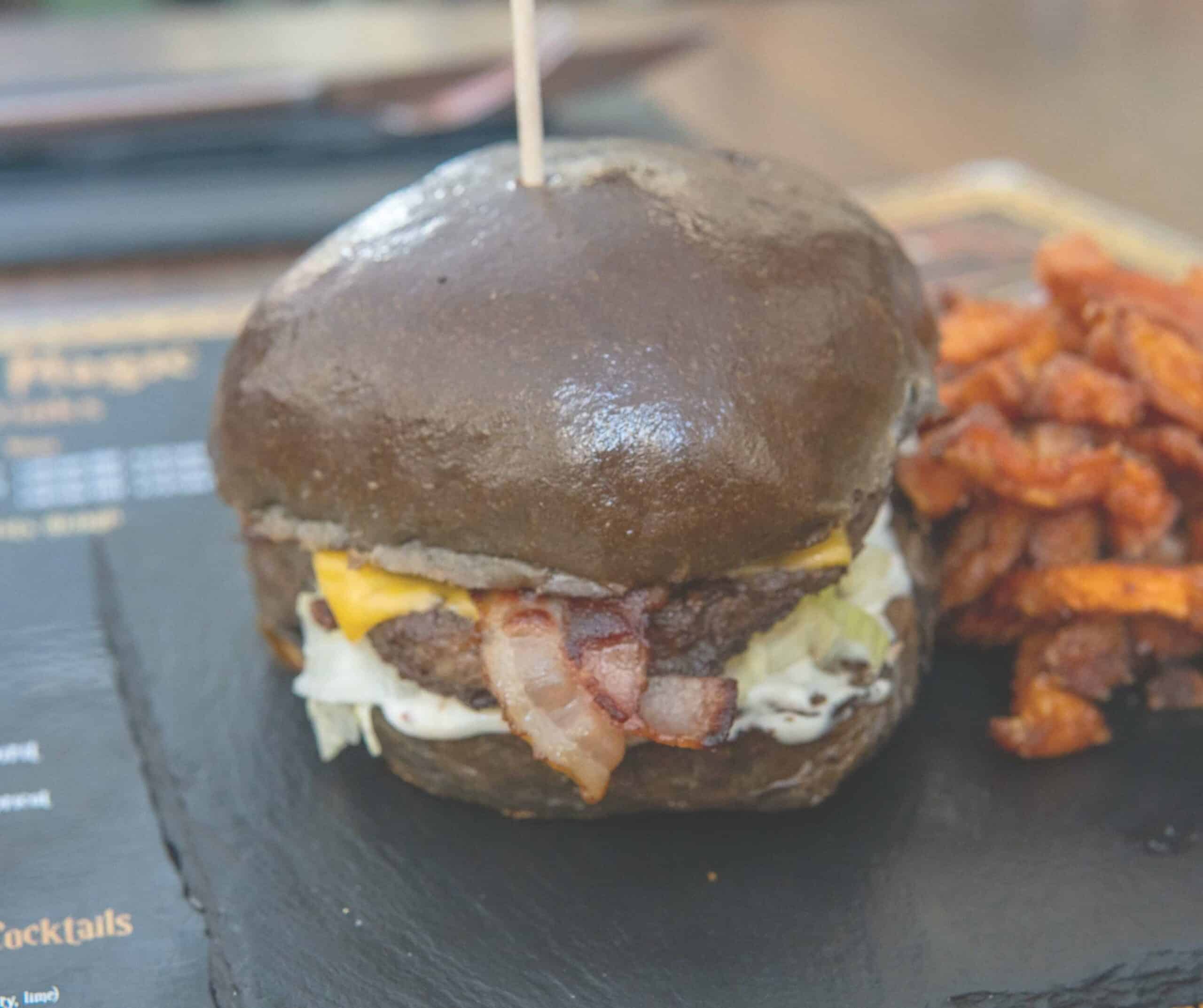
There is also a second location that opened called Magic 2. The pictures look good, but I haven’t been to that one yet.
Try Traditional Hungarian Home Cooking
Retek Bistro
Retek Bistro | Address: Budapest, Nádor u. 5, 1051 Hungary
Retek Bistro is a downtown Budapest restaurant serving traditional Hungarian cooking. It isn’t so much a hidden gem, but the food is delicious, and honestly, they served one of the best meals I had in Budapest.
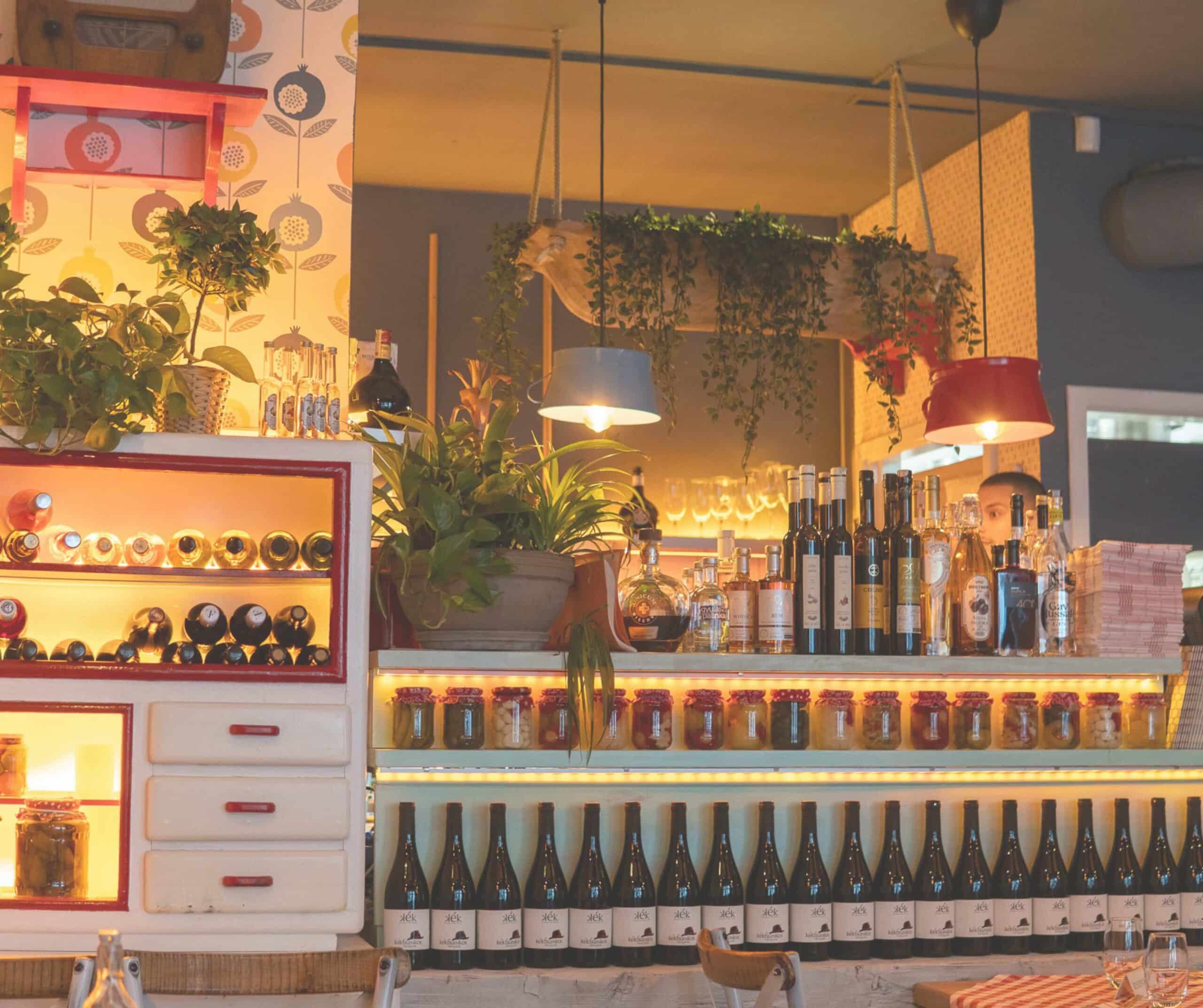
Petra and István are the owners and opened the original Retek in 2018. It outgrew itself quickly, and the current location took over a space that was once a historic inn.
The chef of Retek, József Dógi, grew up cooking alongside his grandparents in the Hungarian countryside, and obviously we all know that grandmas are the best cooks. You will be eating true Hungarian home cooking.
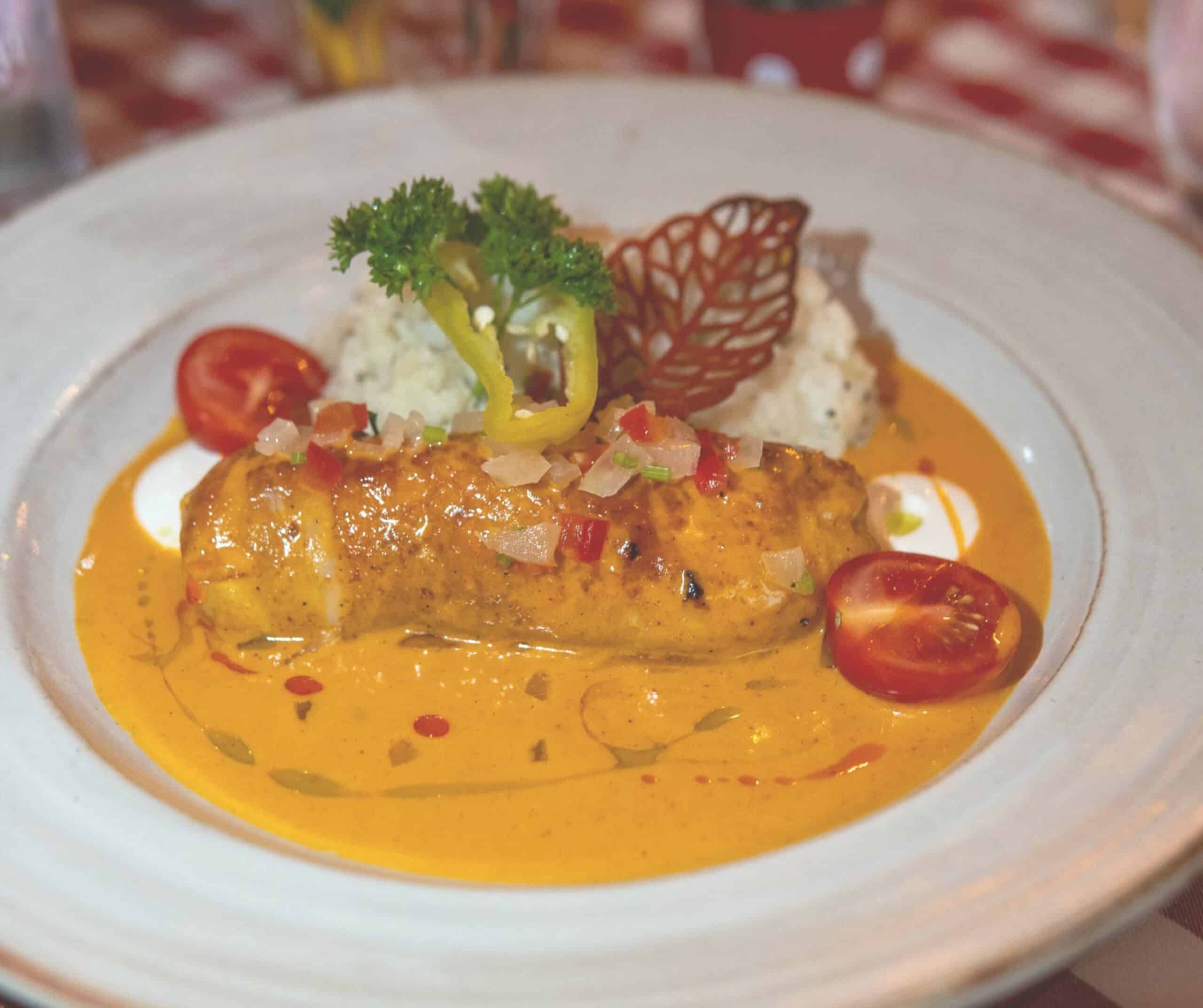
The meal started with a canapé, and then I decided to do the tasting menu and got goulash soup, chicken paprikash, and dessert. Then it was washed down with a shot of pálinka, which was for digestion, of course.
If you would like to have a meal at Retek, it’s best to make a reservation or show up right when it opens. I showed up before it opened, and there was already a line out front. The ones with reservations were, of course, seated first, and those of us without had to wait and hope there was a table.
Frici Papa
Frici Papa | Address: Budapest, Király u. 55, 1077 Hungary
A kifőzde is a Hungarian canteen, a no-frills neighborhood spot that cooks cheap, filling, home-style food. Frici Papa, on Király utca in Budapest, is one of the best examples of one.
Inside, you will find plastic checkered tablecloths, two floors of communal-style seating, and a mural on the wall depicting an idealized version of Király utca. They have a daily menu that leans hard into Hungarian comfort food classics. You can view the current daily menu online or order from the regular menu.
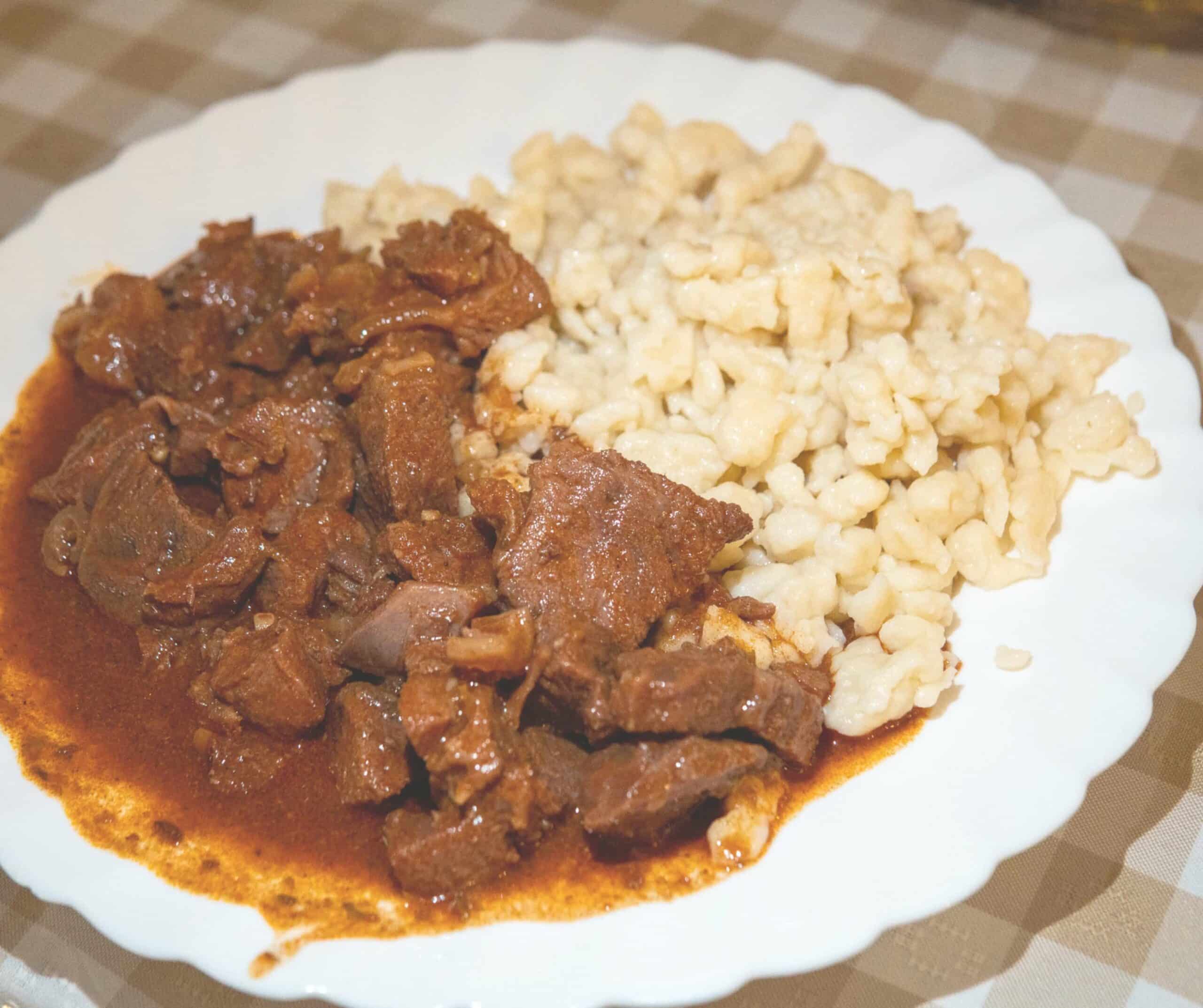
I got beef stew with nokedli, and the portion was massive! For dessert I ordered poppyseed dumplings with vanilla sauce. I will be honest, the food wasn’t the best, but it wasn’t terrible either. I am adding this place because the restaurant itself was an experience, and it was cheap!
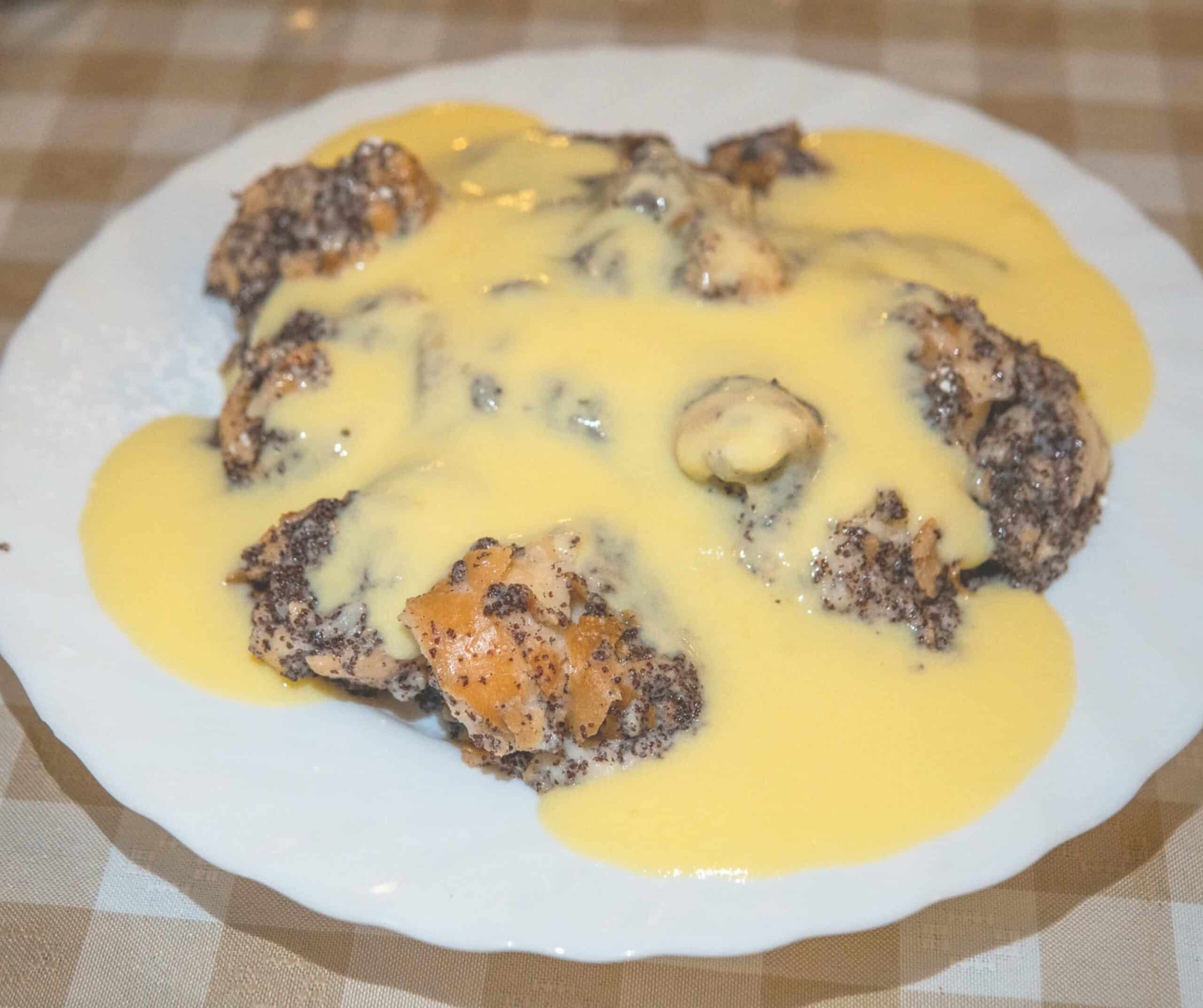
Hungarikum Bisztró
Hungarikum Bisztró | Address: Budapest, Steindl Imre u. 13, 1051 Hungary
Hungarikum Bisztró is a tiny, family-run traditional Hungarian restaurant in Budapest. It’s small: twelve tables, checkered tablecloths, flowerpots on the windowsills, and a man playing cimbalom in the corner every evening.
It’s a fantastic place to try traditional home cooking, and when you sit down, they’ll hand you a small booklet with a few of their recipes and the story of the family behind the restaurant.
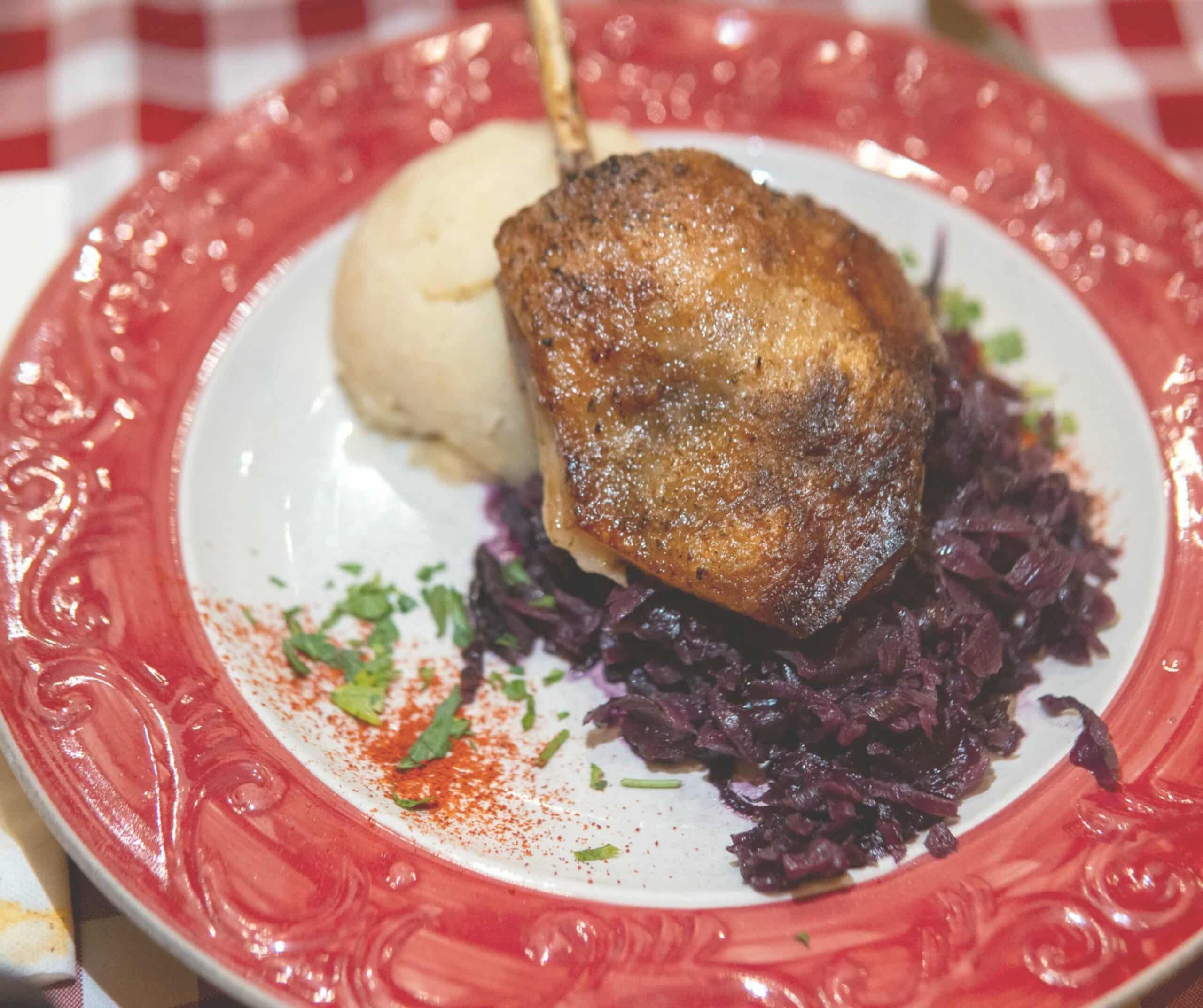
I ordered the crispy duck leg with onion potatoes and braised cabbage, which I highly recommend, and for dessert I got the apple pie. And of course, a complimentary shot of pálinka arrives at the end of the meal.
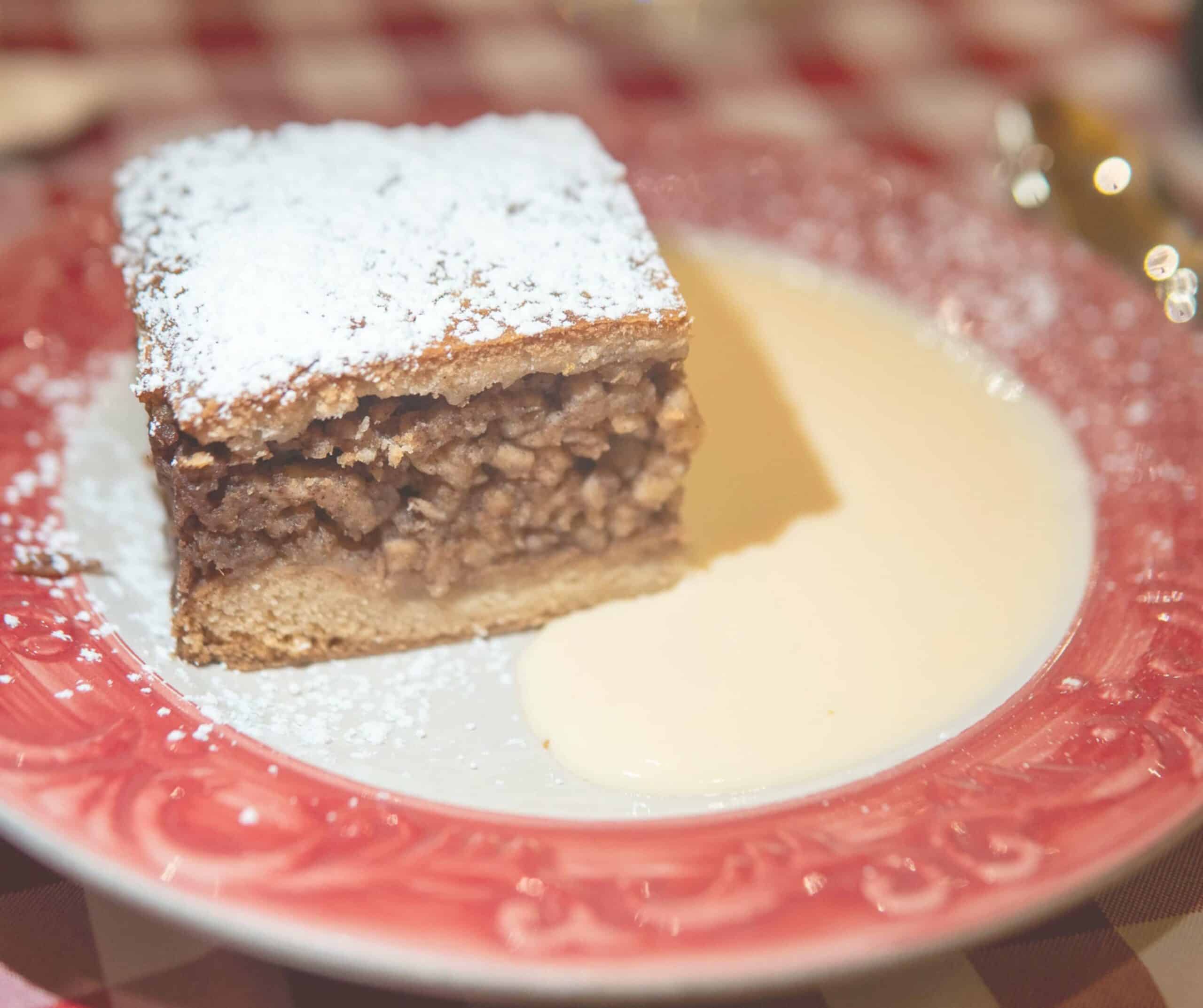
Because it is such a small place, reservations are required and can be made through the restaurant’s online booking system. I would suggest booking a few days ahead.
Retro Lángos
Retro Lángos | Address: Budapest, Bajcsy-Zsilinszky út 25, 1065 Hungary
Lángos is one of the most addictive foods in Hungary, deep-fried dough rubbed with garlic and piled with sour cream and grated cheese, and Retro Lángos is the best place in Budapest to eat it.
Ádám founded Retro Lángos in 2011 as a small street food stand and has since won the TripAdvisor Travelers’ Choice Award two years running. In 2020 it moved into a building with a spacious terrace. There are now two locations, and both are consistently busy. I have eaten at Retro multiple times, and when I am not in Budapest, I am constantly craving it.
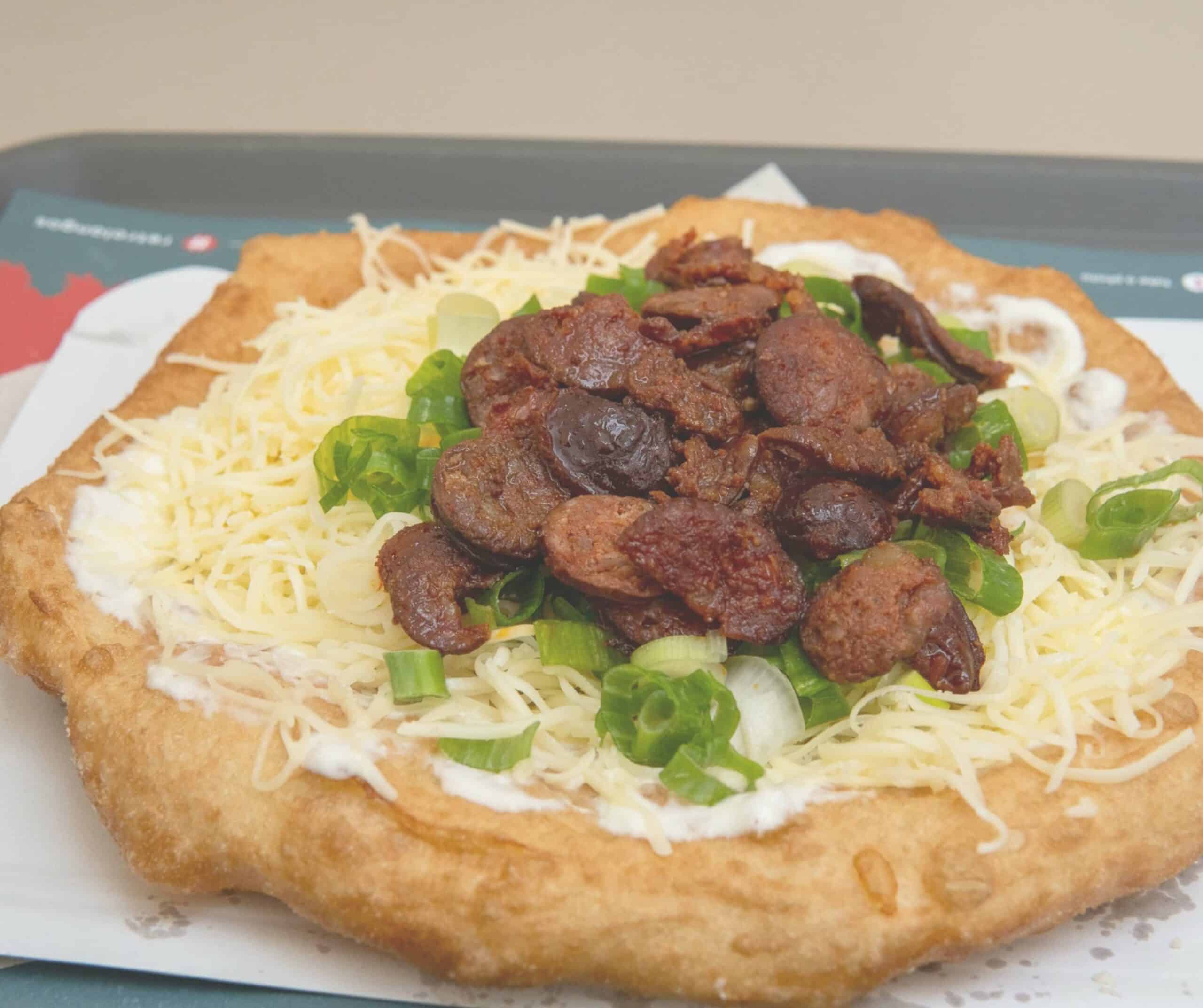
The menu has over 30 varieties of lángos, such as BBQ pulled pork, goat cheese with spring onion, ham and arugula, and they even do a Nutella one! They also have gluten free options. The co-owner is celiac, so you will probably find more gluten-free options here than anywhere else in the city.
There’s a separate fryer and separate preparation tools; staff are trained on cross-contamination, and gluten-free orders come out clearly labeled. They also have vegan options.
Kacsa Restaurant
Kacsa Restaurant | Address: Budapest, Fő u. 75, 1027 Hungary
Kacsa is a traditional Hungarian restaurant at the foot of Buda Castle, named for its signature dish (kacsa means duck). The building has fed people in one form or another for over a century, and Kacsa has run here as a restaurant since 1987.
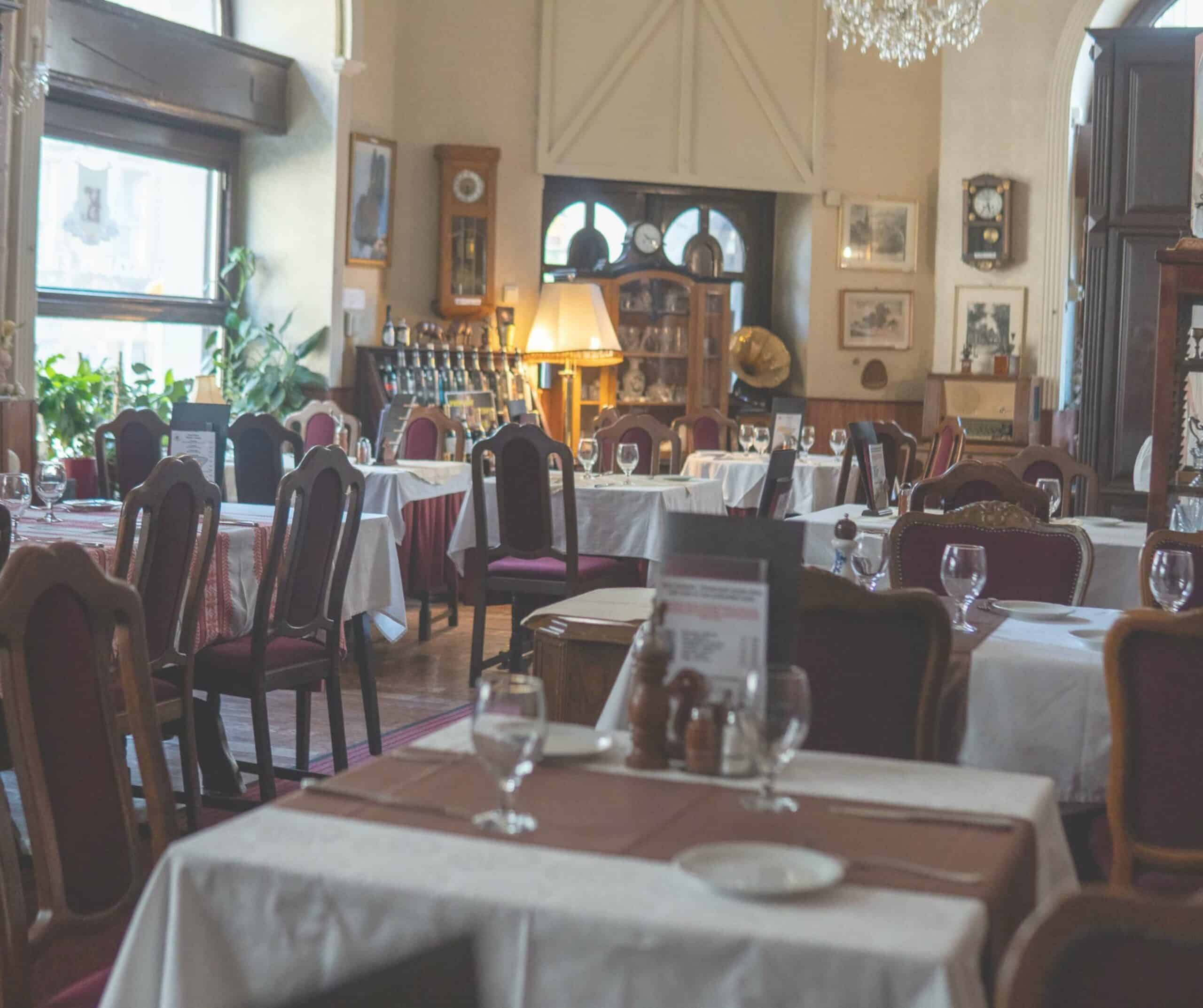
Walk in, and you will be transported to another time. Antique clocks on the walls, paintings, white tablecloths, and antique furniture. It feels more like a home than a restaurant.
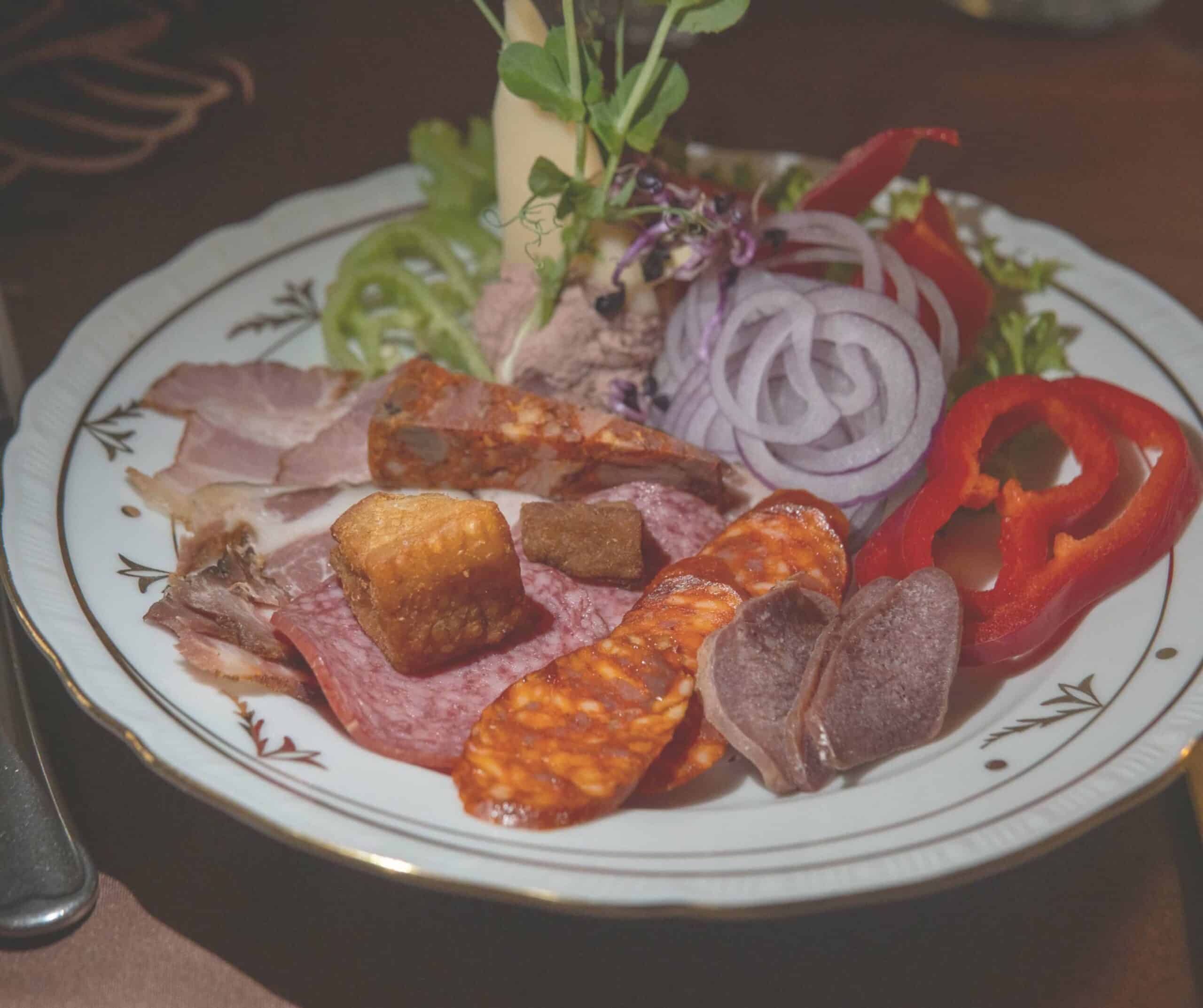
You can even buy some of the antiques inside. The menu is massive, but I recommend ordering one of the duck dishes.
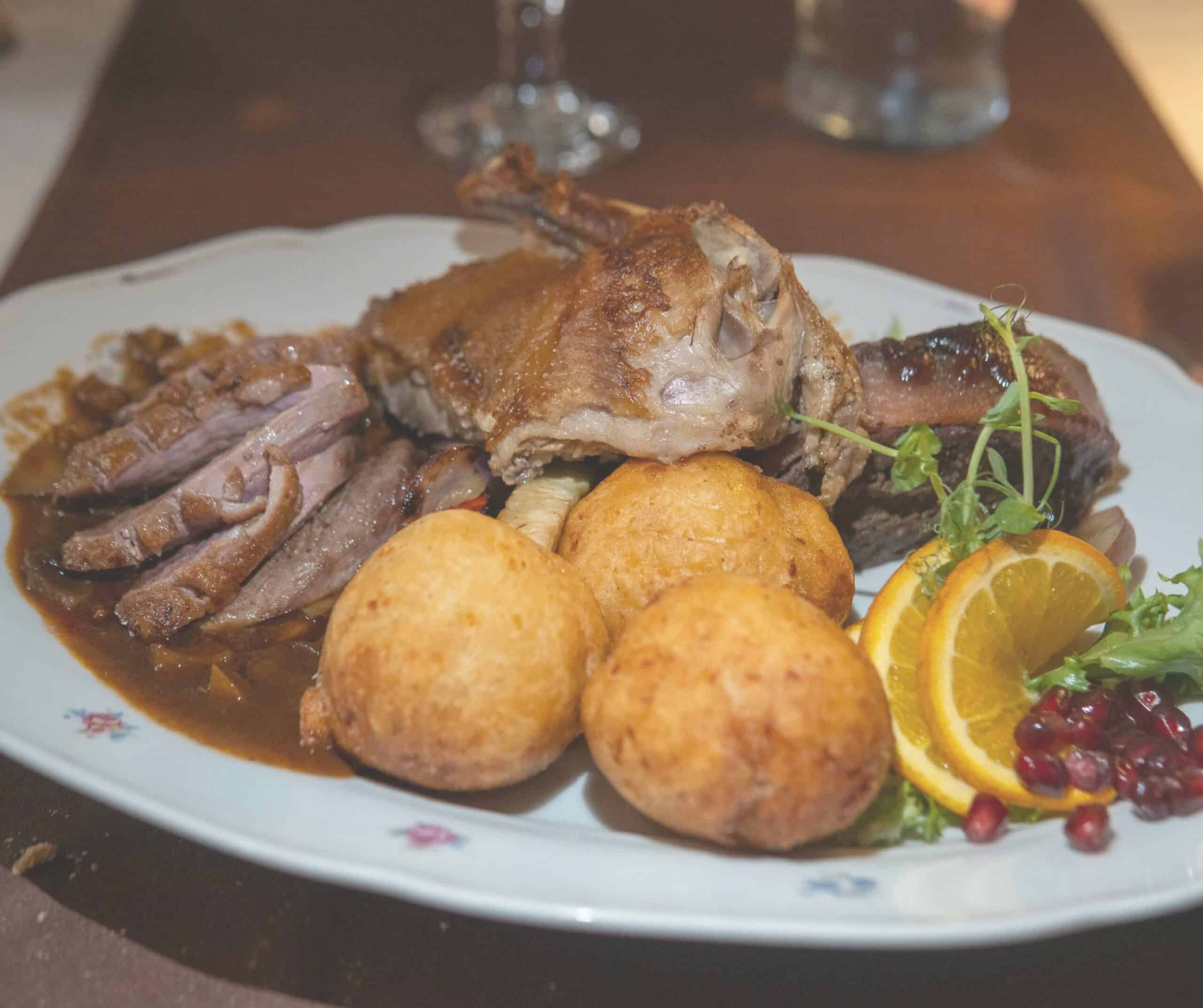
Every evening there is live music starting at 7pm, and if you go in the evening, you should make a reservation, but if you want a quieter meal, lunchtime is a good option.
Kehli Vendeglo
Kehli Vendeglo | Address: Budapest, Mókus u. 22, 1036 Hungary
Kéhli Vendéglő is a traditional Hungarian restaurant that has been a fixture in Budapest’s Óbuda neighborhood since 1899, and more than 125 years later, not much has changed. The place owes a good chunk of its fame to Gyula Krúdy, a Hungarian writer and dedicated lover of food who lived just around the corner and ate at Kéhli frequently.
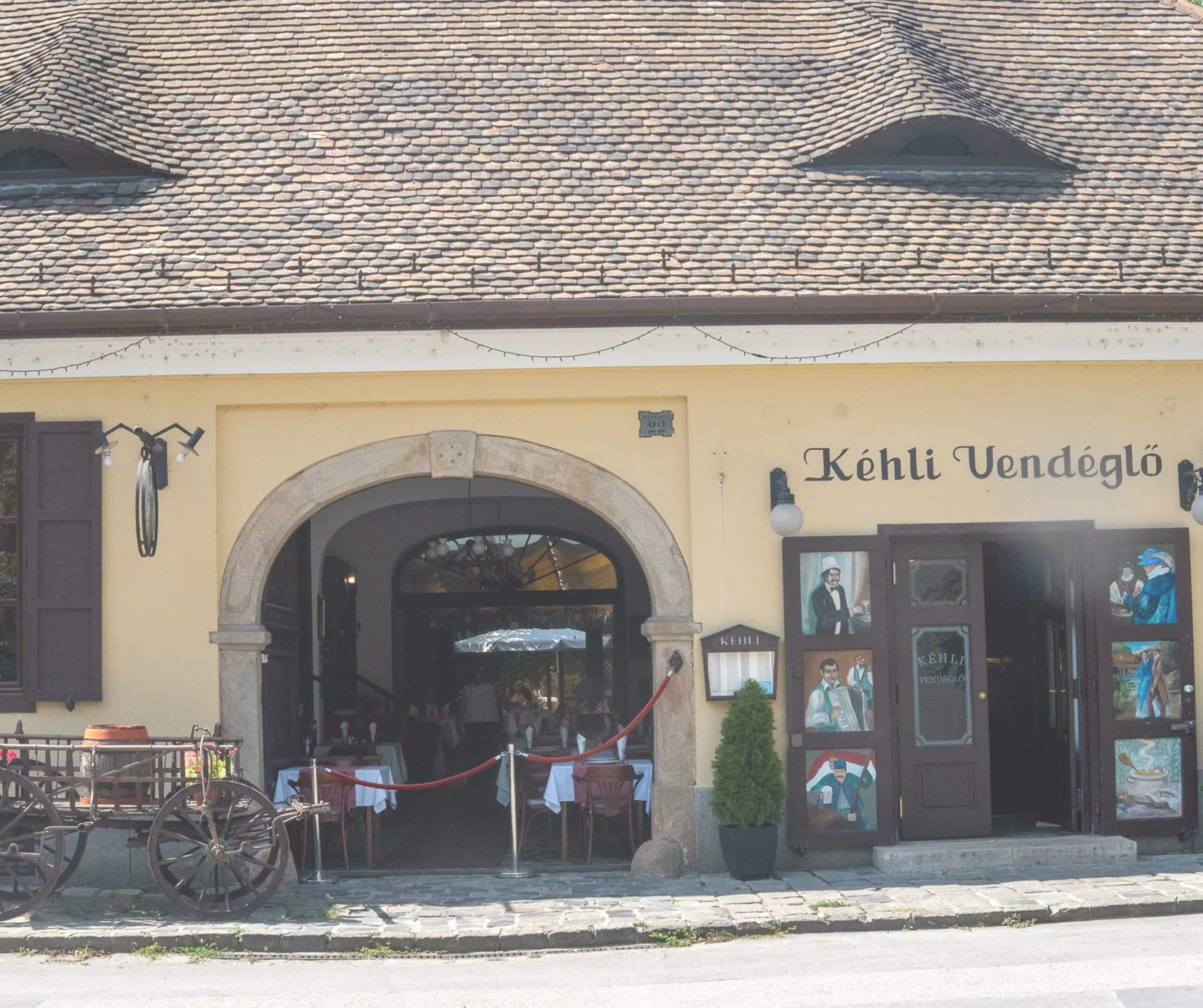
The interior is made up of several smaller rooms with warm, rustic decor, and there’s a lovely garden out back. The food is as traditional as it gets. I can’t recommend the Hortobágy pancakes enough. The steak was also quite nice.
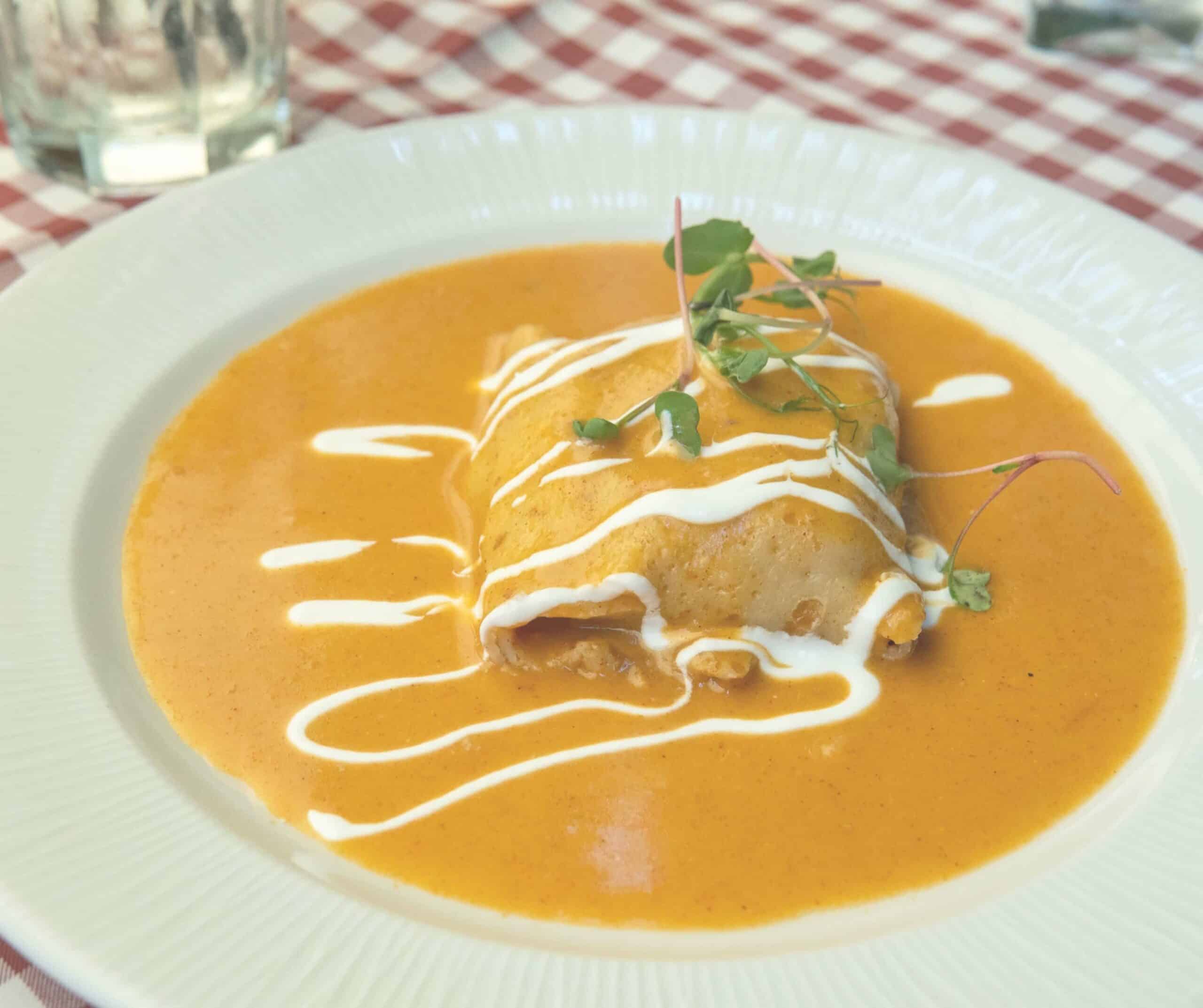
In the evenings, you can listen to a small band of Romani musicians play traditional Hungarian music. I went for lunch, so I didn’t get a chance to hear the music, but if I make it back, I would definitely try to go when they are playing.
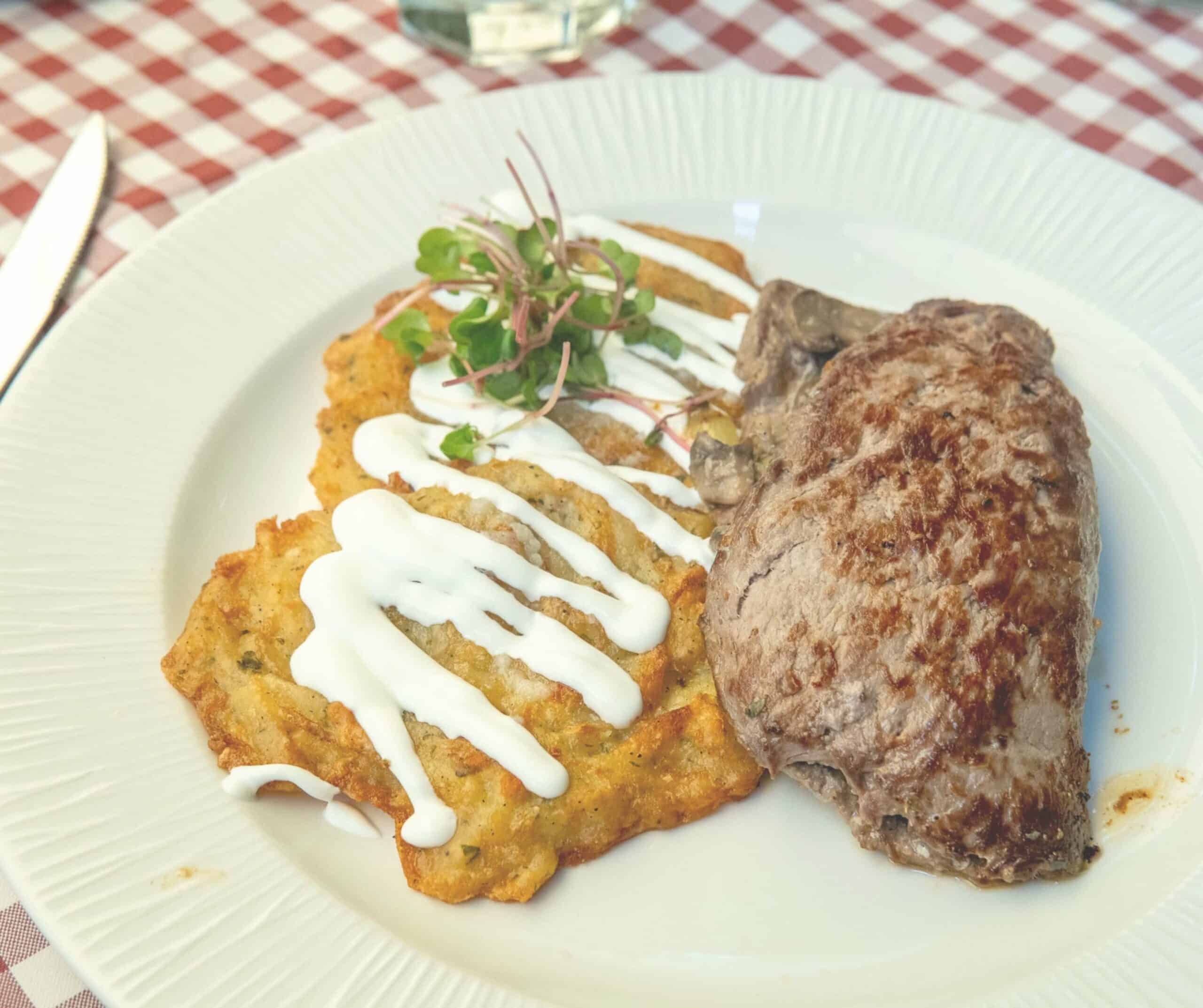
Eat the Best Strudel in the City
Strudel House | Address: Budapest, Október 6. u. 22, 1051 Hungary
Strudel House (Első Pesti Rétesház) is a strudel specialist in central Budapest. Strudel is incredibly difficult to make: the dough needs to be stretched until it’s almost translucent, and the filling needs to be balanced, but if it’s done correctly, like Strudel House does, you will have the best strudel!
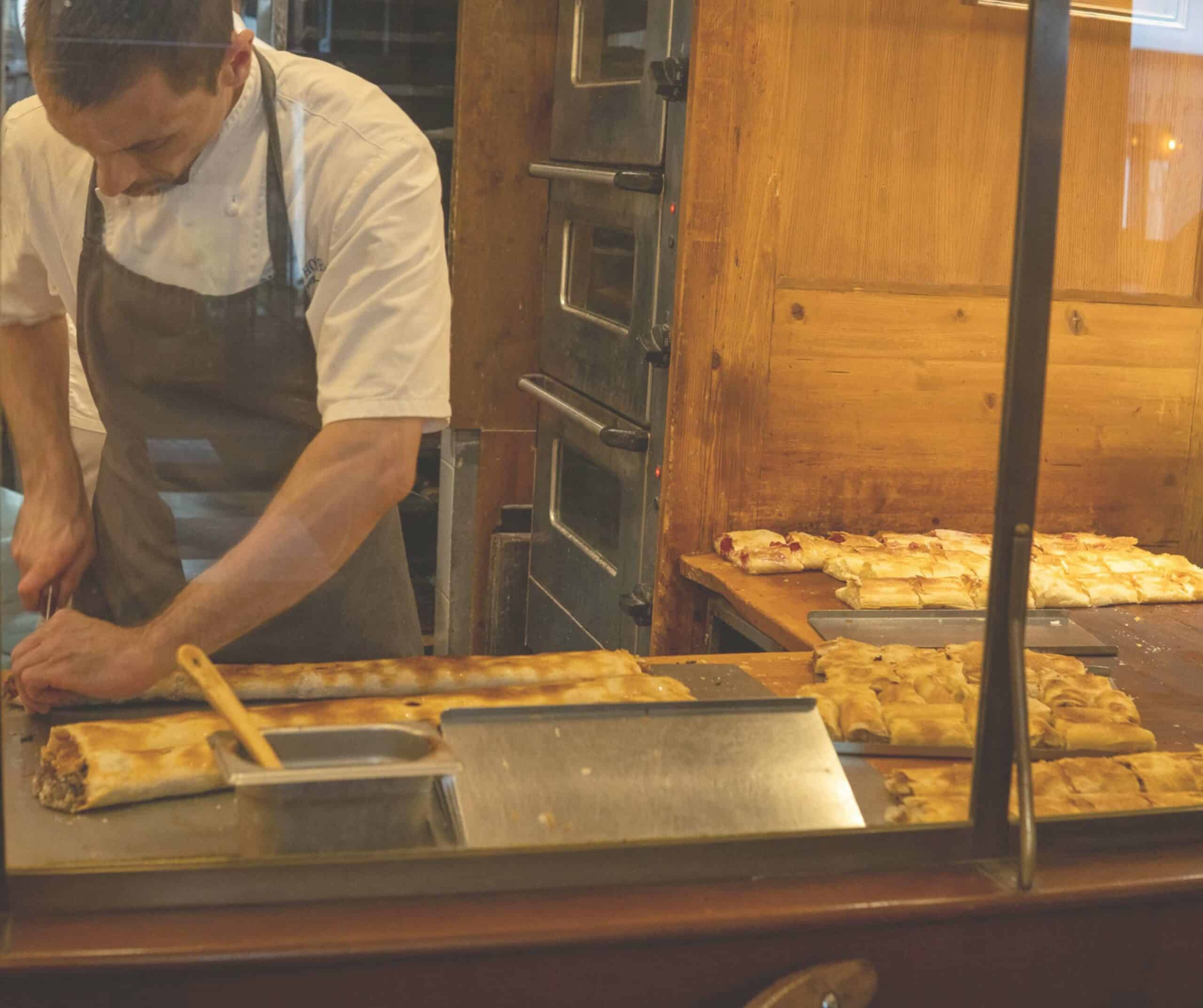
The restaurant opened in 2007 in a building that dates back to 1812, and you see the history the moment you walk in with walls lined with old black-and-white family photographs of women in headscarves stretching dough and antique kitchen equipment.
The open kitchen in the center of the restaurant is the first thing you notice. You can watch the pastry chef stretching, filling, and rolling the strudel, and the finished versions sit in a glass display case near the front.
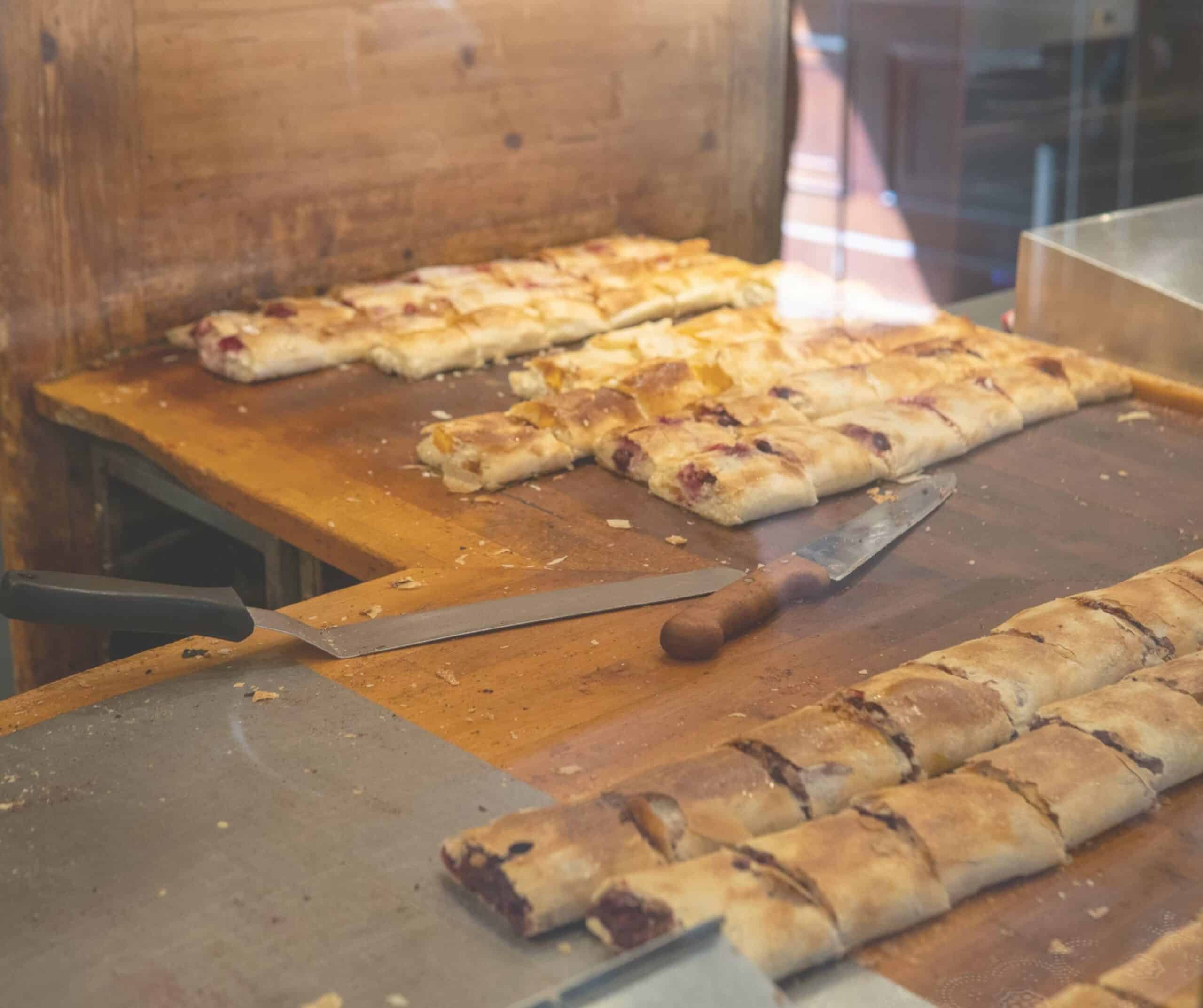
They make tons of varieties, including apple, sour cherry, raspberry with cottage cheese, plum, and cheese with apricot. They also have savory versions like Hortobágy-style strudel, filled with paprikash meat. Salmon strudel, vegetable strudel, and beef strudel, so you won’t be struggling with choices, but you may be struggling with which ones to choose.
Check Out a Fun Unicorn-Themed Cafe (The Pinkest Cafe in the City)
Egyszarvú Unicorn Bistro | Address: Budapest, Nagymező u. 64, 1065 Hungary
Unicorn Bistro is a unicorn-themed restaurant in central Budapest that bills itself as the first of its kind in Europe, but I doubt there is much competition. The room is small, aggressively pink, and covered in unicorn motifs from floor to ceiling. There’s a large mural on the wall, floral decor, and even unicorn-shaped faucets in the bathrooms.
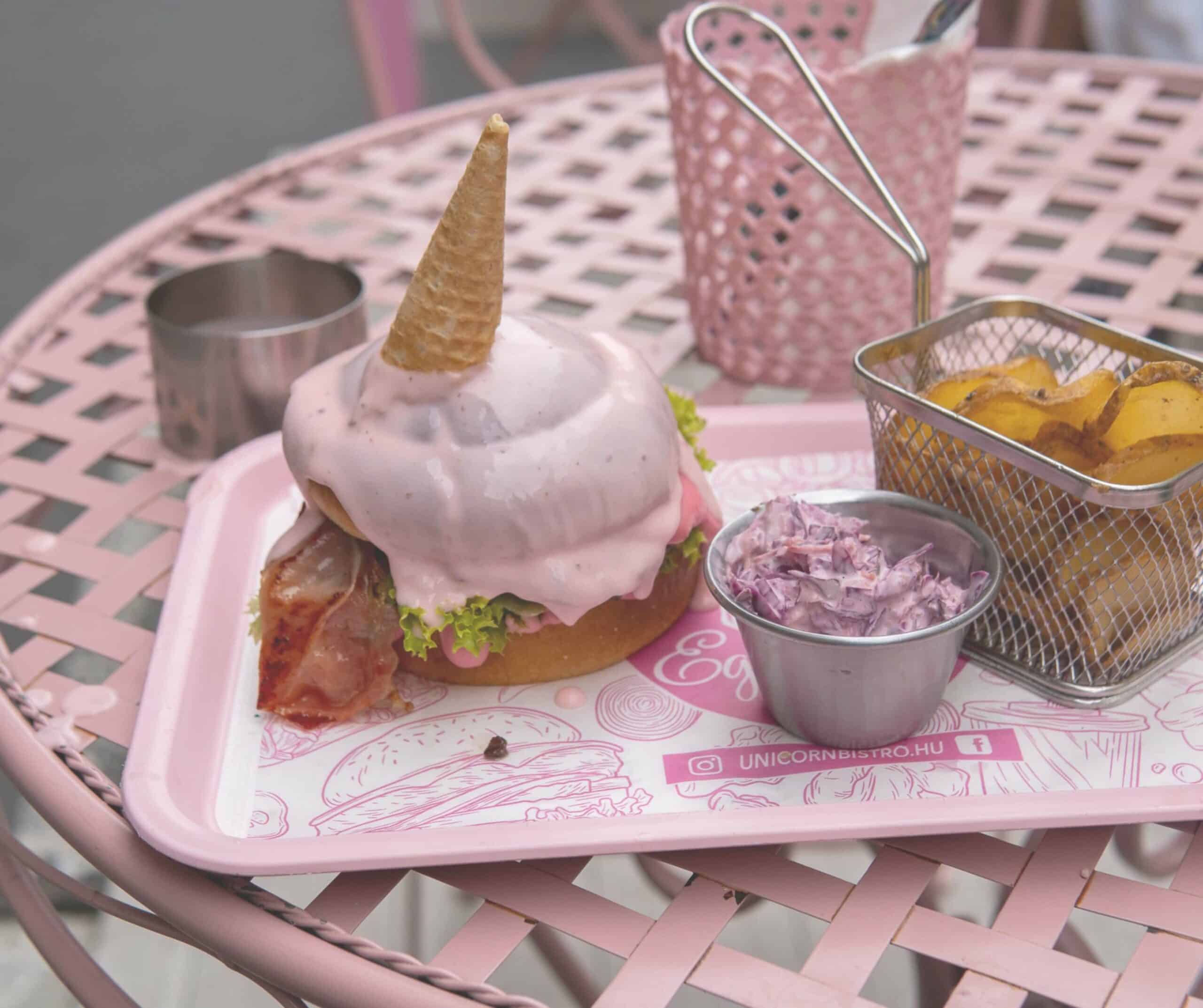
I happened to only know about this place by passing by, and since I was looking for a lunch spot, I had to go in. The food is themed as well. About 90% of the dishes use natural food coloring, so burgers arrive in colored buns or with colored cheese sauce you pour on top.
Don’t expect the food to be spectacular, but the dishes are fun. If you go, it should be mainly to enjoy the ambiance, but the milkshake was really good. I recommend making a reservation if you want to sit inside. I didn’t make one and was seated outside.
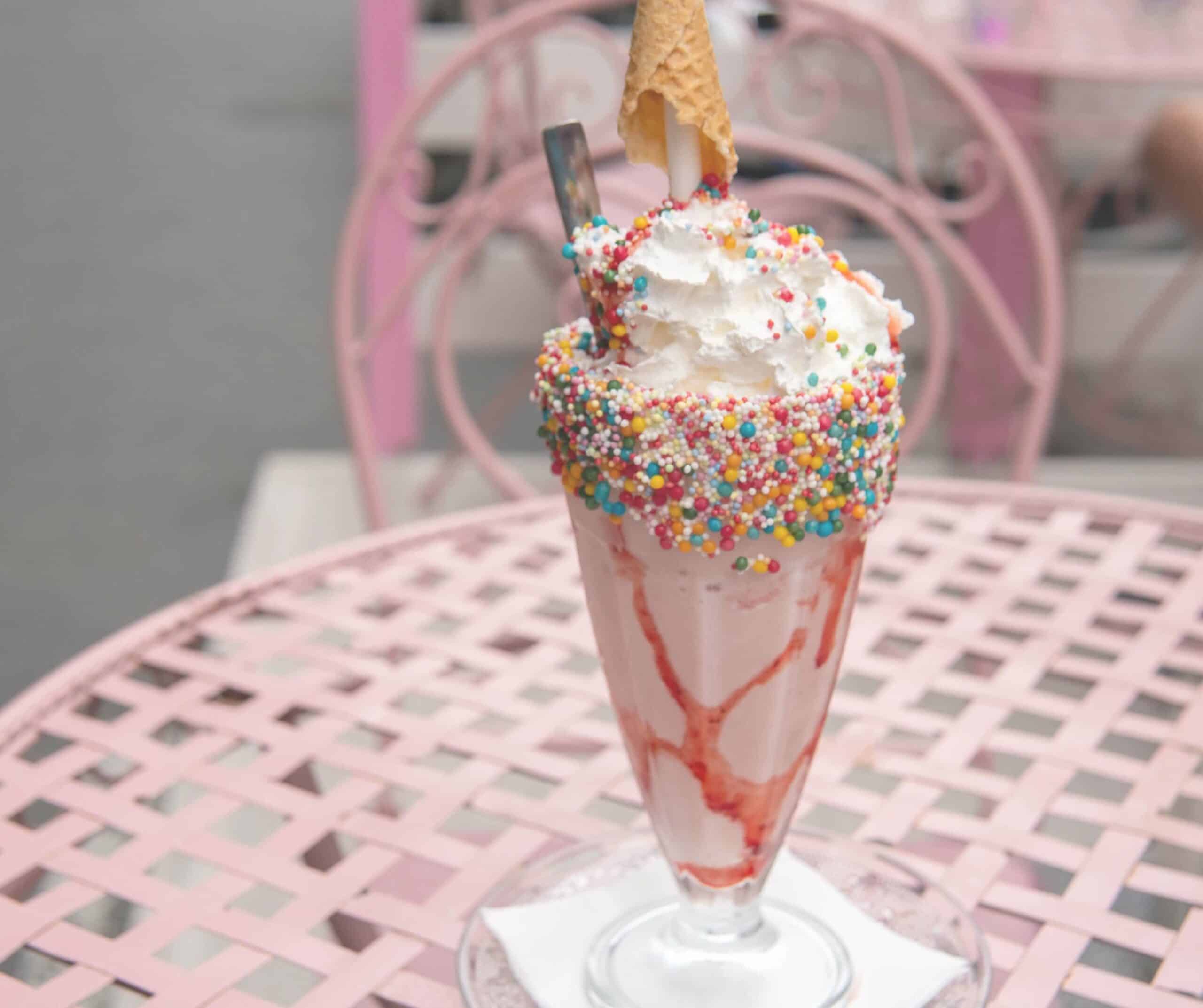
Play With Some Cats at a Cat Cafe
Cat Cafe | Address: Budapest, Révay u. 3, 1065 Hungary
Cat Café Budapest sits in the city center near St. Stephen’s Basilica. Cat cafes have been popping up in cities all over the world, so it’s no surprise Budapest has one of its own. You come in, you order a drink, and the 15 cats either acknowledge your existence or they don’t.
The cafe is cute with a few different rooms across two levels, with dedicated wall spaces and structures built for the cats to climb and perch on. They serve cakes, hot sandwiches, and the cutest coffee with a paw print on top.

The cats are used to socializing, but keep in mind they sleep a lot, so you may be spending a lot of time staring at sleeping cats. However, some do get curious and will come up to you, especially if you have food on the table, and you may get stared down with a particular disdain that cats have perfected.
A few things you should know before going: you can pet and play with the cats, but do not pick them up, disturb them while resting, or use flash photography. Children under 10 are not admitted, a policy the café introduced specifically to protect the cats. No reservations are needed unless you’re coming as a group of five or more.
Sit and Enjoy the Ambiance at a Traditional Coffee House
Central Cafe & Restaurant
Website | Address: Budapest, Károlyi utca 9, 1053 Hungary
Central Café (Centrál Kávéház) is a historic grand coffeehouse in Budapest that opened in 1887. If you want to see what this city’s coffeehouse culture looked like at its peak, this is the place to do it. It was also one of the most technically advanced buildings in town back then with electric lighting, ventilation, and central heating, all of which was insane for 1887.
The location did a lot of heavy lifting too. It sat wedged between the Budapest University Library and a printing press, so it filled up fast with academics, big thinkers, and writers, the kind of people who could nurse one coffee for six hours and call it work.
Legend says Gyula Krúdy wrote his Sindbad tales at one of these tables, and that Frigyes Karinthy came up with the theory of six degrees of separation here. Is any of it true? Who knows… but it’s a good story to roll around in your head while your coffee goes cold.
The glory days didn’t last. The café closed in late 1944, when Soviet and Romanian forces laid siege to Budapest, and much of the interior was lost.
What came after was a serious labor of love. The whole space was rebuilt brick by brick from old photographs, and the original chandeliers, grand piano, and marble bar counter were all salvaged and put right back where they started.
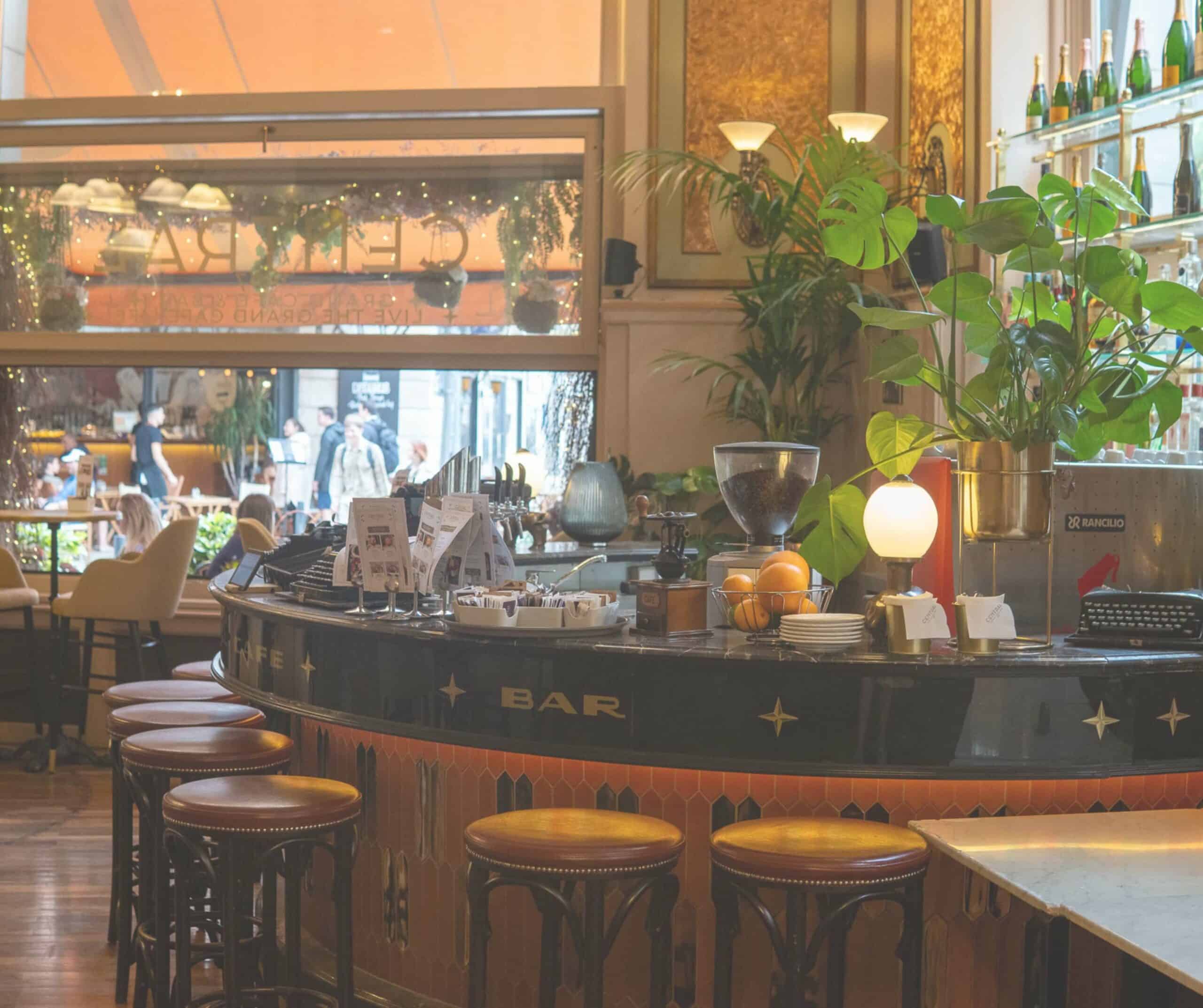
Come in the morning for breakfast. The eggs benedict was great. Evenings bring live music, and if you’re rolling in for dinner, make a reservation, because this place gets packed.
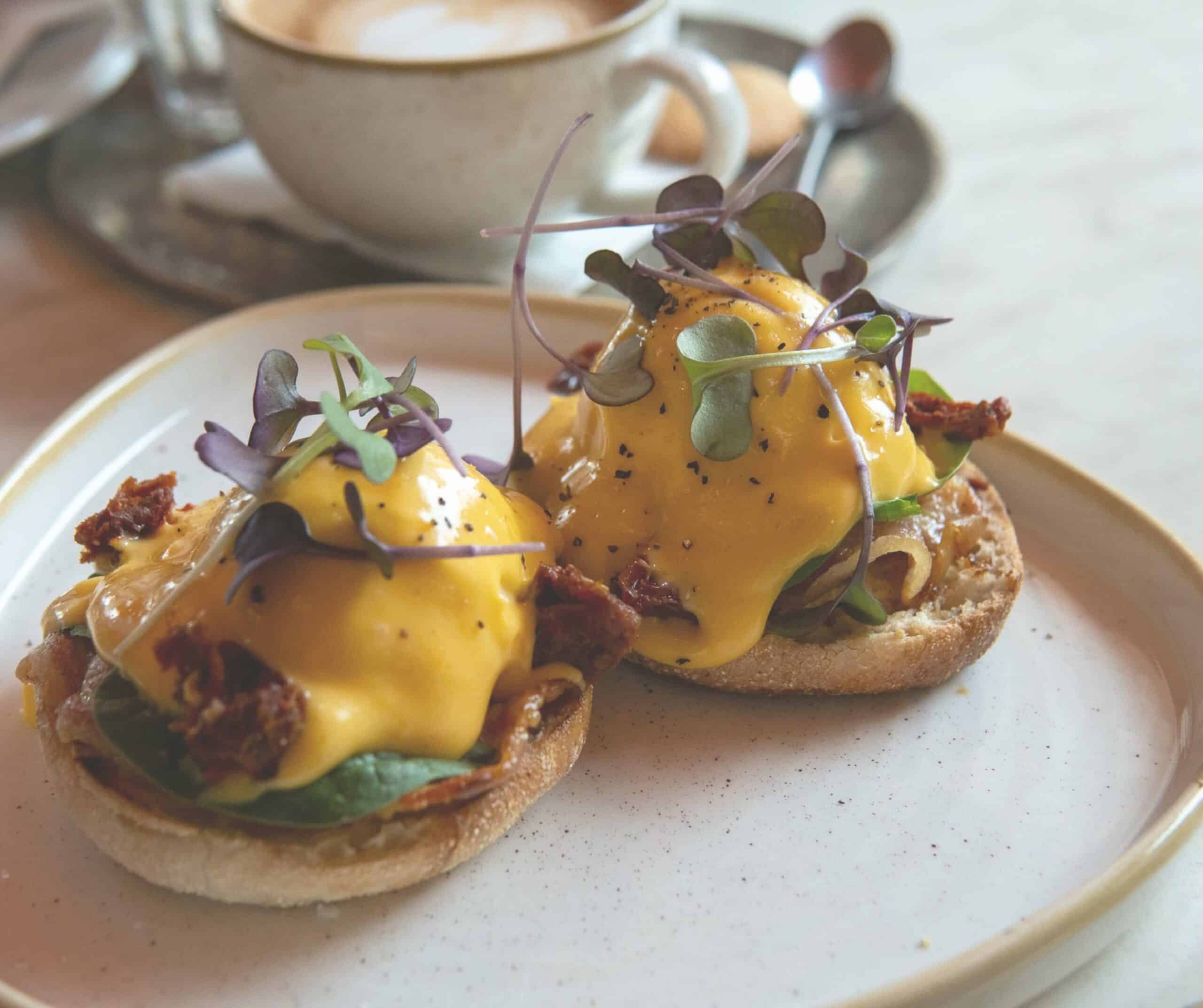
New York Cafe
Website | Address: Budapest, Erzsébet krt. 9-11, 1073 Hungary
New York Café is a lavish historic coffeehouse inside a palace on Budapest’s Grand Boulevard, famous enough to have its own founding legend. According to that legend, at the café’s opening in 1894, playwright Ferenc Molnár was so overwhelmed by the interior that he threw the keys into the Danube so the café could never close. It’s a great story, but likely not true: Molnár was a schoolboy at the time, and the river is a good distance away.
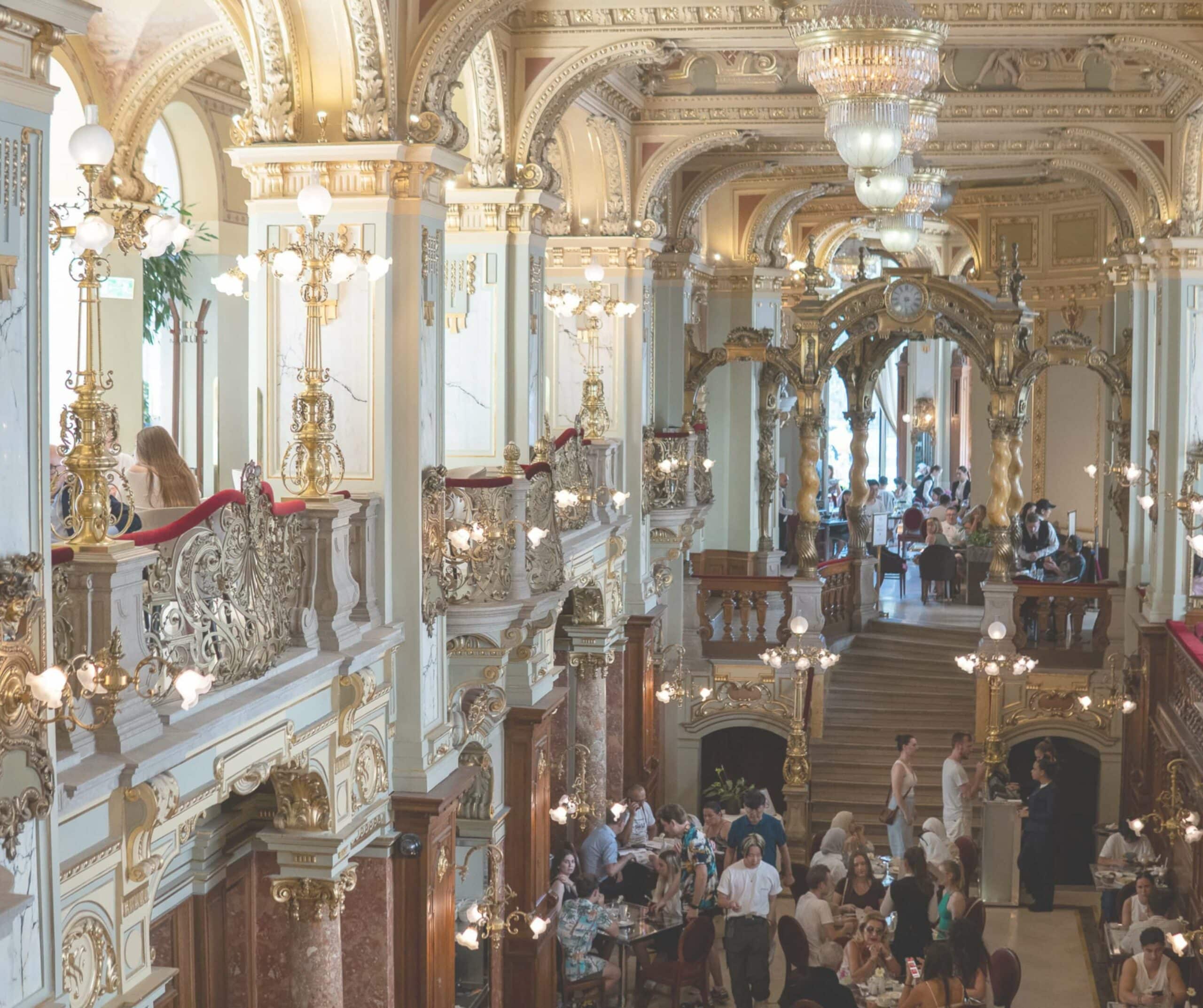
The palace’s showpiece is the café on the ground floor. There are gilded ceilings, frescoed walls, marble columns, crystal chandeliers, and incredible woodwork.
It’s often called the most beautiful café in the world. Whether that’s true is anyone’s guess, but it’s an easy claim to believe once you’re inside. It’s the most beautiful cafe in Budapest, at least.
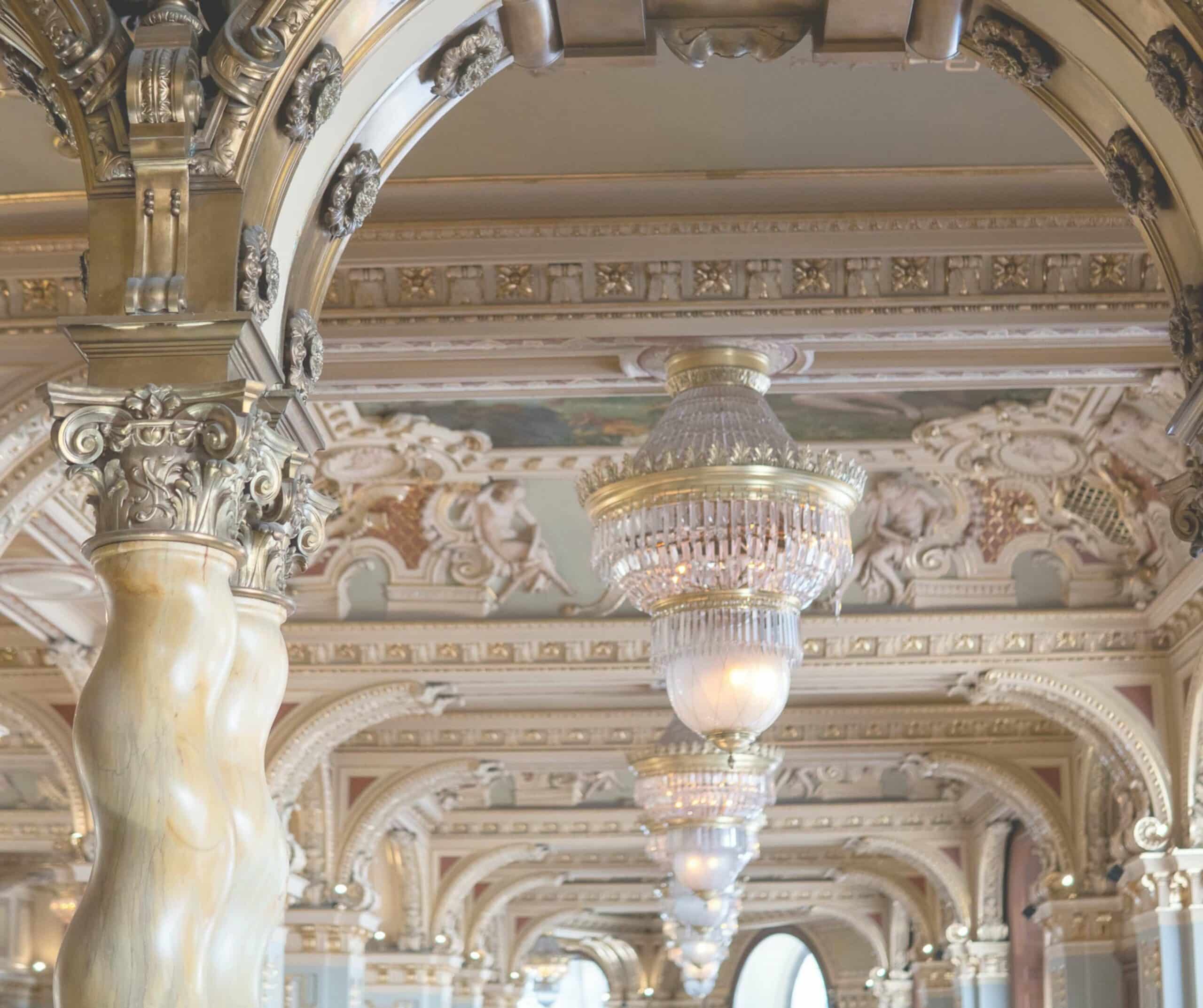
Hungary’s most influential newspapers were edited on the upper floors of the palace, and the café below became the gathering place for the writers and journalists who produced them. Poets, artists, and novelists filled the tables for decades. The café even offered a writer’s plate, cheap cold cuts, cheese, and bread served on credit to the regulars who couldn’t always afford to pay.
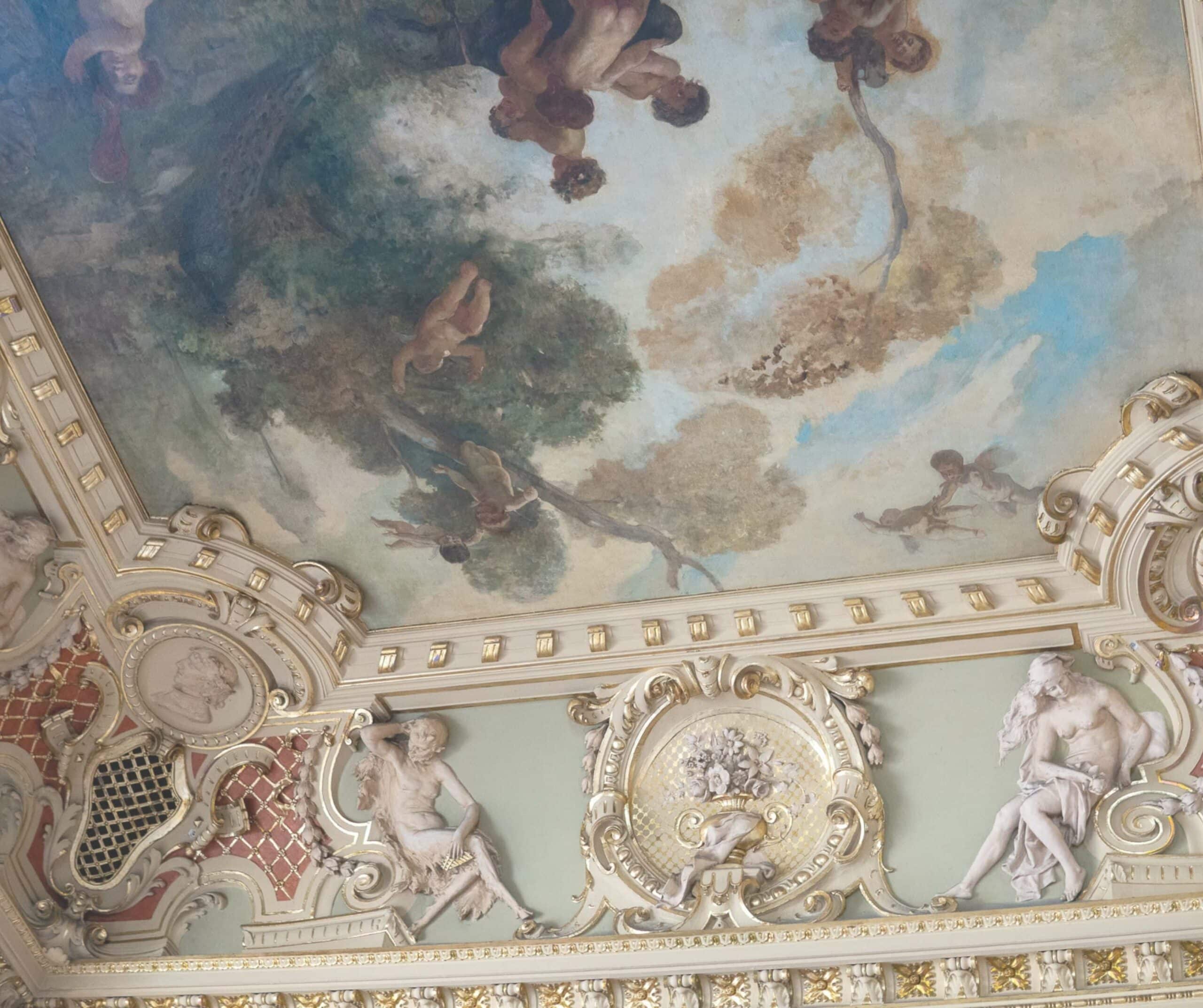
That era ended when the communist authorities shuttered the grand cafés, suspecting them of hosting underground meetings. The building was badly damaged in World War II; a Soviet tank drove into it during the 1956 uprising, and the space cycled through various uses before falling into disrepair.
After years of disrepair, the building was fully restored and is now part of the Anantara New York Palace hotel. Now, I will be honest, the food and drinks are pricey, and it won’t be the best meal you have in Budapest. But I was paying for the ambiance and experience of being there, so I was okay paying the price.
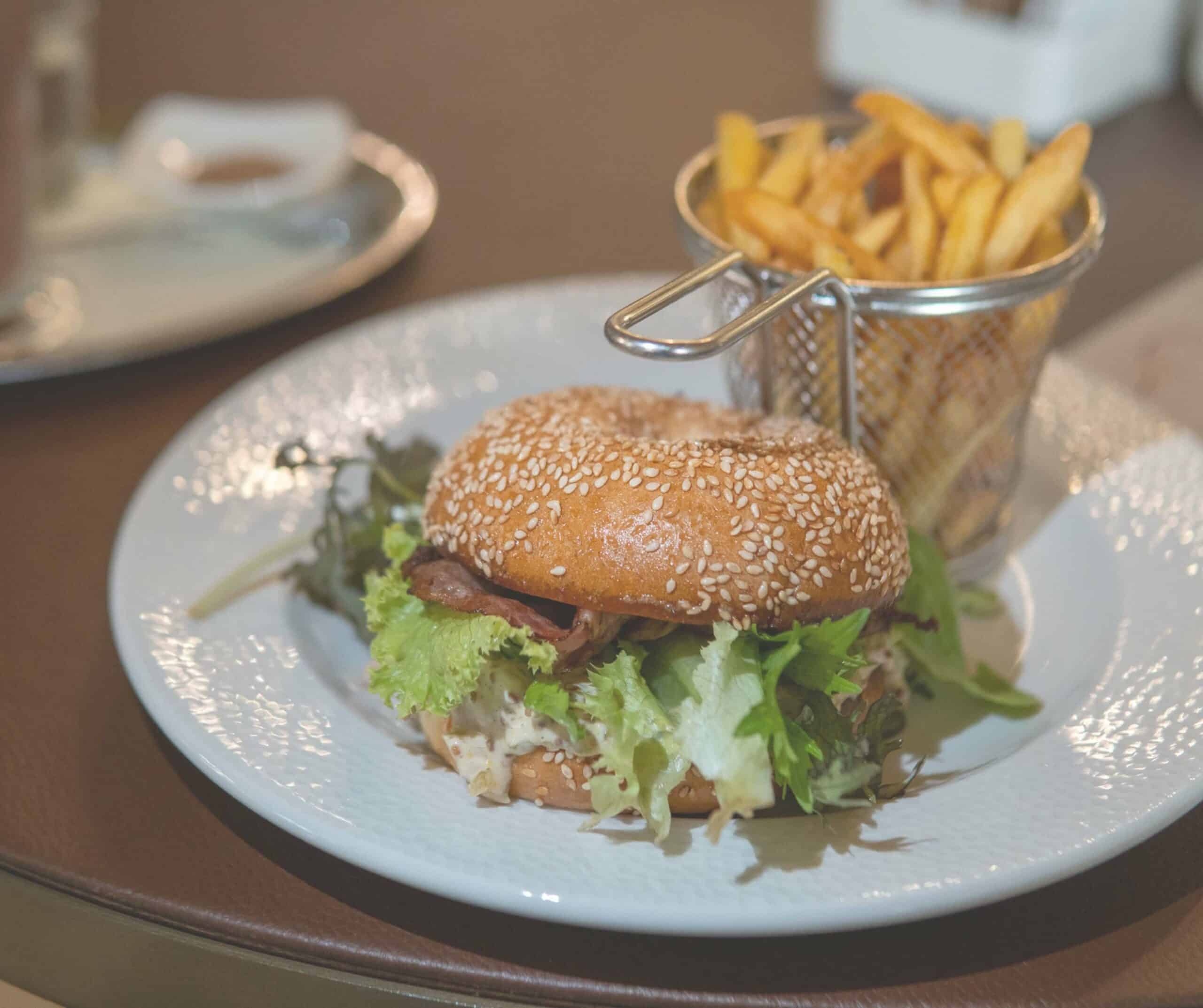
I did get a hot chocolate, which was actually pretty good, and it had golden flecks, which was a nice touch.
Keep in mind, there is also always a line for the cafe, so it’s best to make a reservation so you can bypass it or get there right when it opens. I do think it’s worth sitting down even if you just have a coffee. You aren’t able to go inside unless you have a table.
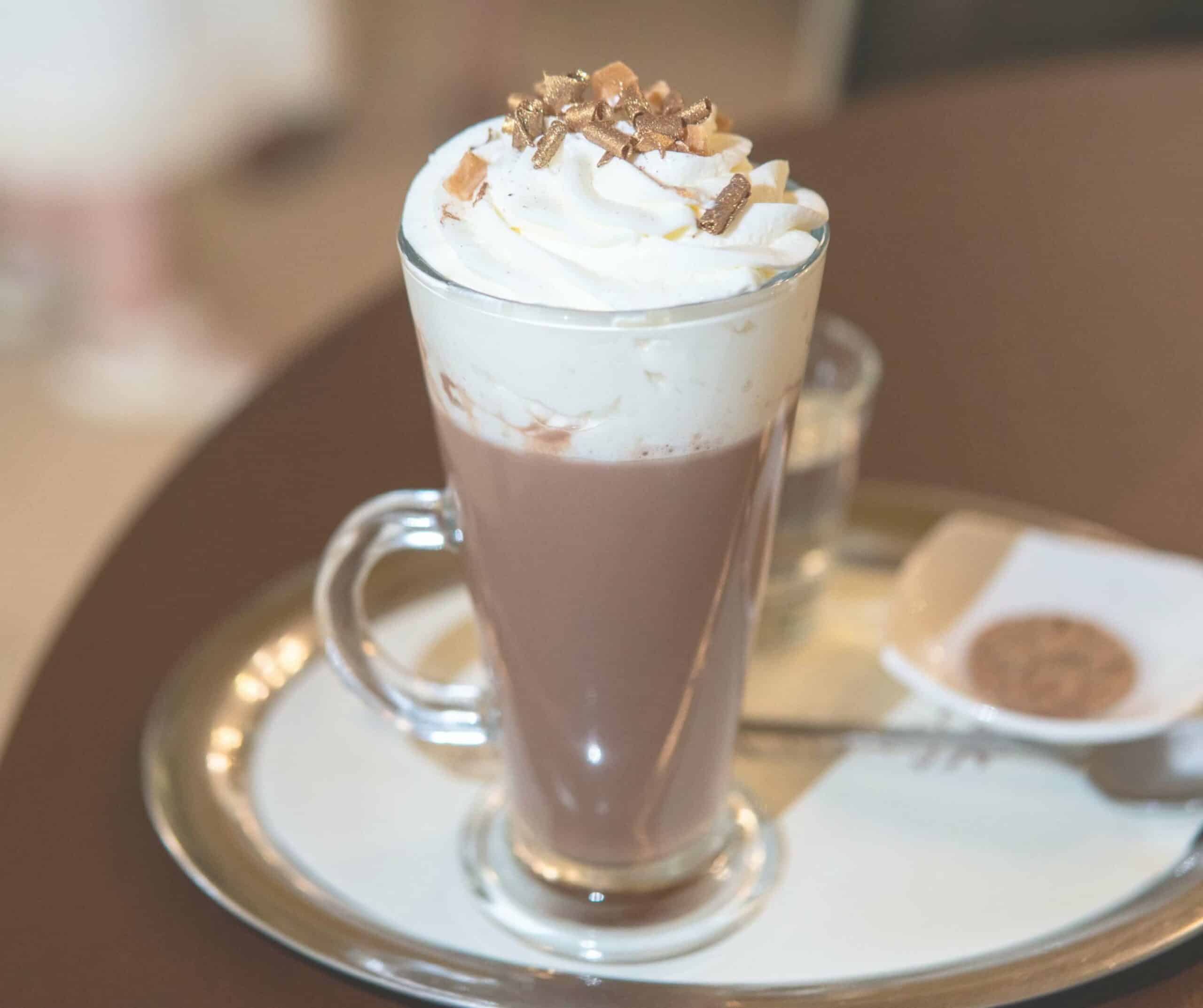
Cafe Gerbeaud
Website | Address: Budapest, Vörösmarty Square 7-8, 1051 Hungary
Gerbeaud is one of Budapest’s grandest historic cafés, a patisserie on Vörösmarty Square that has been serving cakes and coffee since 1858. The history is quite interesting.
It started with Henrik Kugler, a Hungarian confectioner who built a popular cake shop and café on the square. Not having an heir, he eventually brought in a young Swiss-Genevan confectioner named Émile Gerbeaud as his business partner in 1884.
Gerbeaud expanded the operation, introduced hundreds of new pastries and confections, and eventually took over the business entirely. By the end of the 19th century, he had around 150 employees, a reputation that stretched across Europe, and clientele that reportedly included Empress Elisabeth of Austria.
At one point this coffeehouse was known as the “ladies’ coffeehouse,” where young women would visit hoping to meet a suitable husband. Gerbeaud died in 1919. The café was nationalized in 1948, renamed Vörösmarty Café, and eventually restored to its original name in 1984.
The place is beautiful. There are chandeliers, marble tables, high ceilings, and brocade wallcoverings. There is outdoor terrace seating with views across the square, a great spot for some people-watching.
People mostly come for the cakes, but since it was quite hot out, I went for the ice cream, and it did not disappoint.
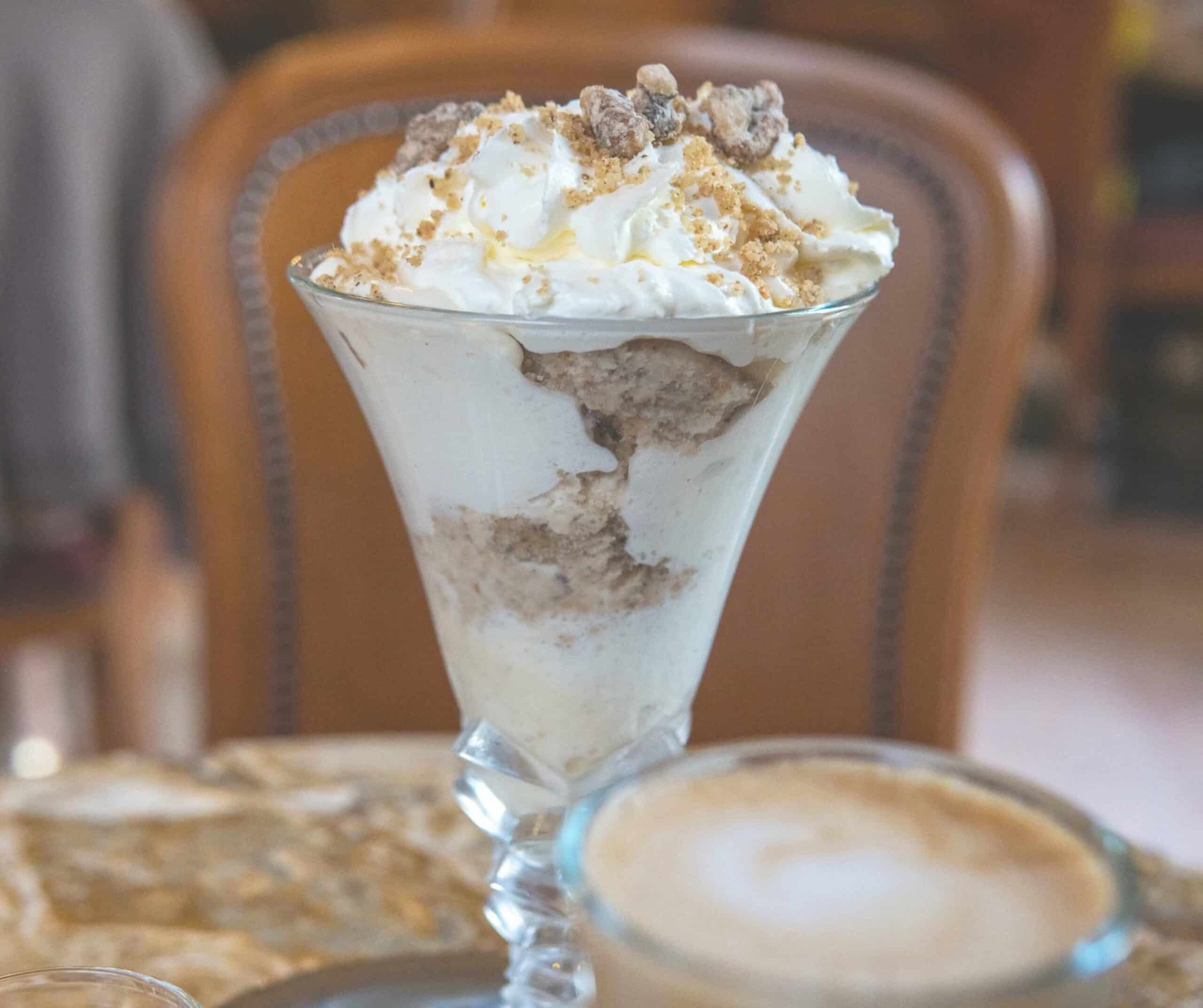
Stuff Your Face With Delightful Jewish Hungarian Food
Spinoza Restaurant
Website | Address: Budapest, Dob u. 15, 1074 Hungary
Spinoza has been around since 2003. In the heart of the old Jewish Quarter, it’s a café, restaurant, art gallery, and cabaret theater rolled into one building. The restaurant was founded by a Hungarian woman who had spent years in the Netherlands and returned to Budapest wanting to bring together Dutch and Jewish culture in a single space.
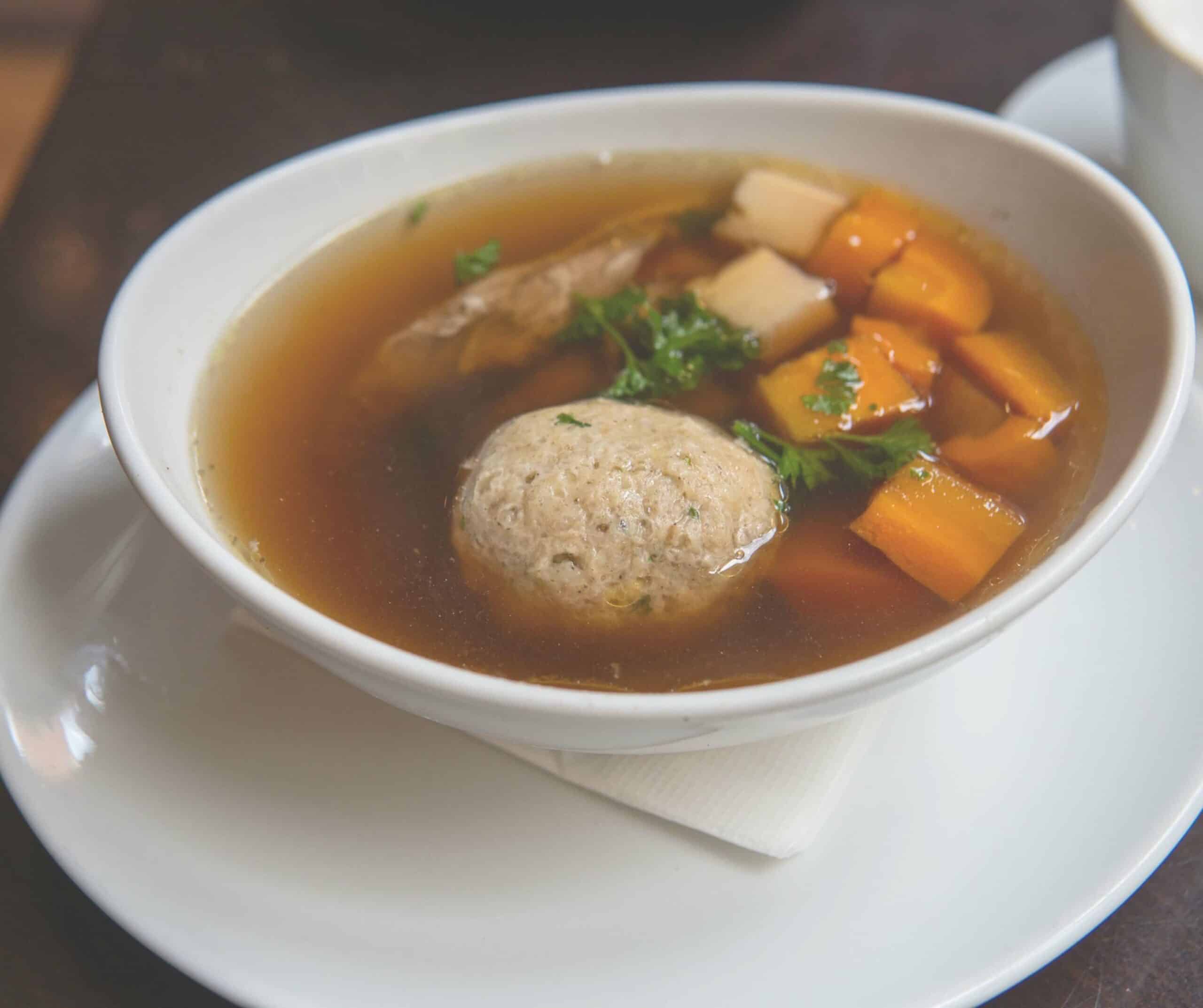
The name is a nod to Baruch Spinoza, the 17th-century Dutch-Jewish philosopher. I love Jewish cuisine, so I was excited to try this place. I got matzo ball soup, a goose leg, and flódni for dessert. It was packed when I went in, and I was lucky to get a table, and after I tried the food, I could see why.
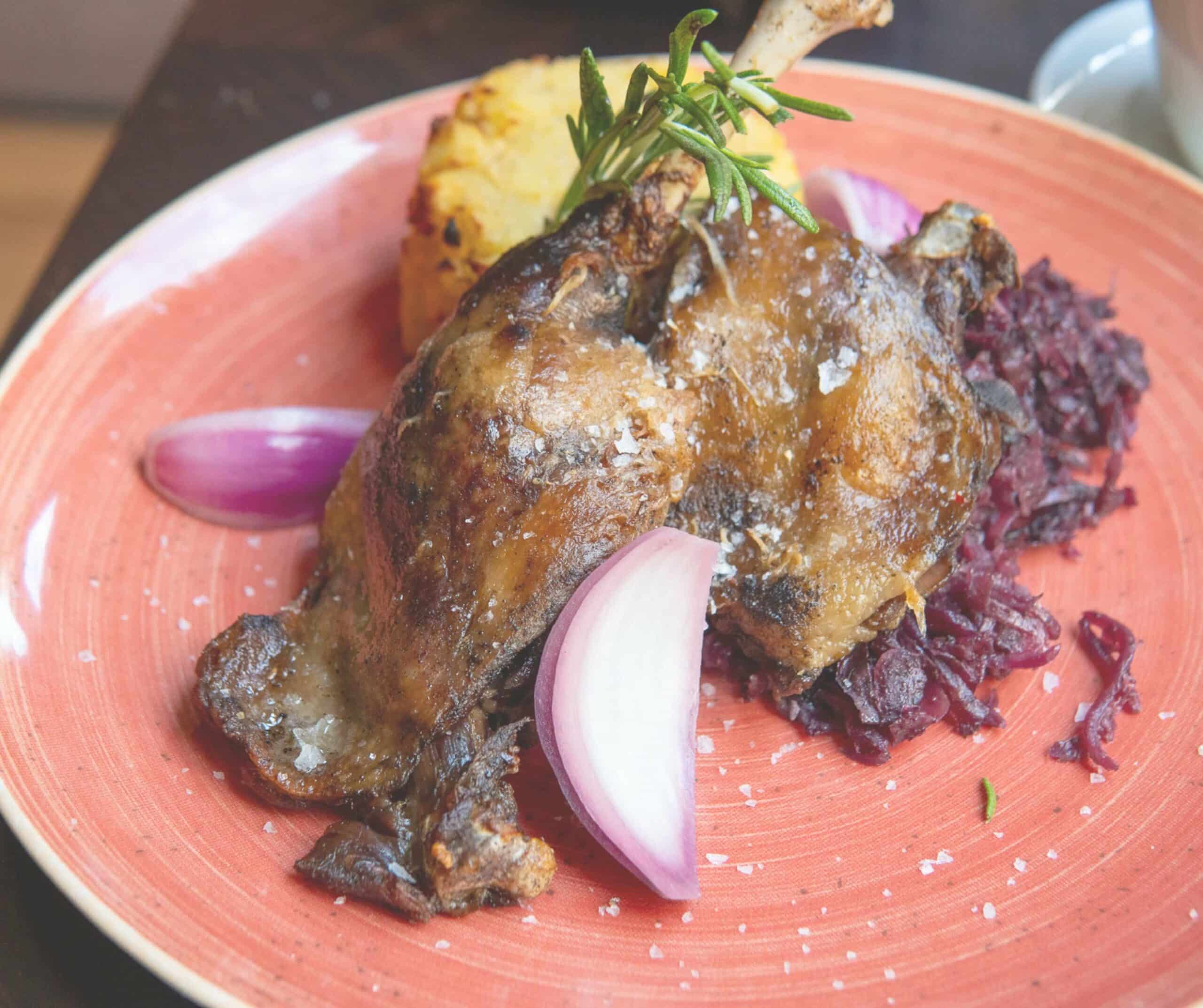
They also have traditional Hungarian dishes, and they can accommodate gluten-free and dairy-free diets.
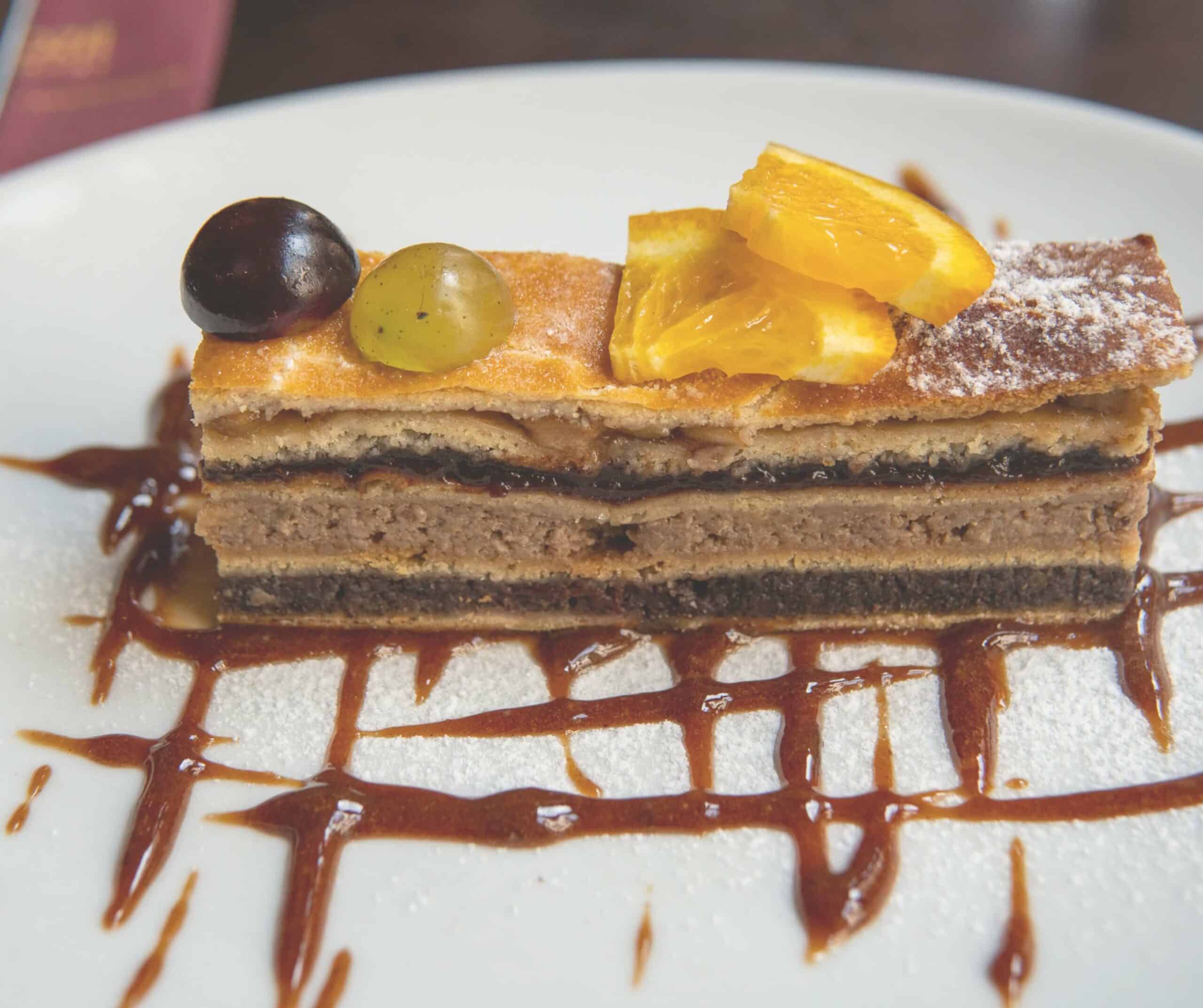
Carmel Restaurant
Website | Address: Budapest, Kazinczy u. 31, 1075 Hungary
Carmel is a kosher restaurant that has been operating in Budapest’s Jewish Quarter for over thirty years, and for the past decade it has run as a glatt kosher restaurant under strict Orthodox supervision (Rabbi Baruch Oberlander, Chabad Budapest). That makes it one of the few certified-kosher restaurants in the city.
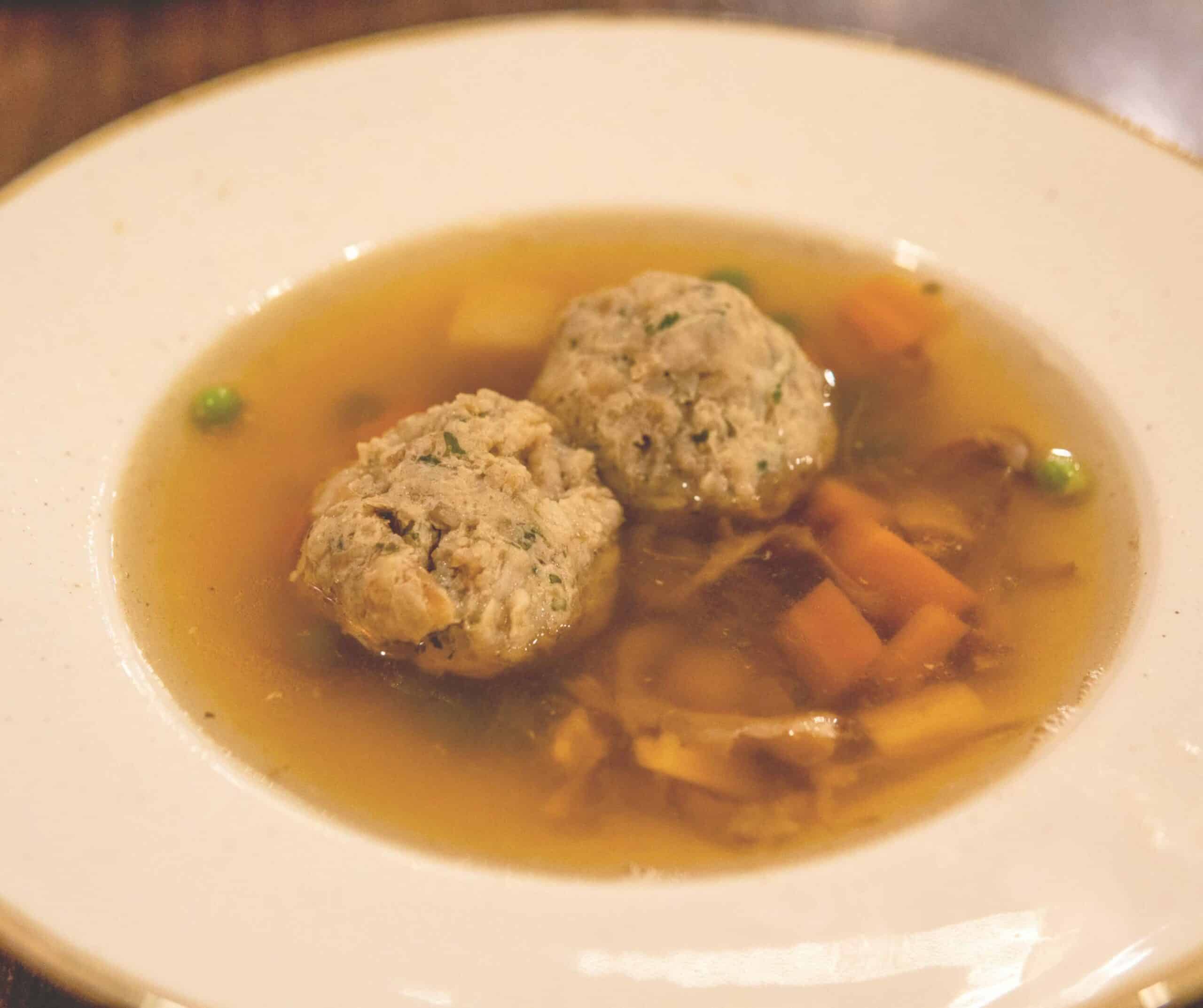
The restaurant has a small room at street level, but the main dining room is downstairs in the basement. I highly recommend ordering the matzo ball soup and cholent, which is a traditional Jewish stew of beef, potatoes, kidney beans, pearl barley, onions, and garlic, and it’s traditionally served on Shabbat.
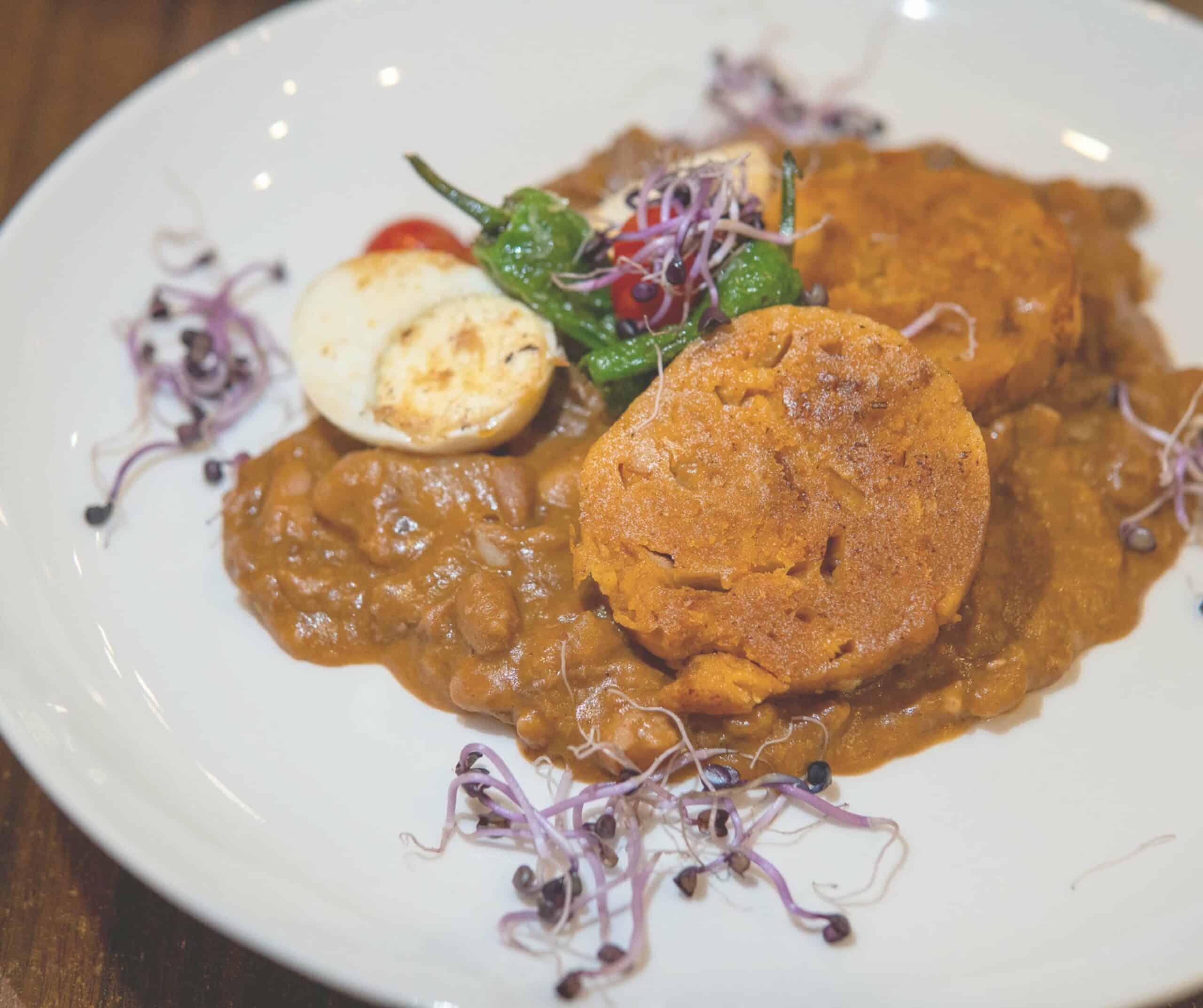
Nightlife Hidden Gems in Budapest
Take a Danube Cruise With Unlimited Prosecco
There are plenty of ways to see Budapest from the water, but I think one of the most fun is this prosecco cruise on the Danube. Once you board, you get a welcome drink, and from the moment the boat pulls away, the prosecco keeps coming.

Waiters circulate constantly with bottles, topping up glasses. Beer and Aperol Spritz are available at the bar if prosecco isn’t your thing. The cruise runs for about 75 minutes.
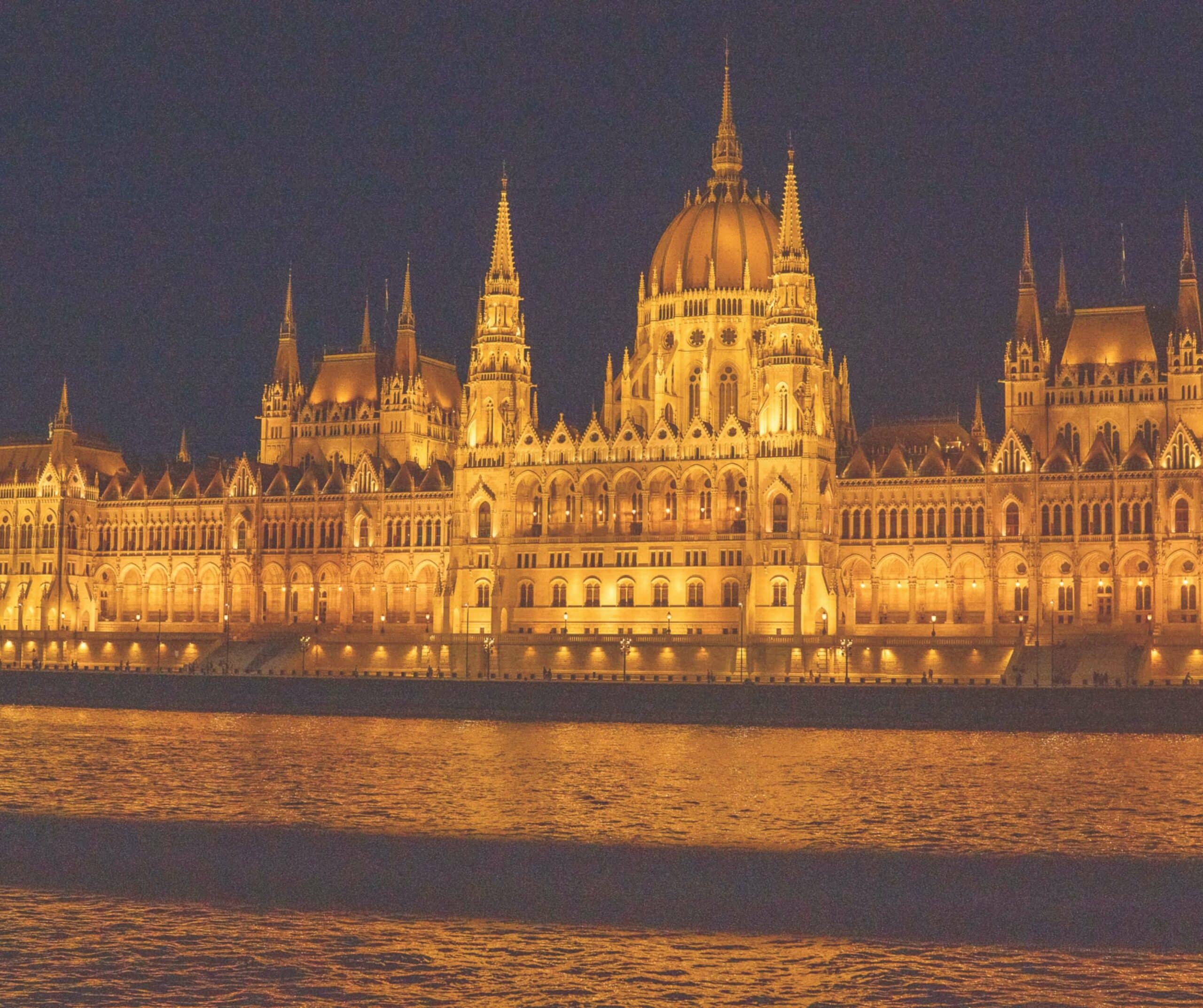
I do recommend getting there early because seats fill up quickly, especially the ones outside with the best views. The waiters are also on top of it. As soon as my glass was drained, I got a refill fairly quickly.
Drink at a Communist-Themed Bar
Red Ruin | Address: Budapest, Irányi u. 25, 1056 Hungary
Red Ruin is a really cool communist-themed bar in Budapest, though it’s one that more so makes fun of the era than celebrates it. There’s fluorescent red lighting and brick walls covered in satirical murals. There’s also a communist-themed Monopoly board, because of course there is.
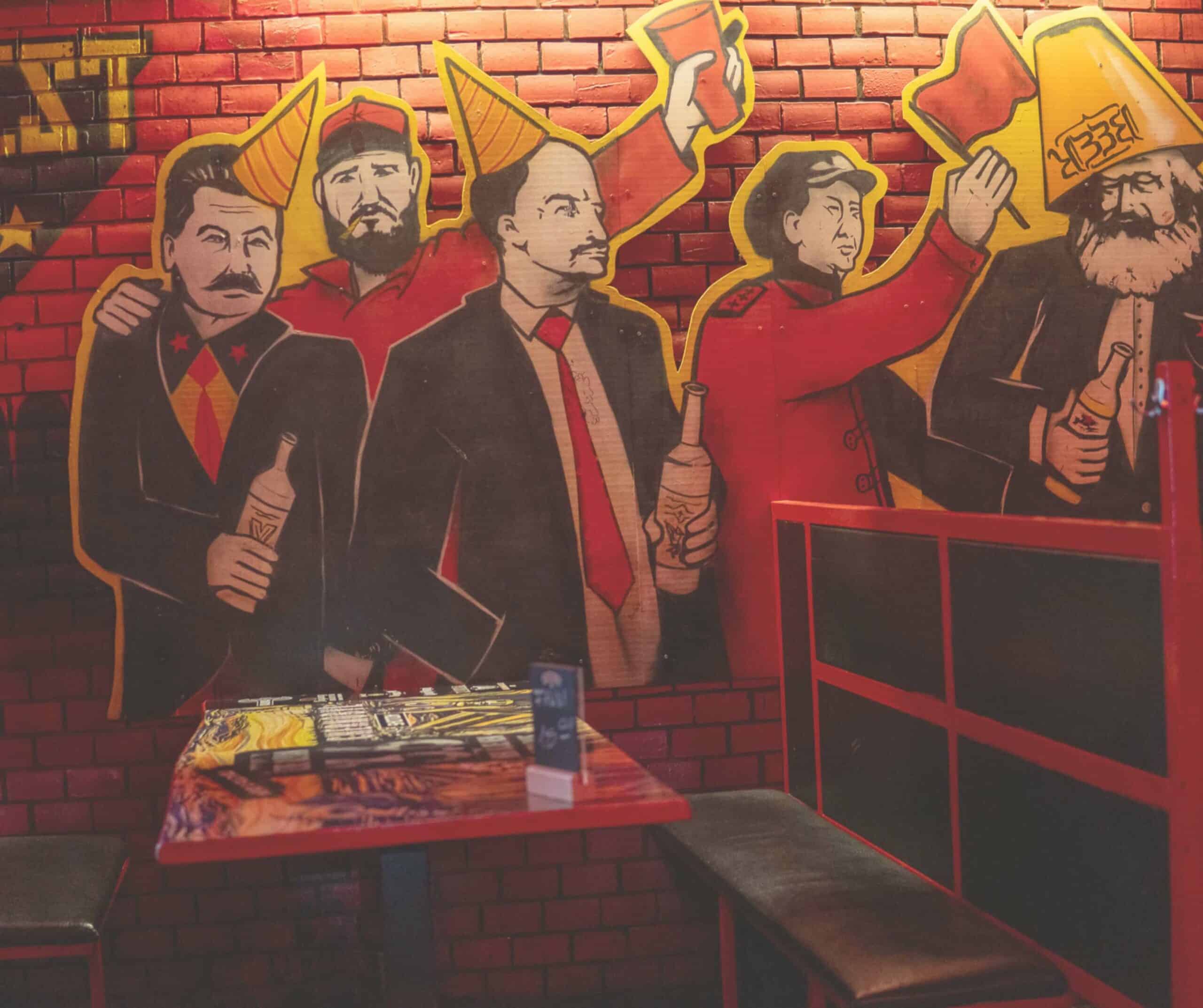
I have been to this bar a few times, and it never disappoints. The cocktails are also surprisingly good. They have a cocktail called “Hello Kitty,” which was really random but delicious.
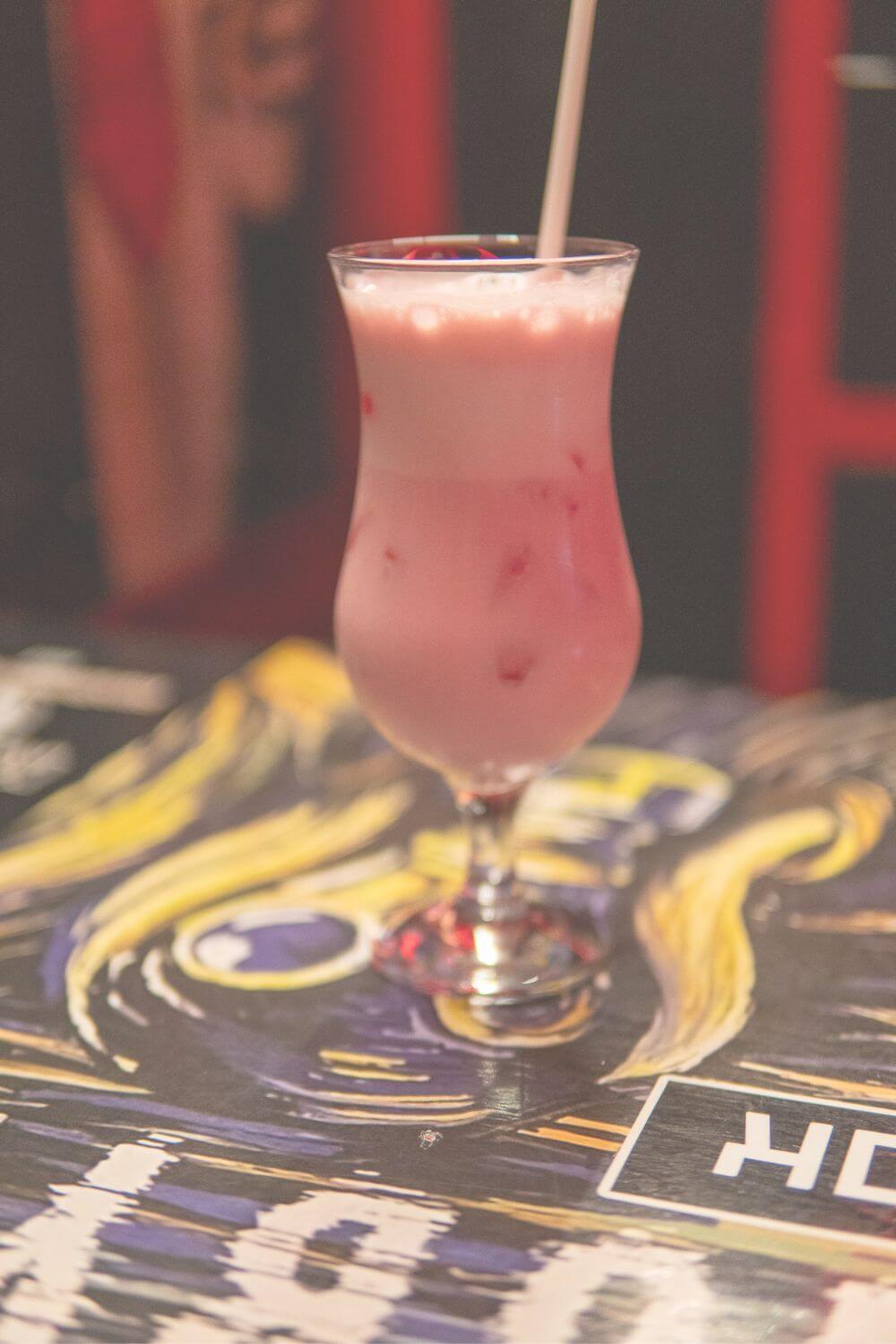
They also have a pretty decent selection of craft beer, although I never tried any of them. This is one of my favorite bars in the city. I went earlier in the day, not long after they opened, so I could enjoy the ambiance without crowds of people because it does get packed.
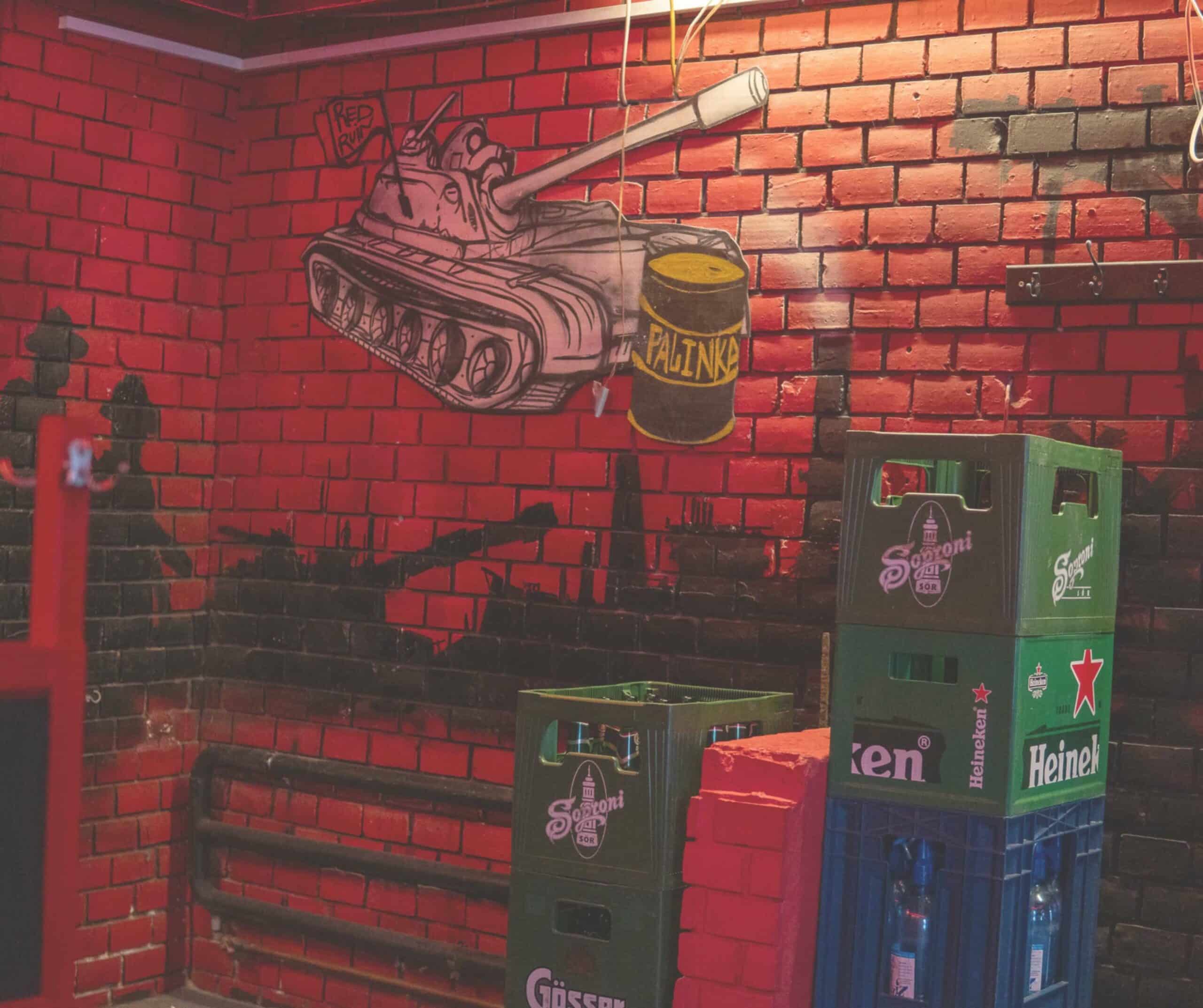

Explore the City Aboard a Beer Bus (With an Unlimited Beer Tap at Every Seat)
If you have ever seen those beer bikes in other cities, the Beer Bus is a step up from that. Beer bikes were actually banned in Budapest for being too obnoxious, and honestly I think this is better anyway. You get the same unlimited draft beer and party energy, minus the sweating.
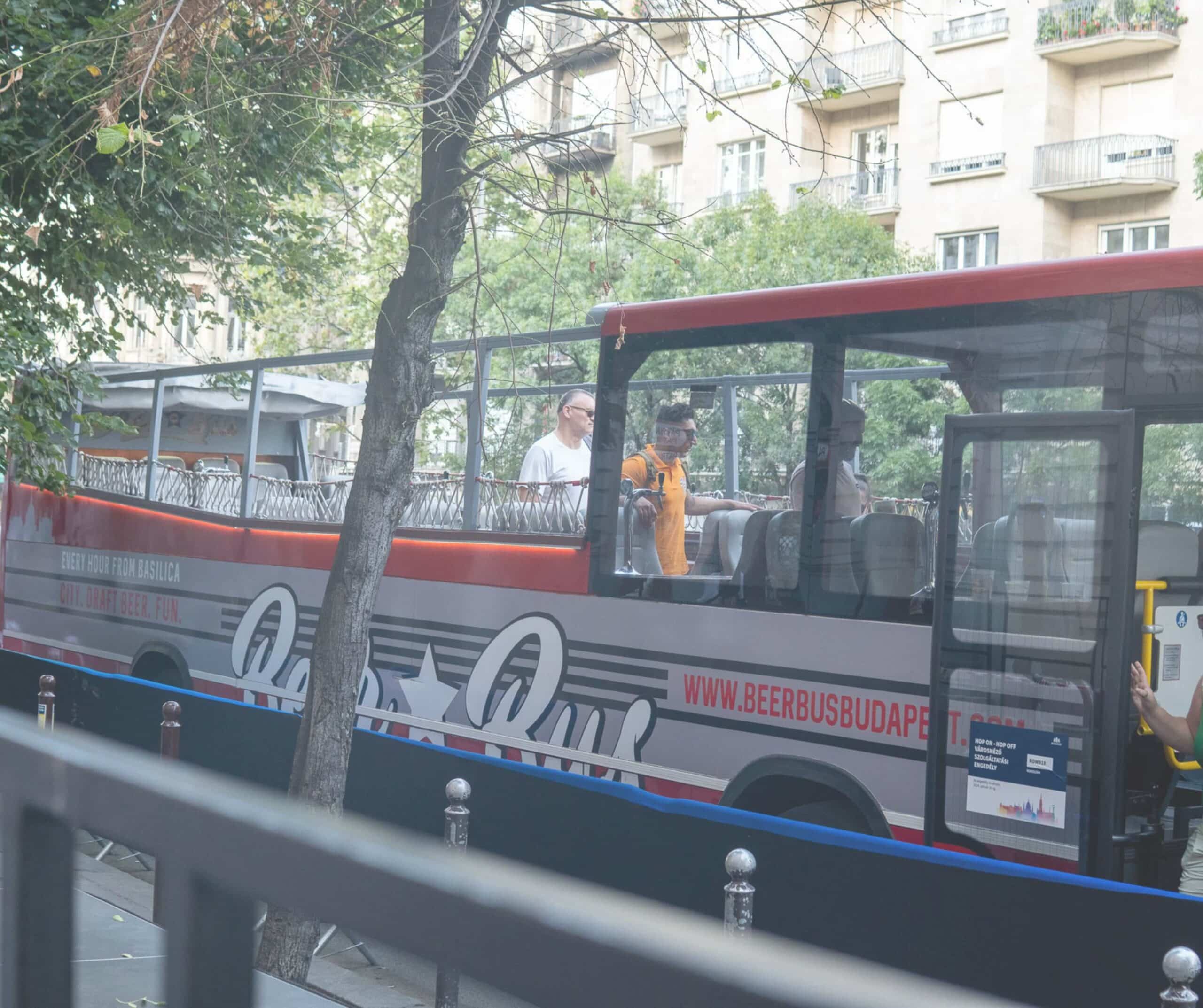
Each seat on the bus has beer taps, so while you spend an hour driving around, taking in all of Budapest’s amazing sights, you can refill as you please. I actually have a funny story about taking this tour. I booked on my last day in Budapest, Friday evening.
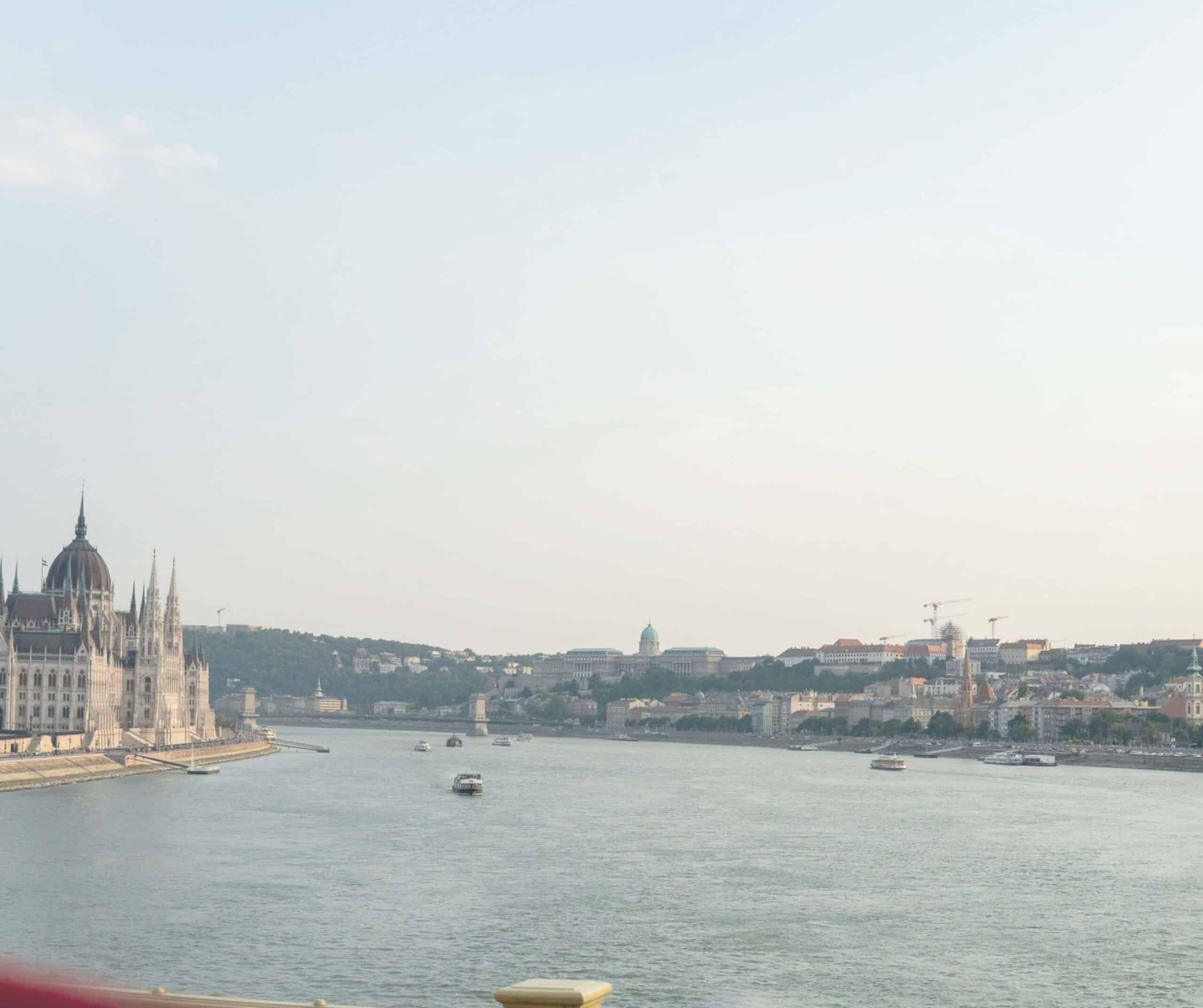
I figured there would be a ton of people, and it would be a wild time. Turns out, there was a glitch on the site, and there wasn’t meant to be another tour at the time I booked, but the guide honored my booking. I was the only person on the bus, but I still had a fantastic time.
Drink Beer in a World War 2 Bunker Converted into a Brewery
Gravity Brewing | Address: Budapest, Lónyay u. 22, 1093 Hungary
Gravity Brewing is a small-batch craft brewery built inside a converted underground bunker, where an American expat named Greg Kieckhefer produces some of the best beer in Budapest.
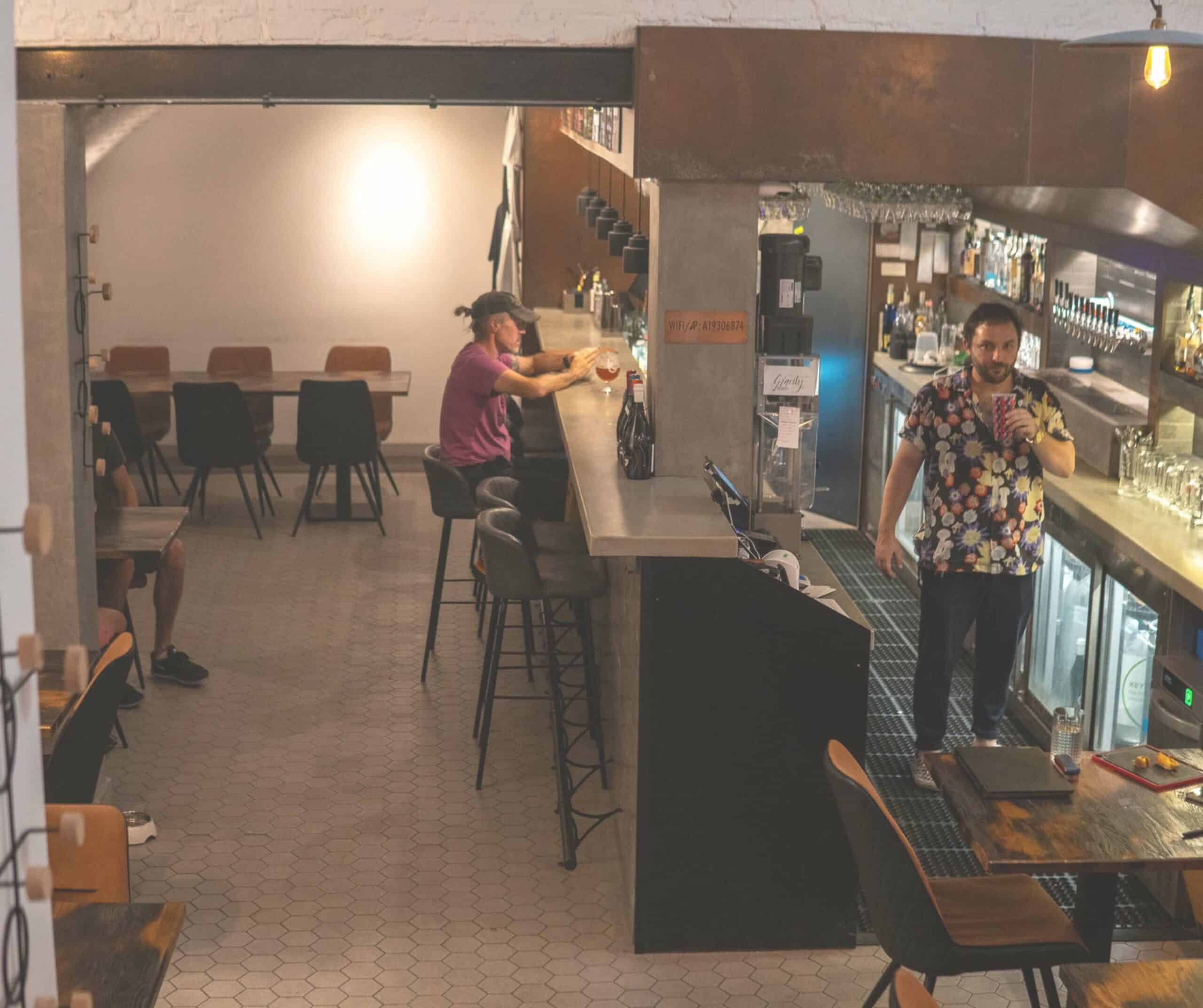
You get there by descending a flight of stairs, and inside you will find thick walls and low vaulted brick ceilings, and it was nice that the temperature was cool because Budapest was sweltering when I was there.
The tap list runs to around twelve beers at any given time, almost all house brews, with a couple of guest taps from various other Hungarian brewers. They have New England IPAs, sours, red rye, an India Pale Lager, milk stouts, imperial stouts, barley wines, and cider.
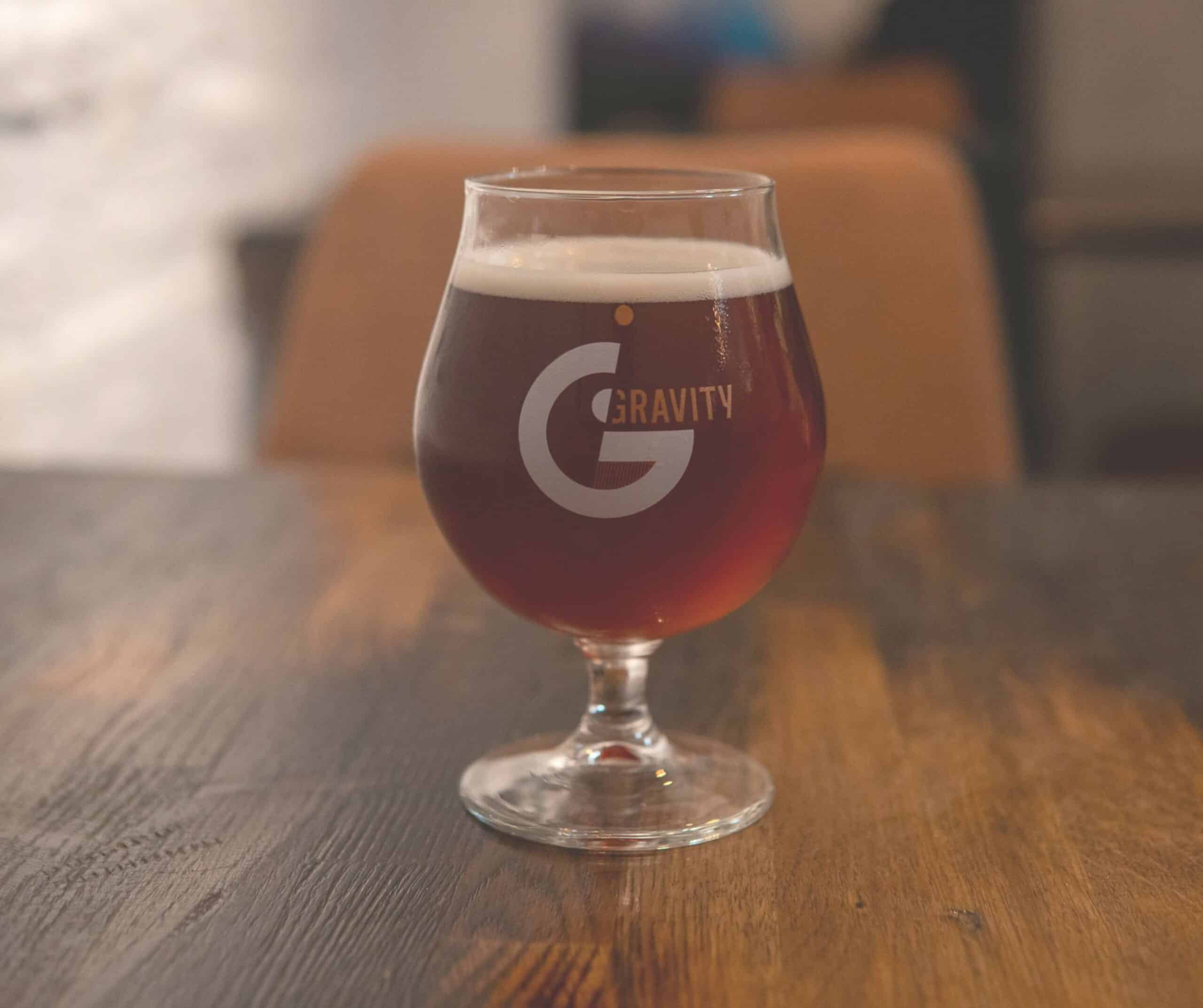
You can also book a brewery tour, although I never had a chance to. If I go back to Budapest, I definitely will! You can book a brewery tour on their site.
Have Cocktails at a Fun Tiki Bar
Rumpus Tiki Bar | Address: Budapest, Király u. 19, 1075 Hungary
Budapest has a lot of really cool cocktail bars, and this tiki bar is no exception. It’s named after a character in a legend the bar loves to tell: Rumpus, a resident of the island of Maupiti whose name supposedly translated to “wacky” in the local tongue.
As the story goes, he was a hunter, and a terrible one at that. He would constantly spook the animals before anyone could catch them, so the village eventually stripped him of his duties and handed him a job considered far beneath a man at the time: making fruit drinks.
Rumpus couldn’t even get that right. Instead of using fresh fruit, he grabbed the rotten fruit off the ground, blended it with fresh juice, and piled flowers on top to hide the smell.
When the hunting party came home exhausted and thirsty, they drank his drinks. A few minutes later, the fermented fruit hit, and for the first time anyone could remember, the villagers started dancing.
Rumpus went from village embarrassment to the most important person on the island. Word spread, people came from neighboring islands just to taste whatever he was making, and he kept his recipe secret until the day he died. Or so the bar would have you believe.
Legend or not, the bar itself is worth the trip. It’s actually quite big, with fun decor like tiki caricatures, Polynesian carvings, thatched walls, tiki masks, and skulls, and it wouldn’t be complete without all the crazy glasses.
Like at any tiki bar, you can’t really go wrong with the drinks; just know they’ll be very sweet. I definitely recommend stopping in for a drink or two.
Drink Unique Cocktails at a Speakeasy
Hotsy Totsy
Website | Address: Budapest, Síp u. 24, 1075 Hungary
Hotsy Totsy is a prohibition-era speakeasy cocktail bar at Síp utca 24 in Budapest’s seventh district. It sits slightly below street level in a vaulted brick cellar, and a secret door at the back opens into a working barbershop.
The cocktail menu is presented as a deck of playing cards, with drinks organized by flavor profile, and they all have fun names. I love this menu concept, so I decided to go in blindly and pick a random card, which would be my drink order.
The place is small and can fill up, so booking ahead is smart.
Black Swan Lab
Website | Address: Budapest, Klauzál u. 32, 1072 Hungary
Black Swan is a speakeasy cocktail bar hidden behind an unmarked door on Klauzál utca in Budapest’s seventh district.
To get in, you ring a bell, which isn’t obvious at first, so I spent a good 10 minutes figuring out if they were even open. Heavy red drapes block any view from the street, so there’s no peeking to check either.
The drinks are built around local Hungarian ingredients, and you order by flavor profile. The bartenders will happily make something off-menu if you tell them what you’re in the mood for.
It’s small and intimate, so booking ahead is a good idea, especially on weekends.
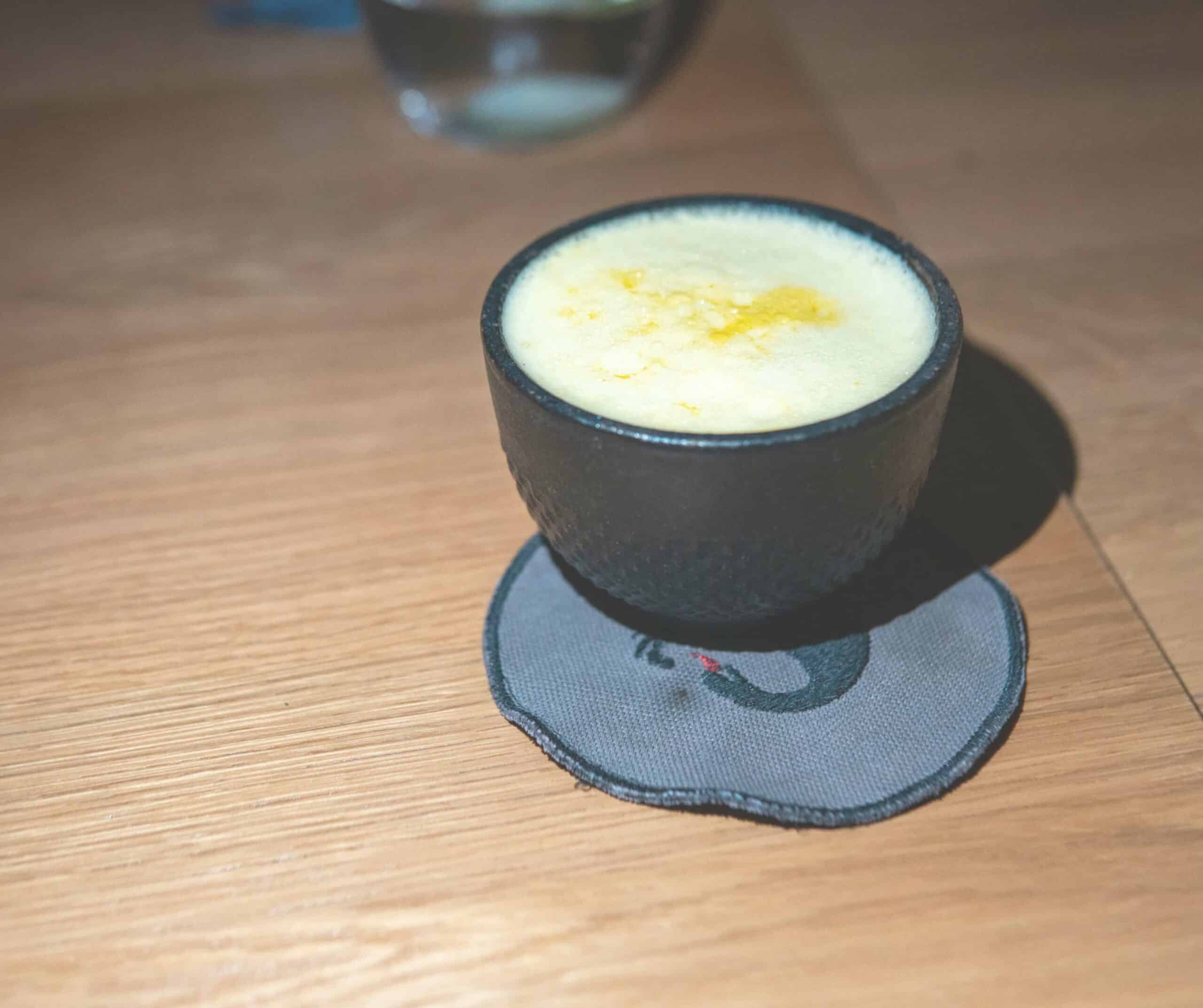
Take in the View at a Lovely Rooftop Bar
360 Rooftop Bar | Address: Budapest, Andrássy út 39, 1061 Hungary
360 Bar is a rooftop bar on top of the former Paris Department Store on Andrássy Avenue, in Budapest’s sixth district, and it earns its name with a full 360-degree view of the city. You take a lift to the top, step out, and suddenly the Basilica, the Parliament, and the Buda hills are all laid out in front of you.
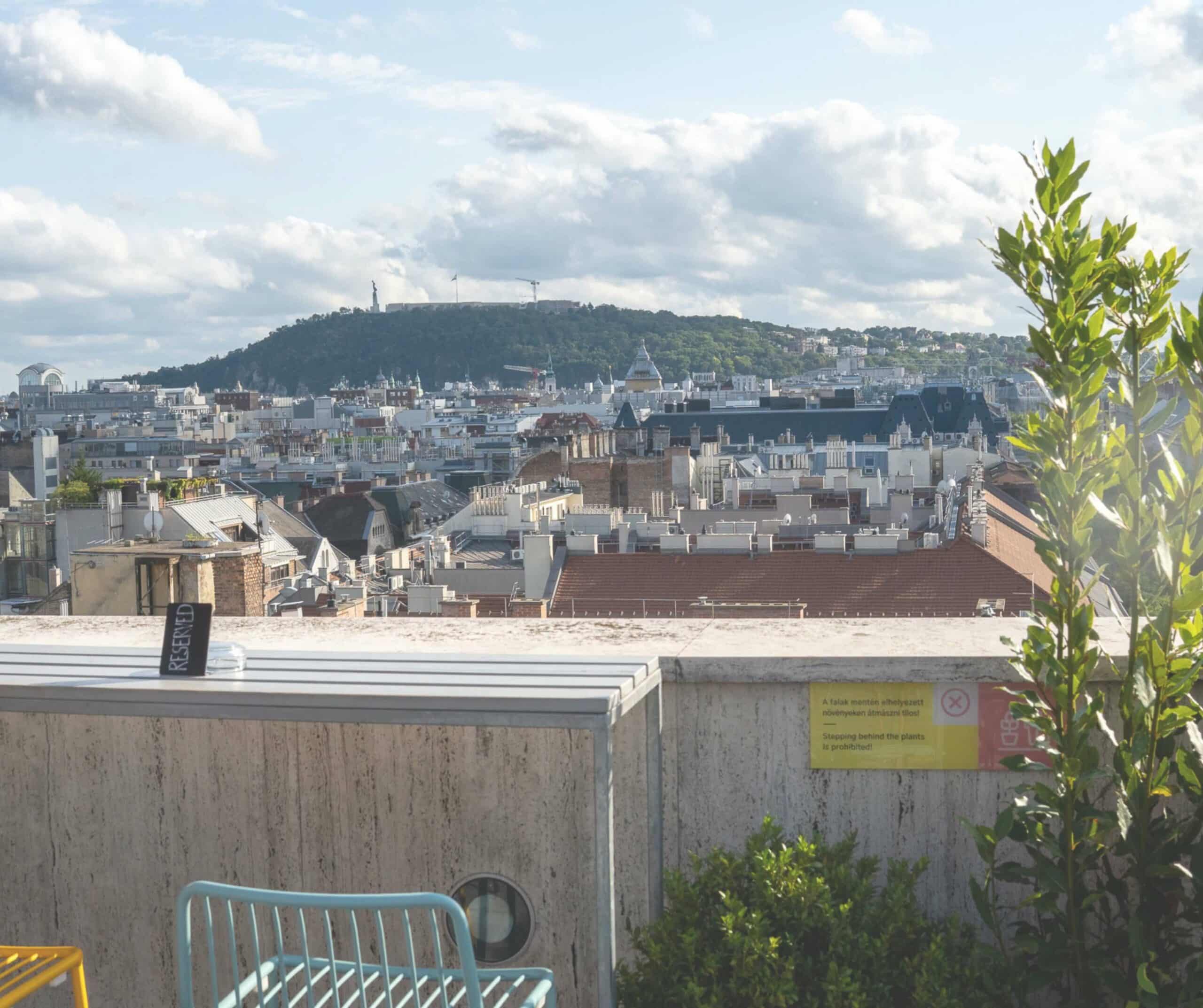
I went on a beautiful day and had a couple of cocktails in the sun. The terrace has plenty of seating, but if you’re a bigger group or coming for sunset, make a reservation. From Thursday to Saturday there’s a DJ too.
If you’re worn out after a day of exploring, it’s a great spot to unwind for a bit.
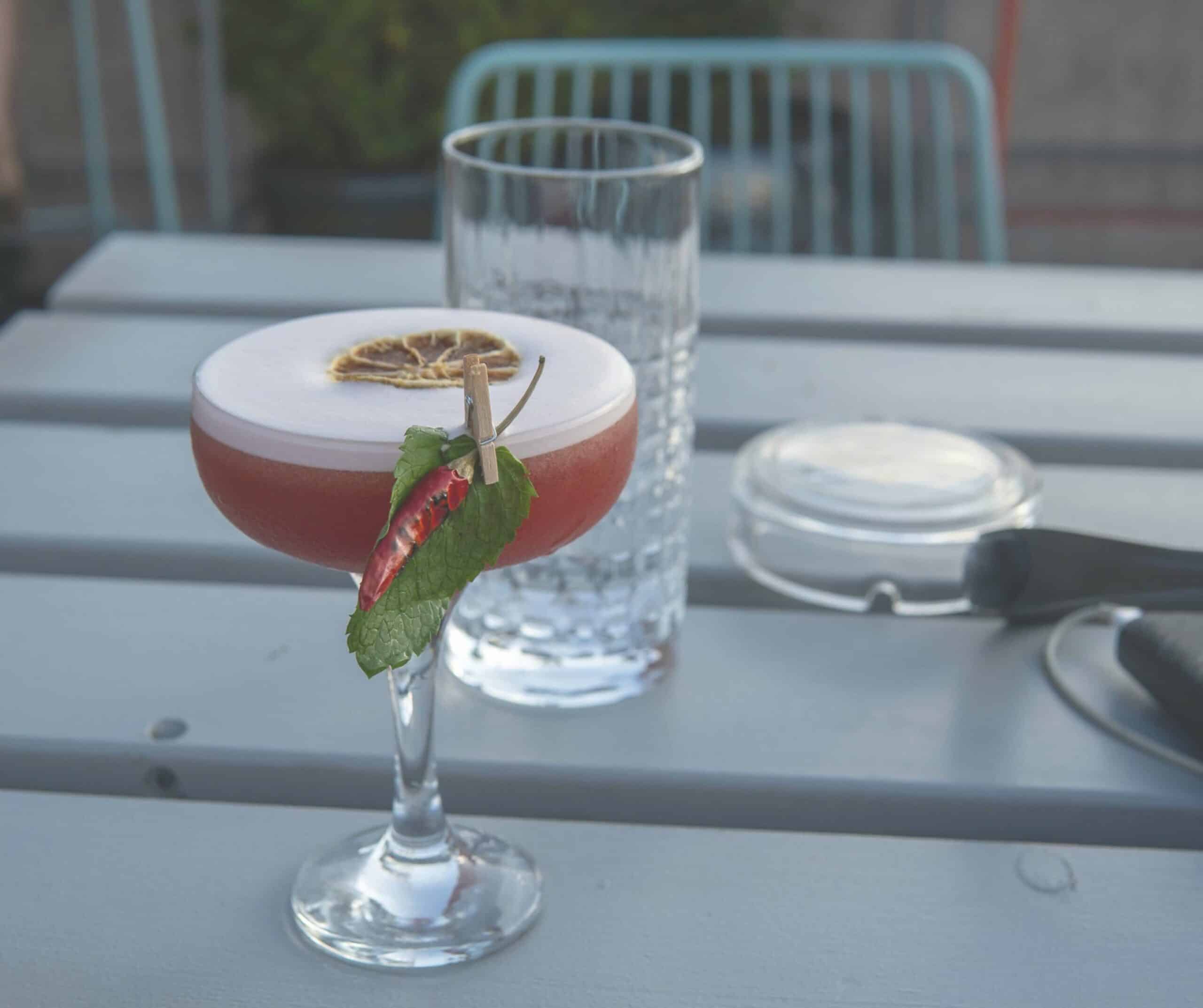
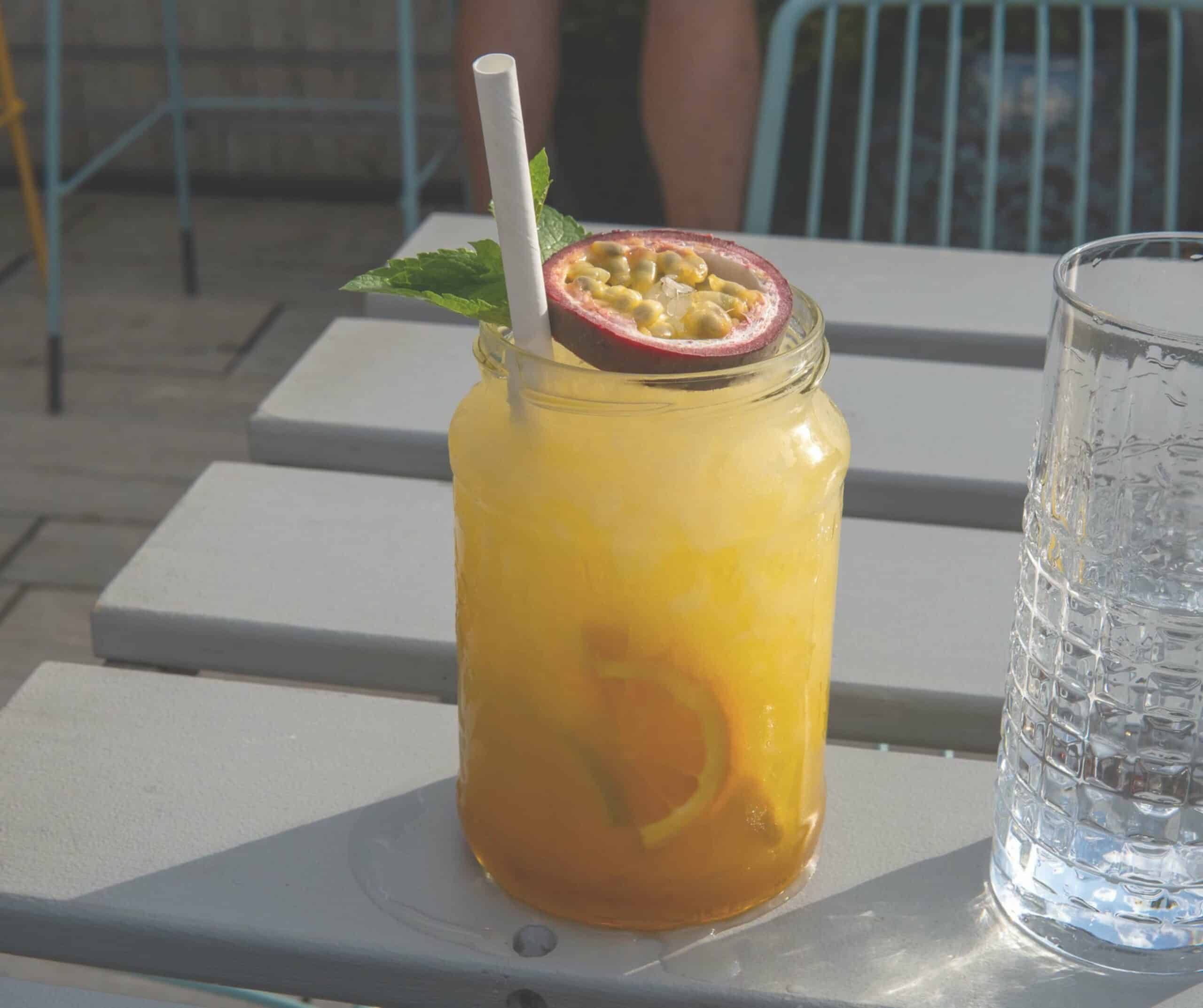
Pay to Swim at a Hotel Pool
Cortile Sky Bar & Pool | Address: Budapest, Dessewffy u. 14, 1066 Hungary
Cortile Sky Bar and Pool is a rooftop bar with a swimming pool on the sixth floor of the Cortile Hotel in Budapest’s sixth district. I know a pool isn’t technically a nightlife thing, but I’m putting it here anyway, because it’s the perfect activity for when a night of drinking catches up with you and the hangover hits. For non-guests, it’s 10,000 HUF, which gets you a welcome drink, a towel, and use of the heated pool.
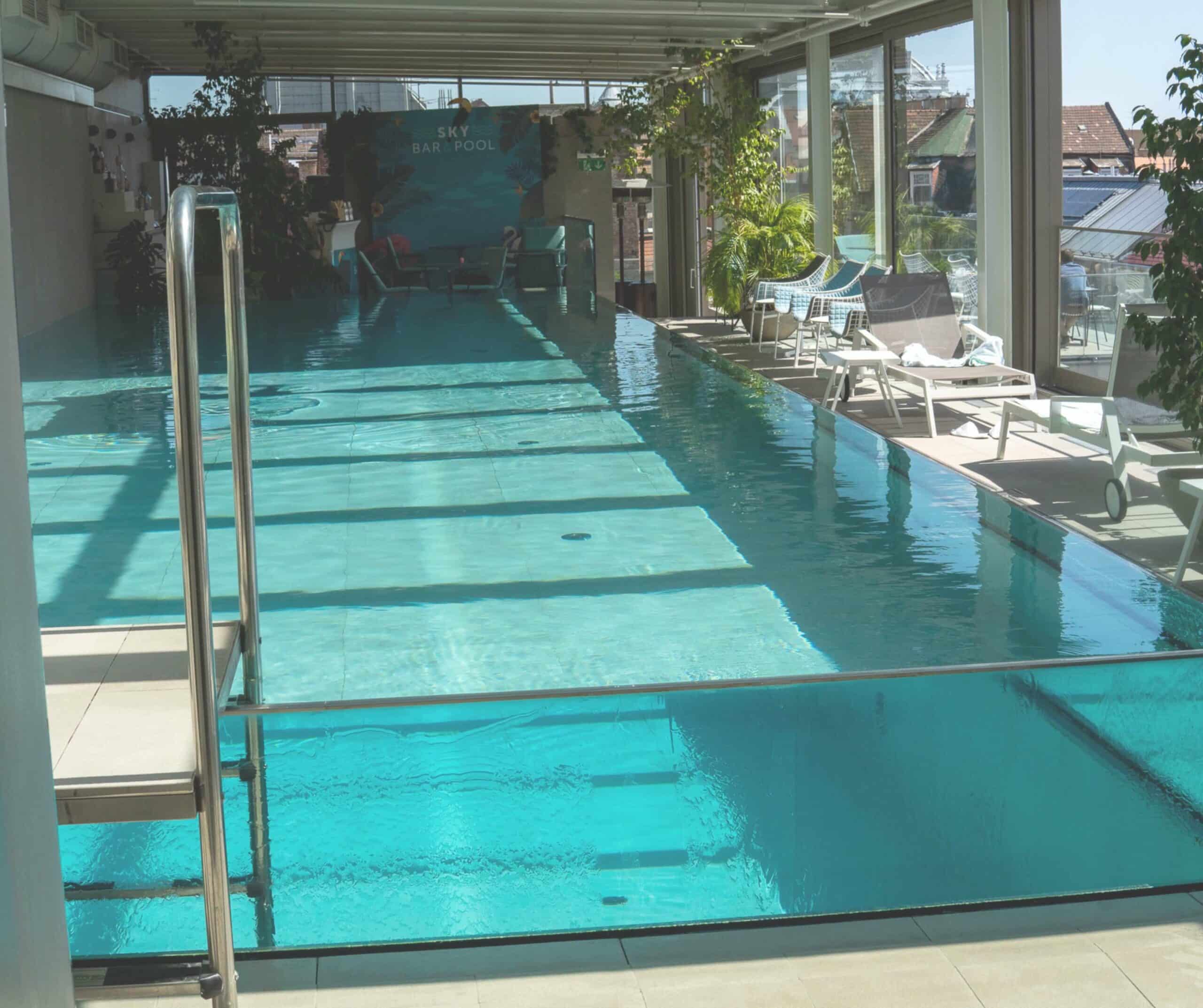
The pool isn’t massive, and it’s covered rather than open-air, which was a small letdown, but man, it was refreshing. There are floaties to borrow too. Out on the terrace there are sun loungers, so after a dip I spent a while sunbathing and sipping.
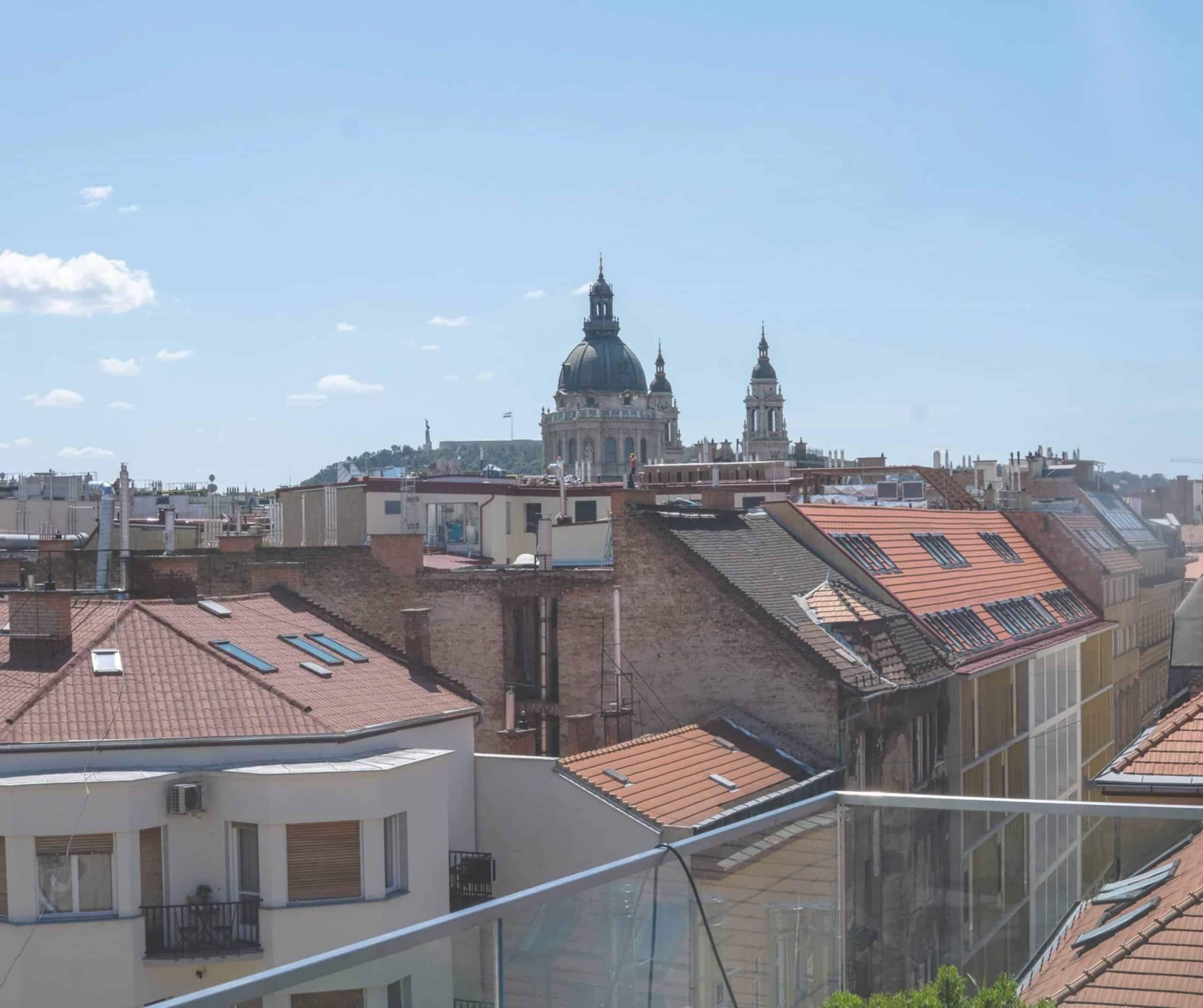
Take in the City Views on a Cocktail Cruise
I’ve already thrown a lot of unique cruise options at you, and this cocktail cruise is another fun one. It’s a 60-minute sightseeing trip on the Danube where you drift past the big landmarks and order a few cocktails while you’re at it.
I thought the drinks were actually pretty good. It isn’t a party cruise unless you make it one, but if you’re heading out afterward, it’s a fun warm-up. It’s the same company as the pizza cruise I mentioned above, so you can do one or the other, or book both like I did.
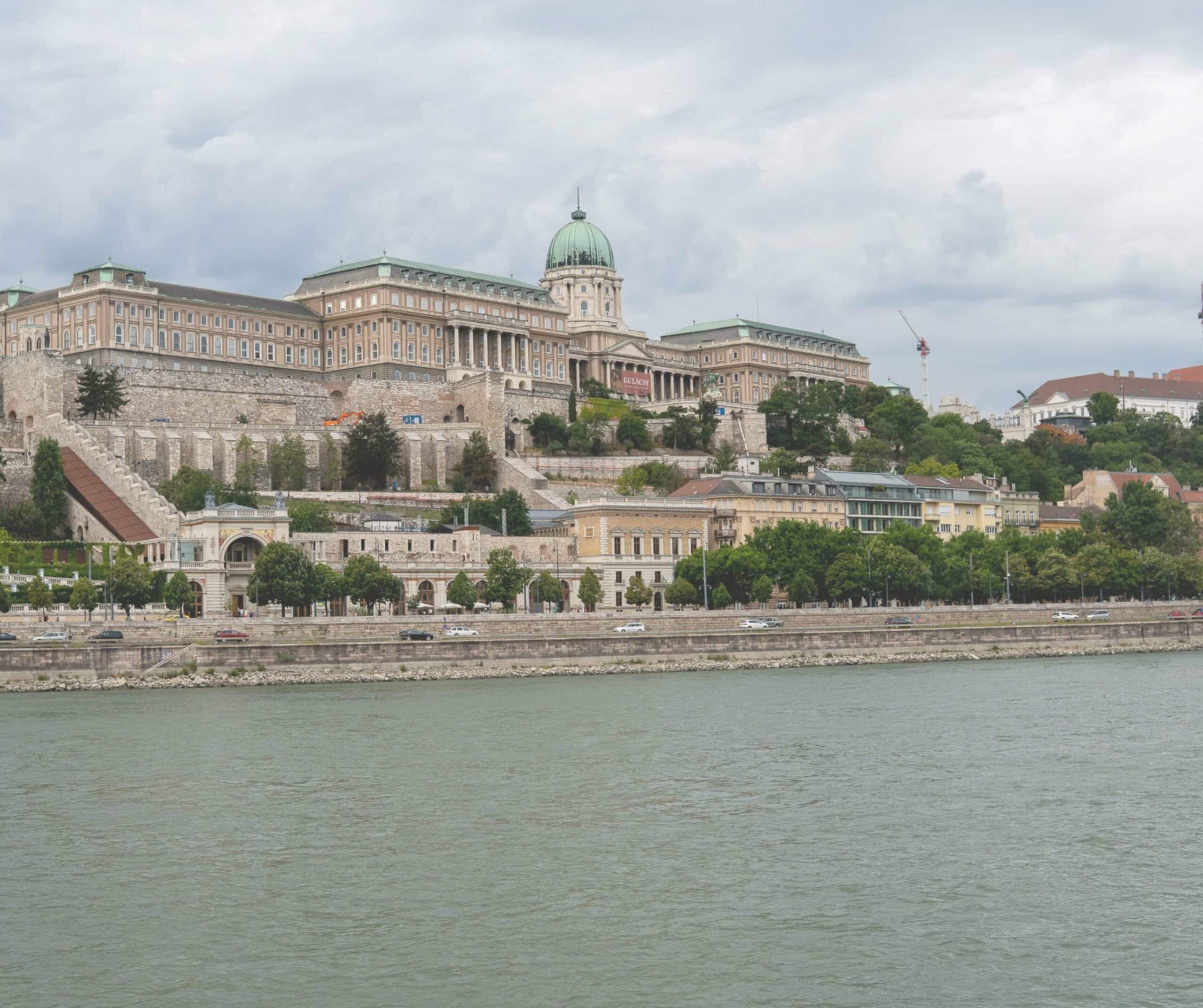
Take an Alternative Pub Crawl
Budapest has so many fun pub crawls, and I even wrote a whole guide to Budapest pub crawls if you want more choices. But here are a couple I really enjoyed.
Bingo Pub Crawl
The Bingo Bar Crawl is one of the best bar crawls I’ve ever taken, a pub crawl through the Jewish Quarter’s ruin bars built around a bingo-style challenge game. When you arrive, the first 90 minutes is an open bar (extra charge), and then everyone gets a bingo card with 25 numbers arranged in a 5×5 grid.
Each number corresponds to one of 75 possible challenges listed inside the card. They range from low-stakes socializing (learn the names of 10 new people) to athletic (build a human pyramid) to the downright weird, but I won’t give too much away.
Every card is different, so no two people have the same set or the same order. Complete a line of five challenges to earn a token. And trust me, they get a lot easier as the night goes on and the drinks continue flowing.
Tokens get exchanged for prizes at the end, such as bottle openers, beer coozies, backpacks, and T-shirts. The person who finishes all 25 challenges wins a free ticket to the next event.
Drunken History Pub Crawl
If you love dark history and a good drink, the Budapest Tipsy Tour is for you! It’s a pub crawl of about three hours with a drink at every stop, where your guide serves up the dark and scandalous stories of Budapest’s past between rounds.
The ice-breaking stage didn’t last long for our group, and soon enough we were all the best of friends. Everyone in our group was solo, which helped.
They took us to some really cool bars, and we played some drinking games along the way. The night wrapped up at a ruin bar, and a few of us carried on to a karaoke bar afterward.
Where to Stay in Budapest
Here are my recommendations on what area to stay in. For first-timers who want to walk everywhere, the fifth district (Belváros) puts you steps from the Basilica, Parliament, and the Danube.
If you’re here for the ruin bars and late nights, the seventh district, the Jewish Quarter, is party central, so light sleepers should pack earplugs or avoid hotels in the area altogether.
And if you’d rather swap nightlife for quiet and hilltop views, the Buda side around the Castle District is calmer and more scenic. Once you’ve picked your area, search below for the best rates.
Hidden Gems in Budapest: FAQs
Is Budapest worth visiting?
Absolutely. Budapest is beautiful, affordable by Western European standards, and packed with thermal baths, ruin bars, and some of the best food in Central Europe. What makes it special is how much there is to do beyond the obvious sights. The more you dig, the better it gets, which is exactly why I keep going back.
How many days do you need in Budapest?
You need at least three to four days in Budapest to cover the major sights and still have room for the offbeat stuff. If you want to slow down and really explore, give yourself five days or more. Budapest rewards taking your time.
What is the best time of year to visit Budapest?
The best time to visit Budapest is late spring (May and June) or early fall (September and October), when the weather is mild and the crowds are thinner. Summer is lively but hot and busy.
Winter has its own magic, especially in December when the Christmas markets are running and the city is lit up. Keep in mind, a lot of the outdoor stuff closes in winter, so check schedules for certain attractions before your visit.
Is Budapest expensive?
Budapest is not expensive, especially compared to Western Europe. Meals, drinks, museums, and public transport are all reasonably priced, and a lot of the best things to do cost very little or nothing at all. It’s one of the more affordable capital cities in Europe, though prices in the touristy parts of the seventh district have crept up in recent years.
What currency do they use in Budapest?
Budapest uses the Hungarian forint (HUF). Cards are widely accepted, which is what I used most of the time, but it’s always smart to carry some cash with you.
Is Budapest safe for tourists?
Budapest is a very safe city for tourists, and I’ve always felt comfortable walking around, even at night. The main thing to watch for is petty theft like pickpocketing in crowded areas and on public transport. I’d also avoid unofficial taxis and stay a little cautious in the busier nightlife districts, where overcharging scams do happen.
How do you get around Budapest?
Budapest has an excellent public transport network of metro lines, trams, and buses. The M1, the oldest electrified underground line in continental Europe and a UNESCO World Heritage Site, and the scenic Tram 2 along the Danube are worth riding just for the experience. Most central sights are walkable, and a Budapest Card covers public transport plus discounts on a lot of attractions.
Planning a trip to Budapest? Check out these articles!
10 Fun Pub Crawls in Budapest
8 Wonderful Cooking Classes in Budapest
Was this article helpful to you? Well, go ahead and save it by pinning it so you can reference it later on.
Travel Resources
First off, if you want to browse all my favorite travel resources, check out my Travel Resources page.
Trip Planning: I have put together the ultimate trip planning guide that will walk you through everything you need to know to plan your perfect trip.
Book your Flight: Check out Momondo! They are my go to for booking flights. Airfarewatchdog is also a favorite of mine. I get notified by email every time there is a good deal from my local airport. WayAway is also a good option. They list mistake fares so many times, you can get an international ticket for as little as $300!
Book your Transportation: Busbud is usually where I check first. They check hundreds of different transportation companies all over the world and find you the best bus deal. Flixbus is one of my favorite cheap options for Europe. The buses generally aren’t too bad, and they go to most countries around Europe. It’s the perfect option for short distances. Train travel is my favorite mode of transportation, and I always use Rail Europe to book my tickets. If you need a transfer from the airport or if you are going somewhere where transport is limited (like a festival in the middle of nowhere or even a day trip) Welcome Pickups is a great option. I have used them on multiple occasions, and you can book a ride 5 hours in advance!
Book your Accommodation: My number one is Booking. If you book enough hotels from them, you can get huge discounts and perks like free breakfast and room upgrade. On a budget and looking for cheap accommodation? Hostelworld is my preferred site to book cheap and reliable hostels. Hotwire has a fun mystery to it. It’s a great site to use for last-minute bookings. They don’t actually tell you the name of the hotel when you are browsing. You will just get the area of the city it’s in, the price, and how many stars it has. I love the surprise aspect of it! Traveling to Asia? Agoda is the best accommodation booking site! If you are traveling with a big group, Vrbo is a good option. They have a huge selection of vacation rentals. Hotellook allows you to compare hotel prices around the world, so you can find the best deal!
Book your Travel Insurance: Getting travel insurance is such a crucial part of preparing for a trip. You never know what could happen, and why take the risk? Before I travel anywhere, I always book my insurance through Visitors Coverage.
Book your Activities: Now, you have planned all the logistics, time to think about what you will do once you get to your destination! These are a few of my favorite trip planning sites. I always use Get Your Guide and Viator when I am looking for tours. If you are traveling to Asia, Klook is widely used to book activities. Go City sells tickets to top attractions for up to 65% off. Eat With allows you to book dinners or cooking classes with local families. If you enjoy self-guided walking tours, We Go Trip has audio guides you can download. Big Bus Tours offers open-top sightseeing tours.
Store Your Luggage: Do you have a long layover or a late flight and need to store your luggage? Radical Storage has got you covered.
Get an eSim: Airlalo has been an amazing way for me to stay connected on the road. They have eSims in 200 countries and set up is super easy.
Marika is a clumsy traveler with a passion for discovering what makes each destination unique, unconventional, and a little weird. She has autism, ataxia, and ADHD, which means travel doesn’t always look the same for her as it does for everyone else. But she’s here to prove that having limitations doesn’t mean you can’t explore the world and have incredible experiences. For her, the best version of a place is rarely in the guidebooks, and that’s what you’ll find on Clumsy Girl Travels.
Great list! I hope to visit Hungary in 2020 and this list will definitely come in handy! Also, thanks for sharing the resource “Like A Local”!
First time I’ve read one of your blogs. You go, girl! Well done on taking the step to make the best of yourself and life! This blog post makes me want to book a flight to Budapest right now!
I loved Budapest! These suggestions are great for my next visit to the city!
Thanks for sharing this and keep on traveling my friend!
Omg I love all of these suggestions!! I did a caving tour too and LOVED it! Those baths look incredible, I was trying to choose between two and chose Szechenyi which I loved, but it’s interesting to see you preferred one that I’d never even heard of! :) That soup looks amazing too, I could eat that every day haha. And a beer spa??? Sounds like a waste of beer to me, but I’ll try anything once! Hahaha.
This is such a great post. That library is unbelievable! Reading this really makes me want to go back and do some more exploring/bathing. Hilariously, I still have a bottle of Unicum from my last trip in the cupboard. Strangely no one ever drinks it.
Well, it does have a very bitter and medicinal taste so I can’t say I blame them haha. I love it! It’s great for digestion.
Looks like I’m going to have to plan another trip to Budapest! I love learning about new hidden gems.
Same! I always look for hidden gems when I travel.
Thank you for your fun and beautifully written article about hidden gems in Budapest. We are traveling there tomorrow as a family and your suggestions will be duly followed: beer spa is in, Karavan, Bors definitely, hopefully the library. I am IT pretty illiterate but I am keeping your blog (?) or website for future reference. We currently live in Albania, if you are planning to visit please shoot an email. This is the only way I have found to send you this little message
Glad it was helpful! I would love to visit Albania one day!
So many interesting things to do in Budapest. I would love to visit the city someday, hopefully, once the boarders reopen!
Yeah, Budapest is an absolutely fantastic city! I would love to go back again.
Ummm…what is that craziness about the Hungarian mafia??? I am Hungarian, and lived in Budapest for almost 30 days. Cab companies are privately owned, there are at least 4 major ones. This would be a way better guide without sharing “myths” mixed with facts.
This is what the locals have told me. Only a cab driver in the mafia would be offended by this.