
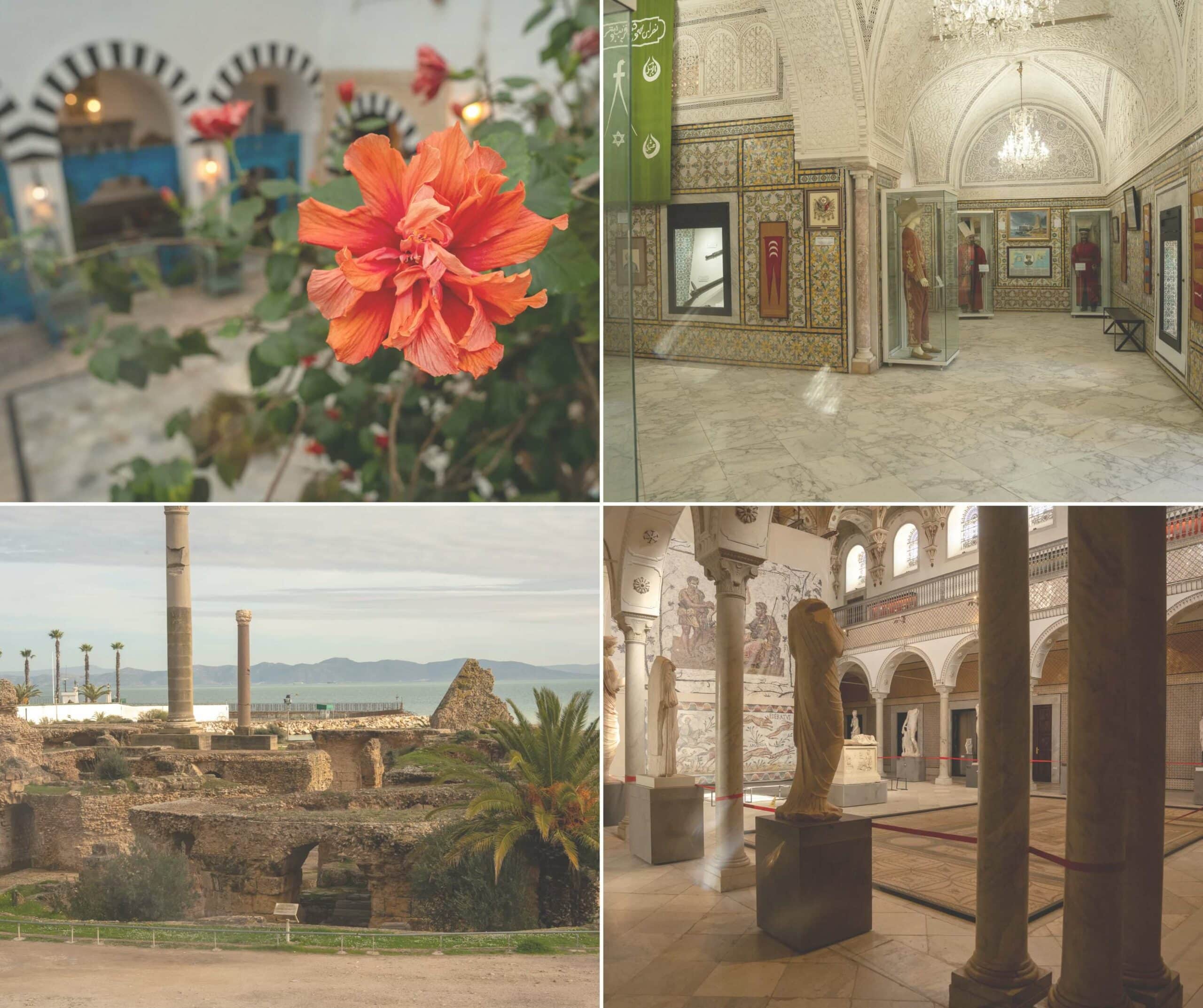
I had the chance to spend a couple of days in Tunis before heading off on a tour to Libya, and honestly? I’m dying to go back. The city is packed with Roman ruins and stunning mosaics. Of course, two days isn’t nearly enough time to properly explore any city, but since I’m a bit of a museum nerd and Tunis has some fascinating ones, I decided to try to visit as many as I could.
And I was successful! I’ve organized this list starting with my favorites and working down to the ones you can skip if you’re pressed for time. Basically, the first 4 on this list are worth a visit. The last 3 were okay, but nothing special, and you definitely shouldn’t go out of your way to see them.
I mention this a lot in my article, but many of the museums don’t have English text, except Bardo and some of the Carthage ruins. If you really want to get the most out of your museum visits, especially with the more popular museums, I recommend booking a tour. I listed a few below. I had a friend book a tour that included Bardo and Carthage, and she said it was great!
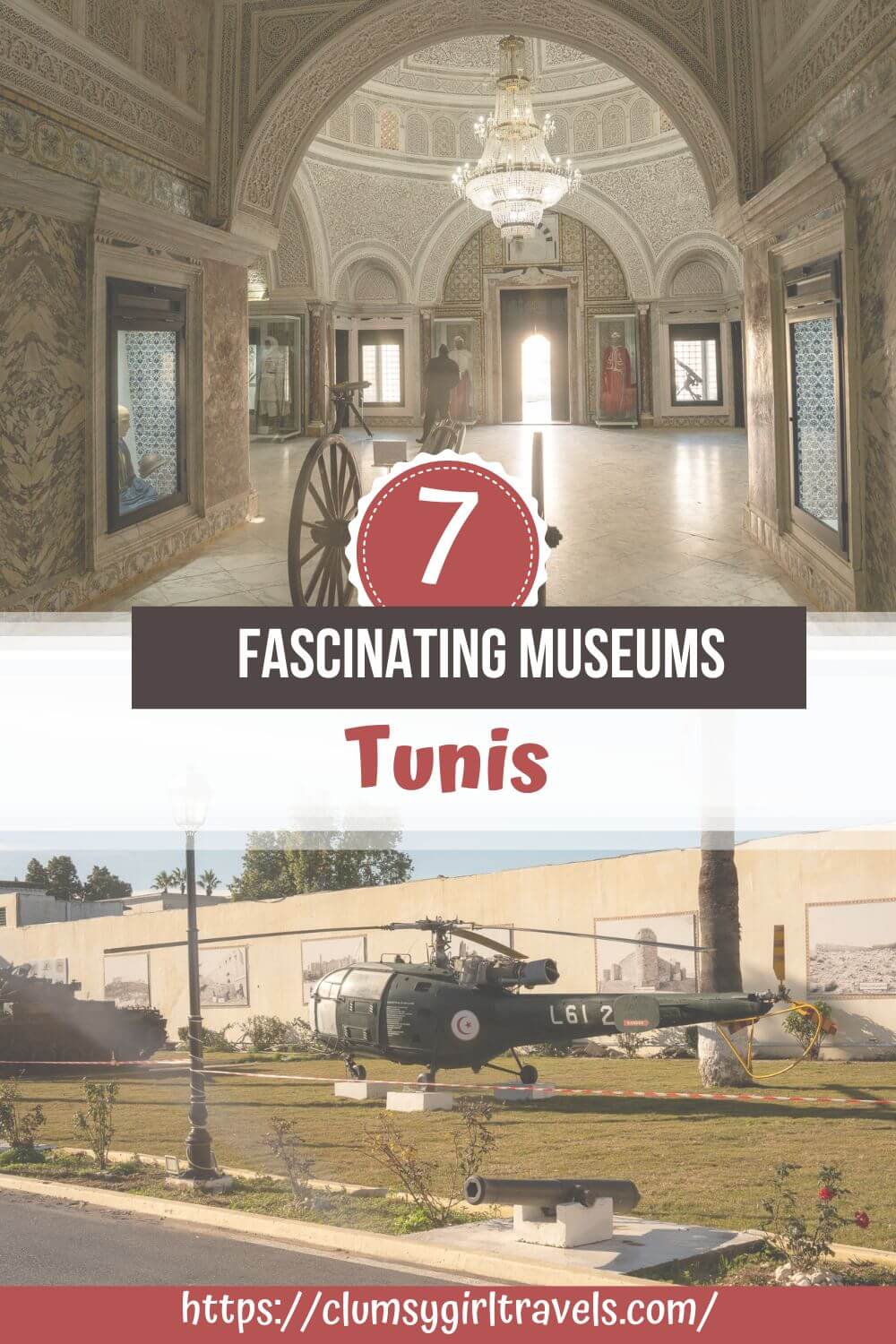
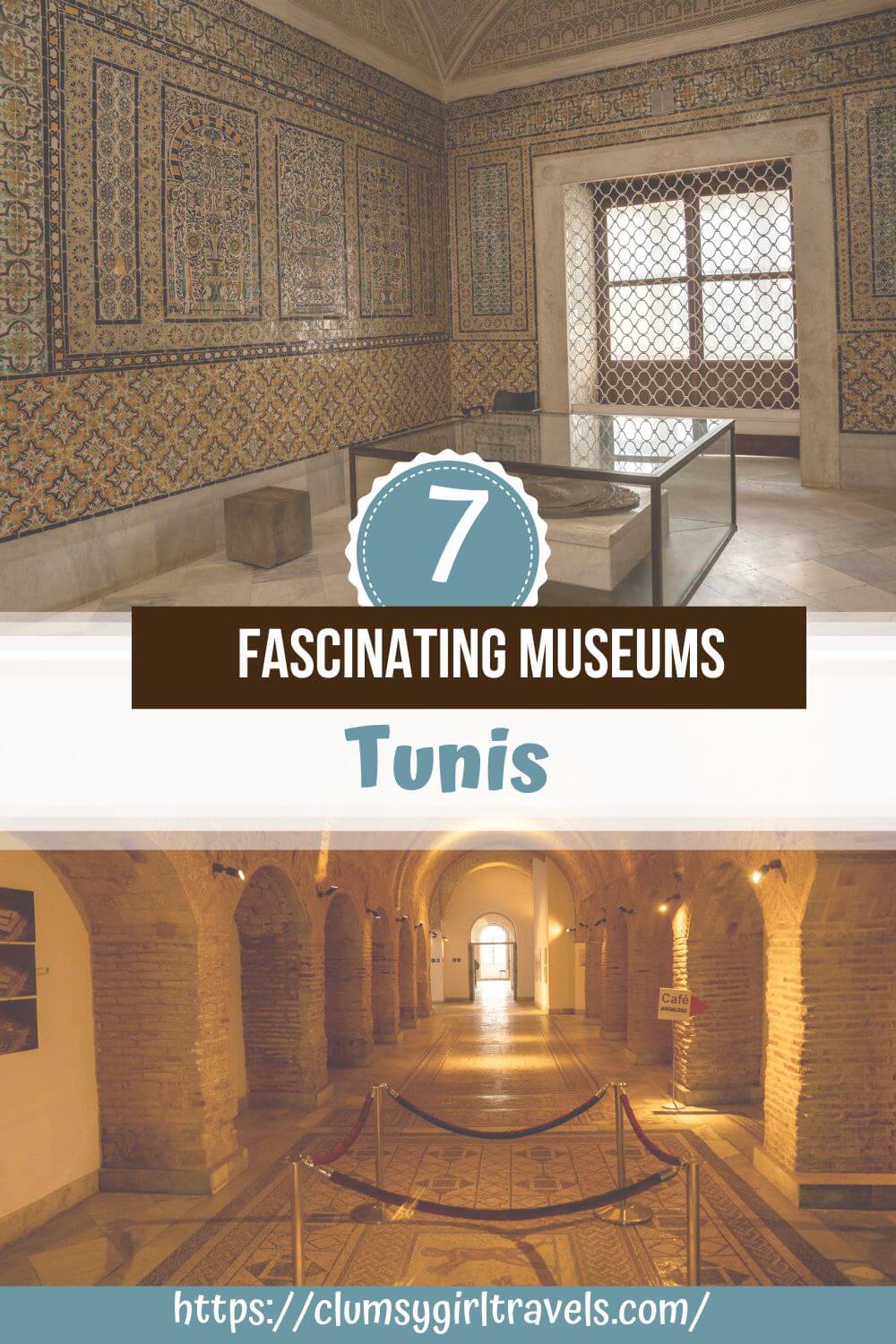
7 Fascinating Museums in Tunis, Tunisia
Dar El Annabi
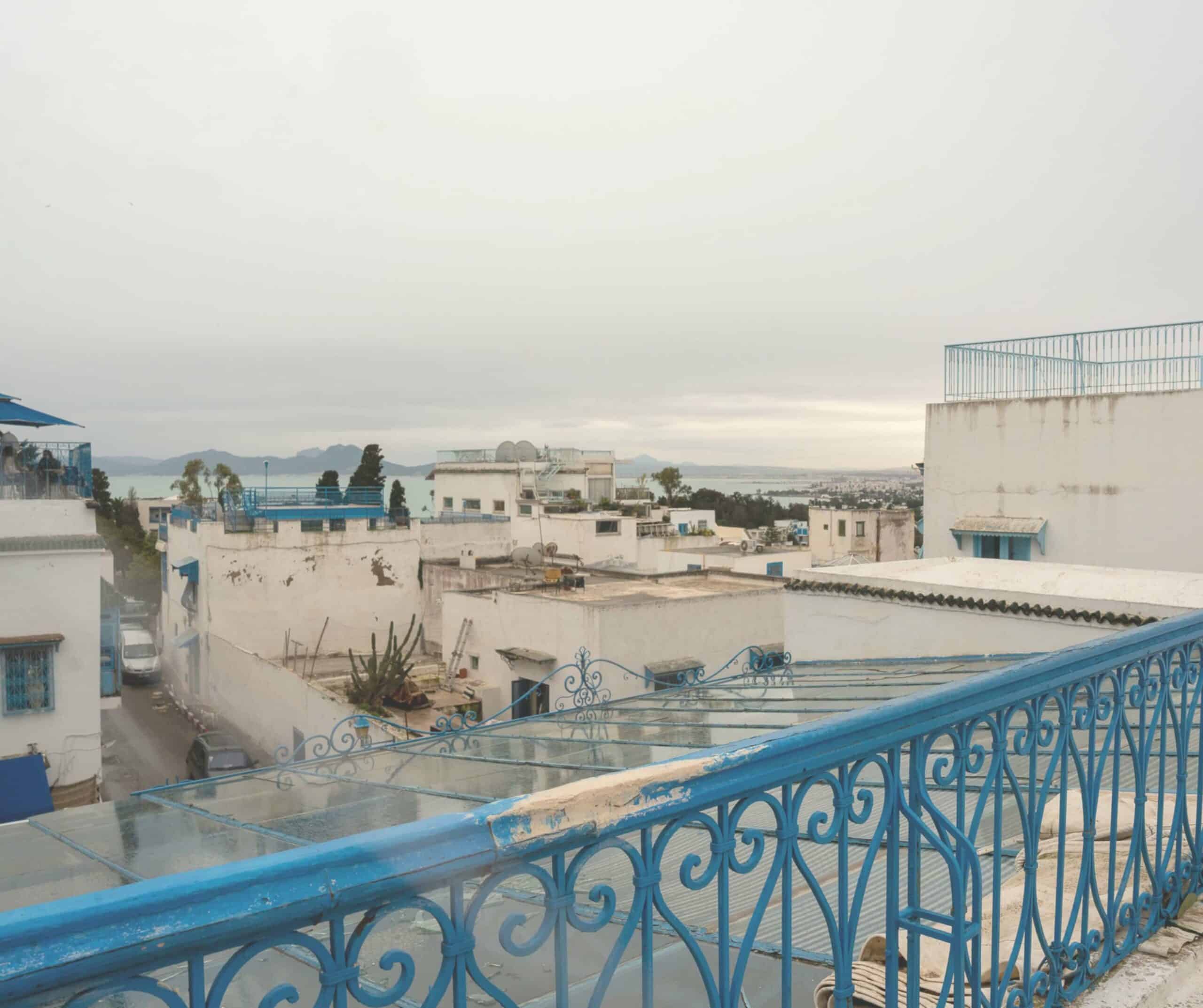
Dar El Annabi was my favorite museum in the city. It’s a gorgeous traditional mansion tucked away in the medina of Sidi Bou Said, just outside Tunis. The house dates back to the 18th century and belonged to a wealthy Andalusian family who settled in Tunisia after being expelled from Spain. The name “Annabi” refers to the family that owned it.
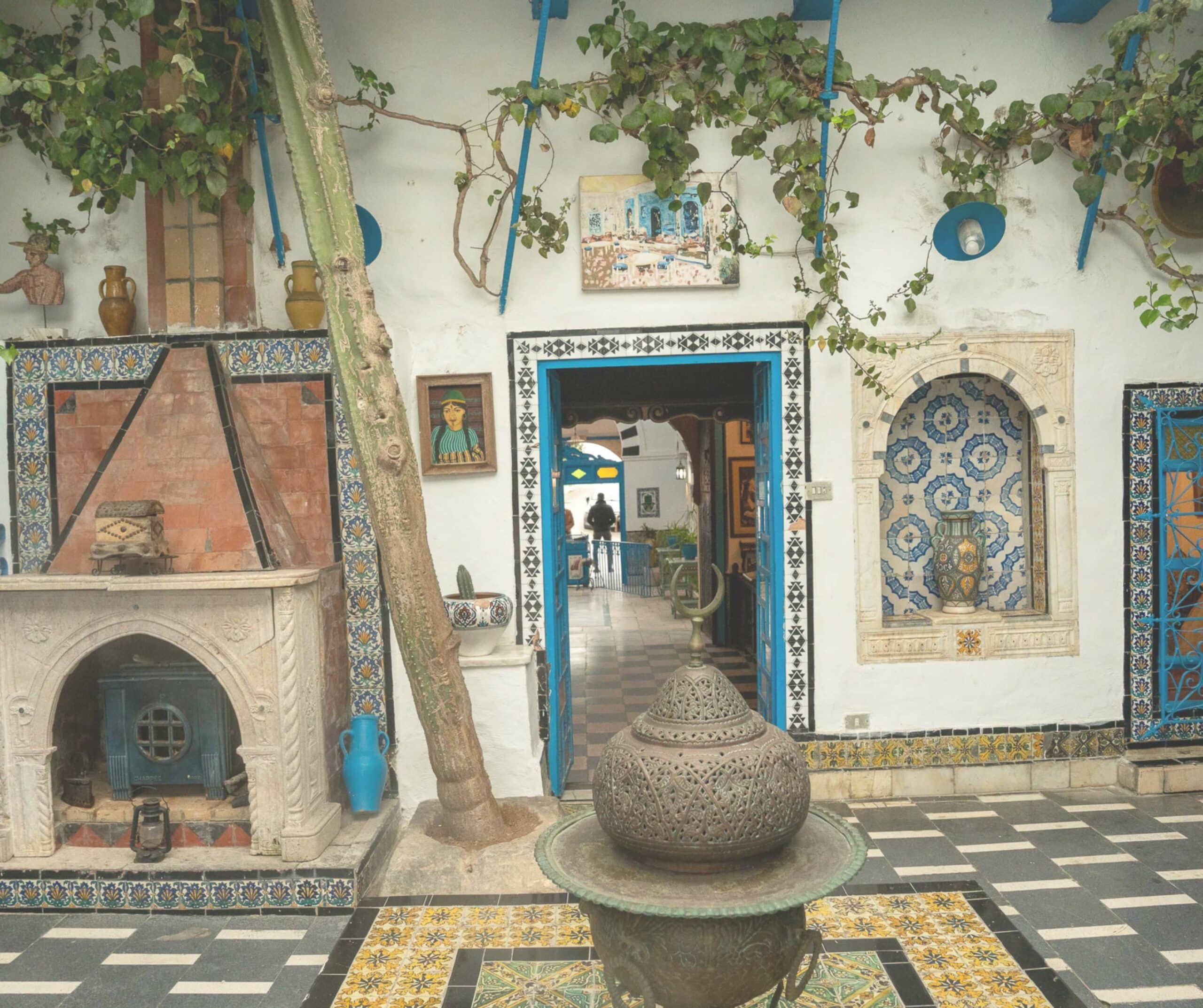
This was honestly one of the prettiest house museums I have ever visited. The entire place reflects the blend of Andalusian and traditional Tunisian influences. It’s in the ornate stucco work, the way the rooms are arranged around the central courtyard, and the blue and white color schemes that became common in Sidi Bou Said.
The Annabi family would have been pretty well-off merchants or officials, which is why the house is so elaborately decorated. Each room has been preserved to show different aspects of upper-class Tunisian life.
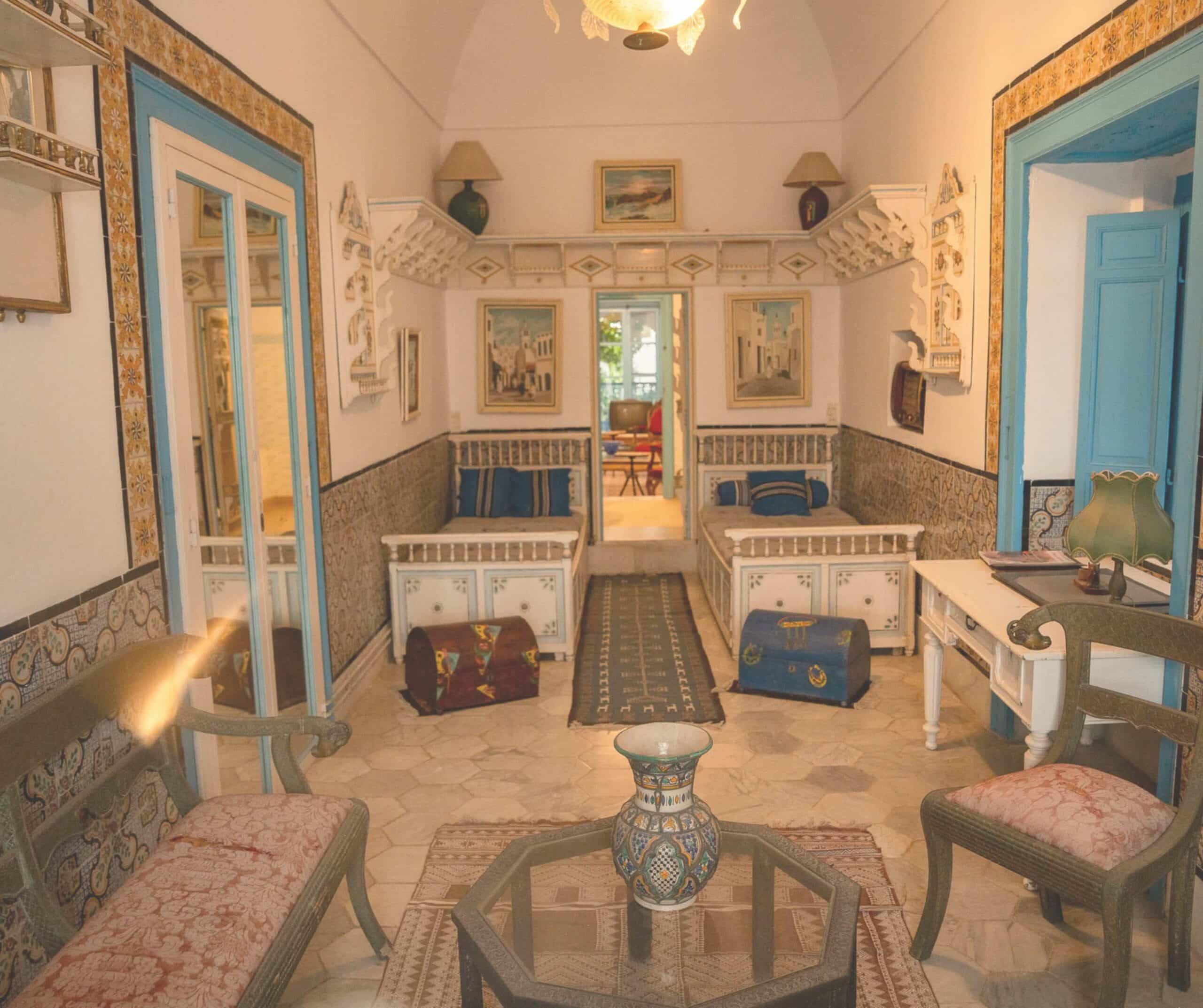
There are separate quarters for men and women, formal reception rooms where the family would have entertained important guests, and private family spaces. Each room is filled with original furniture, traditional clothing, ceramics, and household items.
The architecture is gorgeous, with a central open-air courtyard serving as the heart of the home. All the rooms open onto it, which kept the house cool during those Tunisian summers. There are intricate carved wooden ceilings, colorful ceramic tiles covering the walls in geometric patterns, and beautiful wrought-iron window grilles that let light filter through while maintaining privacy.
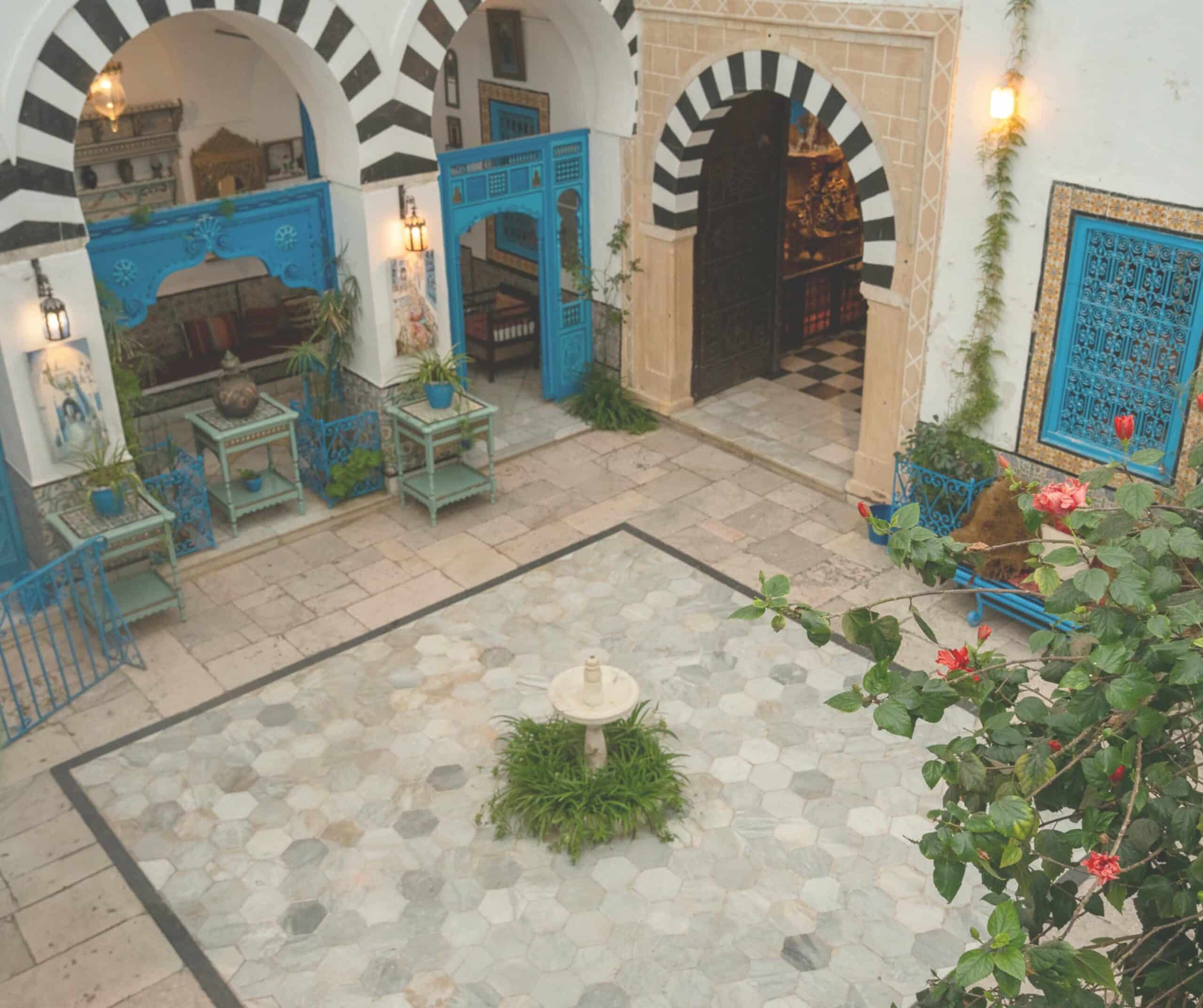
Sidi Bou Said was a retreat for Tunis’s elite. The village attracted artists, writers, and wealthy families who built these stunning villas overlooking the Mediterranean, and Dar El Annabi gives you a look into what life was like for these families.
There is also a great view from the top, so make sure you climb those stairs and check it out!
Bardo Museum
The Bardo Museum holds one of the most impressive mosaic collections I have ever seen, and it’s a must-visit if you’re in Tunis. The museum is housed in what used to be a Hafsid palace in the 13th century, though what you see today is mostly from the 19th century, when the Ottoman beys who ruled Tunisia renovated and expanded it.
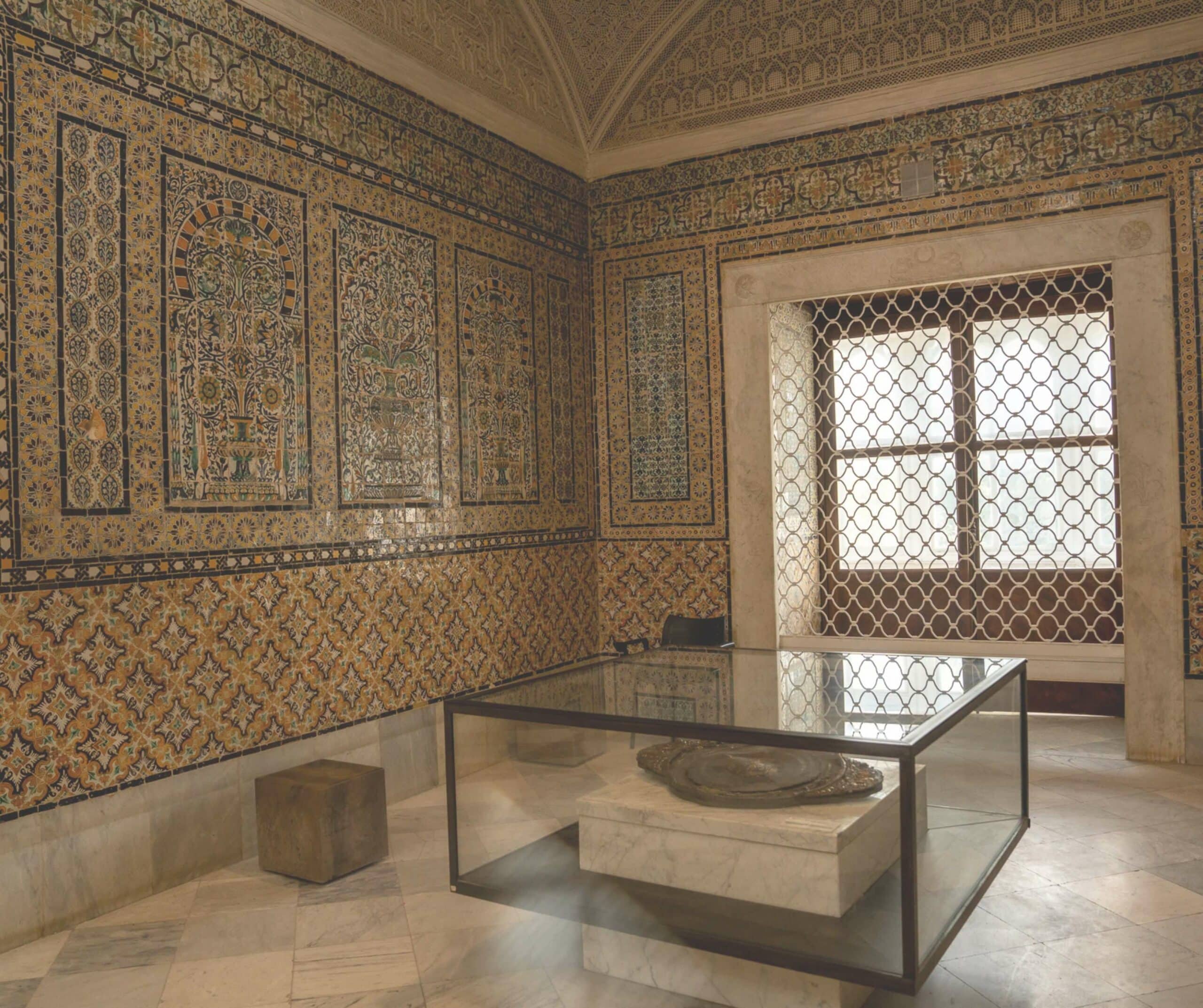
The last bey lived here until Tunisia gained independence in 1956. After independence, the Tunisian government decided to transform the palace into a national museum.
I should warn you that the Bardo Museum is massive. I spent a solid 4 hours walking around, and whenever I thought I had seen it all, a new room appeared. It felt like it was never-ending, but I did enjoy wandering around seeing the incredible collection of Roman mosaics.
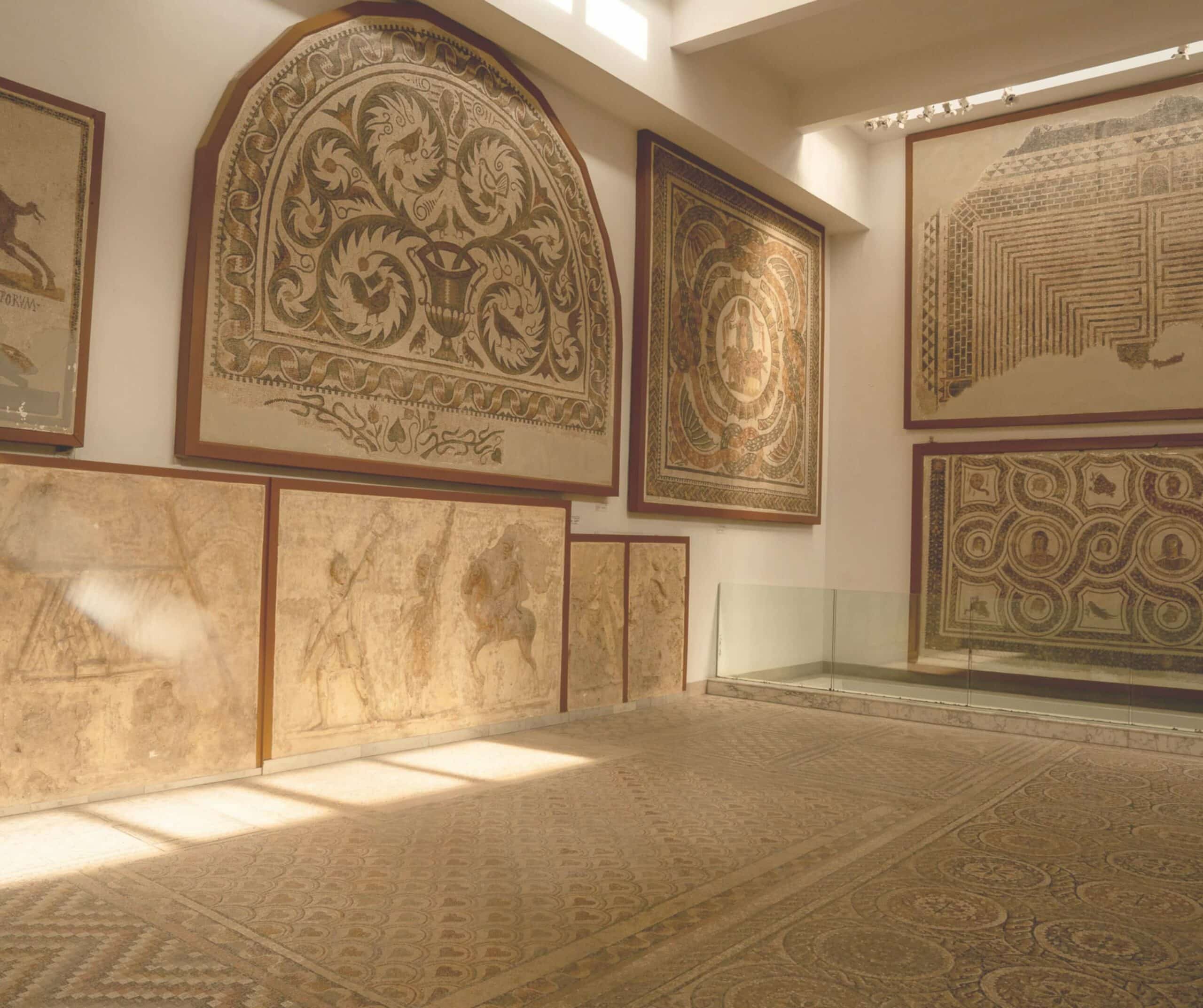
They actually have the largest and most extensive collection of Roman mosaics anywhere in the world, and that is because Tunisia was incredibly wealthy during the Roman period. It was the agricultural powerhouse that fed the empire, producing massive amounts of grain, olive oil, and other goods. All that wealth meant that rich families were building extravagant villas and public buildings decorated with elaborate mosaic floors.
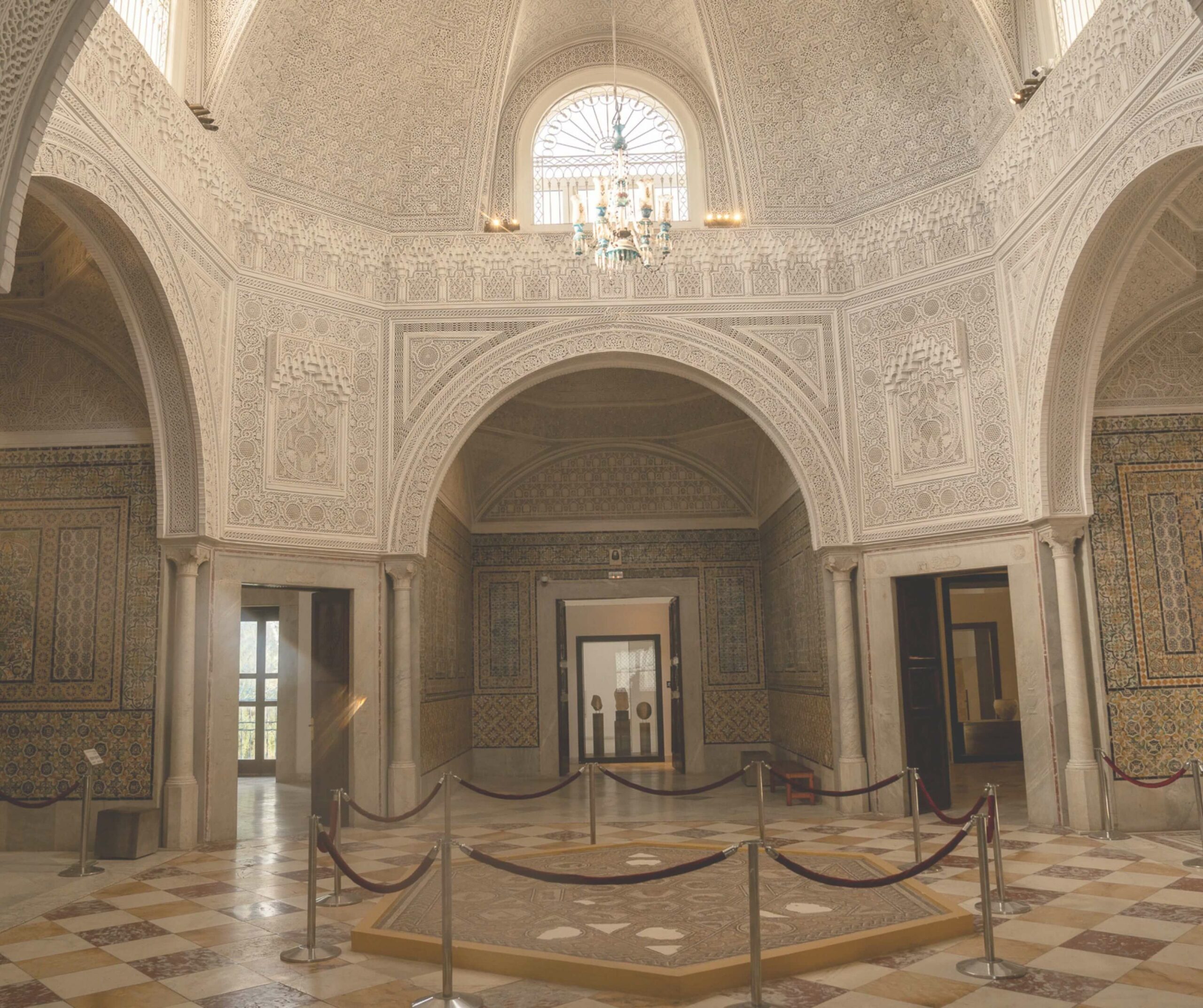
When French archaeologists started excavating Roman sites across Tunisia in the late 1800s and early 1900s, they uncovered these mosaics by the hundreds. Some of them are so well-preserved for being nearly 2,000 years old.
The most famous one is the Virgil mosaic, showing the poet sitting between two muses, but there are hundreds of others depicting everything from Neptune rising from the sea to gladiatorial combat to scenes depicting daily life.
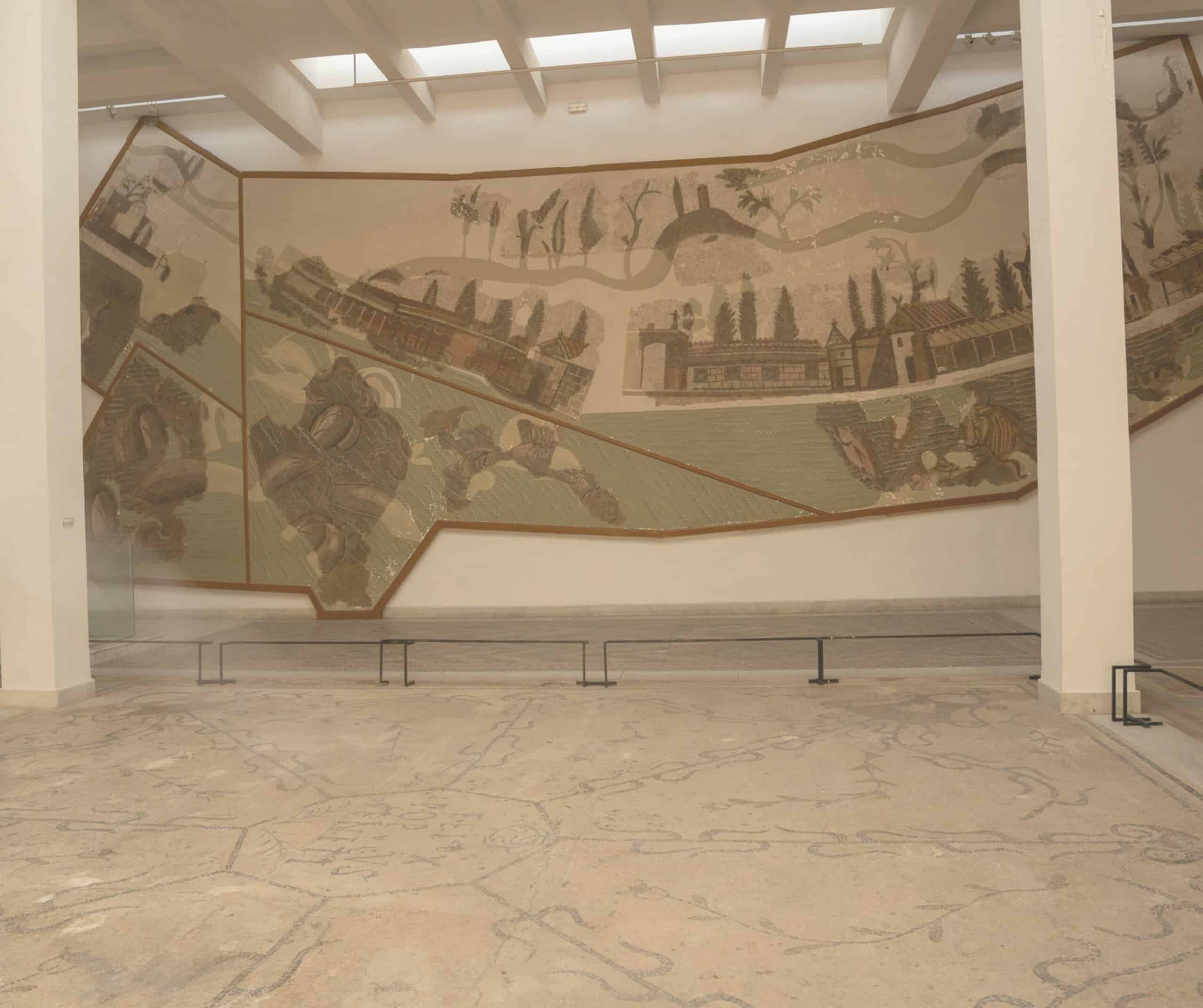
The museum covers the entirety of Tunisian history, starting with prehistoric tools and pottery, then moving through the Punic period when Carthage dominated the western Mediterranean.
Beyond the mosaics, there are marble statues of emperors and gods, bronze figurines, glassware, and coins. The early Christian and Byzantine periods are well represented too, showing how Tunisia transitioned as Christianity spread and then as the empire declined. You’ll see Christian mosaics with fish symbols, crosses, and biblical scenes.
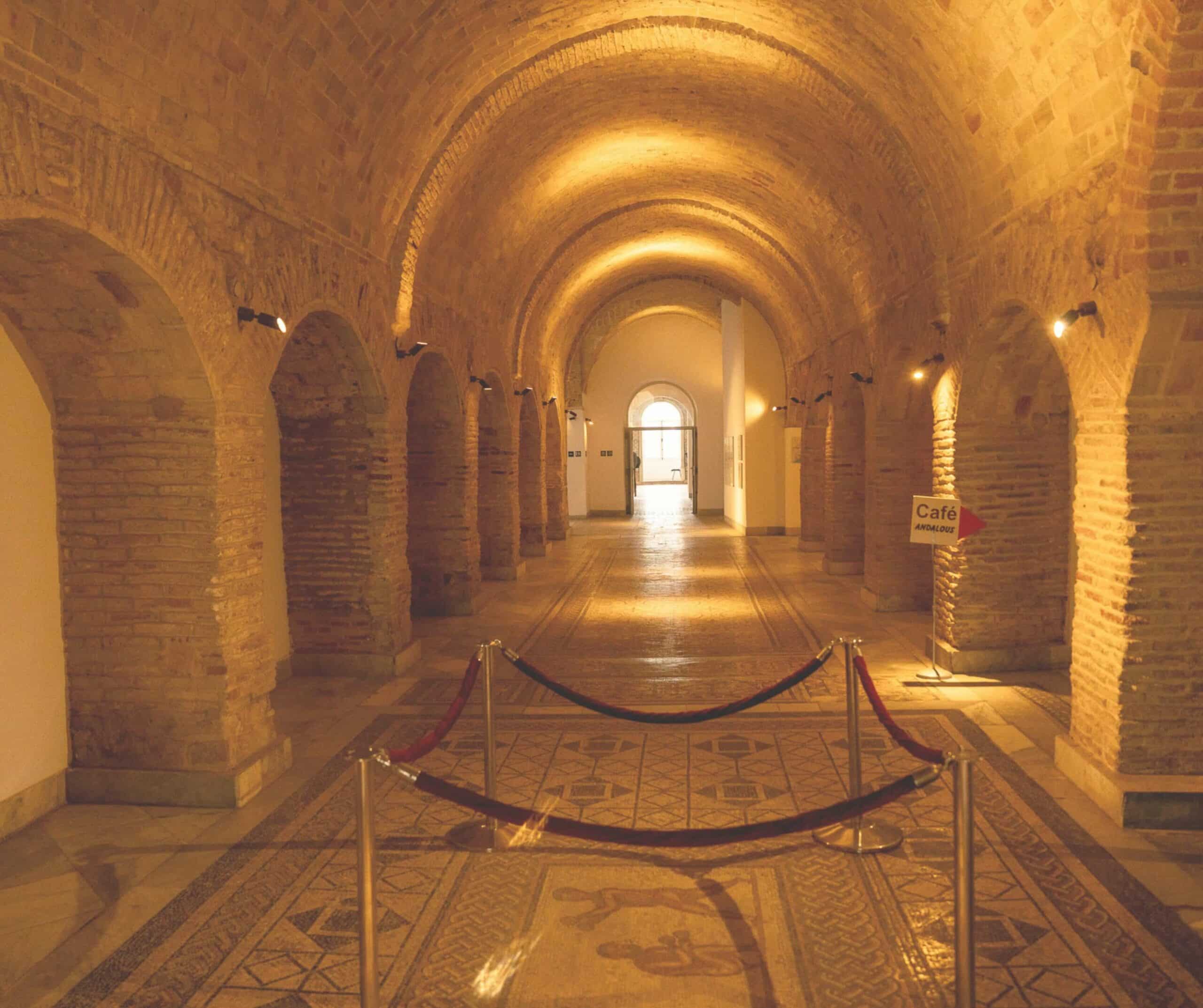
One thing that’s important to mention is the museum was tragically the site of a terrorist attack in March 2015 when gunmen killed 22 people, mostly European tourists. It was devastating for Tunisia, a country that depends so heavily on tourism and prides itself on being welcoming and safe. But the museum was carefully restored and reopened, and there’s now much stronger security.
Visiting the museum usually takes at least two or three hours. If you want to really absorb everything, you could easily spend an entire day here. It does get packed with tour groups, especially midday, so arriving right when it opens or later in the afternoon gives you more space to explore.
I highly recommend visiting even if museums aren’t normally your thing. The sheer scale and artistry of these mosaics is remarkable. Tickets were about $4 when I visited.
Since Bardo is so big, I recommend doing a tour. There were moments during my visit when I wished I had a guide to explain certain mosaics. There was text, but it would have been nice to get additional information and ask questions.
I will list a few tours below:
The National Military Museum
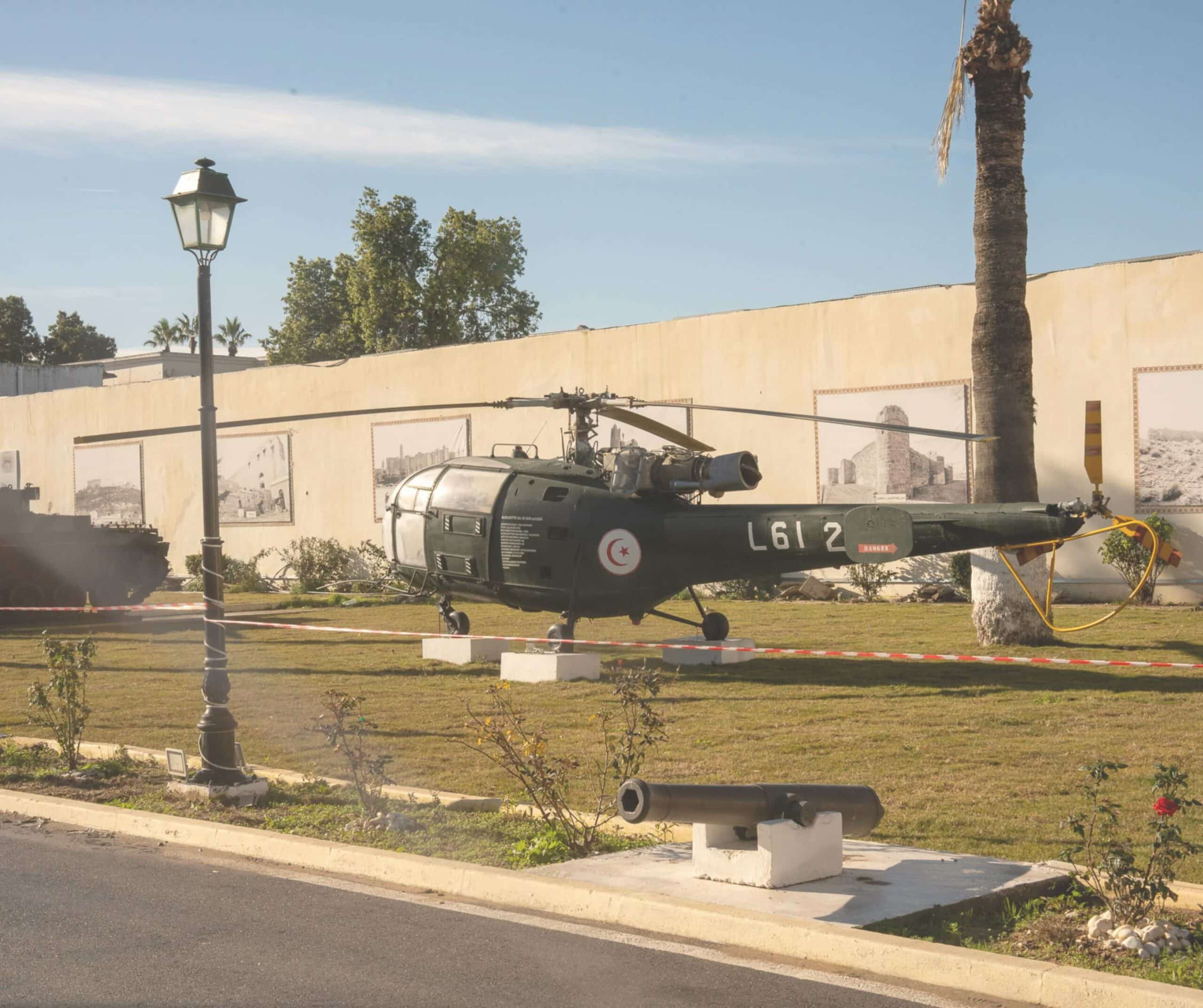
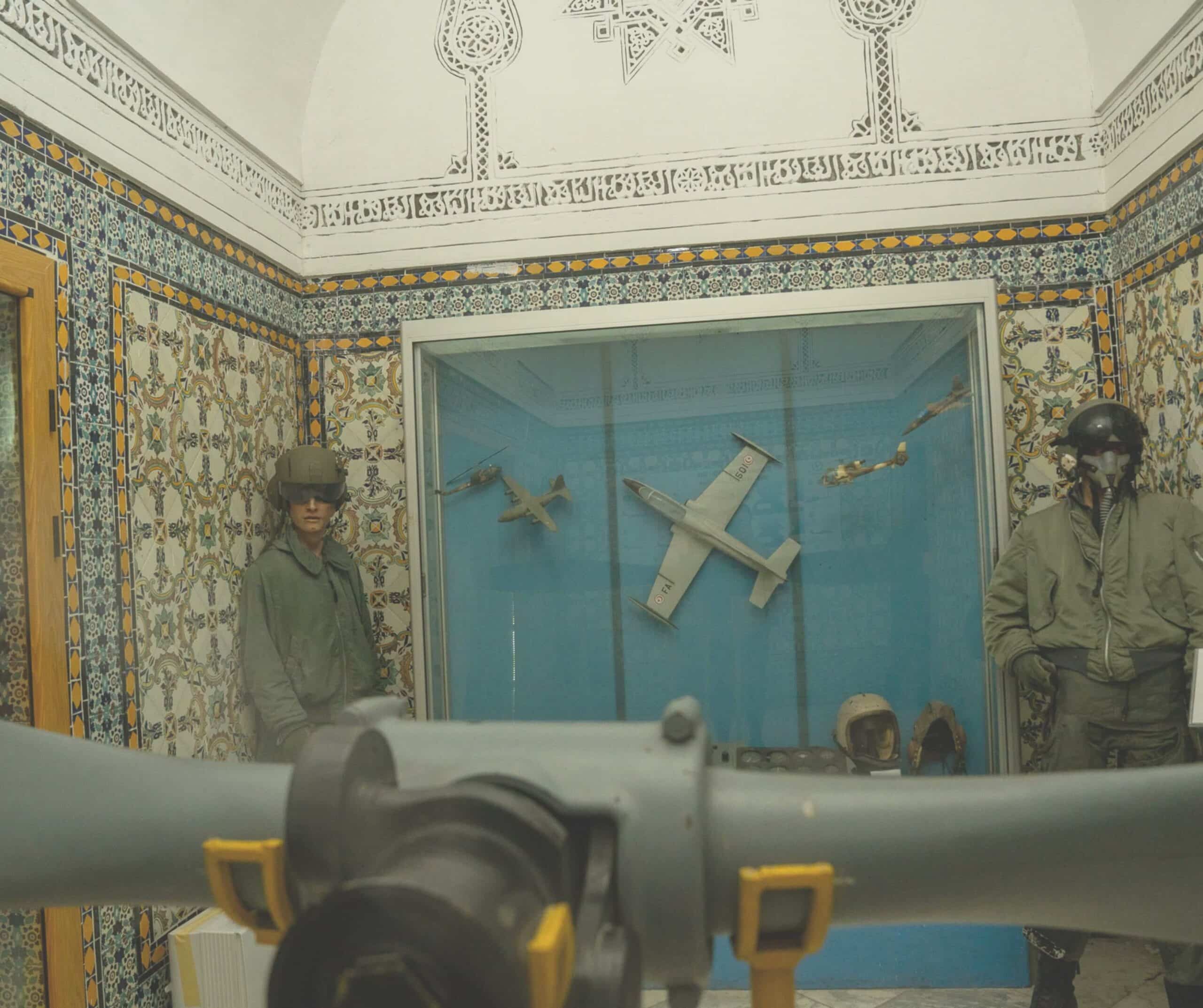
The National Military Museum gives you a fascinating look at Tunisia’s military history spanning several centuries. It’s housed in part of an old Ottoman military barracks. The building itself has been a military site for ages, where soldiers trained and lived.
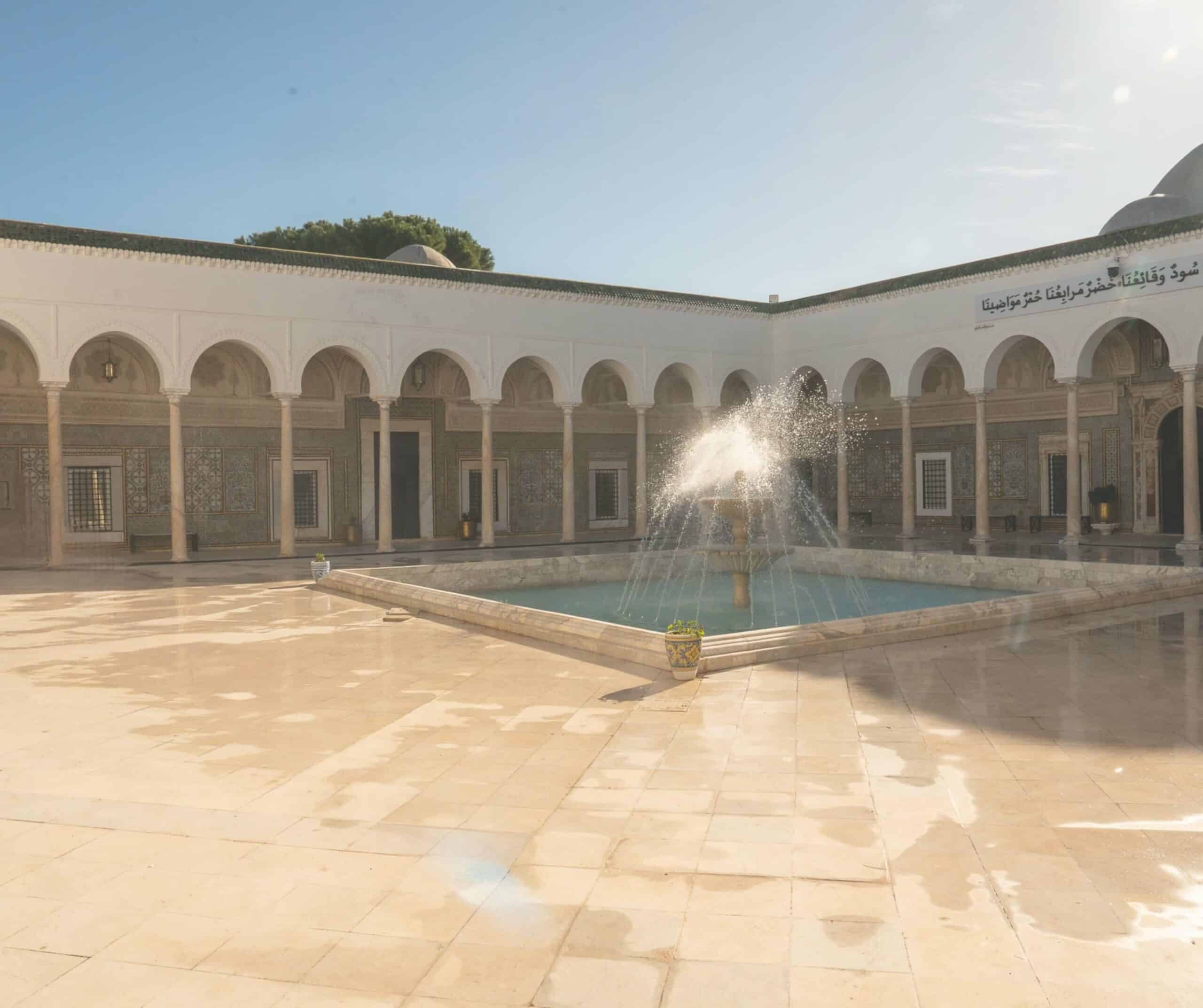
The museum traces Tunisia’s military history from the pre-colonial era right through to independence and beyond. A big chunk of the collection focuses on the struggle against French colonial rule. You’ll see weapons, uniforms, photographs, documents, and personal items belonging to resistance fighters and nationalist leaders who pushed for freedom.
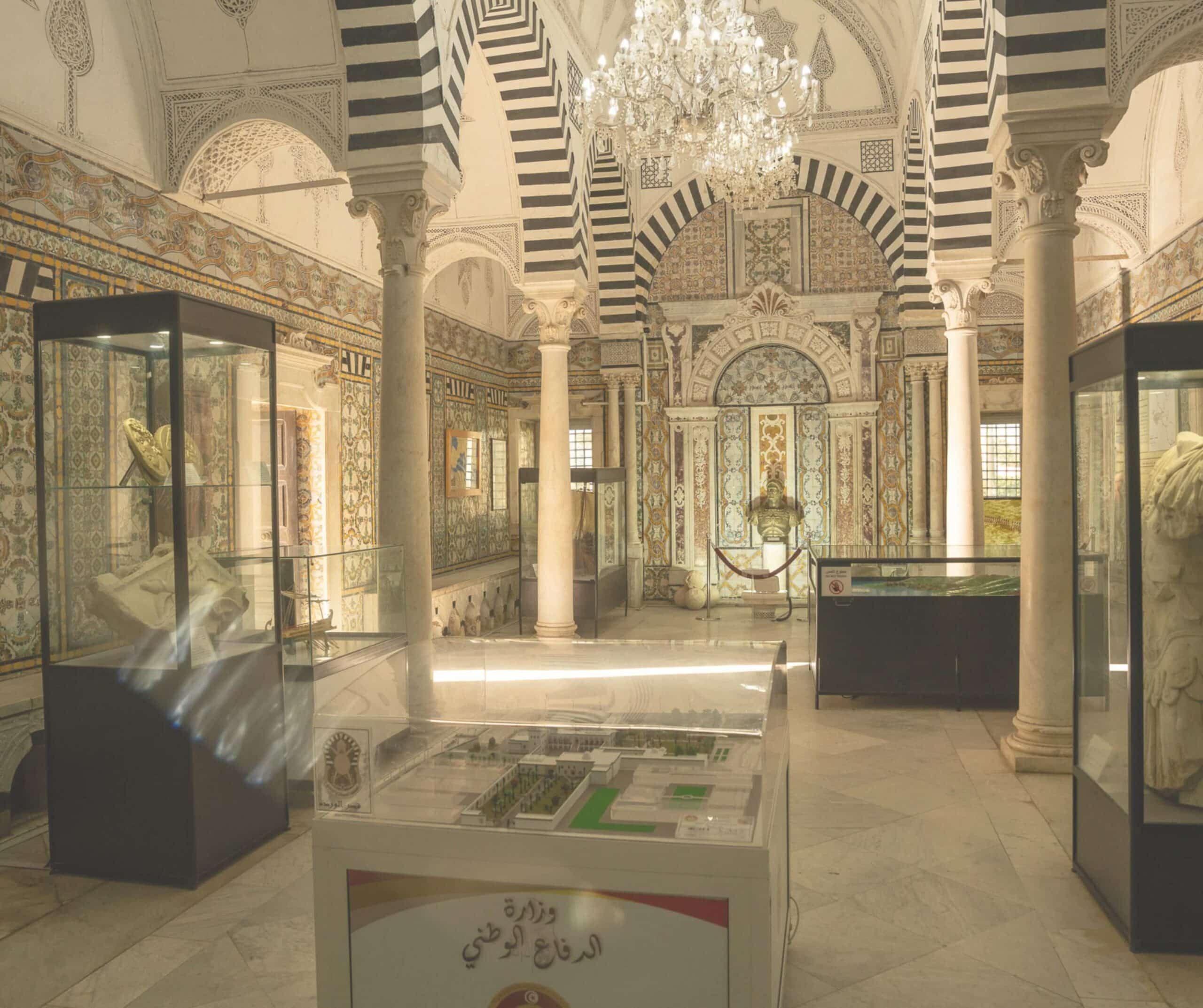
There is also info on Tunisia’s role in both World Wars. During World War II, Tunisia was a major battleground between Allied and Axis forces. The museum has military equipment, medals, and maps showing troop movements.
Going further back, there are displays related to Ottoman military presence. The Ottomans maintained military garrisons and naval forces here, and you can see Ottoman-era weapons, armor, flags, and military regalia.
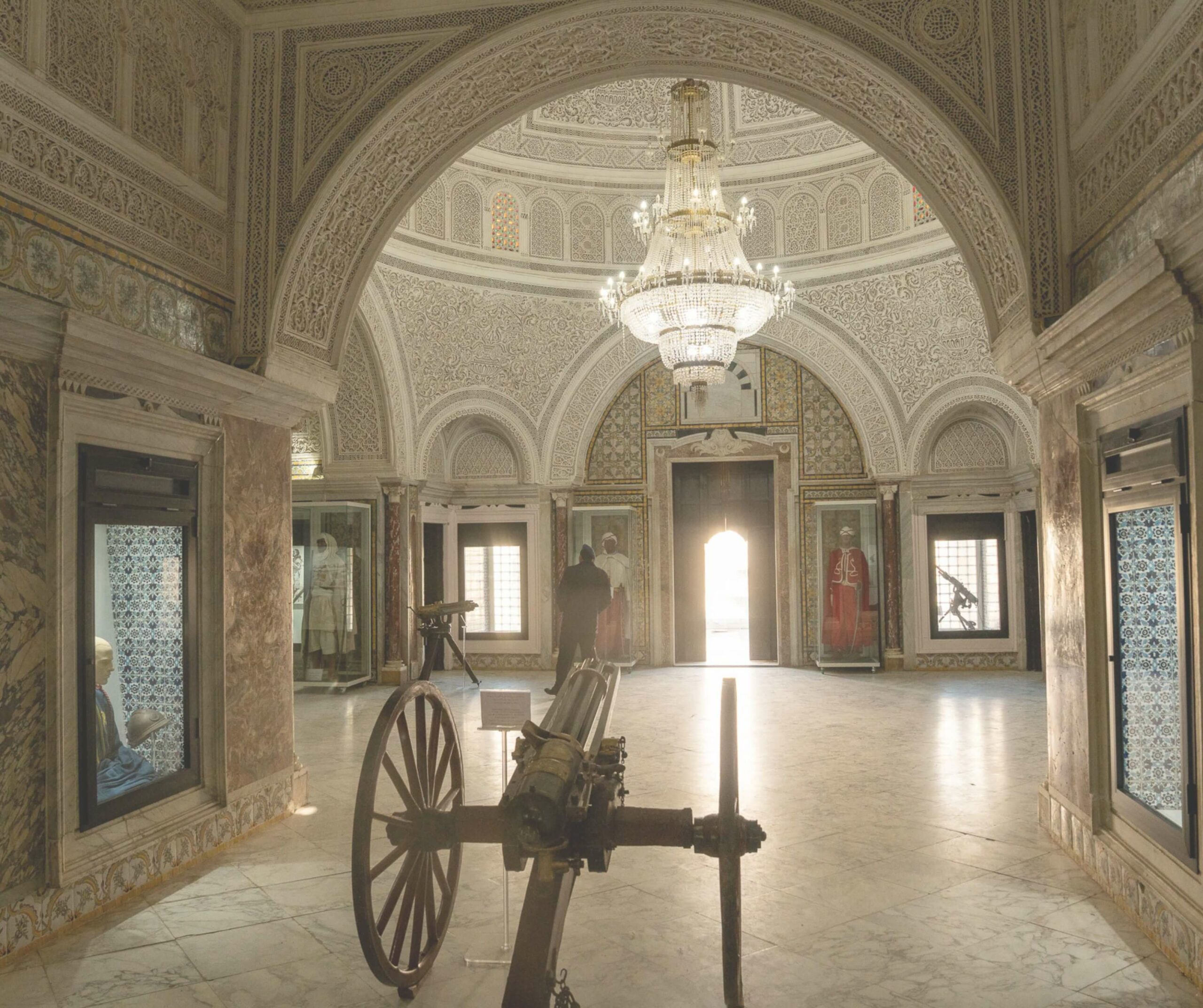
More recent history is represented too, showing the development of Tunisia’s modern military after independence. You’ll find uniforms, equipment, and information about Tunisia’s armed forces, and there are also sections on peacekeeping missions where Tunisian forces participated under UN mandates. You will also see weapons from antique swords and daggers to rifles and artillery pieces.
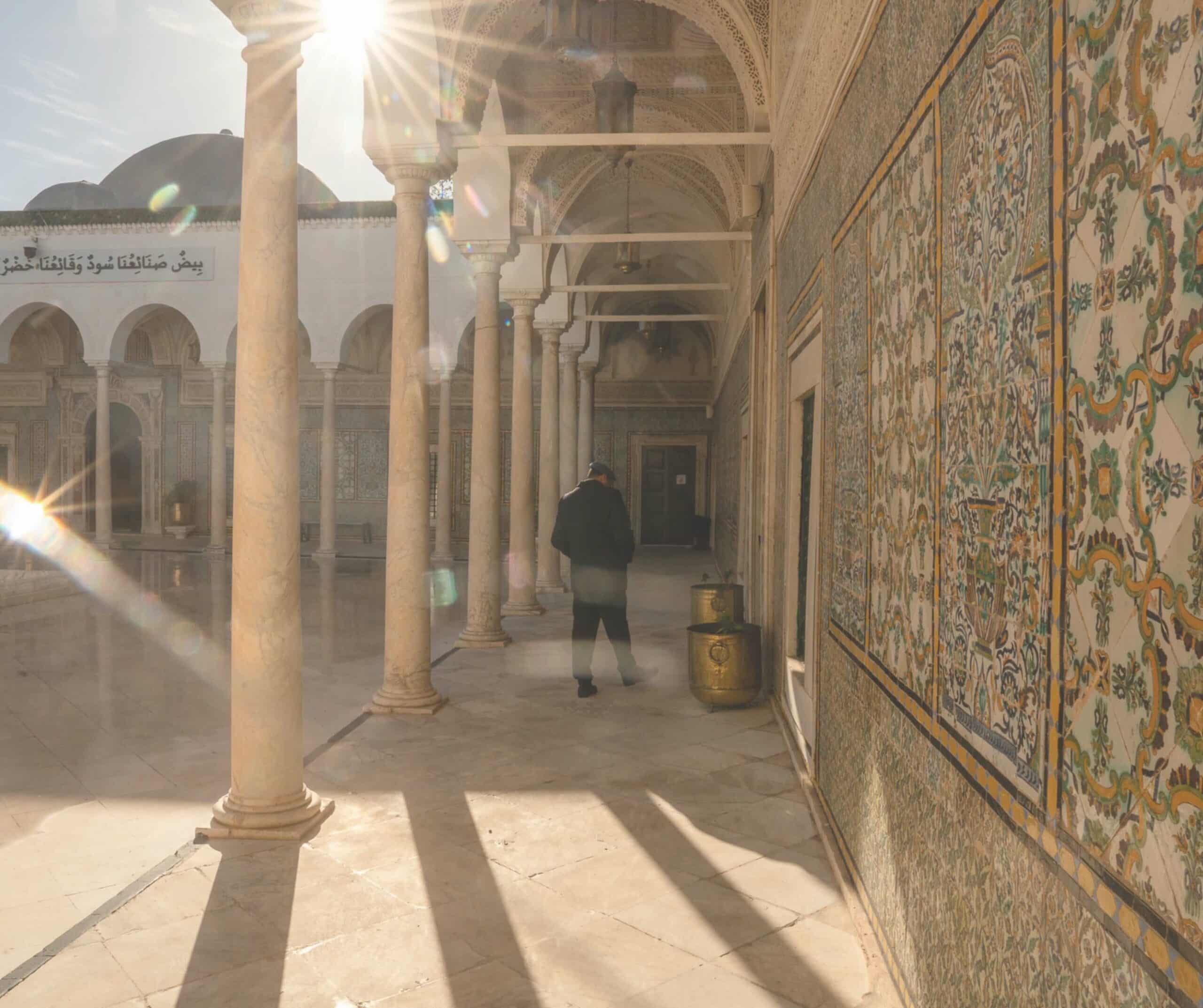
Most of the information is only available in Arabic and French, so having a translation app is helpful if you want to read the displays. When you visit, you will have a soldier accompanying you, and that is just to make sure you don’t get lost or wander somewhere you aren’t supposed to. They are super nice and are willing to answer any questions you have.
The museum was empty when I went, and compared to other museums in the city, I don’t think they get many visitors, which is unfortunate because it was fascinating and the building is beautiful.
Archaeological Carthage
The archaeological site of Carthage is incredible! It was once one of the most powerful cities in the ancient world.
Carthage was founded by Phoenician colonists from the city of Tyre (in modern-day Lebanon) around 814 BC. It’s been told that Queen Dido established the city, and it grew from a small trading post into a huge maritime empire that controlled trade across the western Mediterranean.
By the 3rd century BC, Carthage was rivaling Rome for dominance, with a powerful navy, wealthy merchant class, and control over territories in North Africa, Spain, Sicily, and Sardinia.
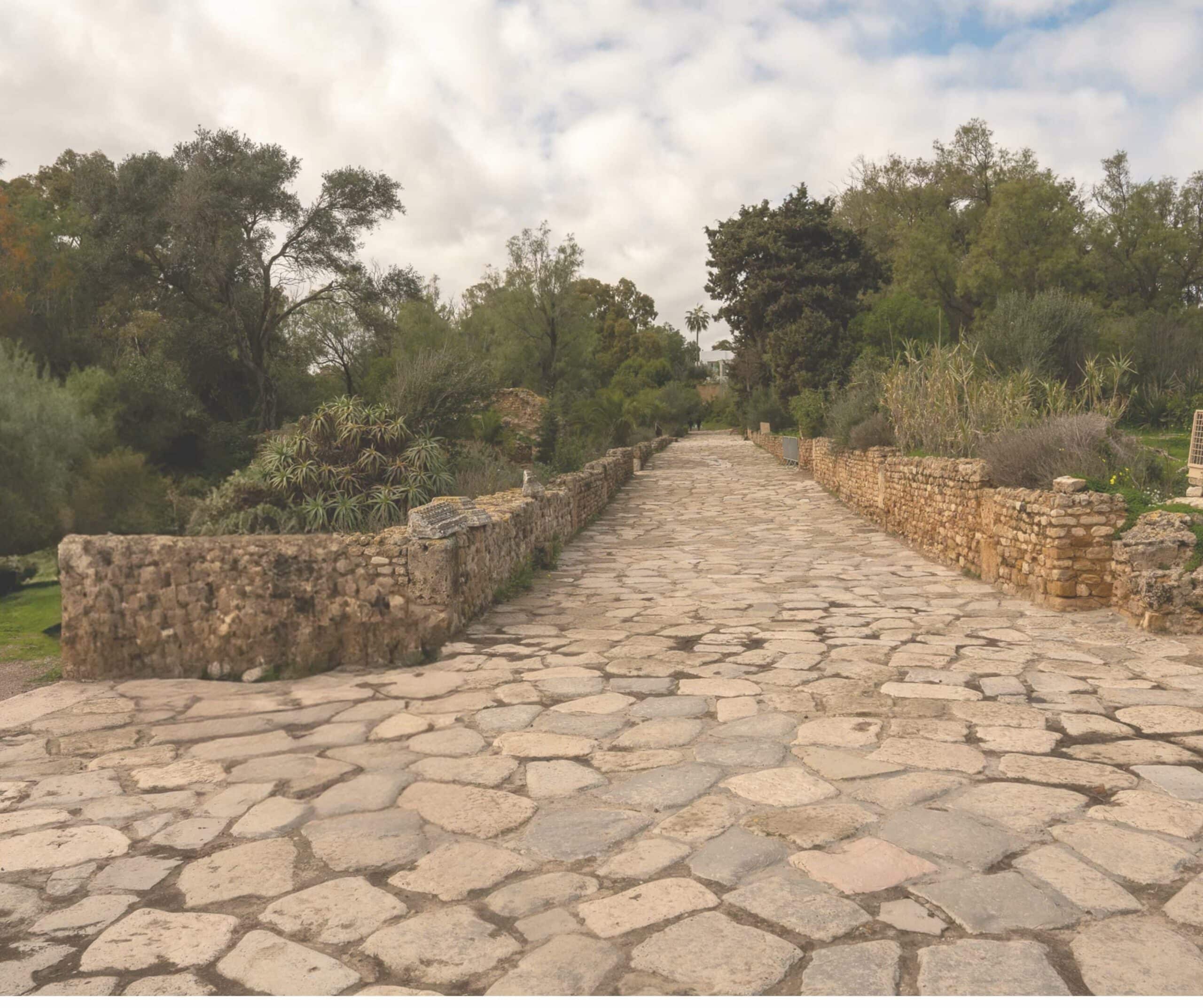
Then came the Punic Wars. Three brutal conflicts between Carthage and Rome that stretched from 264 BC to 146 BC. The most famous was the Second Punic War when the Carthaginian general Hannibal marched war elephants over the Alps to invade Italy. He won battle after battle and came terrifyingly close to destroying Rome. But ultimately, the Romans rallied, and the general Scipio Africanus defeated Hannibal at the Battle of Zama in 202 BC..
Even after that defeat, Carthage remained wealthy and influential. The Roman senator Cato the Elder famously ended every speech with “Carthago delenda est” – “Carthage must be destroyed.” In 146 BC, Rome got its wish. After the Third Punic War, Roman forces completely obliterated the city, killed or enslaved the population, and, according to legend, even salted the earth so nothing would grow there again.
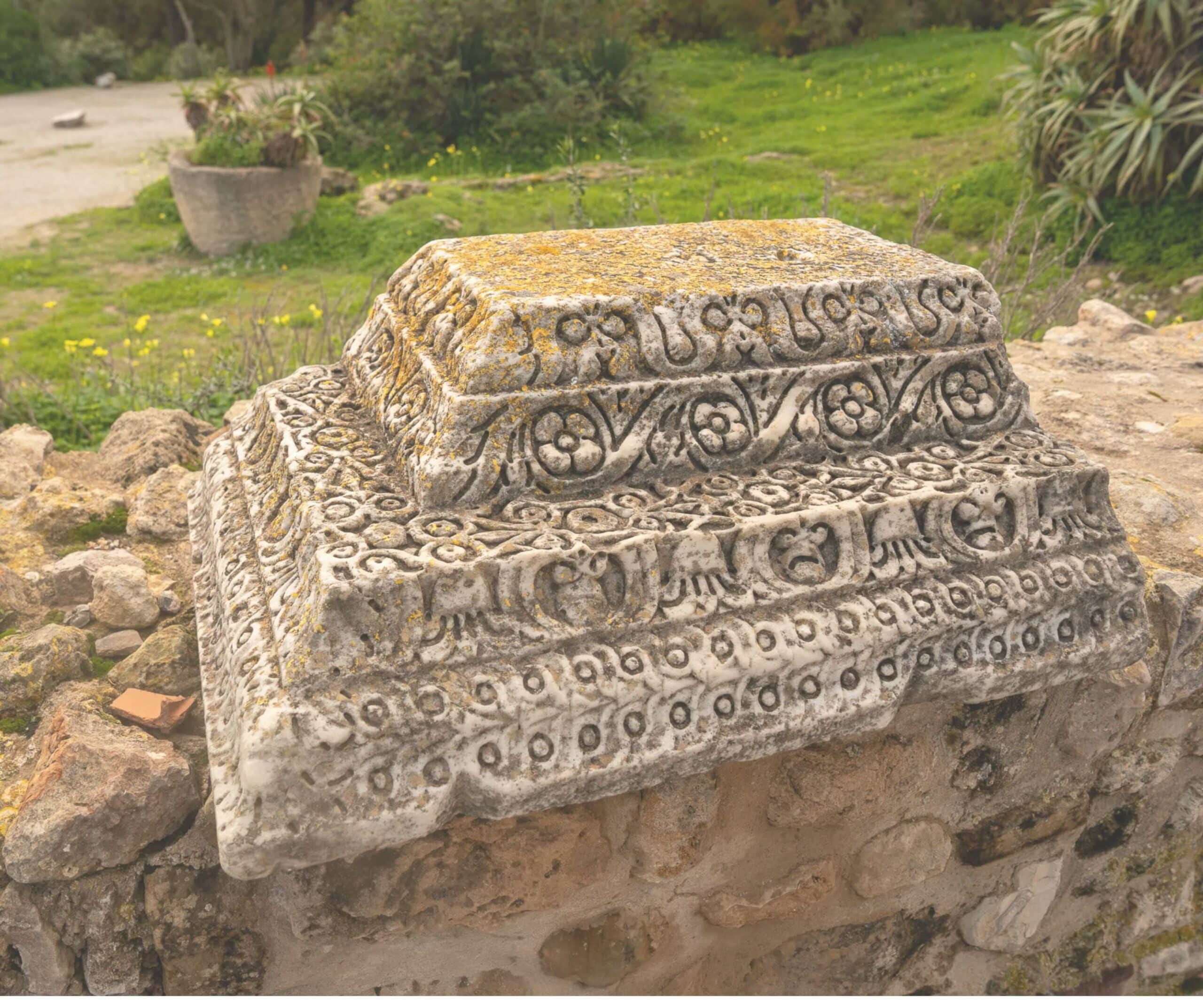
About a century later, Julius Caesar and then Emperor Augustus refounded Carthage as a Roman city. It was rebuilt and became the capital of the Roman province of Africa, eventually growing into the third or fourth largest city in the entire Roman Empire, with maybe 500,000 people at its peak. For the next several centuries, Roman Carthage was an incredibly prosperous center of commerce, culture, and early Christianity.
The site is spread out across multiple locations, and the best way to see them all is with a combined ticket that costs about $12.
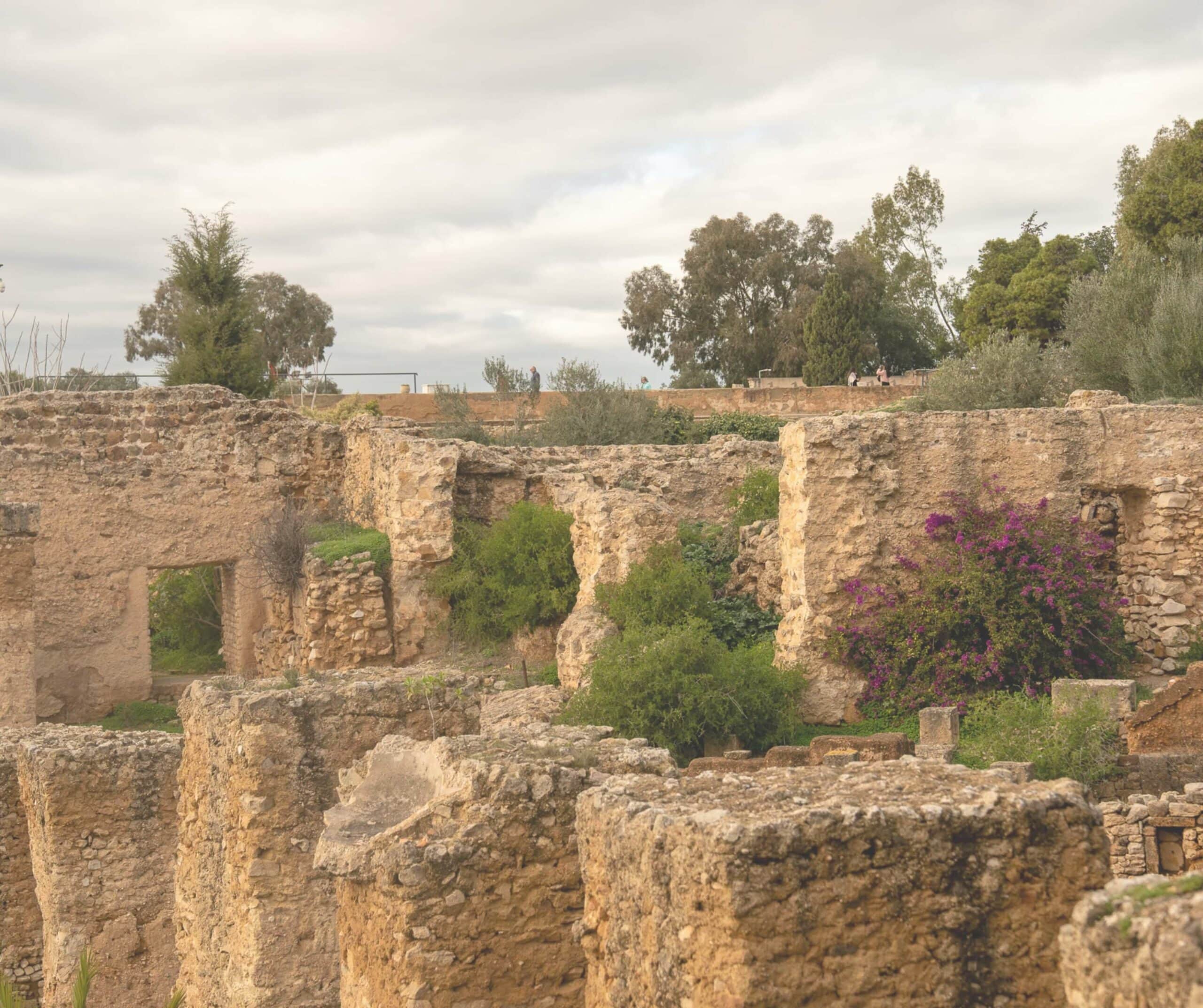
The Antonine Baths are the most impressive ruins. Built in the 2nd century AD under Emperor Antoninus Pius, these were the largest Roman baths outside of Rome. You can still see the foundations, underground tunnels where slaves would have tended the furnaces that heated the water, and columns.
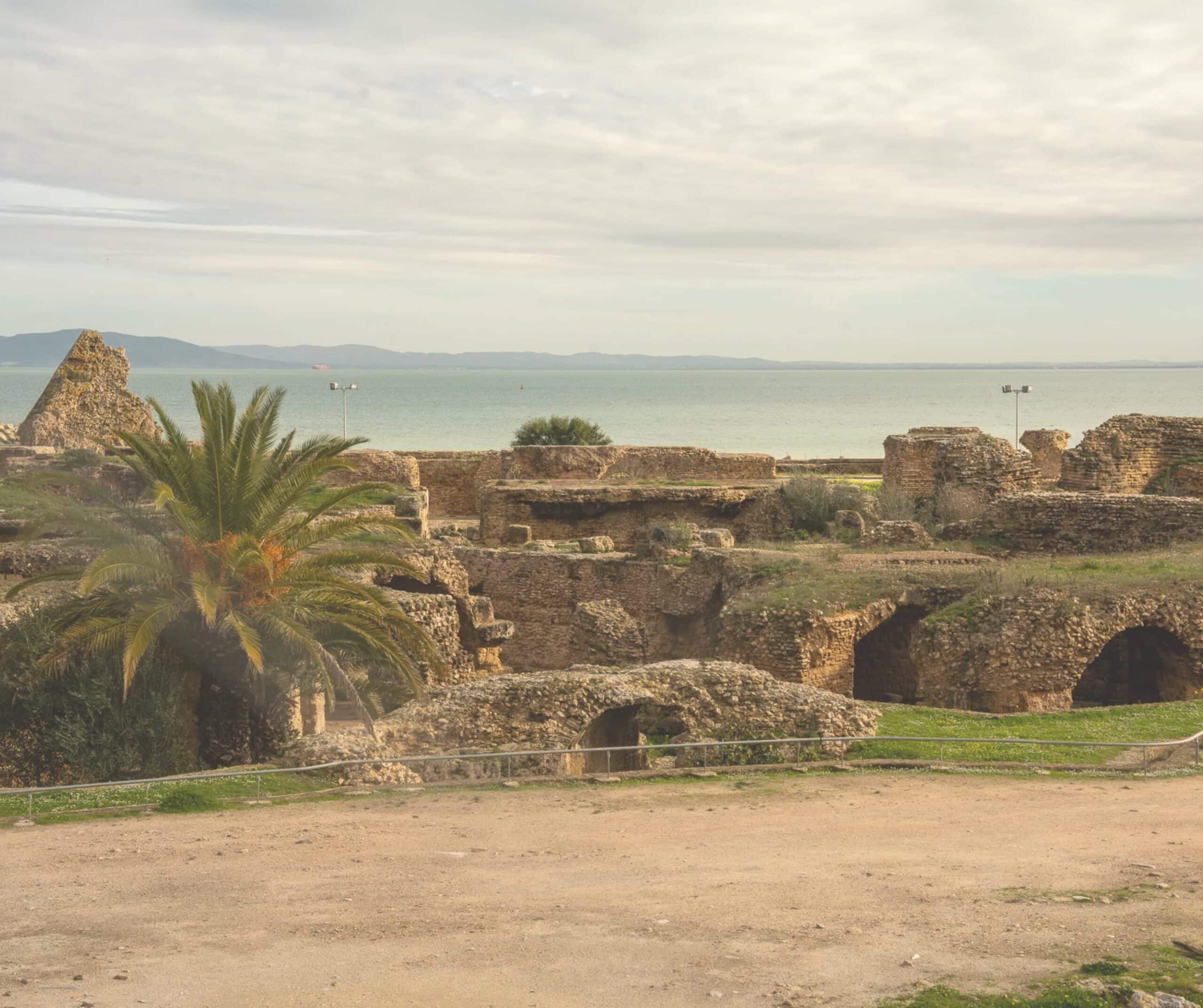
The Amphitheatre could hold around 36,000 spectators who came to watch gladiatorial combat, animal hunts, and public executions. Much of the stone was carted off over centuries to build other structures, but you can still walk through the remaining passages.
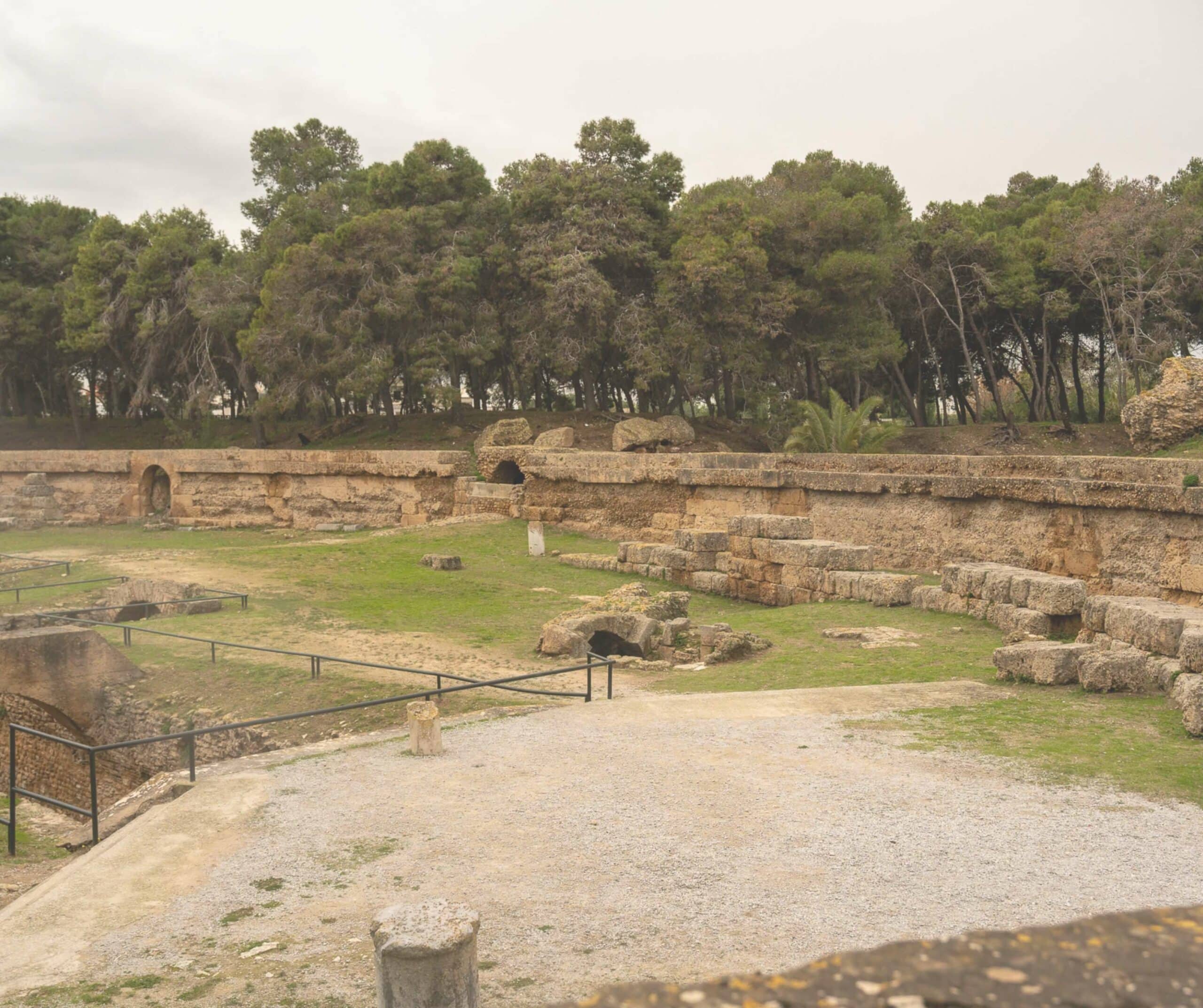
The Roman Theater sits on a hillside with gorgeous sea views and has been partially reconstructed, and today, it’s used for performances during the summer. It originally seated about 5,000 people and would have hosted plays and musical performances.
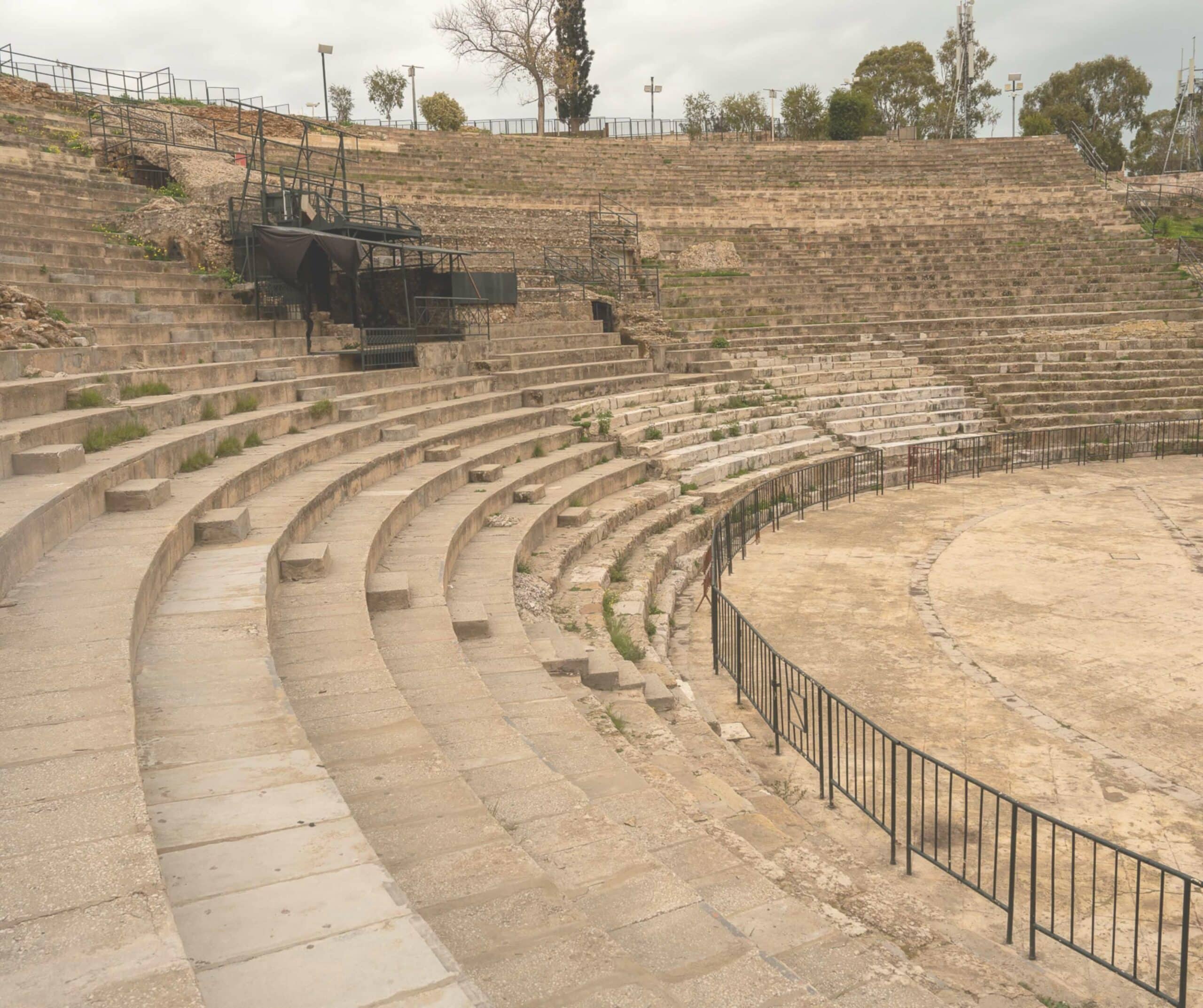
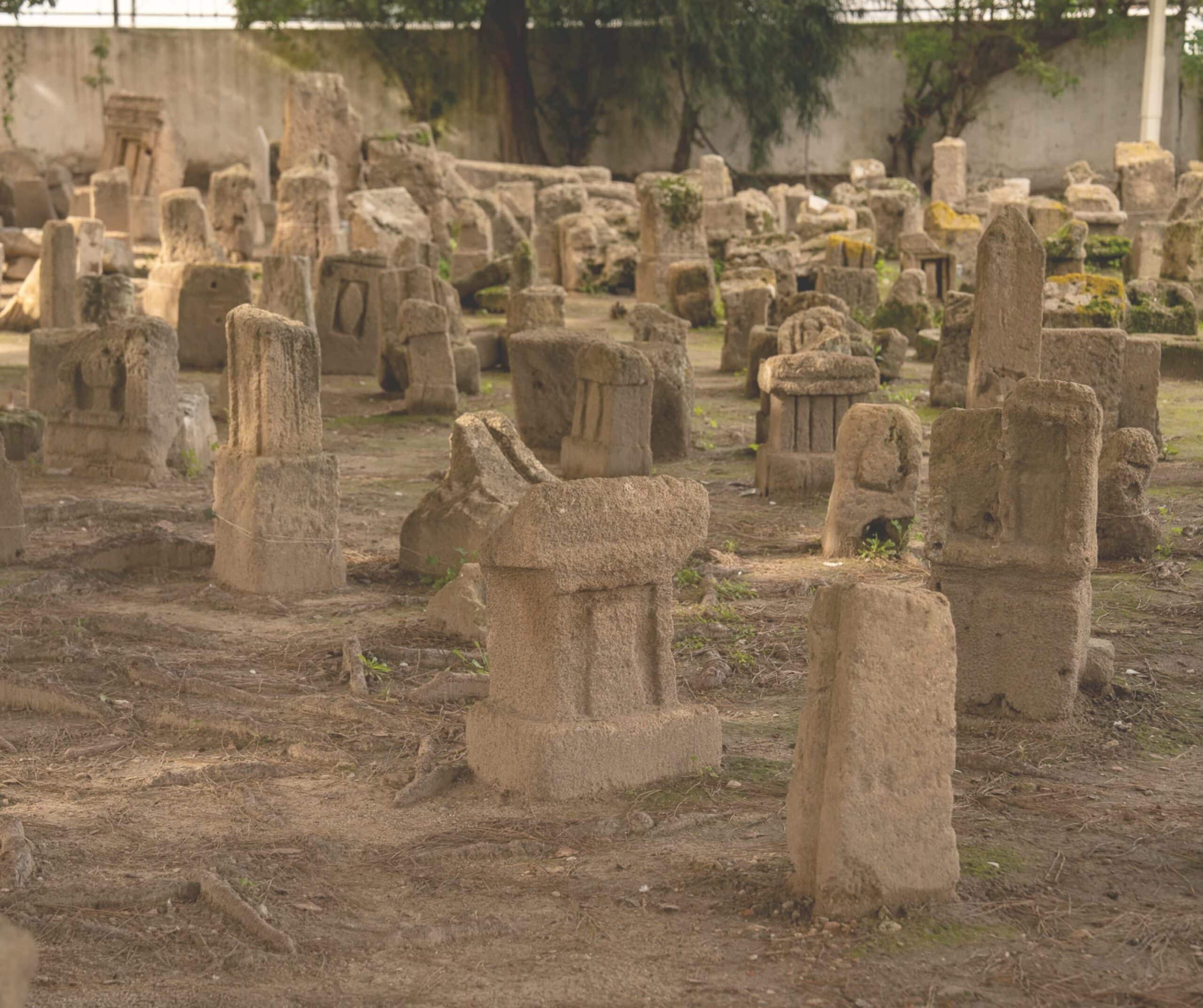
Byrsa Hill is the heart of ancient Carthage. This is where the Punic city’s acropolis stood. What you’ll see is mostly Roman foundations and a few reconstructed columns. There’s a small museum with Punic artifacts such as pottery, jewelry, religious items, and stelae (stone markers). From the top, you get an amazing view.
The Tophet was a Punic sacred precinct where thousands of urns containing the cremated remains of young children and animals were buried. For a long time, historians debated whether this was evidence of child sacrifice or just a regular cemetery.
The Punic Ports shows where Carthage’s famous harbors once stood. A rectangular merchant harbor and a circular military harbor that could house over 200 warships.
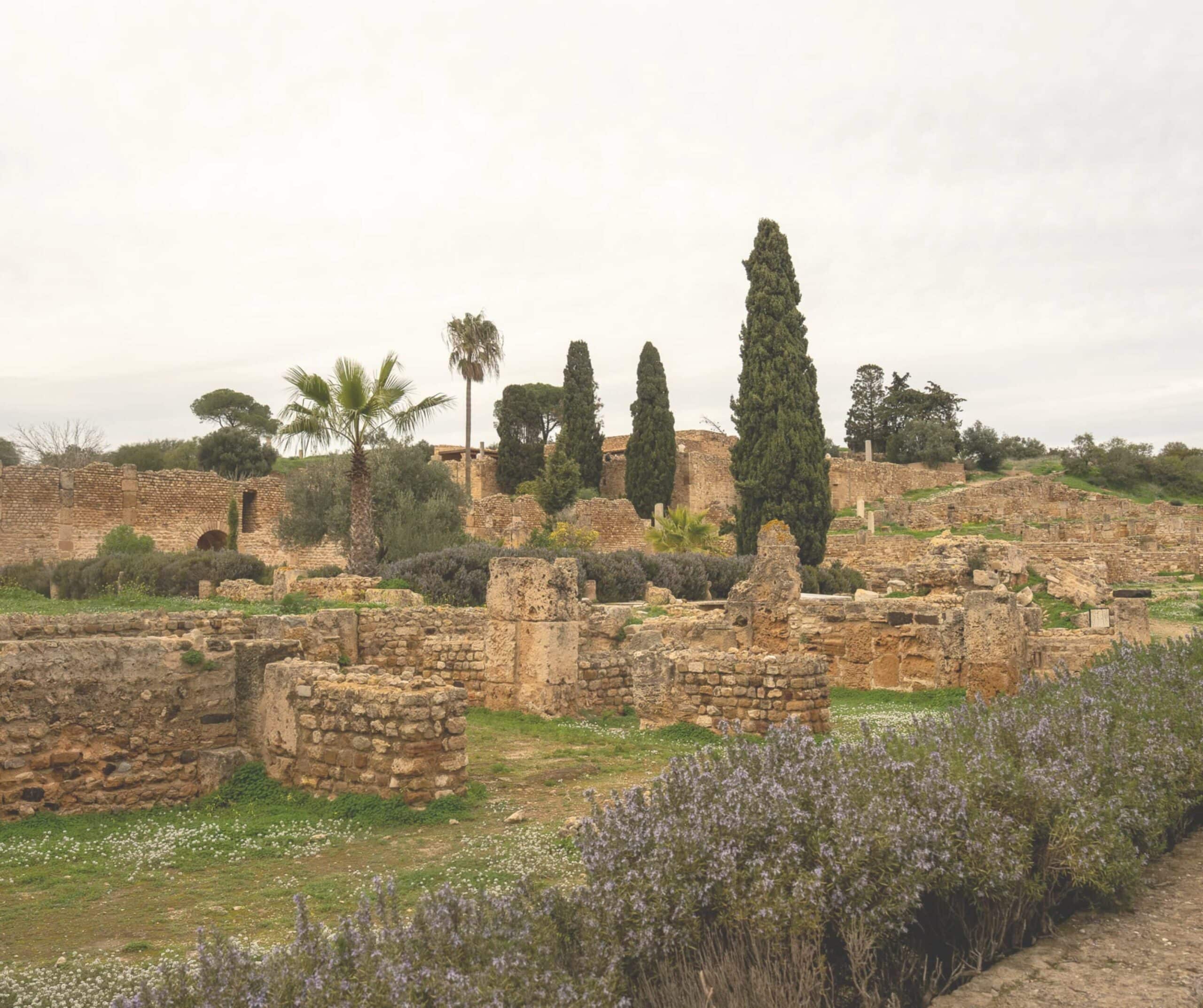
Roman Villas are located near the Roman Theater and are really cool, scattered with some beautiful mosaic floors still in place.
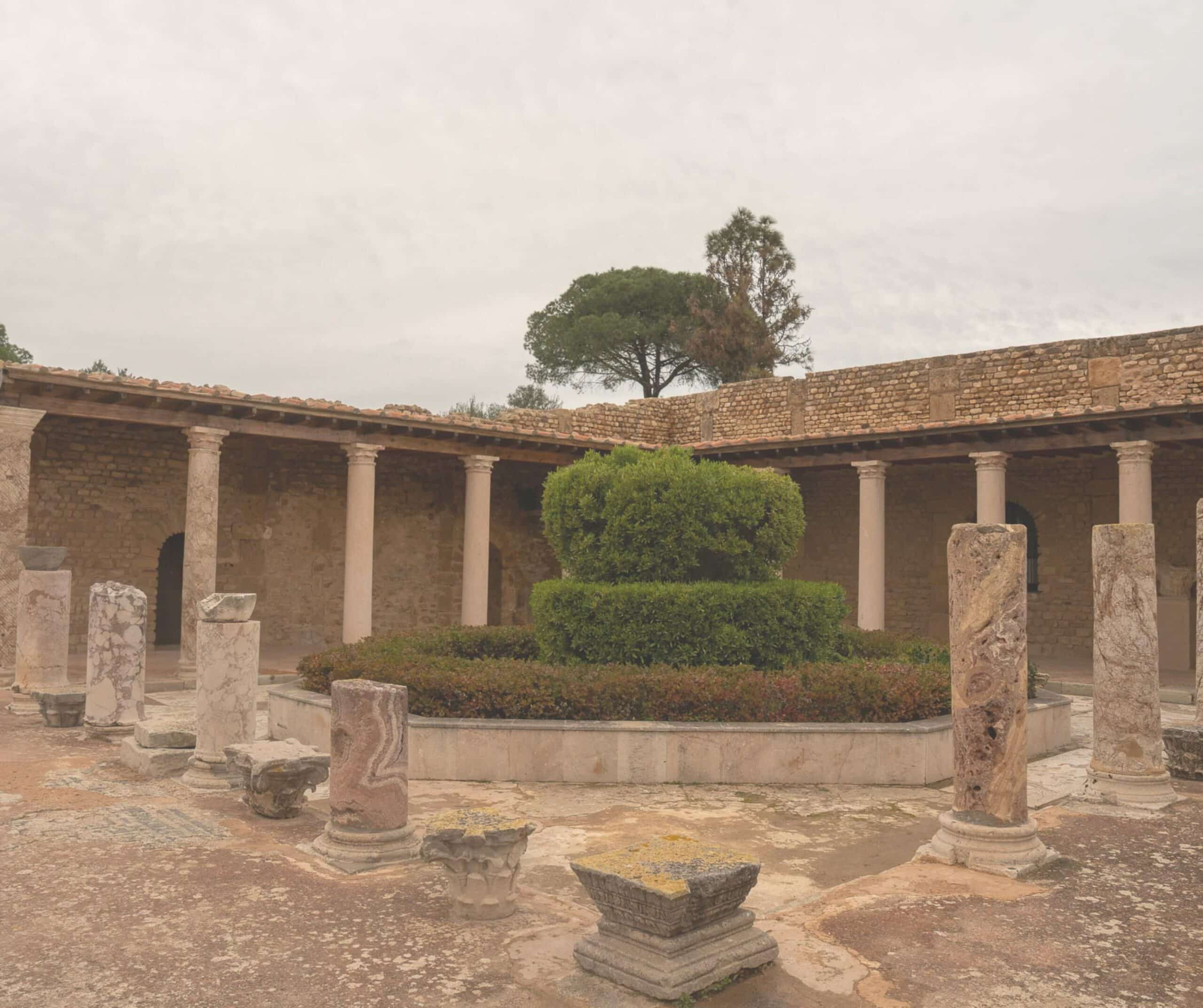
The Paleo-Christian Museum focuses on early Christian artifacts, showing Carthage’s important role in early Christianity with mosaics and inscriptions.
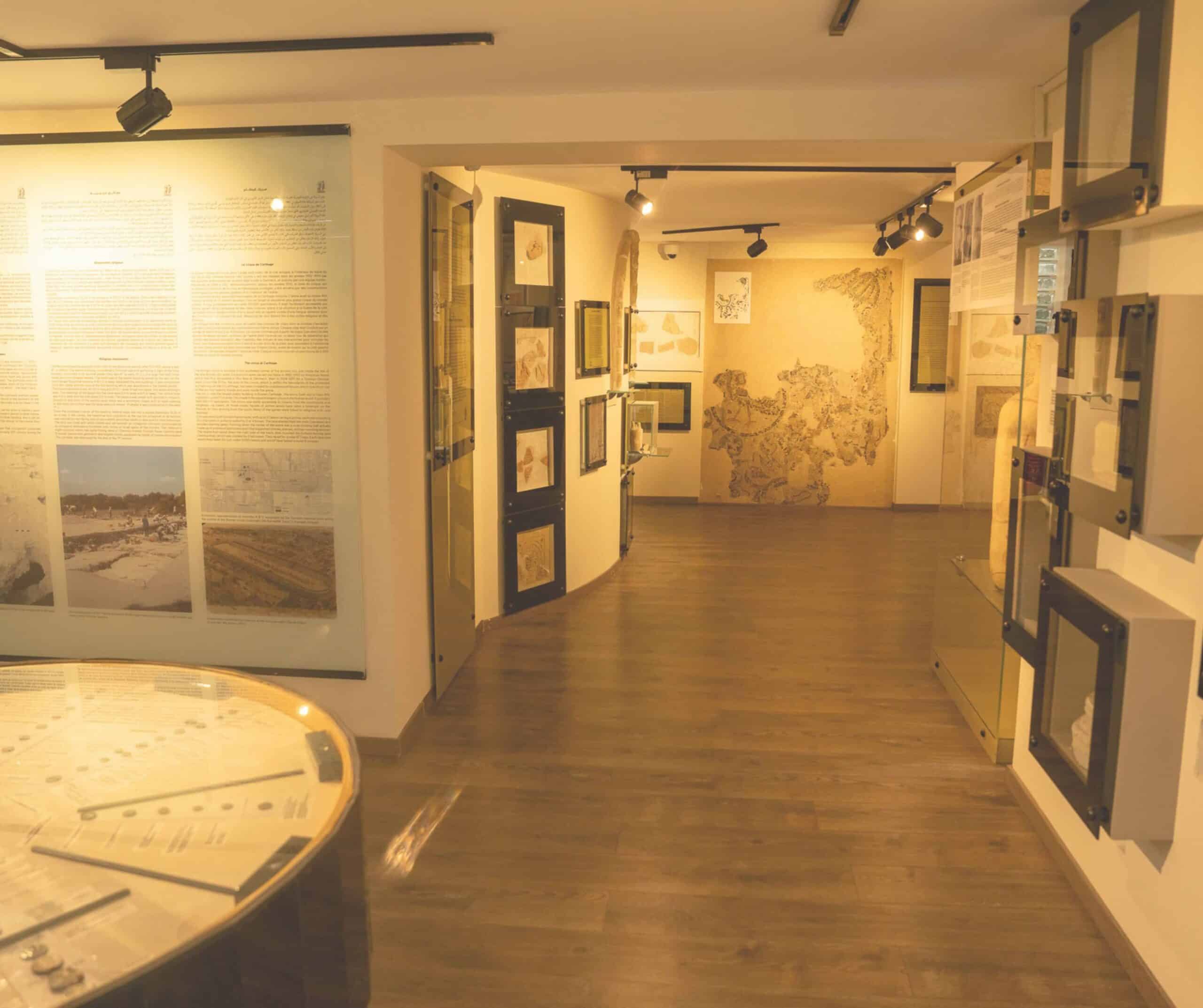
Visiting all the ruins takes at least half a day. The areas are spread out, so you’ll do some walking or might want to take a taxi between spots. It took me two days to visit them all, and I used an app called InDrive to taxi, which works like Uber, but you can only pay in cash.
Some sites don’t have any text, or if they do, it’s either in Arabic or French, so if you are really interested, I recommend booking a tour. There will be tour guides outside the Antoine Baths, but I wouldn’t recommend it. I did a tour with someone standing by the entrance, and it only lasted 30 minutes and cost me about $13. I asked the price ahead of time, but even after the tour, he was going to charge me more than we agreed.
I will list some tours below that would be worth booking.
The National Oceanographic Museum
The National Oceanographic Museum was established in 1924 and is located in what was once a research station. The exhibits focus heavily on Mediterranean marine life. You’ll see preserved fish, crustaceans, mollusks, sea turtles, and other creatures.
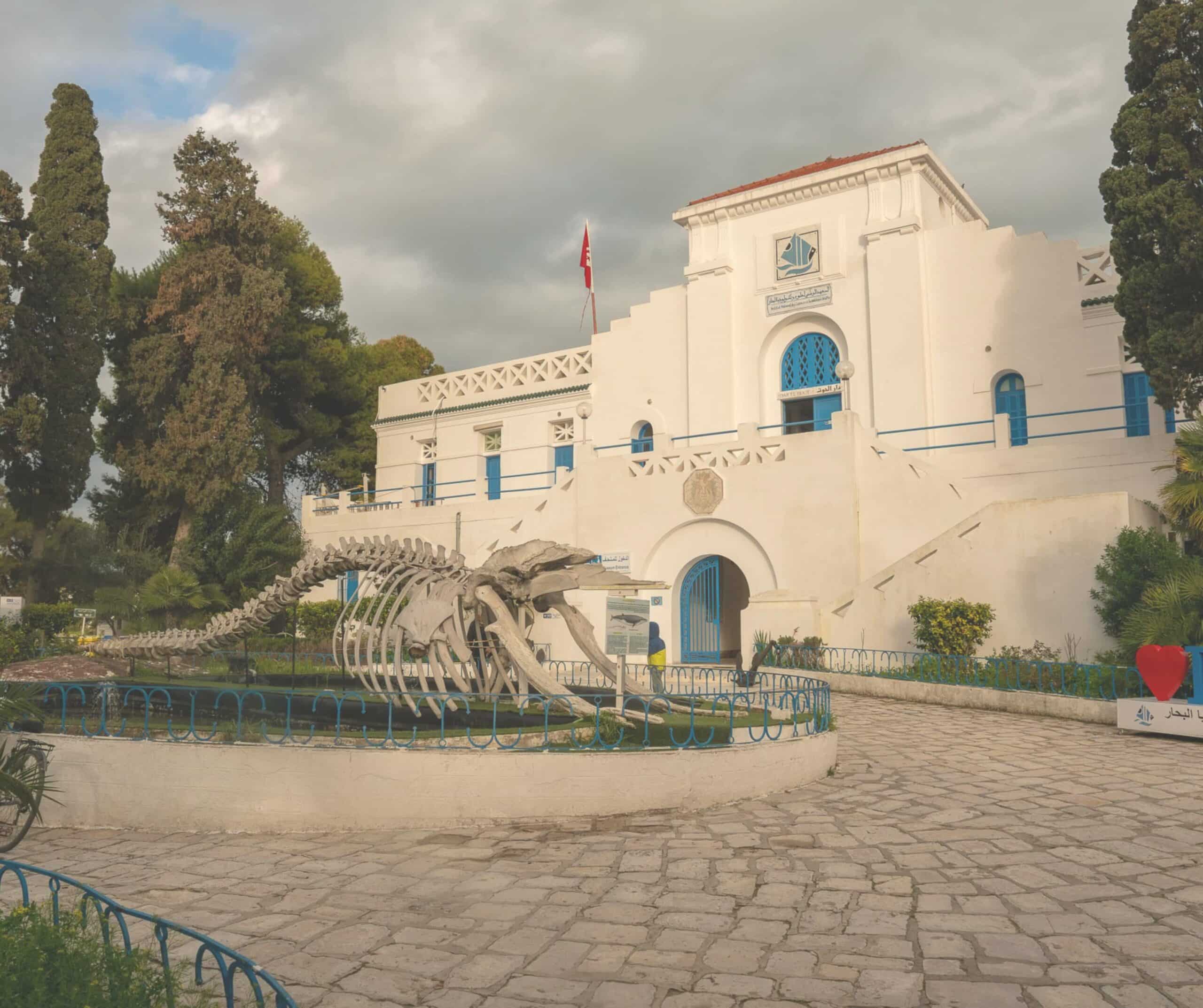
I have to be honest. This museum doesn’t compare to the other fantastic museums around Tunis. It’s not very big and the exhibits are outdated. There’s also almost no English text, so you’ll need a translation app if you want to read anything. If you’re short on time in Tunis, you might want to skip this one.
If you are traveling with kids, it could be fun, but I was in and out pretty quickly. Entrance is only about $2, and it’s right next to the Punic Ports of Carthage, so you may be in the area anyway and want to stop by, but I don’t recommend going out of your way to visit.
The National Museum of Medicine
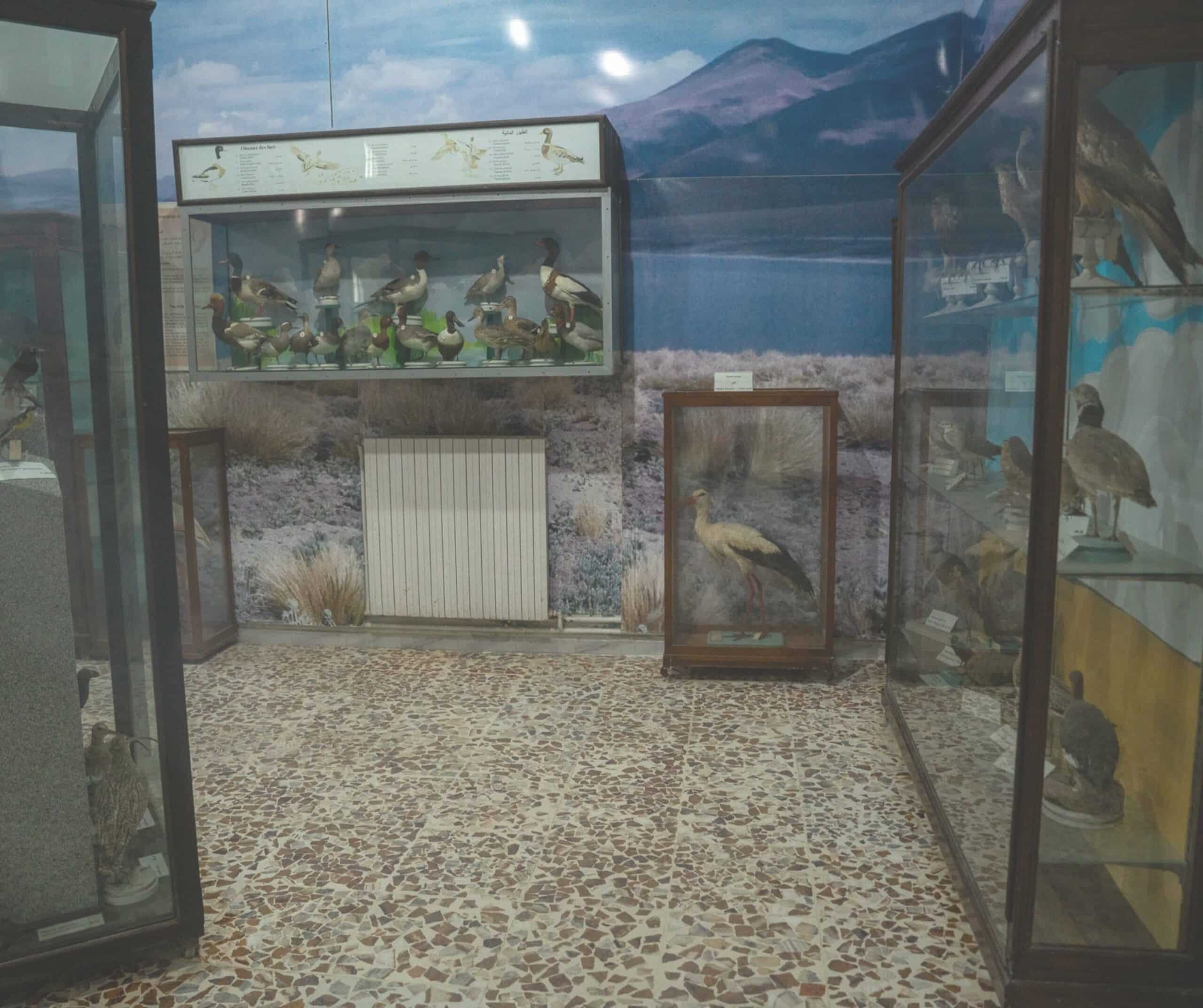
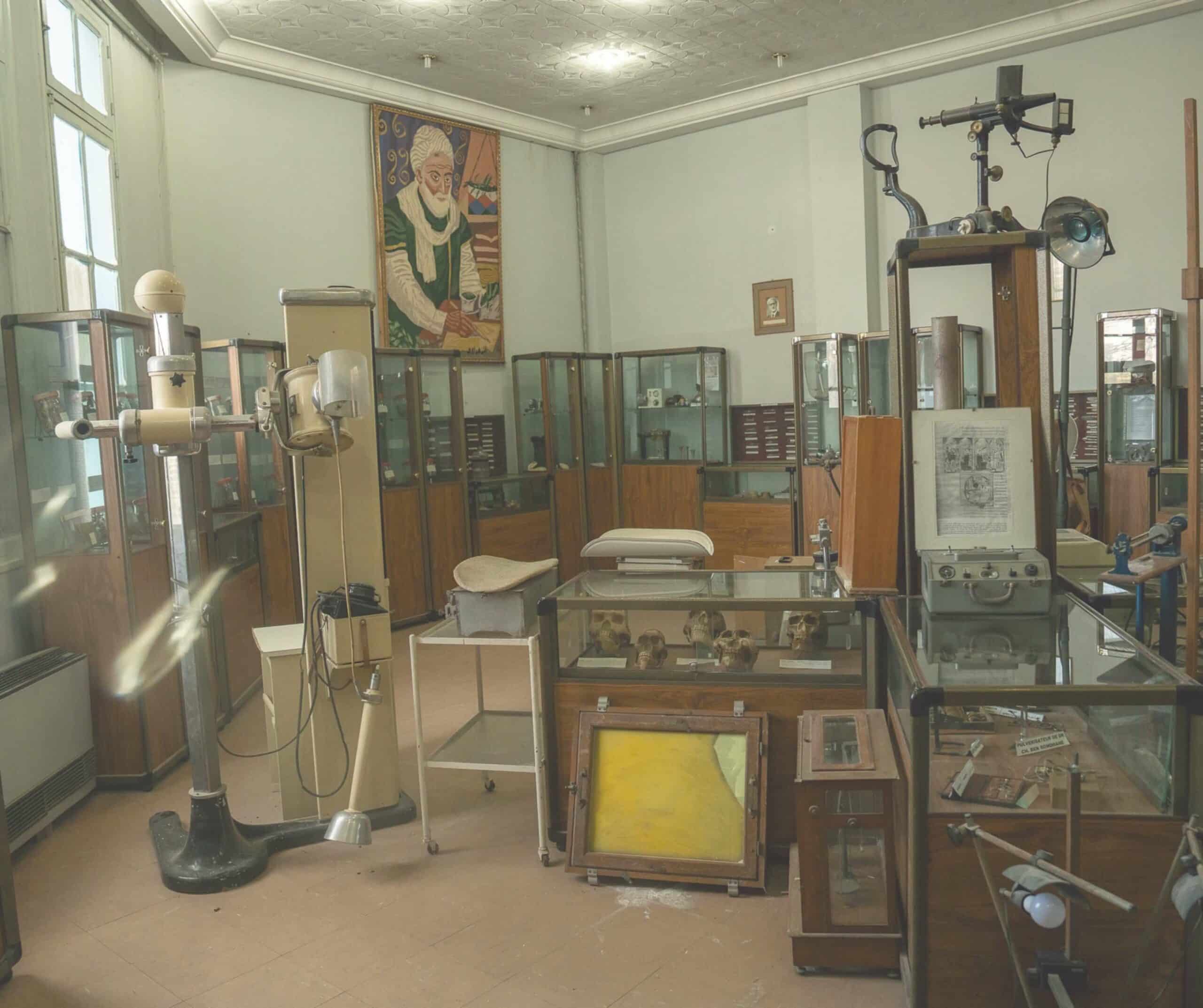
The National Museum of Medicine is housed in a beautiful 19th-century mansion that once belonged to a wealthy family but now belongs to the hospital nearby. The museum is free to enter and just one room. There is not much text except labels that tell you what you are looking at. You will see old medical instruments, pharmaceutical equipment, manuscripts, and documents.
When I arrived, the door was locked, but someone working inside let me in. This is another museum I would suggest skipping if you are short on time. I only spent about 10 minutes looking around, but if you are really into old medical instruments, you may find it interesting.
The Finance Museum
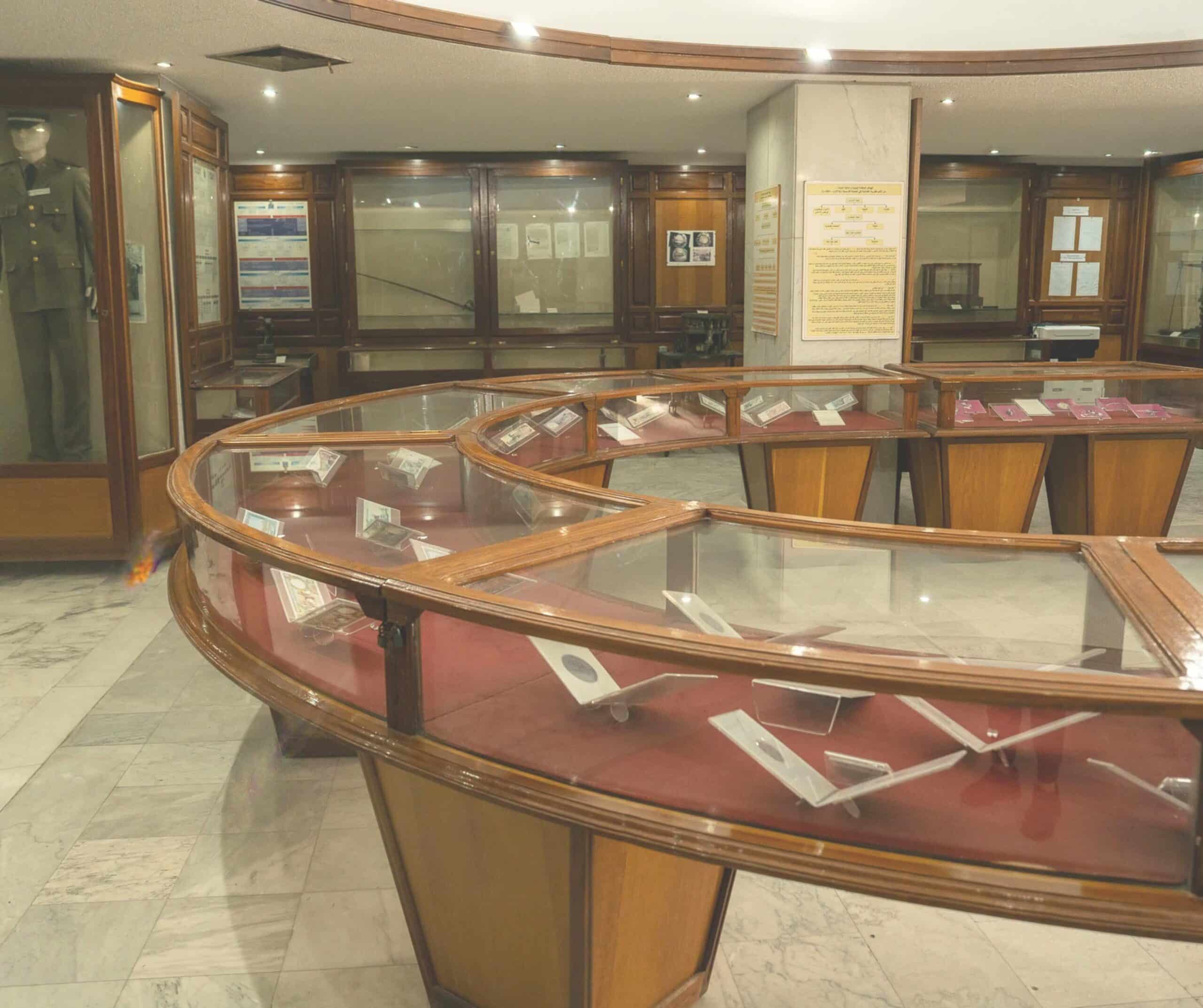
The Finance Museum in Tunis focuses on the history of finance, taxation, customs, and accounting in Tunisia. Inside you’ll find old tax collection registers, coins and banknotes from different eras, and equipment that was used for weighing and marking metals. There are also photographs of jewelry that belonged to the Beylical family. The Ottoman beys who ruled Tunisia before the French protectorate.
That said, this is a small, very niche museum, and unless you have a specific interest in financial history or economic systems, it might not be worth the visit.
Two museums I did not list are the Modern Art Museum and the Tunis City Museum because they didn’t have any exhibits on when I was there. I know the Tunis City Museum changes exhibitions occasionally, but the Modern Art Museum was closed for renovations. I just wanted to list them as options in case they are open during your visit.
Where to Stay in Tunis
Find accommodation in Tunis by searching for hotels below!
Museums in Tunis: FAQS
Are museums in Tunis open every day?
Most of the museums in Tunis are closed on Mondays. They’re typically open Tuesday through Sunday, though hours can vary. The Bardo Museum and Carthage archaeological sites are open during these days, but some smaller museums have weird hours or may require you to knock and hope someone’s around to let you in, so it’s worth checking ahead if possible.
How much do museums in Tunis cost
Major museums like the Bardo typically cost around 10-15 Tunisian dinars (roughly $3-5 USD) for foreign visitors. Some smaller specialized museums are even cheaper or free. Carthage archaeological sites have a combined ticket that covers multiple locations and was $12 USD when I visited.
Do museums in Tunis have English signage?
Most museums have signage primarily in French and Arabic. The Bardo Museum has English labels, and a few of the Carthage sites had some English text, but the rest of the museums I visited only had Arabic and French. If you would like to read the displays, I recommend having Google Translate downloaded.
Are museums in Tunis crowded?
The Bardo can get crowded, especially mid-morning to early afternoon when tour groups arrive. The Carthage sites also see decent crowds. It’s best to arrive when they open or in the late afternoon to avoid crowds.
Can I take photos inside Tunis museums?
Yes! I was able to take photos in every museum I visited without a problem. If I wasn’t sure, I just asked, but it was never a problem.
Do I need to book museum tickets in advance?
No, you can buy tickets at the door for all the museums.
Are Tunis museums accessible for people with mobility issues?
Accessibility is pretty limited at most museums and sites in Tunis. The Bardo Museum has decent accessibility, which was good to see. At Carthage, for the most part, the ground is uneven with lots of ancient stone surfaces, steps, and terrain that you need to navigate to see most of the ruins properly.
Do museums in Tunis accept credit cards?
It’s best to pay for the museums with cash, especially because they are so cheap, and many places in Tunis don’t even accept card payments. I paid for everything with cash and only used my card twice during my trip.
Was this article helpful to you? Well, go ahead and save it by pinning it so you can reference it later on.
Travel Resources
First off, if you want to browse all my favorite travel resources, check out my Travel Resources page.
Trip Planning: I have put together the ultimate trip planning guide that will walk you through everything you need to know to plan your perfect trip.
Book your Flight: Check out Momondo! They are my go to for booking flights. Airfarewatchdog is also a favorite of mine. I get notified by email every time there is a good deal from my local airport. WayAway is also a good option. They list mistake fares so many times, you can get an international ticket for as little as $300!
Book your Transportation: Busbud is usually where I check first. They check hundreds of different transportation companies all over the world and find you the best bus deal. Flixbus is one of my favorite cheap options for Europe. The buses generally aren’t too bad, and they go to most countries around Europe. It’s the perfect option for short distances. Train travel is my favorite mode of transportation, and I always use Rail Europe to book my tickets. If you need a transfer from the airport or if you are going somewhere where transport is limited (like a festival in the middle of nowhere or even a day trip) Welcome Pickups is a great option. I have used them on multiple occasions, and you can book a ride 5 hours in advance!
Book your Accommodation: My number one is Booking. If you book enough hotels from them, you can get huge discounts and perks like free breakfast and room upgrade. On a budget and looking for cheap accommodation? Hostelworld is my preferred site to book cheap and reliable hostels. Hotwire has a fun mystery to it. It’s a great site to use for last-minute bookings. They don’t actually tell you the name of the hotel when you are browsing. You will just get the area of the city it’s in, the price, and how many stars it has. I love the surprise aspect of it! Traveling to Asia? Agoda is the best accommodation booking site! If you are traveling with a big group, Vrbo is a good option. They have a huge selection of vacation rentals. Hotellook allows you to compare hotel prices around the world, so you can find the best deal!
Book your Travel Insurance: Getting travel insurance is such a crucial part of preparing for a trip. You never know what could happen, and why take the risk? Before I travel anywhere, I always book my insurance through Visitors Coverage.
Book your Activities: Now, you have planned all the logistics, time to think about what you will do once you get to your destination! These are a few of my favorite trip planning sites. I always use Get Your Guide and Viator when I am looking for tours. If you are traveling to Asia, Klook is widely used to book activities. Go City sells tickets to top attractions for up to 65% off. Eat With allows you to book dinners or cooking classes with local families. If you enjoy self-guided walking tours, We Go Trip has audio guides you can download. Big Bus Tours offers open-top sightseeing tours.
Store Your Luggage: Do you have a long layover or a late flight and need to store your luggage? Radical Storage has got you covered.
Get an eSim: Airlalo has been an amazing way for me to stay connected on the road. They have eSims in 200 countries and set up is super easy.
Marika is a clumsy traveler with a passion for discovering what makes each destination unique, unconventional, and a little weird. She has autism, ataxia, and ADHD, which means travel doesn’t always look the same for her as it does for everyone else. But she’s here to prove that having limitations doesn’t mean you can’t explore the world and have incredible experiences. For her, the best version of a place is rarely in the guidebooks, and that’s what you’ll find on Clumsy Girl Travels.
Leave A Comment